Learning to ride a bike is more than just acquiring a skill; it’s a profound journey of courage, independence, and family connection. While the thrill of mastery calls, the fear of falling often looms larger, challenging children to push past their anxieties. Historically celebrated as a rite of passage, cycling symbolizes progress and community, evolving through innovations like balance bikes and safety gear that make the process safer and more accessible. Today, advances such as smart helmets, lightweight bikes, and virtual reality training are transforming how children learn, fostering confidence at every wobble and stumble. But can technology truly replace the supportive moments shared on quiet streets and family cheers? As infrastructure improves and new tools emerge, the future promises even greater opportunities for children to explore, grow, and conquer their fears—turning cycling into a lifelong adventure of resilience, joy, and discovery.
The Emotional Journey of Learning to Ride: Courage, Family, and Independence
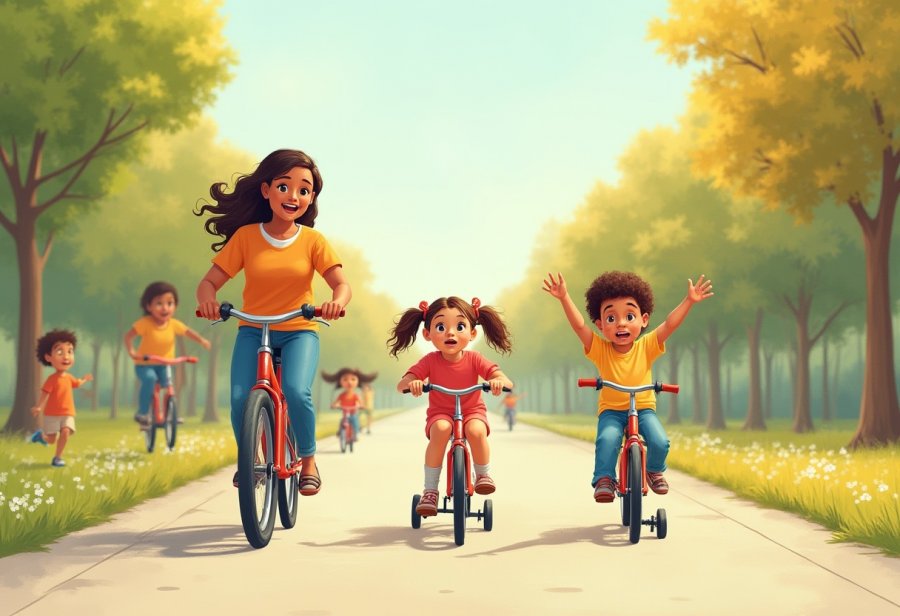
Learning to ride a bike isn’t just about mastering a new skill; it’s a milestone that stays with us long after the first pedal turns. For children, it marks a leap toward independence, filled with a mix of excitement and nervousness. It’s a moment where wobbling, falling, and getting back up become part of the process, and each small victory builds confidence that lasts a lifetime. For families, those early rides become shared memories—stories of perseverance, support, and joy that strengthen bonds and create a sense of togetherness.
This experience extends beyond physical coordination. It requires courage—facing the fear of falling and pushing through it. Kids naturally worry about losing balance or tumbling, making the idea of riding intimidating at first. But these fears are part of learning, and overcoming them teaches resilience. With patience and encouragement from loved ones, children learn that falling isn’t failure; it’s simply a step toward mastering something new. Every wobble and stumble becomes a building block on their journey to independence.
Family involvement plays a crucial role in transforming this challenge into a celebration. Parents and siblings often stand on the sidelines, offering reassurance and applause. Whether holding the bike steady or cheering from a distance, their support helps turn a daunting task into a joyful achievement. These moments of shared effort and encouragement become lasting memories—proof that growth involves wobbling, falling, and rising again, all while feeling supported and loved.
Learning to ride a bike also introduces children to a broader lesson: persistence pays off. The physical act of balancing and pedaling becomes a metaphor for overcoming obstacles in life. It teaches patience, the importance of practice, and the value of trying again after setbacks. These lessons help shape resilience and confidence that extend well beyond the driveway, planting the seeds for a lifelong love of exploration and adventure.
Ultimately, learning to ride a bike is more than just a physical skill—it’s an emotional journey. It’s about courage, family bonds, and the thrill of overcoming fears. When families come together to support their children, they turn a simple act into a powerful rite of passage. It reminds us that growth involves falling and getting back up, and that each wobble on two wheels brings us closer to independence, joy, and the freedom to explore the world around us.
Pedaling Through History: The Cultural Roots and Evolution of Bicycle Milestones
Cycling’s roots stretch back to the early 19th century, when inventions like the laufmaschine and velocipede sparked a new interest in personal mobility. These early machines weren’t just about transportation; they symbolized a shift towards independence and progress that resonated across different societies. As bicycles evolved, so did their role as a rite of passage, marking a child’s transition from reliance on adults to self-reliance and exploration.
Across cultures, learning to ride a bike has long been celebrated as more than just acquiring a new skill. It often became a communal event, representing maturity, freedom, and social connection. In many neighborhoods, families gathered to watch children take their first wobbly pedals, turning these moments into shared milestones. Festivals, parades, and neighborhood rides reinforced cycling’s significance as a symbol of growing up and gaining independence.
The development of bicycle technology further shaped how children learned to ride. The introduction of training wheels in the mid-20th century offered a sense of security, allowing kids to build confidence gradually. Later, balance bikes shifted the focus to developing core stability before pedaling, emphasizing safety and natural skill acquisition. These innovations reflect an understanding that children learn best through encouragement, patience, and incremental progress.
Icons in media and popular culture elevated cycling’s status. Films, stories, and advertisements often portray bike riding as a symbol of adventure, rebellion, or self-discovery. Community events like bike parades and races foster social bonds and emphasize cycling as a universal childhood experience. These traditions helped embed biking into societal identity, making it a shared rite of passage that transcended generations.
The invention of the safety bicycle in the late 19th century made cycling safer and more accessible for children, broadening its role as a developmental milestone. Organized rides and cycling clubs in the early 20th century turned biking into a social activity, strengthening community ties. The recent rise of balance bikes in the 2000s has continued this trend, promoting early confidence and balance before pedaling.
Today, the story of cycling continues to evolve with innovations like lightweight, adjustable bikes and smart safety gear. Virtual reality training tools are emerging, allowing children to practice balance and coordination in virtual environments before hitting the streets. These advancements aim to make learning to ride safer, more engaging, and more accessible for every child.
Throughout history, bicycles have symbolized progress, independence, and community. Their evolution reflects society’s ongoing efforts to make learning to ride safer, more inclusive, and more fun. As new generations take to two wheels, the core values of courage, support, and discovery remain central, ensuring cycling’s place as a timeless rite of passage in childhood.
Today’s Bikes and Brains: How Modern Styles and Attitudes Shape Learning to Ride
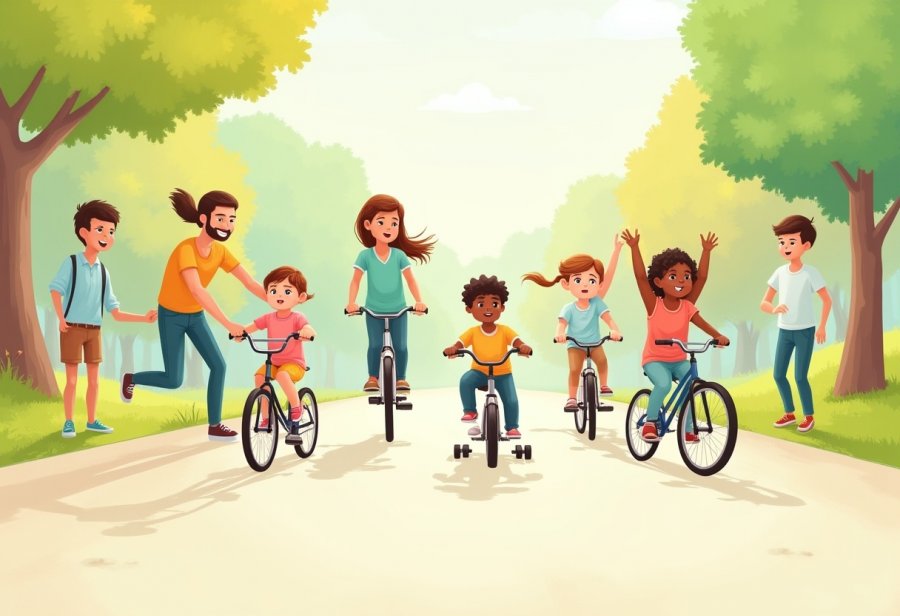
Today, learning to ride a bike has become more accessible and varied than ever before. Bikes designed for different ages, sizes, and skill levels help children build confidence gradually, making the process less intimidating. From simple balance bikes to beginner-friendly training wheels, these options enable kids to develop their skills at their own pace, fostering a sense of achievement early on. Society’s attitude toward cycling has shifted positively, increasingly recognizing it as a vital life skill that promotes independence, physical health, and outdoor enjoyment.
The methods used to teach children how to ride have evolved significantly. Balance bikes, which focus solely on developing core balancing skills without pedals, help kids master stability before they move on to pedaling. Many parents and instructors find that children who start with balance bikes transition more smoothly to riding with pedals because they already understand how to maintain balance. Traditional training wheels remain popular too, providing a safety net that allows children to gain confidence gradually, especially in the early stages.
Most children learn in familiar, safe environments that foster comfort and confidence. Parks, open spaces, and quiet neighborhood streets with flat surfaces are ideal for initial practice, giving kids room to wobble, fall, and get back up without feeling threatened. These settings help children experiment with independence at their own pace, reducing anxiety and making the experience enjoyable. Schools and community centers also offer supervised areas where kids can practice, reinforcing a sense of security while encouraging active participation.
Safety gear remains a key part of today’s cycling culture. Helmets, knee pads, and elbow guards are widely accepted as essential to protect against falls and injuries. While some debate exists about over-reliance on protective equipment, most experts agree that appropriate gear helps build confidence and reduces fear during early attempts. Parents often balance safety and encouragement by ensuring their children wear gear without making them overly cautious, fostering resilience alongside safety.
Technological advances are shaping how children learn to ride. Lightweight, adjustable bikes tailored for different ages and abilities make progress easier and more comfortable. Safety helmets equipped with sensors or smart features can monitor activity and alert parents about falls, adding an extra layer of reassurance. Virtual reality and augmented reality tools are emerging as innovative training aids, allowing children to practice balancing and coordination in virtual environments before stepping onto real streets.
Community programs and online resources are expanding opportunities for families to learn and ride together. Local clubs, workshops, and educational apps provide tailored advice, fun challenges, and safety tips that motivate children to ride more often. These initiatives help foster a culture where cycling is seen not just as a skill but as a joyful, lifelong activity that promotes health, independence, and social connection.
With improved infrastructure—such as dedicated bike lanes and traffic calming measures—safer outdoor spaces encourage children to explore cycling beyond the driveway. These developments make outdoor riding more accessible and less risky, supporting a shift toward active, outdoor lifestyles. As innovations continue and communities prioritize safety, learning to ride remains a rewarding milestone—evolving but always rooted in encouraging courage, independence, and family bonding.
Turning Theory into Action: Practical Steps to Teach Children How to Ride and Overcome Fears
Teaching a child to ride a bike involves turning broad ideas into clear, manageable steps. Start by choosing a safe, open space like a park or quiet street where your child can practice without distractions or traffic. Make sure the bike fits their size and strength to help them feel comfortable from the beginning. Let them sit on the bike, walk with it, and get used to its weight before encouraging them to pedal. This familiarity builds confidence and sets a positive tone for the learning process.
Once your child feels comfortable, focus on developing their balance. Balance bikes are perfect for this—they allow kids to glide and stabilize without pedals. If they’re using a traditional bike, support them gently at first by holding the seat or handlebars, then gradually reduce your assistance as they improve. Celebrate small successes, like riding a few meters or maintaining balance for a few seconds, to reinforce their progress and keep motivation high.
When they’re ready to add pedaling, support them again by holding their waist or the seat, guiding their feet to push off and find a steady rhythm. Patience is key—awkward moments and falls are part of the process. As confidence grows, slowly let go of your support, encouraging them to try riding solo. If they fall or wobble, reassure them that falling is normal and part of learning something new. Support from family makes a big difference; cheer from the sidelines, offer gentle guidance, and celebrate even tiny improvements.
Create a supportive environment where mistakes are seen as part of growth. Use safety gear like helmets and pads to boost confidence and reduce fear of injury. Emphasize that wearing safety equipment is about protection, not coddling, and that taking small risks is part of becoming a confident rider. Sharing stories of other kids who fell and got back up can help your child see setbacks as normal. Praise effort over perfection to foster resilience and a positive mindset.
Practice in familiar, safe spaces like parks or quiet streets, where your child can wobble and fall without feeling threatened. These environments encourage independence and experimentation, helping build trust in their abilities. As they gain confidence, gradually introduce more challenging terrains and scenarios, always remaining attentive to their comfort level. The goal is to make learning to ride a fun, encouraging adventure rather than a stressful test.
Support and patience turn initial fears into stepping stones toward independence. Celebrate every small victory, from a few seconds of balance to a short ride across the driveway. These moments lay the foundation for a lifelong love of cycling and exploration. By guiding your child with encouragement and understanding, you help transform fear into confidence, making the journey to riding a bike not just a skill learned but a shared experience of growth and trust.
Riding into the Future: Innovations and Trends Transforming Childhood Cycling
Looking ahead, the future of learning to ride bikes promises to be more innovative and inclusive than ever before. Technological advancements are set to transform how children experience cycling, with smart helmets and sensors becoming common safety gear. These devices can monitor speed, detect falls, and instantly alert parents, making supervision more effective and easing worries about safety. As a result, more kids will feel confident to try riding, knowing they’re protected by emerging tech.
Bike design itself is evolving rapidly. Lightweight, adjustable models tailored for different ages and abilities will make progress easier and more comfortable. Features like intuitive brakes, ergonomic grips, and customizable fittings will help young riders develop their skills smoothly. This focus on adaptability could shorten the learning curve and boost confidence early on, encouraging a lifelong love of cycling as a fun and safe activity.
Virtual reality and augmented reality are beginning to influence how children learn to ride. These immersive tools allow kids to practice balancing and coordination in virtual environments, simulating various terrains and scenarios. Such technology can help reduce fears about unfamiliar settings, making the transition from practice to real-world riding more seamless and less intimidating. As VR and AR become more affordable, they could revolutionize early bike education, making skill-building engaging and risk-free.
Community programs and online resources will also play a bigger role in shaping future cycling habits. Local clubs, workshops, and educational apps offer tailored advice, fun challenges, and safety tips that motivate children to ride more often. These platforms foster a culture where cycling is not only a skill but a joyful activity that promotes health, independence, and social bonds, helping to embed lifelong habits.
Infrastructure improvements like dedicated bike lanes and traffic-calming measures are making outdoor spaces safer for kids. These changes encourage families to explore cycling beyond the driveway, fostering outdoor activity and independence. As cities prioritize child-friendly cycling environments, more children will have the opportunity to experience the freedom and joy that comes with riding, turning it into a natural part of everyday life.
With ongoing innovations and community support, learning to ride will continue to evolve into a safer, more accessible, and more enjoyable milestone. The focus will remain on fostering courage, resilience, and family bonding through every pedal stroke. As technology and infrastructure advance, children will find new ways to explore and grow on two wheels, ensuring that cycling remains a vital part of childhood development for generations to come.