Author: Frey Patel

  • Mastering When to DIY or Call a Professional for Car Repairs

    Mastering When to DIY or Call a Professional for Car Repairs

    Navigating car repairs can feel overwhelming—should you DIY, call a mobile mechanic, or head straight to the shop? Each option offers distinct advantages, but knowing when to choose which can save you money, time, and even ensure safety. DIY repairs are tempting for simple tasks like oil changes, offering cost savings and the satisfaction of hands-on work. However, modern vehicles’ complexity demands careful judgment—mistakes on electrical or transmission repairs can be costly or dangerous. Mobile mechanics provide a convenient middle ground, handling straightforward repairs at your location, but their limitations mean complex issues still require a shop with advanced tools. For intricate, safety-critical repairs, a professional garage with specialized equipment and expertise is indispensable. Recognizing your skills, the repair’s complexity, and safety considerations transforms guesswork into smart decision-making—ultimately protecting your vehicle and your peace of mind.
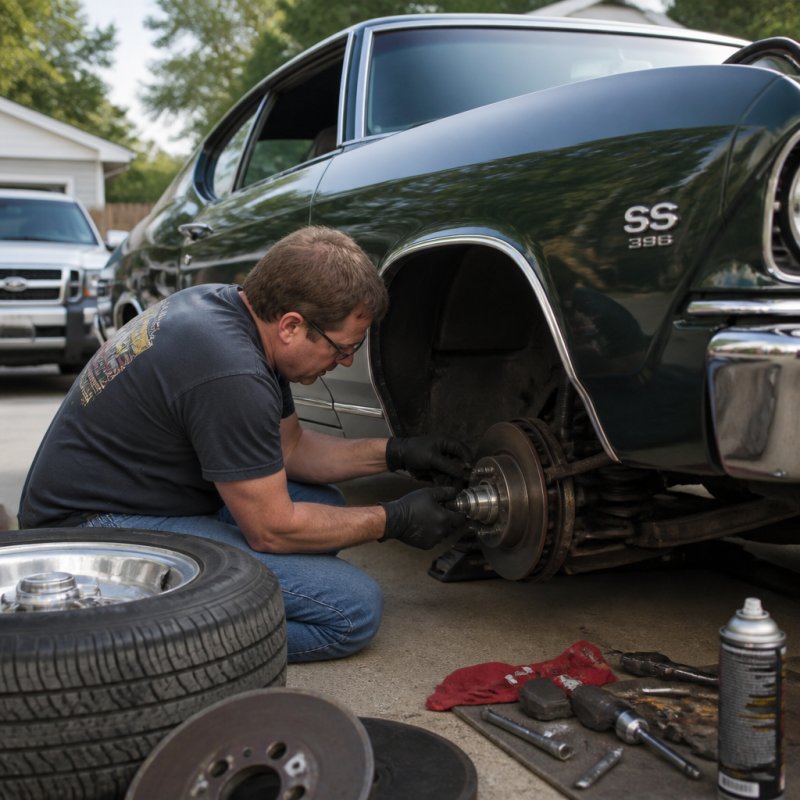
    Trusted Auto Maintenance and Brake Services in Thornhill

    For residents in Thornhill, Ontario, Hirji Auto Repairs is your go-to family-owned auto shop for comprehensive vehicle care. Whether you need basic maintenance, wheel alignment, or a tune-up, our team is dedicated to providing fast and reliable service. Specializing in brake service, we also offer new brakes and new tires to ensure your vehicle is safe and road-ready. Our experienced technicians deliver quality work with a quick turnaround, making us the preferred choice for local drivers. Visit us at 60 Green Lane, Unit #2, Thornhill, or call 905-886-4404 to schedule your appointment today.
    Navigate Your Car Repair Options for Safety and Savings

    When your car starts acting up, figuring out how to get it fixed can feel overwhelming. Do you roll up your sleeves and try to fix it yourself, call a mobile mechanic to come to you, or haul it into a traditional repair shop? Each option has its own advantages and pitfalls, and choosing the right one depends on the repair’s complexity, your skills, and what’s most important—cost, safety, or convenience. Making an informed decision can save you money, time, and even keep you and your passengers safe on the road.

    Starting with DIY repairs might seem tempting, especially if you’re looking to cut costs or enjoy working on your car. Tasks like changing oil, swapping out filters, or replacing windshield wipers are often manageable for many drivers with just basic tools and a bit of patience. These jobs can be done in your driveway, giving you a sense of accomplishment and control over your vehicle’s maintenance. Plus, avoiding shop labor fees means more money stays in your pocket, and you get to learn a little more about how your car works.

    However, not every repair is suitable for DIY. Modern vehicles are highly sophisticated, packed with electronics, sensors, and complex systems that can trip up even experienced enthusiasts. Underestimating the difficulty of certain repairs can lead to mistakes that threaten safety or cause additional damage. For example, working on the transmission or electrical wiring often requires specialized tools and knowledge that go beyond basic DIY skills. Knowing when to stop and call in a professional is key to avoiding costly errors.

    That’s where mobile mechanics come into the picture. They bring their tools directly to your location—whether it’s your driveway, parking lot, or workplace—and handle many common repairs on the spot. This service offers a convenient middle ground, blending the affordability of DIY with the expertise of a shop. Mobile mechanics are ideal for routine jobs like replacing a dead battery, fixing brakes, or performing diagnostic checks. Watching the work unfold and asking questions can also give you a better understanding of your vehicle’s needs.

    Despite their convenience, mobile mechanics have limitations. They can’t always handle repairs that require heavy lifting, specialized diagnostic equipment, or complex systems. For issues involving engine rebuilds, transmission work, or alignment, a full-service garage with advanced tools and trained technicians is usually the better option. These shops can address multiple problems at once, often providing warranties on parts and labor that add a layer of reassurance.

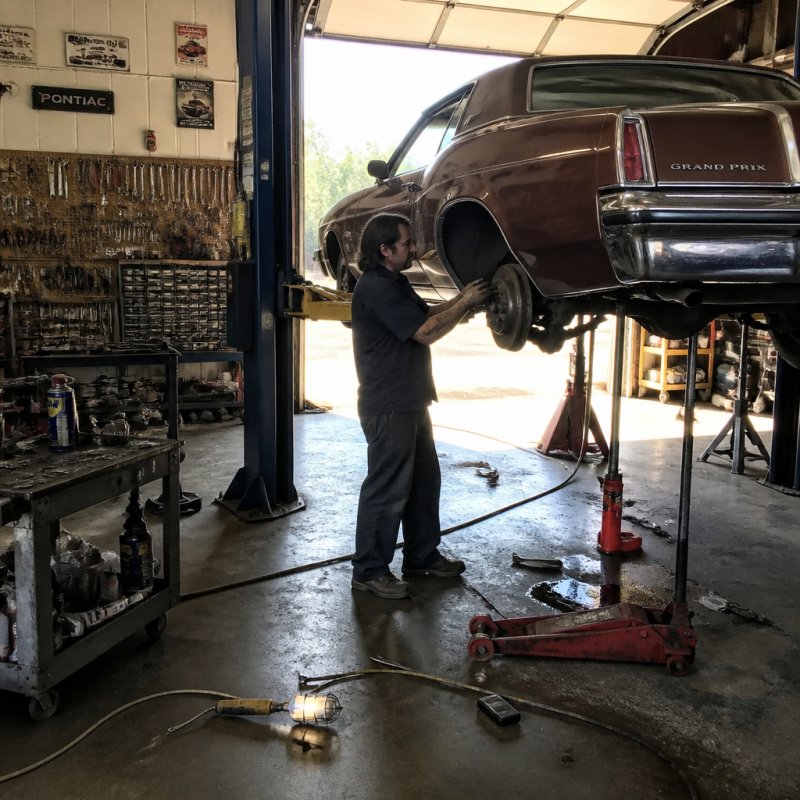
    For complex repairs—especially those involving safety-critical systems or needing specialized equipment—the traditional auto repair shop remains the best choice. These facilities have lifts, diagnostic scanners, and a team of experts who understand the intricacies of modern vehicles. They’re equipped to handle everything from engine overhauls to transmission repairs, often with a focus on safety and precision. While this option can be more expensive and requires scheduling, it ensures that critical issues are addressed correctly and reliably.

    Choosing between these options isn’t just about price; it’s about matching the right approach to the job at hand. Simple, low-risk maintenance tasks like changing oil or replacing filters are perfect for DIY. For jobs that require a little more convenience and expertise, a mobile mechanic can be a smart choice. When the repair involves complex electronics, safety-critical parts, or heavy equipment, trusting a reputable garage is the safest move.

    Being honest about your skills, available tools, and the repair’s complexity is essential. Recognizing when a job exceeds your expertise prevents mistakes that could compromise safety or lead to costly damage. Sometimes, a quick diagnostic check or a simple replacement is all you need to handle yourself, but more involved repairs are best left to the professionals. When in doubt, consulting online guides or videos can help, but don’t hesitate to get expert help when necessary.

    In the end, the key is to weigh safety, cost, and convenience. Knowing when to DIY, call a mobile mechanic, or visit a garage helps you keep your vehicle reliable and safe without unnecessary expense or risk. Making the right choice for each repair keeps your car running smoothly and gives you confidence behind the wheel.

    Transform Knowledge Into Smarter Vehicle Repair Decisions

    Applying your car repair knowledge means turning what you’ve learned into smart, practical decisions about how to handle your vehicle’s maintenance. Before diving into any repair, take a moment to assess the job’s complexity and safety implications. Ask yourself: Is this something straightforward like replacing a fuse or windshield wipers, or does it involve working near fuel lines or airbags? Recognizing these differences helps you avoid risky situations and prevents small issues from turning into costly mistakes.

    Evaluating each repair’s scope is crucial. Look for clues—are the parts easily accessible, or do they require removing other components? Does the repair need heavy lifting or specialized diagnostic tools? If it’s a job like changing the oil or swapping out a battery, chances are you can handle it safely and efficiently. But if you’re dealing with complex systems such as the transmission or electrical wiring, it’s often best to leave those to professionals. Knowing your limits saves you time, money, and potential safety hazards.

    Research is your ally in making informed decisions. Watching instructional videos, reading manuals, or browsing trusted online guides can clarify the steps involved. Seeing a repair done by someone else not only demystifies the process but also highlights common pitfalls—like missing torque specifications or overlooking safety precautions—that could trip you up. The more familiar you are with the procedure, the better equipped you are to judge whether you should proceed or call in a professional.

    Be honest about your skills and available tools. Many repairs require specific equipment—like a lift, diagnostic scanner, or pressurized systems—that you might not own or know how to operate safely. Attempting a job without the proper gear can lead to mistakes that compromise safety or cause additional damage. Sometimes, even a seemingly simple task can become complicated if you realize midway that you lack a crucial part or tool. Recognizing these limitations early helps prevent accidents and saves you from unnecessary expenses.

    Finally, consider your time and convenience. If a repair is urgent—say, your brakes are squealing dangerously—you might opt for a professional, especially if you’re unsure of your abilities. On the other hand, if you have a spare afternoon and enjoy working on cars, DIY can be both satisfying and cost-effective. Weigh the effort involved against the potential benefits and risks. By honestly evaluating each situation, you ensure your repairs are safe, reliable, and appropriate to your skill level, making your overall approach to car maintenance smarter and more confident.


  • Empowering Children Through Cycling: A Journey of Growth and Independence

    Empowering Children Through Cycling: A Journey of Growth and Independence

    Learning to ride a bike is more than just acquiring a skill; it’s a profound journey of courage, independence, and family connection. While the thrill of mastery calls, the fear of falling often looms larger, challenging children to push past their anxieties. Historically celebrated as a rite of passage, cycling symbolizes progress and community, evolving through innovations like balance bikes and safety gear that make the process safer and more accessible. Today, advances such as smart helmets, lightweight bikes, and virtual reality training are transforming how children learn, fostering confidence at every wobble and stumble. But can technology truly replace the supportive moments shared on quiet streets and family cheers? As infrastructure improves and new tools emerge, the future promises even greater opportunities for children to explore, grow, and conquer their fears—turning cycling into a lifelong adventure of resilience, joy, and discovery.

    The Emotional Journey of Learning to Ride: Courage, Family, and Independence

    Learning to ride a bike isn’t just about mastering a new skill; it’s a milestone that stays with us long after the first pedal turns. For children, it marks a leap toward independence, filled with a mix of excitement and nervousness. It’s a moment where wobbling, falling, and getting back up become part of the process, and each small victory builds confidence that lasts a lifetime. For families, those early rides become shared memories—stories of perseverance, support, and joy that strengthen bonds and create a sense of togetherness.

    This experience extends beyond physical coordination. It requires courage—facing the fear of falling and pushing through it. Kids naturally worry about losing balance or tumbling, making the idea of riding intimidating at first. But these fears are part of learning, and overcoming them teaches resilience. With patience and encouragement from loved ones, children learn that falling isn’t failure; it’s simply a step toward mastering something new. Every wobble and stumble becomes a building block on their journey to independence.

    Family involvement plays a crucial role in transforming this challenge into a celebration. Parents and siblings often stand on the sidelines, offering reassurance and applause. Whether holding the bike steady or cheering from a distance, their support helps turn a daunting task into a joyful achievement. These moments of shared effort and encouragement become lasting memories—proof that growth involves wobbling, falling, and rising again, all while feeling supported and loved.

    Learning to ride a bike also introduces children to a broader lesson: persistence pays off. The physical act of balancing and pedaling becomes a metaphor for overcoming obstacles in life. It teaches patience, the importance of practice, and the value of trying again after setbacks. These lessons help shape resilience and confidence that extend well beyond the driveway, planting the seeds for a lifelong love of exploration and adventure.

    Ultimately, learning to ride a bike is more than just a physical skill—it’s an emotional journey. It’s about courage, family bonds, and the thrill of overcoming fears. When families come together to support their children, they turn a simple act into a powerful rite of passage. It reminds us that growth involves falling and getting back up, and that each wobble on two wheels brings us closer to independence, joy, and the freedom to explore the world around us.

    Pedaling Through History: The Cultural Roots and Evolution of Bicycle Milestones

    Cycling’s roots stretch back to the early 19th century, when inventions like the laufmaschine and velocipede sparked a new interest in personal mobility. These early machines weren’t just about transportation; they symbolized a shift towards independence and progress that resonated across different societies. As bicycles evolved, so did their role as a rite of passage, marking a child’s transition from reliance on adults to self-reliance and exploration.

    Across cultures, learning to ride a bike has long been celebrated as more than just acquiring a new skill. It often became a communal event, representing maturity, freedom, and social connection. In many neighborhoods, families gathered to watch children take their first wobbly pedals, turning these moments into shared milestones. Festivals, parades, and neighborhood rides reinforced cycling’s significance as a symbol of growing up and gaining independence.

    The development of bicycle technology further shaped how children learned to ride. The introduction of training wheels in the mid-20th century offered a sense of security, allowing kids to build confidence gradually. Later, balance bikes shifted the focus to developing core stability before pedaling, emphasizing safety and natural skill acquisition. These innovations reflect an understanding that children learn best through encouragement, patience, and incremental progress.

    Icons in media and popular culture elevated cycling’s status. Films, stories, and advertisements often portray bike riding as a symbol of adventure, rebellion, or self-discovery. Community events like bike parades and races foster social bonds and emphasize cycling as a universal childhood experience. These traditions helped embed biking into societal identity, making it a shared rite of passage that transcended generations.

    The invention of the safety bicycle in the late 19th century made cycling safer and more accessible for children, broadening its role as a developmental milestone. Organized rides and cycling clubs in the early 20th century turned biking into a social activity, strengthening community ties. The recent rise of balance bikes in the 2000s has continued this trend, promoting early confidence and balance before pedaling.

    Today, the story of cycling continues to evolve with innovations like lightweight, adjustable bikes and smart safety gear. Virtual reality training tools are emerging, allowing children to practice balance and coordination in virtual environments before hitting the streets. These advancements aim to make learning to ride safer, more engaging, and more accessible for every child.

    Throughout history, bicycles have symbolized progress, independence, and community. Their evolution reflects society’s ongoing efforts to make learning to ride safer, more inclusive, and more fun. As new generations take to two wheels, the core values of courage, support, and discovery remain central, ensuring cycling’s place as a timeless rite of passage in childhood.

    Today’s Bikes and Brains: How Modern Styles and Attitudes Shape Learning to Ride

    Today, learning to ride a bike has become more accessible and varied than ever before. Bikes designed for different ages, sizes, and skill levels help children build confidence gradually, making the process less intimidating. From simple balance bikes to beginner-friendly training wheels, these options enable kids to develop their skills at their own pace, fostering a sense of achievement early on. Society’s attitude toward cycling has shifted positively, increasingly recognizing it as a vital life skill that promotes independence, physical health, and outdoor enjoyment.

    The methods used to teach children how to ride have evolved significantly. Balance bikes, which focus solely on developing core balancing skills without pedals, help kids master stability before they move on to pedaling. Many parents and instructors find that children who start with balance bikes transition more smoothly to riding with pedals because they already understand how to maintain balance. Traditional training wheels remain popular too, providing a safety net that allows children to gain confidence gradually, especially in the early stages.

    Most children learn in familiar, safe environments that foster comfort and confidence. Parks, open spaces, and quiet neighborhood streets with flat surfaces are ideal for initial practice, giving kids room to wobble, fall, and get back up without feeling threatened. These settings help children experiment with independence at their own pace, reducing anxiety and making the experience enjoyable. Schools and community centers also offer supervised areas where kids can practice, reinforcing a sense of security while encouraging active participation.

    Safety gear remains a key part of today’s cycling culture. Helmets, knee pads, and elbow guards are widely accepted as essential to protect against falls and injuries. While some debate exists about over-reliance on protective equipment, most experts agree that appropriate gear helps build confidence and reduces fear during early attempts. Parents often balance safety and encouragement by ensuring their children wear gear without making them overly cautious, fostering resilience alongside safety.

    Technological advances are shaping how children learn to ride. Lightweight, adjustable bikes tailored for different ages and abilities make progress easier and more comfortable. Safety helmets equipped with sensors or smart features can monitor activity and alert parents about falls, adding an extra layer of reassurance. Virtual reality and augmented reality tools are emerging as innovative training aids, allowing children to practice balancing and coordination in virtual environments before stepping onto real streets.

    Community programs and online resources are expanding opportunities for families to learn and ride together. Local clubs, workshops, and educational apps provide tailored advice, fun challenges, and safety tips that motivate children to ride more often. These initiatives help foster a culture where cycling is seen not just as a skill but as a joyful, lifelong activity that promotes health, independence, and social connection.

    With improved infrastructure—such as dedicated bike lanes and traffic calming measures—safer outdoor spaces encourage children to explore cycling beyond the driveway. These developments make outdoor riding more accessible and less risky, supporting a shift toward active, outdoor lifestyles. As innovations continue and communities prioritize safety, learning to ride remains a rewarding milestone—evolving but always rooted in encouraging courage, independence, and family bonding.

    Turning Theory into Action: Practical Steps to Teach Children How to Ride and Overcome Fears

    Teaching a child to ride a bike involves turning broad ideas into clear, manageable steps. Start by choosing a safe, open space like a park or quiet street where your child can practice without distractions or traffic. Make sure the bike fits their size and strength to help them feel comfortable from the beginning. Let them sit on the bike, walk with it, and get used to its weight before encouraging them to pedal. This familiarity builds confidence and sets a positive tone for the learning process.

    Once your child feels comfortable, focus on developing their balance. Balance bikes are perfect for this—they allow kids to glide and stabilize without pedals. If they’re using a traditional bike, support them gently at first by holding the seat or handlebars, then gradually reduce your assistance as they improve. Celebrate small successes, like riding a few meters or maintaining balance for a few seconds, to reinforce their progress and keep motivation high.

    When they’re ready to add pedaling, support them again by holding their waist or the seat, guiding their feet to push off and find a steady rhythm. Patience is key—awkward moments and falls are part of the process. As confidence grows, slowly let go of your support, encouraging them to try riding solo. If they fall or wobble, reassure them that falling is normal and part of learning something new. Support from family makes a big difference; cheer from the sidelines, offer gentle guidance, and celebrate even tiny improvements.

    Create a supportive environment where mistakes are seen as part of growth. Use safety gear like helmets and pads to boost confidence and reduce fear of injury. Emphasize that wearing safety equipment is about protection, not coddling, and that taking small risks is part of becoming a confident rider. Sharing stories of other kids who fell and got back up can help your child see setbacks as normal. Praise effort over perfection to foster resilience and a positive mindset.

    Practice in familiar, safe spaces like parks or quiet streets, where your child can wobble and fall without feeling threatened. These environments encourage independence and experimentation, helping build trust in their abilities. As they gain confidence, gradually introduce more challenging terrains and scenarios, always remaining attentive to their comfort level. The goal is to make learning to ride a fun, encouraging adventure rather than a stressful test.

    Support and patience turn initial fears into stepping stones toward independence. Celebrate every small victory, from a few seconds of balance to a short ride across the driveway. These moments lay the foundation for a lifelong love of cycling and exploration. By guiding your child with encouragement and understanding, you help transform fear into confidence, making the journey to riding a bike not just a skill learned but a shared experience of growth and trust.

    Riding into the Future: Innovations and Trends Transforming Childhood Cycling

    Looking ahead, the future of learning to ride bikes promises to be more innovative and inclusive than ever before. Technological advancements are set to transform how children experience cycling, with smart helmets and sensors becoming common safety gear. These devices can monitor speed, detect falls, and instantly alert parents, making supervision more effective and easing worries about safety. As a result, more kids will feel confident to try riding, knowing they’re protected by emerging tech.

    Bike design itself is evolving rapidly. Lightweight, adjustable models tailored for different ages and abilities will make progress easier and more comfortable. Features like intuitive brakes, ergonomic grips, and customizable fittings will help young riders develop their skills smoothly. This focus on adaptability could shorten the learning curve and boost confidence early on, encouraging a lifelong love of cycling as a fun and safe activity.

    Virtual reality and augmented reality are beginning to influence how children learn to ride. These immersive tools allow kids to practice balancing and coordination in virtual environments, simulating various terrains and scenarios. Such technology can help reduce fears about unfamiliar settings, making the transition from practice to real-world riding more seamless and less intimidating. As VR and AR become more affordable, they could revolutionize early bike education, making skill-building engaging and risk-free.

    Community programs and online resources will also play a bigger role in shaping future cycling habits. Local clubs, workshops, and educational apps offer tailored advice, fun challenges, and safety tips that motivate children to ride more often. These platforms foster a culture where cycling is not only a skill but a joyful activity that promotes health, independence, and social bonds, helping to embed lifelong habits.

    Infrastructure improvements like dedicated bike lanes and traffic-calming measures are making outdoor spaces safer for kids. These changes encourage families to explore cycling beyond the driveway, fostering outdoor activity and independence. As cities prioritize child-friendly cycling environments, more children will have the opportunity to experience the freedom and joy that comes with riding, turning it into a natural part of everyday life.

    With ongoing innovations and community support, learning to ride will continue to evolve into a safer, more accessible, and more enjoyable milestone. The focus will remain on fostering courage, resilience, and family bonding through every pedal stroke. As technology and infrastructure advance, children will find new ways to explore and grow on two wheels, ensuring that cycling remains a vital part of childhood development for generations to come.

  • Joan of Arc’s Timeless Legacy of Faith and Fearless Leadership

    Joan of Arc’s extraordinary journey from humble peasant girl to revered leader challenges long-held beliefs about gender, faith, and authority. Her unwavering conviction, fueled by divine visions, propelled her to lead armies and reshape societal norms—defying the expectations of her time. But what secrets lie behind her remarkable rise and tragic fall? Her story is a captivating blend of spiritual purpose and moral courage that continues to inspire debates about leadership rooted in faith and purpose. Joan’s daring actions dismantled stereotypes, inspiring generations of women to pursue influence beyond traditional roles and highlighting how divine guidance can legitimize powerful change. Her legacy persists as a symbol of resilience, rebellion, and moral clarity, prompting us to question how much faith and conviction shape societal progress. In a world still grappling with inequality, Joan’s life remains a testament to the transformative power of unwavering belief—challenging us to lead with purpose and integrity.

    Joan of Arc’s Inspirational Leadership: Faith, Courage, and Societal Transformation

    Joan of Arc’s story is one that continues to inspire and challenge our understanding of leadership, faith, and gender roles. Rising from humble beginnings as a peasant girl, she defied the expectations of her time by leading armies into battle and shaping history in ways few could imagine. Her unwavering belief in divine guidance and her extraordinary courage helped her break through societal barriers, proving that conviction and purpose can transcend gender and social status.

    What makes Joan’s leadership so compelling is how seamlessly she combined her deep spiritual faith with strategic brilliance. Her visions and voices from saints weren’t just personal beliefs—they were seen as divine instructions that gave her the confidence to challenge authority and rally troops. Her authenticity and unwavering focus on her divine mission inspired loyalty, making her a symbol of moral purpose driven by higher belief.

    Her influence extended far beyond military victories. By leading dressed in armor, riding at the front of armies, and making bold decisions in the heat of battle, Joan challenged deeply rooted gender stereotypes. Her actions demonstrated that strength and authority are not limited by gender, opening doors for future generations of women to pursue roles in leadership, politics, and activism. She reshaped perceptions of what women can achieve when driven by purpose and faith.

    Joan’s impact also redefined how faith and divine authority are perceived in society. Her steadfast trust in her visions validated her leadership and inspired others to see spiritual conviction as a powerful force for societal change. Her story underscores the idea that faith can serve as a unifying and motivating force, inspiring nations to pursue justice and moral integrity even amid adversity.

    Today, Joan of Arc remains a powerful symbol of resilience and rebellion against societal constraints. Her life encourages us to consider how unwavering belief, moral purpose, and faith can drive meaningful change. Her legacy reminds us that leadership rooted in conviction can not only rewrite history but also inspire future generations to challenge norms and pursue a more just and equitable world.

    The Turbulent World of 15th-Century France: Context for a Divine Calling

    In 15th-century France, the landscape was one of chaos and upheaval, shaped heavily by the protracted Hundred Years’ War between England and France. This conflict tore through towns and countryside alike, leaving a fractured nation struggling to find stability. Loyalties shifted rapidly, and the very idea of national identity was in flux, creating an environment of uncertainty and vulnerability. Amidst this turbulence, many saw divine intervention as a possible turning point—a beacon of hope that could sway the tide of history in favor of the French.

    Religion played a central role in everyday life, with the Catholic Church wielding immense influence over politics and social norms. People believed that divine forces directly impacted worldly affairs, and religious figures were seen as messengers of God’s will. This spiritual framework made divine approval critical for authority and leadership, setting the stage for Joan of Arc’s visions and voices to resonate deeply within society. Her claims of divine guidance were not only believable but also compelling in a world where faith was intertwined with governance and moral authority.

    Society itself was rigidly patriarchal, with women expected to focus solely on domestic duties and family life. Leadership in politics or the military was almost exclusively male territory, and women’s influence outside the home was minimal, often dismissed outright. Joan’s rise defied these norms—dressing in armor, leading troops into battle, and making strategic decisions—challenging the deeply ingrained stereotypes about gender and power. Her example forced a reevaluation of what women could achieve when driven by faith and a sense of divine purpose.

    Her early life in the small village of Domrémy was steeped in religious tradition. Growing up as a peasant girl, Joan was immersed in Catholic practices and stories from childhood. Her reported visions and voices from saints became the foundation of her divine mission, fueling her desire to serve her country and fulfill what she believed was a sacred calling. Her faith was not private but a driving force that propelled her into the political and military arena, where she challenged societal expectations with unwavering conviction.

    Set against this backdrop of chaos and divine belief, Joan’s rise was both remarkable and perilous. Her visions provided a moral compass and a sense of divine legitimacy that inspired her to rally troops and challenge the political status quo. Yet, her influence made her a target, and her eventual capture and trial reflected the dangers faced by those who dared to defy societal and religious norms. Her story is a testament to how intertwined faith, politics, and societal upheaval were in shaping her extraordinary life and lasting legacy.

    Divine Visions and Moral Courage: The Making of a Visionary Hero

    Joan of Arc’s leadership was rooted in her unwavering faith and the divine guidance she believed she received. She didn’t just claim to hear voices; she trusted them wholeheartedly, viewing these messages from saints as direct instructions from God. This profound conviction gave her a confidence that transcended ordinary leadership, positioning her as a vessel of divine will. Her authenticity and relentless focus on her sacred mission inspired those around her, fostering loyalty rooted in shared purpose and moral clarity.

    What set Joan apart was how her faith fueled every decision and action. She believed her visions weren’t mere personal experiences but divine commands urging her to save France and restore its monarchy. This unshakable belief empowered her to face the battlefield with boldness, even when the odds were stacked against her. Her certainty in divine support made her decisions daring and unpredictable, often catching enemies off guard and rallying her troops with a sense of higher righteousness.

    Joan’s influence grew from her genuine authenticity and her unwavering focus on her divine purpose. Her leadership carried a moral clarity that went beyond societal expectations, inspiring loyalty through her conviction that she was fulfilling a sacred duty. Her speeches and actions reflected this sense of divine calling, elevating her to a status that felt almost otherworldly. She was not just a military leader but a moral and spiritual symbol, elevating her authority beyond the confines of gender or social standing.

    On the battlefield, her boldness was extraordinary. Dressed in armor and riding at the front, she made strategic decisions that challenged traditional military norms. She questioned seasoned generals and insisted that her visions guide her every move. Her firm belief in divine backing gave her the strength to take risks others wouldn’t dare, often turning the tide of battle and inspiring her troops to fight with renewed vigor. Her leadership demonstrated that faith could be a strategic advantage as much as a spiritual comfort.

    Her visions and voices shaped her entire leadership style, making her a unique and compelling figure. She saw herself as a divine instrument, which allowed her to challenge societal and gender norms of her time. Leading in armor, riding into combat, and commanding troops—these actions defied expectations for women and redefined what leadership could look like. Her divine conviction transformed her into a symbol of moral authority, inspiring others to see inner strength and purpose as the true sources of leadership.

    Even in moments of doubt and danger, her faith remained unshaken. Her unwavering belief that divine support was always with her kept her resilient through imprisonment and her trial. Her steadfast conviction turned her into a hero of moral courage, a figure who believed her cause was righteous and just. Joan’s leadership, driven by divine insight and fierce belief, continues to inspire the idea that true strength comes from conviction and faith—elements capable of elevating anyone to the status of a visionary hero.

    Shattering Norms: Joan’s Impact on Gender, Faith, and Rebellion

    Joan of Arc’s leadership did more than turn the tide of battles; it fundamentally challenged societal perceptions of gender, faith, and rebellion. By stepping into roles traditionally reserved for men—leading armies, making strategic decisions, and inspiring loyalty—she shattered deep-rooted stereotypes about what women could achieve. Her actions demonstrated that strength and authority are not confined by gender, paving the way for future generations of women to pursue influence in politics, military, and activism.

    Her unwavering faith and divine visions played a pivotal role in this societal shift. Joan’s conviction that she was guided by divine voices lent her authority a spiritual legitimacy that transcended the norms of her time. Her example proved that spiritual authority could serve as a powerful foundation for leadership, encouraging others to see faith not just as a private matter but as a driving force for societal change.

    Joan’s rebellion against societal constraints also ignited a broader sense of moral courage. Her willingness to challenge the status quo, speak out against corruption, and lead with unwavering purpose inspired others to stand up for their beliefs—often at great personal risk. Her life became a symbol of resistance, illustrating that true rebellion begins with moral conviction and the courage to act on higher principles.

    Her influence extended well beyond her lifetime, sparking ongoing debates about gender roles that resonate today. Her daring actions demonstrated that leadership and heroism are accessible to women when fueled by purpose and deep belief. Over time, her story has inspired countless women to pursue careers in politics, the military, and social activism, challenging the stereotypes that once limited their potential.

    Simultaneously, Joan’s example reinforced the idea that divine guidance could legitimize authority and challenge secular power. Her unwavering trust in her visions helped blur the lines between religious and political spheres, encouraging a view of faith as a legitimate and vital source of power. This legacy continues to shape how faith and leadership intersect, inspiring movements that leverage spiritual conviction for societal progress.

    Her life also exemplifies that rebellion isn’t just about defiance; it’s about advocating for higher principles. Joan’s readiness to confront injustice and challenge authority with conviction shows that lasting change often begins with unwavering dedication to moral and spiritual truths. Her example invites others to stand firm and act courageously when faced with societal resistance.

    Today, Joan’s impact persists in movements advocating for gender equality, religious freedom, and social justice. Her story remains a powerful reminder that leadership rooted in faith, purpose, and moral clarity can challenge entrenched systems and inspire durable change. Her legacy encourages individuals to trust their convictions and lead with integrity, knowing that true influence comes from unwavering belief and purpose.

    Legacy of Faith and Courage: How Joan Continues to Inspire Modern Leadership and Social Change

    Joan of Arc’s legacy continues to shape how we think about leadership, faith, and gender roles today. Her story remains a powerful reminder that unwavering conviction and moral purpose can drive meaningful change, even in the face of societal resistance. Modern leaders and activists often draw inspiration from her unshakeable belief in divine guidance, recognizing that staying true to core values fosters resilience and loyalty. Her example encourages us to trust our instincts, stand firm in adversity, and lead with a sense of higher purpose that transcends societal expectations.

    In today’s movements for gender equality, Joan’s daring break from traditional norms still resonates. Her leadership demonstrated that strength and authority are not confined by gender, inspiring women to challenge stereotypes and pursue influential roles in politics, the military, and activism. Her actions serve as a blueprint for empowerment, reminding us that authenticity and purpose are the real sources of influence. As more women step into positions of power, her legacy continues to validate the idea that gender should never define one’s capacity to lead.

    Her unwavering faith remains relevant as well. Joan’s trust in divine voices and visions exemplifies how spiritual belief can serve as a foundation for resilience and moral clarity. Today, her story encourages those of faith to see divine guidance as a source of strength when confronting societal or political pressures. Her life suggests that genuine spiritual conviction can unite communities and mobilize collective action toward justice and integrity, even amid chaos and doubt.

    Joan’s example of rebellion against societal constraints offers a timeless model for activism and moral courage. Her readiness to challenge authority and stand for her beliefs shows that authentic leadership involves risk but also the potential for profound societal shifts. Her life inspires individuals to confront injustice, knowing that true change often begins with unwavering dedication to higher principles and moral truths.

    Looking ahead, Joan’s influence is poised to persist as a beacon for future generations committed to social justice, gender equality, and moral integrity. Her story demonstrates that leadership rooted in faith and purpose can challenge entrenched systems and inspire lasting change. Her example encourages us to find strength within ourselves, to lead with conviction, and to pursue justice with unwavering resolve.

    In a world still grappling with inequality and division, Joan of Arc’s example reminds us that individual acts of faith and courage can ripple outward, sparking broader societal transformation. Her life encourages us to embrace our convictions, challenge societal limits, and act with purpose. By doing so, we honor her memory and continue the journey toward a more equitable, morally driven future where leadership is defined by integrity, conviction, and the power of belief.

    Her legacy underscores that true influence comes from authenticity and commitment, not societal expectations or gender norms. As new leaders emerge, inspired by her example, the hope is that more will recognize that moral purpose and unwavering faith are the most potent tools for change. Joan’s story continues to inspire those who believe that lasting impact arises from inner strength and a firm sense of higher calling.

    Ultimately, her life remains a testament to the enduring power of conviction. It challenges each of us to lead with purpose, stay true to our values, and never underestimate the influence of steadfast belief. Joan of Arc’s legacy is not just a chapter of history but a living inspiration—an enduring reminder that brave, faith-driven leadership can redefine the world.

  • Essential Winter Tire Tips for Safer Cold-Weather Driving

    Essential Winter Tire Tips for Safer Cold-Weather Driving

    Are winter tires truly the game-changer for safe driving on icy, snow-covered roads, or is their importance overstated? This compelling exploration dives into the science behind winter tires, revealing how their specialized rubber compounds remain flexible in freezing temperatures, and their aggressive tread patterns bite into snow and ice more effectively. Extensive research confirms they significantly reduce braking distances and improve vehicle control, translating to safer winter commutes. Experts emphasize the crucial role of timely installation, proper maintenance, and technological innovations such as embedded sensors that enhance performance and durability. Yet, many drivers question their necessity in milder climates—leaving one to wonder: are winter tires an essential safety upgrade or just a seasonal luxury? The answer lies in understanding how these tires provide measurable safety benefits, ensuring confidence and control when winter roads are most treacherous. Investing in quality winter tires, paired with cautious driving, can make all the difference in winter safety.

    Essential Guide to Winter Tires: Safety Starts Here

    Winter tires are a vital part of staying safe on the road when temperatures drop and winter weather hits. Unlike summer or all-season tires, they’re specially designed to handle icy, snowy, and cold conditions. Their unique rubber compounds stay flexible even in freezing temperatures, helping maintain traction when regular tires tend to harden and lose grip. This flexibility allows winter tires to bite into snow and ice more effectively, giving drivers better control and shorter stopping distances.

    The design of winter tires goes beyond just the rubber. They feature deeper, more aggressive tread patterns with numerous biting edges that dig into snow and ice rather than slide over them. This design significantly improves traction, especially during acceleration, turning, or braking in winter conditions. As a result, drivers experience more confidence and stability, reducing the risk of slips or skids that are common on icy surfaces. Many safety studies confirm that vehicles equipped with winter tires can stop much faster on ice compared to those using all-season tires.

    Choosing the right winter tires involves paying attention to specific standards. Look for tires marked with the snowflake symbol, which indicates they meet recognized winter performance criteria. Installing them before the first major freeze or snowstorm ensures you’re ready to handle icy roads as soon as they appear. Proper installation by a professional guarantees correct mounting and balance, which helps prevent uneven wear and maintains handling precision. Regular checks of tire pressure and tread depth also ensure your tires deliver optimal safety throughout the season.

    Maintaining winter tires properly can extend their lifespan and effectiveness. Keep them stored in a cool, dry place away from direct sunlight when not in use, and switch back to regular tires when winter conditions end to avoid unnecessary wear. Regular inspections for cuts, punctures, or uneven wear will help catch potential issues early. Proper inflation and rotation are key to ensuring consistent grip and control, especially in challenging winter conditions. These simple steps make a big difference in your safety and confidence on icy roads.

    Incorporating advanced technologies, such as embedded sensors and silica-enriched rubber, further boosts the performance of modern winter tires. These innovations improve durability and grip in extreme cold, while real-time monitoring helps drivers maintain optimal pressure and tread conditions. As winter tires continue to evolve, they become even more reliable and easier to care for, reinforcing their role as an essential safety feature. Investing in quality winter tires is a proactive move that can make your winter drives safer and less stressful, providing peace of mind on icy and snowy roads.

    Scientific Evidence Confirming the Power of Winter Tires

    Research consistently confirms that winter tires provide significant safety advantages in icy and snowy conditions. Numerous independent tests demonstrate that vehicles equipped with winter tires can brake substantially shorter distances on ice and snow compared to those using all-season or summer tires. In real-world driving, drivers report feeling more confident and in control when switching to winter tires, especially during sudden stops or sharp turns on slick surfaces. These practical benefits aren’t just numbers—they translate into tangible safety improvements that can prevent accidents.

    Experts in tire engineering emphasize that the key to winter tire performance lies in their specialized rubber compounds. Unlike standard tires, which harden and lose grip in freezing temperatures, winter tires remain pliable and flexible. This characteristic allows them to bite into ice and snow more effectively, resulting in shorter stopping distances and better steering response. Additionally, their deeper, more aggressive tread patterns with numerous biting edges create more contact points with icy surfaces, further enhancing traction and control.

    Real-world case studies support these findings. In regions with heavy winter weather, transportation agencies have observed accident rates drop significantly—sometimes by up to 50%—when vehicles use winter tires during the cold months. Drivers consistently note improved responsiveness, especially on packed snow and ice, where the enhanced grip prevents skidding and sliding. These improvements are consistent regardless of whether driving through urban streets or rural mountain passes, highlighting that winter tires perform reliably across diverse environments.

    Technological advances continue to improve winter tire safety and effectiveness. Rubber compounds enriched with silica deliver better grip in extreme cold, while embedded sensors for real-time pressure and tread monitoring ensure drivers maintain optimal performance throughout the season. These innovations make winter tires more durable and easier to care for, reinforcing their role as a vital safety feature. The scientific and practical evidence strongly supports the idea that winter tires are not just an accessory—they are essential for safer winter driving.

    While some skeptics question whether winter tires are necessary in milder climates, the overwhelming research and real-world data tell a different story. Vehicles fitted with winter tires consistently outperform those with all-season tires in terms of stopping distances, steering control, and stability on icy roads. For anyone facing regular winter conditions, the evidence makes it clear: investing in quality winter tires can make a real difference in safety and peace of mind when the weather turns cold.

    Practical Tips for Choosing, Using, and Caring for Winter Tires

    Choosing the right winter tires begins with understanding your specific driving needs and regional conditions. Look for tires marked with the snowflake symbol, which indicates they meet recognized winter performance standards. Installing them before the first major freeze or snowstorm ensures you’re prepared to handle icy roads as soon as winter arrives, rather than waiting until conditions worsen. Proper timing makes a real difference in safety, giving your tires the best chance to perform when it matters most.

    Professional installation is key to maximizing your winter tires’ effectiveness. An experienced technician can ensure they are mounted correctly and balanced properly, preventing vibrations and uneven wear that could compromise handling. Correct mounting also promotes even tread wear and consistent grip. Once installed, regular checks of tire pressure are essential—cold weather causes air to contract, reducing pressure and diminishing traction. Maintaining the correct pressure keeps your tires performing optimally and extends their lifespan.

    Tread depth plays a pivotal role in winter safety. As snow and ice demand more biting edges, monitor tread wear closely. When tread depth drops below around 4/32 inch, it’s time to replace the tires. Worn tires lose their ability to grip icy surfaces, increasing the risk of slipping. Rotating your tires periodically helps distribute wear evenly, preserving traction and handling throughout the season. Proper storage when not in use also matters—store tires in a cool, dry place away from direct sunlight to prevent deterioration and ensure they’re ready for the next winter.

    Regular inspections are crucial to catch issues early. Look for cuts, punctures, or uneven tread wear that could compromise safety. Addressing these problems promptly prevents surprises on icy roads. Maintaining proper inflation and avoiding abrupt maneuvers, like sudden stops or sharp turns, enhance the safety benefits of your winter tires. Developing cautious driving habits alongside diligent maintenance creates a safer driving experience in winter conditions.

    Technological advancements continue to improve winter tire performance. Embedded sensors monitor pressure and tread wear in real time, alerting drivers to potential issues before they become dangerous. Rubber compounds enriched with silica deliver better grip in extreme cold, even in slushy or icy conditions. These innovations make winter tires more durable, easier to care for, and more reliable throughout the season, reinforcing their role as a vital safety feature.

    By combining careful selection, professional installation, regular maintenance, and mindful driving, you ensure your winter tires deliver maximum safety and control. Proper care not only extends their lifespan but also guarantees they perform at their best when roads are most treacherous. Staying proactive about tire health and embracing technological improvements can significantly reduce winter driving risks, helping you navigate icy and snowy roads with confidence.

    Expert Insights: Why Winter Tires Are a Critical Safety Tool

    Automotive safety experts and tire engineers agree that winter tires are a crucial safety feature for driving in cold, icy conditions. Their consensus is based on decades of research and practical experience showing that these tires provide significant advantages over all-season or summer tires when winter weather hits. The key lies in their specialized rubber compounds and tread designs, which are scientifically proven to improve grip on icy and snowy surfaces.

    Tire engineers emphasize that the softer rubber used in winter tires remains flexible at low temperatures, unlike standard tires that tend to harden and lose traction. This flexibility allows winter tires to bite into ice and snow more effectively, leading to shorter stopping distances and more responsive steering. Their deeper, more aggressive tread patterns with numerous biting edges further enhance grip by creating more contact points with icy surfaces, making driving safer and more predictable.

    Safety professionals highlight the importance of proper timing and installation. Installing winter tires before the first major cold snap or snowstorm ensures they perform at their best when icy conditions arrive. Professional mounting guarantees correct balancing, which prevents vibrations and uneven wear that could affect handling. Regularly checking tire pressure and tread depth is equally vital, as cold weather causes air to contract and pressure to drop, reducing grip and safety.

    Recent technological advancements have strengthened the safety credentials of winter tires. Rubber compounds enriched with silica improve grip in extreme cold, while embedded sensors for real-time pressure and tread monitoring help drivers maintain optimal performance throughout the season. These innovations make winter tires more durable, easier to care for, and more reliable, reinforcing their role as a vital safety asset.

    While some critics argue that winter tires may be unnecessary in milder climates, the overwhelming body of evidence from scientific studies and real-world testing supports their effectiveness. Vehicles equipped with winter tires consistently demonstrate shorter braking distances, better control, and reduced accident rates on icy roads. For drivers in regions with regular winter weather, these tires aren’t just an upgrade—they’re a proven safety necessity.

    Ultimately, expert insights make it clear that winter tires are more than just seasonal accessories. Their design, rooted in science and decades of testing, delivers real safety benefits. When used correctly—installed timely, maintained properly, and paired with cautious driving—they significantly improve vehicle control and reduce the risk of winter crashes. Choosing winter tires is a straightforward way to prioritize safety and confidence during the coldest months.

    Final Verdict: How Winter Tires Boost Your Safety on Icy Roads

    Winter tires are a proven safety upgrade for navigating icy and snowy roads. The extensive research and real-world testing consistently show that they significantly reduce braking distances, improve traction, and give drivers better control in slippery conditions. This translates into shorter stops, more confident turns, and greater stability when the surface beneath you is treacherous, making winter tires an essential part of cold-weather driving.

    Their advantages go beyond numbers. Scientific studies and practical experiences confirm that vehicles equipped with winter tires perform noticeably better in winter conditions. The specialized rubber compounds stay pliable in freezing temperatures, allowing the tires to bite into ice and snow more effectively. Deeper tread patterns with biting edges further enhance grip, reducing the risk of slips and skids that often cause accidents during winter months.

    Installing winter tires before the first major freeze or snowstorm is key to maximizing their benefits. Proper mounting by professionals ensures correct balance and alignment, which help prevent uneven wear and maintain predictable handling. Regularly checking tire pressure and tread depth throughout the season keeps your tires performing at their best, preserving safety and control when it matters most.

    Maintaining your winter tires properly extends their lifespan and sustains their safety advantages. Proper storage, in a cool, dry place away from sunlight, prevents deterioration and preserves rubber flexibility for the next season. Replacing tires once tread depth drops below recommended levels guarantees continued grip on icy surfaces. Routine inspections for cuts, punctures, or uneven wear catch potential issues early, avoiding dangerous surprises on slippery roads.

    Technological innovations have made winter tires even more reliable. Embedded sensors monitor pressure and tread wear in real time, alerting drivers to maintenance needs before problems develop. Rubber compounds enriched with silica improve cold-weather grip, even in slush and ice. These advancements ensure winter tires deliver consistent performance, helping drivers stay safe and confident throughout the season.

    Some skeptics question whether winter tires are necessary in milder climates, but the evidence speaks for itself. Vehicles with winter tires consistently show shorter braking distances, better steering response, and fewer accidents on icy roads. For anyone facing regular winter conditions, investing in quality winter tires is a straightforward step that can make a significant difference in safety.

    Choosing, installing, and maintaining winter tires with care turns them into a powerful safety tool. When used correctly, they transform winter driving from risky to manageable, reducing the likelihood of slips and crashes. Paired with cautious driving habits, well-maintained winter tires provide peace of mind and a stronger shield against winter’s hazards.

    In the end, winter tires are more than just a seasonal accessory—they are a critical safety feature backed by science, testing, and technology. They ensure better grip, shorter stopping distances, and increased vehicle control when icy roads threaten safety. For those who face winter weather regularly, investing in quality winter tires isn’t just smart; it’s essential for safer, more confident driving through the coldest months.

  • Unlocking the Genetic Secrets Behind Human Intelligence

    Is our intelligence truly written in our DNA, or can we surpass genetic limits through effort? Recent advances in genetic research reveal that intelligence is a complex, polygenic trait influenced by hundreds, even thousands, of small-effect genes. These genetic factors underpin key aspects of brain development and cognitive function, with heritability estimates ranging from 50% to 80%. Yet, environment—education, nutrition, social opportunity—plays a crucial role in shaping whether our genetic potential is realized. As scientists uncover the intricate web connecting genes to intelligence, questions arise about how this knowledge can be ethically applied. Could tailored educational approaches or early interventions unlock hidden capacities? Or does emphasizing genetics risk deterministic thinking and societal inequality? The future of understanding human cognition lies in balancing genetic insights with environmental support, promising a more nuanced view of potential—one that recognizes both our biological blueprint and the extraordinary power of nurture.

    Unraveling the Genetic Blueprint of Intelligence

    Understanding how our genes influence intelligence is both fascinating and increasingly relevant. Over the past few decades, scientific advances have shed more light on the genetic factors that shape cognitive abilities like memory, reasoning, and problem-solving. Technologies such as genome-wide association studies (GWAS) now allow researchers to scan large populations for tiny genetic variations that correlate with differences in IQ and learning capacity. These findings suggest that genetics can explain a significant portion—estimates range from 50% to 80%—of the variation in intelligence among individuals. This doesn’t mean our genes determine everything, but it highlights their substantial role in shaping mental potential.

    The journey to understanding genetics and intelligence has evolved considerably. Early twin studies, comparing identical and fraternal twins, provided initial evidence that a large part of cognitive ability is inherited. As genetic research tools advanced, scientists moved from broad heritability estimates to identifying specific genetic markers associated with brain development and neural function. The completion of the Human Genome Project in the early 2000s opened new doors, enabling researchers to explore how many small-effect genes work together—what we now recognize as a polygenic trait—to influence intelligence. This shift from searching for a single “gene for genius” to understanding complex genetic interactions marks a major breakthrough.

    Genes influence key aspects of brain growth, connectivity, and neural efficiency—all of which are crucial components of intelligence. Variations in genes such as *FOXP2*, *BDNF*, and *NLGN* have been linked to language skills, learning ability, and neural plasticity. These genes help determine how our brains develop and function, affecting everything from memory to processing speed. While no single gene rules intelligence, the combined effect of many small genetic differences provides a biological foundation that influences how well we learn and adapt.

    Despite these advances, the science isn’t without limitations. Intelligence is a highly polygenic trait, meaning it results from the interplay of hundreds or thousands of genes, each with a tiny effect. Pinpointing exact genetic causes remains challenging because many genes interact in ways we don’t fully understand yet. Environmental factors like education, nutrition, and social opportunities also significantly shape how genetic potential is expressed. This means that even with a strong genetic predisposition, the environment can enhance or hinder cognitive development, adding complexity to the picture.

    Recognizing this intricate relationship between genes and environment helps us appreciate the biological roots of intelligence while understanding its malleability. Our DNA provides a blueprint, but life experiences and circumstances influence how much of that potential is realized. Ongoing research continues to uncover the nuanced ways in which genetics and environment work together, bringing us closer to understanding how to unlock human cognitive potential in meaningful ways.

    Foundations of Genetic Understanding and IQ Science

    Genetics form the core of many traits we inherit, including intelligence. Heritability measures how much of the differences in IQ among individuals can be traced back to genetic variation. Studies consistently estimate that between 50% and 80% of this variation is influenced by genetics, although this figure can fluctuate depending on the population and environment. These numbers highlight that, while environment plays a significant role, our DNA contributes substantially to our cognitive potential.

    Early research relied heavily on twin and family studies. Identical twins raised apart often show remarkably similar IQ scores, underscoring the strong genetic component of intelligence. Such findings suggest that genetics set a baseline for cognitive ability, which environment can then modify. As genetic technology advanced, scientists moved from broad heritability estimates to identifying specific genetic markers, allowing for a more detailed understanding of how genes shape our mental faculties.

    Genes are the basic units of heredity, containing instructions that influence brain development and neural processes. They regulate neural growth, connectivity, and synaptic efficiency—all crucial for learning and memory. The polygenic nature of intelligence means that hundreds or thousands of genes work together, each exerting a tiny effect. Variations in genes such as *FOXP2*, *BDNF*, and *NLGN* have been linked to language skills, neural plasticity, and cognitive processing speed, forming a complex genetic architecture underlying intelligence.

    The completion of the Human Genome Project marked a turning point, enabling researchers to explore how small genetic variations impact cognition. Genome-wide association studies (GWAS) now analyze millions of markers across large populations, revealing numerous variants associated with intelligence. These insights show that intelligence results from many small-effect genes rather than a few dominant ones, emphasizing its highly polygenic and intricate genetic basis.

    It’s also important to recognize that heritability isn’t fixed; it varies with environmental conditions. In enriched settings, genetic influences tend to manifest more fully, while in deprived environments, their impact can be suppressed. This dynamic underscores that genes provide a blueprint, but the environment determines how much of that potential is realized. The interaction between genes and environment makes understanding intelligence a nuanced and layered process.

    Overall, genetic research has transformed our understanding of intelligence from simplistic models to recognizing a complex web of genetic interactions. While progress has been substantial, pinpointing specific causes remains challenging due to the intricate interplay of many small-effect genes and environmental factors. This evolving understanding continues to shape how we view cognitive potential, emphasizing both the power and the limits of our genetic blueprint.

    Decoding the Evidence Behind Genetic Influence on Intelligence

    Recent research offers strong evidence that genetics significantly shape our intelligence. Large-scale genome-wide association studies (GWAS) analyze millions of genetic variants across thousands of individuals, repeatedly identifying numerous small-effect genes linked to cognitive abilities. These findings reinforce the idea that many genetic factors work together, each contributing a tiny influence, to shape traits like memory, reasoning, and learning capacity. Instead of finding a single “smart gene,” scientists now understand that hundreds, if not thousands, of genes collectively form a complex, polygenic network influencing intelligence.

    This polygenic perspective aligns with twin and family studies. Identical twins raised apart often have strikingly similar IQ scores, underscoring the strong genetic foundation of cognitive ability. Adoption studies further support this, showing that while environment impacts development, genetics set a baseline that persists despite different surroundings. These consistent patterns across diverse research methods strengthen the case that genetics play a major role in determining intelligence.

    However, pinpointing specific genetic causes remains a challenge. The human genome’s complexity means many genes interact in ways we don’t fully understand. Environmental factors like education, nutrition, and social context can amplify or diminish genetic potential, adding layers of nuance. This interplay suggests that genetics provide a blueprint, but the environment determines how much of that blueprint is realized. Small genetic differences can have significant effects when combined with supportive or restrictive circumstances.

    The statistical strength of current evidence is clear. Large GWAS involving hundreds of thousands of participants find consistent associations between genetic variants and IQ. These studies reveal that the cumulative effect of many small genetic differences can substantially influence cognitive performance. This shifts the view of intelligence from being driven by a handful of genes to a broad, intricate genetic architecture.

    Heritability estimates, often between 50% and 80%, highlight genetics as a major component. Yet, these figures are not fixed; they vary depending on environmental conditions. In enriched settings, genetic influences tend to express more fully, whereas in deprived environments, their impact may be muted. This dynamic underscores that genes influence potential, but environmental factors shape whether that potential is fully realized.

    While scientific understanding has advanced considerably, the complexity of gene interactions and environmental influences means we cannot yet identify specific causes with certainty. Nonetheless, ongoing research continues to deepen our insight into how our DNA shapes neural development, connectivity, and cognitive abilities. The evidence underscores that intelligence results from a highly interconnected, polygenic network, with environment playing a crucial modulatory role.

    Harnessing Genetic Insights for Education, Policy, and Personal Growth

    Understanding the genetic basis of intelligence opens new avenues for shaping education and personal growth. If we can identify specific genetic markers linked to cognitive strengths, educators could tailor learning approaches to better fit individual needs. For example, students with genetic predispositions for rapid processing might thrive with faster-paced lessons, while those with markers associated with memory retention could benefit from different study techniques. Personalizing education based on genetic insights holds the promise of unlocking each person’s full potential more effectively than one-size-fits-all methods.

    However, applying this knowledge requires caution. Simplifying complex traits like intelligence to genetic factors alone risks ignoring the profound influence of environment. There’s a danger of deterministic thinking that could lead to labels or biases, limiting opportunities rather than expanding them. Responsible use of genetic data means balancing scientific insights with ethical considerations—supporting growth rather than pigeonholing individuals or reinforcing stereotypes. Ensuring that genetic information enhances support systems without stigmatization is key to making this approach beneficial.

    Policy development must evolve alongside scientific advances. Creating clear guidelines for privacy, consent, and ethical use of genetic data is essential to prevent misuse, such as discrimination or unequal access. Protecting individual rights while fostering innovation requires transparency and public engagement. Policymakers should work to develop frameworks that promote fairness, ensuring genetic insights serve to bridge gaps in educational and health outcomes rather than deepen existing inequalities.

    In healthcare and early childhood programs, genetic testing can help identify children who might benefit from early interventions. Recognizing potential learning difficulties or cognitive delays early allows tailored support that can improve developmental outcomes. When combined with enriched environments—such as quality education, nutrition, and social stability—genetic insights can help create more inclusive and effective growth opportunities. This integrated approach emphasizes that genetics provide a foundation, but environmental factors shape the actual achievement.

    Ethical considerations remain central as the field progresses. The risk of reinforcing inequalities or creating “designer” traits underscores the need for robust safeguards. Respecting privacy, ensuring equitable access, and promoting social fairness should guide the responsible integration of genetics into education and development. Engaging diverse stakeholders—from scientists and educators to communities and policymakers—in ongoing dialogue helps foster responsible innovation. When approached thoughtfully, understanding our genetic blueprint can support a future where every individual’s potential is recognized and nurtured, regardless of their starting point.

    Charting the Future of Genetic Research in Human Cognition

    As research into the genetics of intelligence continues to advance, our understanding of how DNA influences cognitive potential grows clearer. We now see intelligence as the product of a vast, interconnected network of genes, each contributing a small piece to the overall puzzle. This polygenic architecture means pinpointing a single cause is unlikely; instead, it’s about recognizing how countless genetic factors interact with environmental influences to shape the wide range of human abilities.

    Large-scale studies, especially genome-wide association studies (GWAS), have been instrumental in uncovering the complexity underlying intelligence. These investigations reveal hundreds, sometimes thousands, of genetic variants associated with cognitive performance. Each of these small-effect genes influences core processes such as neural development, connectivity, and plasticity, which are fundamental to learning, reasoning, and memory. This shifts the view from simple genetic models to a nuanced understanding of a highly interconnected biological system.

    While these scientific strides are promising, they also highlight the limits of current technology. The intricate web of gene interactions makes it difficult to identify precise causes with certainty. Moreover, environmental factors such as education, nutrition, and social context continue to play a vital role in determining whether genetic potential is realized. This dynamic underscores that genetics set a foundation, but life experiences and circumstances determine how much of that potential is actualized.

    Looking ahead, the future of genetic research promises exciting innovations. Advances in whole-genome sequencing and potential gene editing tools could someday offer unprecedented insights into individual cognitive profiles. However, these developments come with ethical considerations—privacy, consent, and the risk of misuse. Responsible progress will require a balanced approach that prioritizes human rights and equitable access, ensuring genetic knowledge supports growth and opportunity for all.

    The integration of genetics with environmental understanding will become increasingly important. As we deepen our knowledge, it’s clear that intelligence isn’t fixed by DNA alone. Instead, it’s shaped through a continuous interaction of biology and experience. Future research will likely focus on how genetic predispositions can be nurtured or hindered by life circumstances, helping us develop strategies to maximize potential across diverse populations.

    Throughout this journey, maintaining ethical standards is essential. As we unlock more secrets within our DNA, safeguarding individual rights and promoting social fairness must remain central. Responsible use of genetic insights can foster inclusion and support personal development rather than deepen divides. By integrating scientific progress with moral responsibility, we can harness genetic knowledge to enhance human potential for everyone.

    Ultimately, these developments remind us of the extraordinary diversity and capacity inherent in each person. Understanding the genetic roots of intelligence is not about predetermination but about appreciating the complex interplay of nature and nurture. With thoughtful application, this knowledge can help create a future where every individual’s unique potential is recognized, cultivated, and celebrated. Progress in this field holds the promise of empowering us to unlock human talent in ways previously unimaginable, fostering a more inclusive and understanding world.