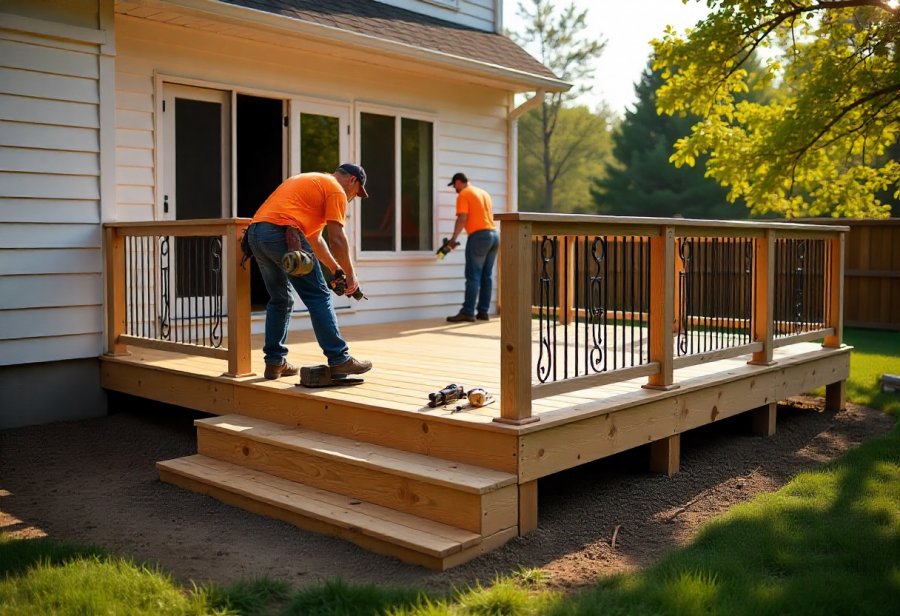
Category: Lifestyle

Home, beauty, and everyday living inspiration.

  • Transforming Urban Spaces with Permeable Pavers for Flood Resilience

    Transforming Urban Spaces with Permeable Pavers for Flood Resilience

    As urban areas grapple with increasing flooding from intense storms and unpredictable rainfall, permeable pavers emerge as a transformative solution. These eco-friendly surfaces mimic natural absorption, allowing rainwater to seep into the soil, reducing runoff, and easing the burden on stormwater systems. Beyond flood prevention, they support groundwater recharge and act as natural filters, improving water quality. But how can cities effectively integrate this innovation into existing infrastructure? From strategic installation to regular maintenance, permeable pavers require careful planning to maximize their durability and environmental benefits. Success stories from cities like Portland and California demonstrate their practicality across diverse settings. Looking ahead, advances in materials and technology promise even smarter, more resilient urban landscapes. Will permeable paving become the standard in sustainable city planning? Embracing this technology offers a crucial step toward safer, greener, and more adaptable communities in the face of climate change.
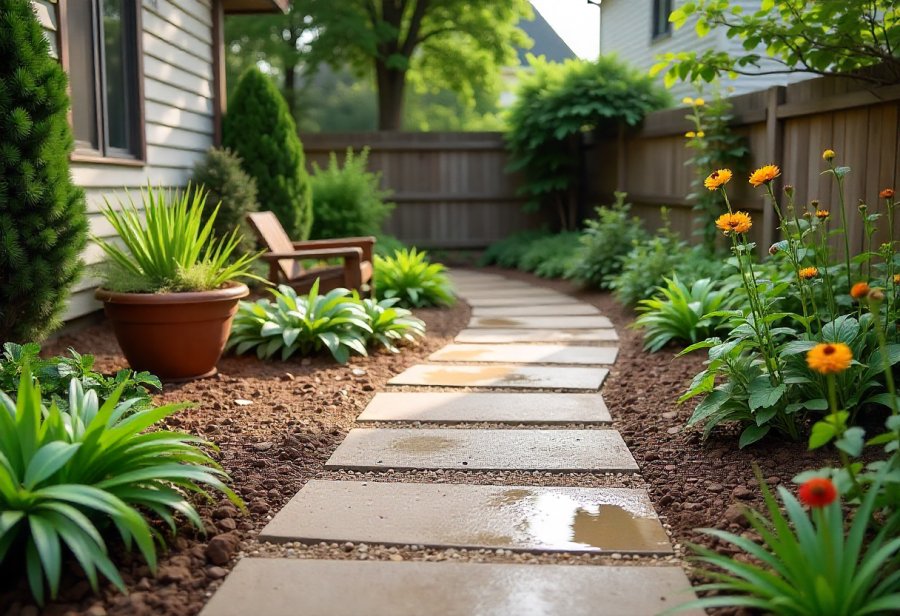
    Revolutionizing Urban Flood Control with Permeable Pavers

    Urban flooding has become an increasingly urgent challenge for cities worldwide, especially as climate change brings more intense storms and unpredictable rainfall patterns. Traditional surfaces like concrete and asphalt, while durable, are impermeable—preventing water from soaking into the ground. When heavy rains hit, water quickly pools on streets and sidewalks, overwhelming drainage systems and causing disruptive floods that threaten safety and daily life.

    This is where permeable pavers offer a game-changing solution. Designed to mimic natural soil absorption, these eco-friendly surfaces feature open cells or porous materials that allow rainwater to pass directly into the ground below. By promoting infiltration at the source, permeable pavers help reduce surface runoff, easing the burden on existing stormwater infrastructure and preventing water from pooling in urban areas.

    Beyond flood control, permeable pavers support groundwater recharge. As water moves through the porous surfaces and into the soil, it replenishes underground aquifers while also acting as a natural filter that traps pollutants like sediments, oils, and heavy metals. This process improves water quality and fosters healthier urban environments, making cities more resilient to water-related challenges.

    The benefits of permeable paving extend further. By decreasing runoff volume, these surfaces prevent erosion and waterlogging—issues often caused by traditional pavement. They also enhance urban aesthetics, with a variety of textures and colors that can transform dull streets and parking lots into inviting, green spaces. These appealing environments encourage outdoor activity and community gathering, blending functionality with visual appeal.

    As climate patterns grow more extreme, integrating permeable pavers into city planning becomes increasingly vital. They provide a practical, scalable way to manage heavy rainfall, mitigate flooding, and support groundwater health—all while contributing to sustainable urban development. Embracing this technology helps cities adapt proactively to climate change, building safer, greener, and more resilient communities.

    Unlocking the Power of Permeable Pavers: Key Benefits for Cities

    Permeable pavers offer a range of compelling benefits that make them an increasingly popular choice for urban water management. Chief among these is their ability to significantly reduce flooding risks. Unlike traditional surfaces like concrete and asphalt, permeable pavers allow rainwater to seep directly into the ground, preventing water from pooling on streets and sidewalks. This natural infiltration eases the burden on stormwater systems, helping cities handle heavy rainfall more effectively and keeping urban areas safer and more accessible after storms.

    Beyond flood mitigation, permeable pavers play a vital role in supporting groundwater recharge. As rainwater filters through the porous surface and into the soil, it replenishes underground aquifers, which are essential for maintaining water supplies in many regions. This process also acts as a natural filter, trapping pollutants such as sediments, oils, and heavy metals, which improves water quality and reduces pollution runoff. Together, these functions foster healthier urban ecosystems and contribute to long-term water sustainability.

    Reducing runoff volume is another key advantage. Traditional paving materials like concrete and asphalt are impermeable, causing rainwater to run off quickly and often overwhelm drainage systems. Permeable pavers, by contrast, absorb and slow down water at the surface, allowing it to infiltrate gradually. This not only lessens the chance of localized flooding but also minimizes erosion and waterlogging, common problems with conventional pavements. As a result, cities experience fewer flood-related disruptions and less damage to infrastructure.

    A deeper treatment of this topic appears in Don’t Risk Flood Damage—Install Permeable Pavements Now!, by Soren Long on Sit Tight Now.

    Permeable paving also enhances the visual and social appeal of urban spaces. Available in a variety of textures, colors, and patterns, these surfaces can transform dull, monotonous areas into vibrant, inviting environments. They encourage outdoor activities, community gatherings, and a stronger connection between residents and their surroundings. This aesthetic versatility makes permeable pavers a smart, sustainable upgrade that benefits both the environment and the quality of urban life.

    As climate change intensifies weather extremes, adopting permeable pavers becomes more critical than ever. They provide a scalable, adaptable solution that can be integrated into new developments or retrofitted into existing infrastructure. By managing stormwater closer to its source, these surfaces help cities become more resilient to unpredictable rainfall patterns and extreme storms. In doing so, they support broader efforts to create sustainable, water-conscious urban environments that are prepared for the challenges of the future.
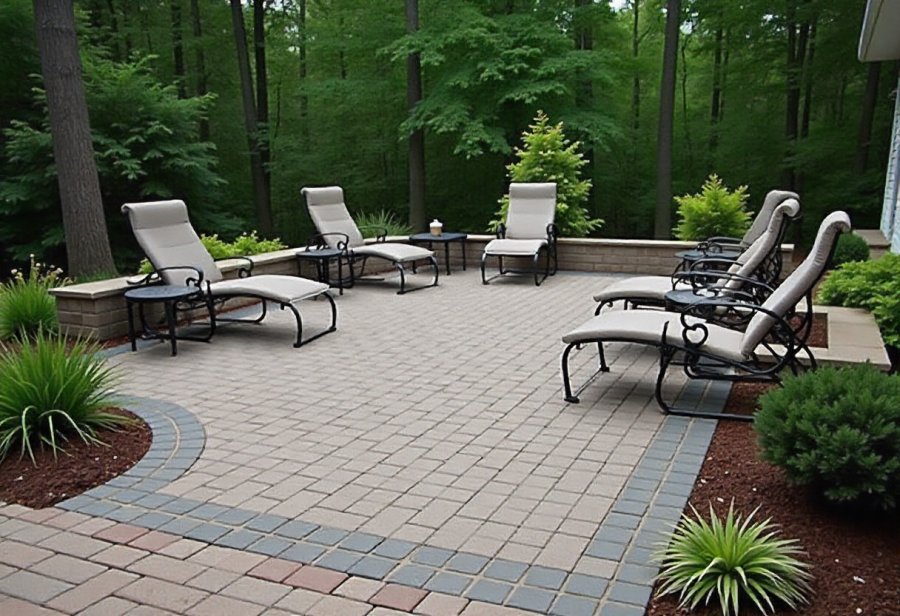
    From Concept to Reality: Successful Implementations of Permeable Paving

    Implementing permeable pavers in real-world settings demonstrates their versatility and practicality across diverse urban environments. From parking lots and walkways to public plazas and streetscapes, these surfaces have been successfully integrated to manage stormwater and reduce runoff. Many cities have incorporated permeable paving into redevelopment projects, transforming dull or concrete-heavy areas into vibrant, eco-friendly spaces that handle heavy rainfall more effectively. These projects highlight how, with proper planning and installation, permeable pavers can be both functional and visually appealing, revitalizing urban areas while improving water management.

    Different types of permeable pavers suit various needs. Interlocking concrete pavers are common due to their durability and fit, allowing water to pass through the joints. Pervious asphalt and concrete provide seamless surfaces that promote infiltration without sacrificing strength. Modular grid systems, often made from plastic or concrete, can be customized for driveways, parking lots, or walkways. Selecting the right system depends on soil conditions, expected traffic, and drainage requirements, ensuring long-term performance.

    Cities like Portland, Oregon, have led the way with permeable paving projects in downtown streets and parking zones. These initiatives not only reduced surface runoff during storms but also added aesthetic appeal through natural stone patterns. Site assessments and drainage planning played crucial roles in their success, ensuring water infiltrates efficiently. Similarly, a California university replaced traditional walkways with permeable surfaces, which improved stormwater management and supported campus greenery. These examples prove that, when installed correctly, permeable pavers deliver lasting environmental and community benefits.

    To see how this applies in practice, refer to Paul Price‘s article Implement Permeable Pavers Today for a Flood-Free Future! on Pentego.

    The installation process begins with a detailed site evaluation—assessing soil permeability and drainage capacity to confirm suitability. Once confirmed, clear the area of debris, weeds, or existing paving. A stable base layer of gravel or crushed stone is then laid and compacted to support the pavers and facilitate water flow. Edging is added to keep the pavers in place, maintaining the intended pattern and preventing erosion over time. Proper placement and joint filling with sand or gravel stabilize the surface and maximize permeability.

    Careful installation is crucial for long-term success. Ensuring the base is well-compacted and sloped correctly prevents water pooling and promotes effective drainage. Inadequate site assessment or improper materials can compromise permeability and durability, leading to issues like shifting or cracking. Attention to detail during installation guarantees rainwater infiltrates as designed, reducing flood risks and supporting groundwater recharge.

    Maintenance mainly involves regular cleaning and inspections. Sweeping removes leaves, dirt, and organic debris that could clog joints or pores, maintaining permeability. Pressure washing can dislodge stubborn dirt without damaging the surface. Periodic checks for shifting or settling allow for quick repairs, preserving the system’s integrity. Replenishing joint materials like sand or gravel ensures stability and unobstructed water flow, extending the lifespan of your permeable pavers.

    Overall, these practical applications and maintenance routines show that permeable pavers are a reliable, adaptable solution for urban water challenges. When installed with care and maintained properly, they effectively reduce flooding, filter pollutants, and enhance outdoor spaces. Their flexibility allows integration into various settings, making them a smart choice for sustainable city planning. Properly managed, permeable pavers stand as a durable, attractive part of resilient urban infrastructure.

    Practical Guide to Installing and Maintaining Permeable Paver Systems

    Installing permeable pavers starts with a thorough site assessment to ensure suitability. Check the soil’s permeability and drainage capacity, then clear the area of debris, weeds, or existing paving. A stable base is essential; typically, this involves laying a layer of gravel or crushed stone and compacting it firmly to support the pavers and facilitate water flow. Edging along the perimeter helps keep the pavers in place and maintains the intended pattern, preventing shifting and erosion over time. Precise placement during installation is key—each paver should fit tightly with its neighbors to maximize permeability and durability.

    Once laid, fill the joints with sand or fine gravel. This stabilizes the surface and enhances water infiltration, ensuring rainwater can easily pass into the ground. Proper joint filling also helps prevent weed growth and keeps the pavers aligned. After completing the installation, a gentle vibration with a plate compactor helps settle the pavers into the base, further stabilizing the surface and ensuring long-lasting performance. Attention to detail during this process ensures the system functions effectively and remains resilient under heavy use.

    Maintaining permeable pavers involves regular cleaning and inspection. Sweeping the surface regularly removes leaves, dirt, and organic debris that could clog the joints or pores, reducing permeability. When stubborn stains or dirt accumulate, pressure washing gently dislodges buildup without damaging the surface. Periodic inspections help identify early signs of shifting, settling, or cracking, allowing for quick repairs that prevent more significant issues down the line. Replenishing joint material, such as sand or gravel, keeps the surface stable and maintains optimal water flow.

    For additional context, read Hannah Green‘s article Transforming Cities with Permeable Pavers for Flood Resilience on Square Root of Two.

    Proper installation and ongoing upkeep are vital for the system’s longevity. Ensuring the base layer is well-compacted and correctly sloped prevents water pooling and promotes effective drainage. Skipping steps like thorough site assessment or using inappropriate materials can compromise permeability and durability, leading to problems like shifting or cracking. Consistent attention during installation guarantees rainwater infiltrates as intended, reducing flood risks and supporting groundwater recharge.

    Beyond routine cleaning, paying attention to drainage during heavy storms is crucial. Removing accumulated debris from joints and surface areas prevents clogging and ensures continuous water infiltration. In regions prone to weed growth, manual removal or weed control measures help keep the surface clear and unobstructed. These small, regular efforts preserve the permeability and structural integrity of your permeable paving system, extending its lifespan and maintaining its flood-mitigation benefits for years to come.

    Transform Your Toronto Property with Expert Landscape Solutions

    Looking to enhance your outdoor space in Toronto? Toronto Landscape & Design offers premier services including natural stone installations, water gardens, irrigation systems, and retaining walls. Our award-winning designers take everything into consideration to create beautiful, functional landscapes tailored to your needs. One key benefit of working with us is our ability to reduce backyard flooding, ensuring your outdoor space is both stunning and sustainable. Whether you’re aiming to improve drainage or add aesthetic appeal, our team is dedicated to delivering exceptional results. Contact us at https://TorontoLandscapeDesign.com or call 1.416.644.0499 to start transforming your outdoor environment today.
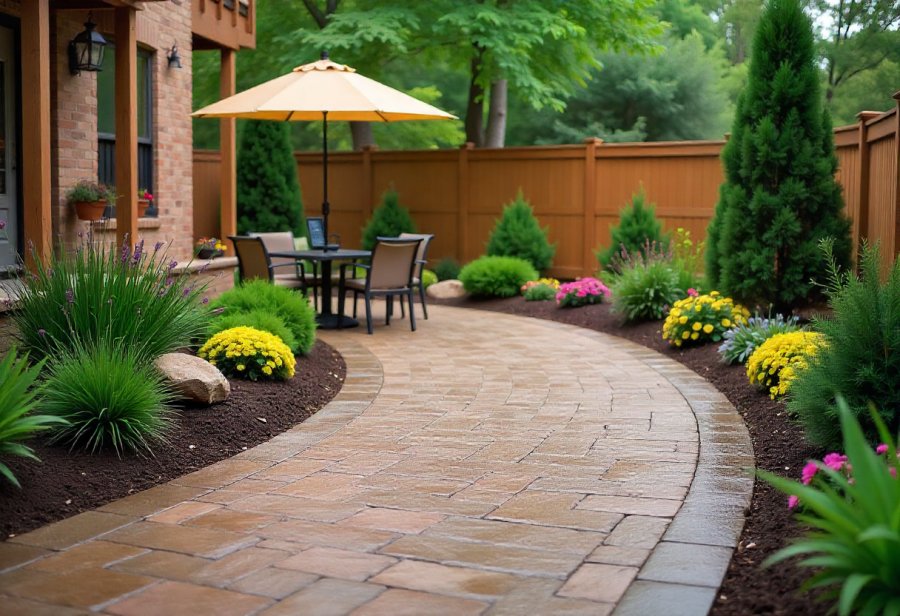
    The Future of Sustainable Cities: Innovations and Impact of Permeable Paving

    Looking ahead, permeable paving is poised to play a pivotal role in shaping more resilient and sustainable cities. Advances in materials science are paving the way for surfaces that are not only more durable and cost-effective but also seamlessly blend into diverse urban landscapes. These innovations will make permeable options accessible for a wider range of projects, from small residential driveways to large commercial developments, encouraging broader adoption.

    Technology will further enhance the functionality of permeable surfaces. Embedded sensors capable of monitoring water flow, infiltration rates, and system performance in real time will provide valuable data to city planners and maintenance teams. This smart infrastructure can identify blockages early, optimize water management, and reduce ongoing costs, ensuring these systems remain effective even as climate patterns grow more unpredictable.

    As climate resilience becomes a central focus of urban planning, permeable paving offers a practical solution to handle extreme weather events. Its ability to absorb and slow down heavy rainfall, recharge groundwater, and filter pollutants makes it an essential tool in adapting to increasing weather variability. Governments and local authorities are recognizing these benefits, leading to more widespread implementation in both new projects and retrofit efforts.

    Design possibilities for permeable pavers are expanding as well. Advances in manufacturing enable a broader palette of textures, colors, and styles that integrate well with architectural visions. This versatility allows cities and communities to incorporate permeable surfaces not only for their environmental benefits but also as attractive, functional elements that enhance public spaces and foster community pride.

    Global knowledge sharing and successful case studies continue to drive the adoption of permeable paving. As more cities showcase the tangible benefits—reduced flooding, improved water quality, and vibrant public spaces—others follow suit. This collective effort accelerates the integration of permeable surfaces into standard urban infrastructure, making sustainable water management a norm rather than an exception.

    In the long run, permeable paving has the potential to become a cornerstone of eco-conscious urban development. Its ability to mimic natural water processes aligns with broader goals of sustainability, resilience, and climate adaptation. Embracing these innovations now sets the stage for cities that are better equipped to face future water challenges, creating urban environments that are safer, greener, and more livable for generations to come.


  • Empowering Children Through Cycling: A Journey of Growth and Independence

    Empowering Children Through Cycling: A Journey of Growth and Independence

    Learning to ride a bike is more than just acquiring a skill; it’s a profound journey of courage, independence, and family connection. While the thrill of mastery calls, the fear of falling often looms larger, challenging children to push past their anxieties. Historically celebrated as a rite of passage, cycling symbolizes progress and community, evolving through innovations like balance bikes and safety gear that make the process safer and more accessible. Today, advances such as smart helmets, lightweight bikes, and virtual reality training are transforming how children learn, fostering confidence at every wobble and stumble. But can technology truly replace the supportive moments shared on quiet streets and family cheers? As infrastructure improves and new tools emerge, the future promises even greater opportunities for children to explore, grow, and conquer their fears—turning cycling into a lifelong adventure of resilience, joy, and discovery.

    The Emotional Journey of Learning to Ride: Courage, Family, and Independence

    Learning to ride a bike isn’t just about mastering a new skill; it’s a milestone that stays with us long after the first pedal turns. For children, it marks a leap toward independence, filled with a mix of excitement and nervousness. It’s a moment where wobbling, falling, and getting back up become part of the process, and each small victory builds confidence that lasts a lifetime. For families, those early rides become shared memories—stories of perseverance, support, and joy that strengthen bonds and create a sense of togetherness.

    This experience extends beyond physical coordination. It requires courage—facing the fear of falling and pushing through it. Kids naturally worry about losing balance or tumbling, making the idea of riding intimidating at first. But these fears are part of learning, and overcoming them teaches resilience. With patience and encouragement from loved ones, children learn that falling isn’t failure; it’s simply a step toward mastering something new. Every wobble and stumble becomes a building block on their journey to independence.

    Family involvement plays a crucial role in transforming this challenge into a celebration. Parents and siblings often stand on the sidelines, offering reassurance and applause. Whether holding the bike steady or cheering from a distance, their support helps turn a daunting task into a joyful achievement. These moments of shared effort and encouragement become lasting memories—proof that growth involves wobbling, falling, and rising again, all while feeling supported and loved.

    Learning to ride a bike also introduces children to a broader lesson: persistence pays off. The physical act of balancing and pedaling becomes a metaphor for overcoming obstacles in life. It teaches patience, the importance of practice, and the value of trying again after setbacks. These lessons help shape resilience and confidence that extend well beyond the driveway, planting the seeds for a lifelong love of exploration and adventure.

    Ultimately, learning to ride a bike is more than just a physical skill—it’s an emotional journey. It’s about courage, family bonds, and the thrill of overcoming fears. When families come together to support their children, they turn a simple act into a powerful rite of passage. It reminds us that growth involves falling and getting back up, and that each wobble on two wheels brings us closer to independence, joy, and the freedom to explore the world around us.

    Pedaling Through History: The Cultural Roots and Evolution of Bicycle Milestones

    Cycling’s roots stretch back to the early 19th century, when inventions like the laufmaschine and velocipede sparked a new interest in personal mobility. These early machines weren’t just about transportation; they symbolized a shift towards independence and progress that resonated across different societies. As bicycles evolved, so did their role as a rite of passage, marking a child’s transition from reliance on adults to self-reliance and exploration.

    Across cultures, learning to ride a bike has long been celebrated as more than just acquiring a new skill. It often became a communal event, representing maturity, freedom, and social connection. In many neighborhoods, families gathered to watch children take their first wobbly pedals, turning these moments into shared milestones. Festivals, parades, and neighborhood rides reinforced cycling’s significance as a symbol of growing up and gaining independence.

    The development of bicycle technology further shaped how children learned to ride. The introduction of training wheels in the mid-20th century offered a sense of security, allowing kids to build confidence gradually. Later, balance bikes shifted the focus to developing core stability before pedaling, emphasizing safety and natural skill acquisition. These innovations reflect an understanding that children learn best through encouragement, patience, and incremental progress.

    Icons in media and popular culture elevated cycling’s status. Films, stories, and advertisements often portray bike riding as a symbol of adventure, rebellion, or self-discovery. Community events like bike parades and races foster social bonds and emphasize cycling as a universal childhood experience. These traditions helped embed biking into societal identity, making it a shared rite of passage that transcended generations.

    The invention of the safety bicycle in the late 19th century made cycling safer and more accessible for children, broadening its role as a developmental milestone. Organized rides and cycling clubs in the early 20th century turned biking into a social activity, strengthening community ties. The recent rise of balance bikes in the 2000s has continued this trend, promoting early confidence and balance before pedaling.

    Today, the story of cycling continues to evolve with innovations like lightweight, adjustable bikes and smart safety gear. Virtual reality training tools are emerging, allowing children to practice balance and coordination in virtual environments before hitting the streets. These advancements aim to make learning to ride safer, more engaging, and more accessible for every child.

    Throughout history, bicycles have symbolized progress, independence, and community. Their evolution reflects society’s ongoing efforts to make learning to ride safer, more inclusive, and more fun. As new generations take to two wheels, the core values of courage, support, and discovery remain central, ensuring cycling’s place as a timeless rite of passage in childhood.

    Today’s Bikes and Brains: How Modern Styles and Attitudes Shape Learning to Ride

    Today, learning to ride a bike has become more accessible and varied than ever before. Bikes designed for different ages, sizes, and skill levels help children build confidence gradually, making the process less intimidating. From simple balance bikes to beginner-friendly training wheels, these options enable kids to develop their skills at their own pace, fostering a sense of achievement early on. Society’s attitude toward cycling has shifted positively, increasingly recognizing it as a vital life skill that promotes independence, physical health, and outdoor enjoyment.

    The methods used to teach children how to ride have evolved significantly. Balance bikes, which focus solely on developing core balancing skills without pedals, help kids master stability before they move on to pedaling. Many parents and instructors find that children who start with balance bikes transition more smoothly to riding with pedals because they already understand how to maintain balance. Traditional training wheels remain popular too, providing a safety net that allows children to gain confidence gradually, especially in the early stages.

    Most children learn in familiar, safe environments that foster comfort and confidence. Parks, open spaces, and quiet neighborhood streets with flat surfaces are ideal for initial practice, giving kids room to wobble, fall, and get back up without feeling threatened. These settings help children experiment with independence at their own pace, reducing anxiety and making the experience enjoyable. Schools and community centers also offer supervised areas where kids can practice, reinforcing a sense of security while encouraging active participation.

    Safety gear remains a key part of today’s cycling culture. Helmets, knee pads, and elbow guards are widely accepted as essential to protect against falls and injuries. While some debate exists about over-reliance on protective equipment, most experts agree that appropriate gear helps build confidence and reduces fear during early attempts. Parents often balance safety and encouragement by ensuring their children wear gear without making them overly cautious, fostering resilience alongside safety.

    Technological advances are shaping how children learn to ride. Lightweight, adjustable bikes tailored for different ages and abilities make progress easier and more comfortable. Safety helmets equipped with sensors or smart features can monitor activity and alert parents about falls, adding an extra layer of reassurance. Virtual reality and augmented reality tools are emerging as innovative training aids, allowing children to practice balancing and coordination in virtual environments before stepping onto real streets.

    Community programs and online resources are expanding opportunities for families to learn and ride together. Local clubs, workshops, and educational apps provide tailored advice, fun challenges, and safety tips that motivate children to ride more often. These initiatives help foster a culture where cycling is seen not just as a skill but as a joyful, lifelong activity that promotes health, independence, and social connection.

    With improved infrastructure—such as dedicated bike lanes and traffic calming measures—safer outdoor spaces encourage children to explore cycling beyond the driveway. These developments make outdoor riding more accessible and less risky, supporting a shift toward active, outdoor lifestyles. As innovations continue and communities prioritize safety, learning to ride remains a rewarding milestone—evolving but always rooted in encouraging courage, independence, and family bonding.

    Turning Theory into Action: Practical Steps to Teach Children How to Ride and Overcome Fears

    Teaching a child to ride a bike involves turning broad ideas into clear, manageable steps. Start by choosing a safe, open space like a park or quiet street where your child can practice without distractions or traffic. Make sure the bike fits their size and strength to help them feel comfortable from the beginning. Let them sit on the bike, walk with it, and get used to its weight before encouraging them to pedal. This familiarity builds confidence and sets a positive tone for the learning process.

    Once your child feels comfortable, focus on developing their balance. Balance bikes are perfect for this—they allow kids to glide and stabilize without pedals. If they’re using a traditional bike, support them gently at first by holding the seat or handlebars, then gradually reduce your assistance as they improve. Celebrate small successes, like riding a few meters or maintaining balance for a few seconds, to reinforce their progress and keep motivation high.

    When they’re ready to add pedaling, support them again by holding their waist or the seat, guiding their feet to push off and find a steady rhythm. Patience is key—awkward moments and falls are part of the process. As confidence grows, slowly let go of your support, encouraging them to try riding solo. If they fall or wobble, reassure them that falling is normal and part of learning something new. Support from family makes a big difference; cheer from the sidelines, offer gentle guidance, and celebrate even tiny improvements.

    Create a supportive environment where mistakes are seen as part of growth. Use safety gear like helmets and pads to boost confidence and reduce fear of injury. Emphasize that wearing safety equipment is about protection, not coddling, and that taking small risks is part of becoming a confident rider. Sharing stories of other kids who fell and got back up can help your child see setbacks as normal. Praise effort over perfection to foster resilience and a positive mindset.

    Practice in familiar, safe spaces like parks or quiet streets, where your child can wobble and fall without feeling threatened. These environments encourage independence and experimentation, helping build trust in their abilities. As they gain confidence, gradually introduce more challenging terrains and scenarios, always remaining attentive to their comfort level. The goal is to make learning to ride a fun, encouraging adventure rather than a stressful test.

    Support and patience turn initial fears into stepping stones toward independence. Celebrate every small victory, from a few seconds of balance to a short ride across the driveway. These moments lay the foundation for a lifelong love of cycling and exploration. By guiding your child with encouragement and understanding, you help transform fear into confidence, making the journey to riding a bike not just a skill learned but a shared experience of growth and trust.

    Riding into the Future: Innovations and Trends Transforming Childhood Cycling

    Looking ahead, the future of learning to ride bikes promises to be more innovative and inclusive than ever before. Technological advancements are set to transform how children experience cycling, with smart helmets and sensors becoming common safety gear. These devices can monitor speed, detect falls, and instantly alert parents, making supervision more effective and easing worries about safety. As a result, more kids will feel confident to try riding, knowing they’re protected by emerging tech.

    Bike design itself is evolving rapidly. Lightweight, adjustable models tailored for different ages and abilities will make progress easier and more comfortable. Features like intuitive brakes, ergonomic grips, and customizable fittings will help young riders develop their skills smoothly. This focus on adaptability could shorten the learning curve and boost confidence early on, encouraging a lifelong love of cycling as a fun and safe activity.

    Virtual reality and augmented reality are beginning to influence how children learn to ride. These immersive tools allow kids to practice balancing and coordination in virtual environments, simulating various terrains and scenarios. Such technology can help reduce fears about unfamiliar settings, making the transition from practice to real-world riding more seamless and less intimidating. As VR and AR become more affordable, they could revolutionize early bike education, making skill-building engaging and risk-free.

    Community programs and online resources will also play a bigger role in shaping future cycling habits. Local clubs, workshops, and educational apps offer tailored advice, fun challenges, and safety tips that motivate children to ride more often. These platforms foster a culture where cycling is not only a skill but a joyful activity that promotes health, independence, and social bonds, helping to embed lifelong habits.

    Infrastructure improvements like dedicated bike lanes and traffic-calming measures are making outdoor spaces safer for kids. These changes encourage families to explore cycling beyond the driveway, fostering outdoor activity and independence. As cities prioritize child-friendly cycling environments, more children will have the opportunity to experience the freedom and joy that comes with riding, turning it into a natural part of everyday life.

    With ongoing innovations and community support, learning to ride will continue to evolve into a safer, more accessible, and more enjoyable milestone. The focus will remain on fostering courage, resilience, and family bonding through every pedal stroke. As technology and infrastructure advance, children will find new ways to explore and grow on two wheels, ensuring that cycling remains a vital part of childhood development for generations to come.

  • Transform Your Outdoor Space with Custom Craftsmanship

    Transform Your Outdoor Space with Custom Craftsmanship

    Transforming outdoor spaces with a custom deck is more than a project—it’s an art form that blends craftsmanship, design, and durability to create a personal retreat. From meticulous planning to high-quality materials, skilled builders craft decks that seamlessly connect indoor comfort with outdoor beauty. The process involves thoughtful features like artistic railings, built-in seating, and integrated lighting, elevating a simple platform into a versatile outdoor haven. As trends evolve, sustainability and smart technology are shaping the future, promising eco-friendly, innovative, and adaptable designs. Yet, amid these advancements, the essence remains rooted in craftsmanship—attention to detail, resilience, and timeless appeal. Will future decks merely reflect evolving trends, or will they continue to embody enduring artistry and quality? The promise is clear: a well-crafted deck today creates an outdoor sanctuary that endures, inspires, and stands as a lasting legacy for years to come.

    Elevate Your Outdoor Space with Toronto Deck and Rail’s Expert Services

    Transform your Toronto home’s outdoor area with Toronto Deck and Rail (TDR), the premier choice for deck building. Specializing in deck design, repair, and build, TDR offers a Premium Selection of materials coupled with White-Glove Service to ensure flawless results. Their transparent pricing guarantees no hidden costs, making your project stress-free. Whether you want a cozy backyard retreat or a spacious entertainment deck, trust TDR to bring your vision to life with quality craftsmanship. Contact them today at 289-277-4366 or email [email protected] to get started on your custom deck in Toronto, Ontario.

    Transform Your Backyard Into a Personal Retreat with Custom Decks

    A custom deck isn’t just an outdoor platform; it’s an extension of your home that can completely transform your backyard into a personal retreat. When thoughtfully designed and built with care, a deck becomes a lasting space where you can relax, entertain, or simply enjoy the outdoors. The real magic lies in craftsmanship—attention to detail, high-quality materials, and skilled construction ensure your deck not only looks great but also withstands the test of time and weather.

    Choosing a custom design means tailoring your outdoor space to match your style and needs. Unlike off-the-shelf options, a personalized deck allows you to select the shape, size, and features that suit your lifestyle. Whether it’s a multi-level oasis, a cozy nook for quiet mornings, or an expansive area for gatherings, customization makes your backyard uniquely yours. It helps create a seamless flow between indoor and outdoor living, making your home feel more connected and inviting.

    The craftsmanship involved is what elevates a good deck to an exceptional one. Skilled builders don’t just lay down wood—they craft visual harmony through precise joints, support, and finishes. They carefully select materials, execute exact cuts, and add thoughtful touches like decorative accents or integrated lighting. These details transform a simple outdoor platform into a beautiful, durable space that truly reflects the artisan’s skill.

    Building a custom deck involves a process that balances planning with craftsmanship. It begins with understanding your needs and envisioning how the space will enhance your lifestyle. A detailed design considers layout, materials, and how to connect the deck smoothly with your landscape and home. Using weather-resistant materials like cedar, composite, or tropical hardwoods ensures longevity, while precise framing and support guarantee safety and stability.

    Finishing touches—such as artistic railings, built-in seating, or subtle lighting—are what turn a basic deck into a personal sanctuary. These elements not only add visual appeal but also enhance functionality, creating zones for dining, lounging, or outdoor cooking. Thoughtful placement and quality materials ensure your deck remains inviting and practical for years to come.

    A well-crafted custom deck reflects more than just craftsmanship; it’s a personal statement. When built with care, attention, and high-quality materials, your outdoor space becomes a durable retreat—an outdoor sanctuary designed to last and inspire. Investing in skilled craftsmanship today means enjoying a backyard haven that remains beautiful and functional through seasons and time.

    From Planning to Perfection: The Complete Guide to Building Your Custom Deck

    Building a custom deck begins with a clear vision of how you want to use the space and what features will best suit your lifestyle. Thoughtful planning sets the stage for a successful project, ensuring that every element aligns with your needs and aesthetic preferences. This initial phase involves detailed design work, considering layout, material choices, and how the deck will connect seamlessly with your landscape and home. A well-conceived plan helps avoid costly revisions later and guarantees that your outdoor retreat feels both functional and inviting.

    Choosing high-quality materials is crucial for durability and longevity. Many homeowners prefer weather-resistant options like cedar, composite, or tropical hardwoods, which stand up to the elements and resist pests. Equally important are the fasteners and hardware—stainless steel or coated screws prevent rust and maintain a sleek appearance over time. Combining premium materials with expert craftsmanship results in a structure that not only looks stunning but also endures years of outdoor exposure with minimal maintenance.

    The construction process demands precision at every step. Skilled builders focus on framing, support placement, and secure fastening to ensure stability and safety. Attention to detail—such as level alignment, consistent spacing, and seamless joints—creates a smooth, attractive surface that’s built to last. Techniques like hidden fasteners enhance the deck’s aesthetic while protecting it from unnecessary wear. These meticulous efforts ensure your deck remains structurally sound, capable of supporting outdoor activities for years to come.

    Design features like built-in seating, artistic railings, and integrated lighting elevate a basic deck into a personal outdoor sanctuary. Thoughtful layout creates distinct zones for dining, lounging, or cooking, making the space versatile and inviting. High-quality finishes, such as stain or sealant, safeguard the materials and enhance their visual appeal. When executed with skill and care, these finishing touches transform your deck into a cohesive, stylish extension of your home.

    Final details, including decorative inlays or custom balusters, add personality and charm. These artistic elements not only boost visual interest but also reflect your unique taste and lifestyle. Proper sealing and weatherproofing protect your investment, ensuring the space remains beautiful and functional through seasons of use. When craftsmanship is prioritized from start to finish, your deck becomes a durable, timeless retreat that enhances your outdoor living experience.

    From initial concept to last finishing touch, building a custom deck is a process rooted in quality and care. It’s about creating an outdoor space that perfectly balances style, functionality, and resilience. With the right planning, materials, and craftsmanship, your new deck will stand as a lasting symbol of outdoor elegance—ready to host memories and moments for years to come.

    Crafting Outdoor Durability: Standards, Trends, and the Art of Lasting Decks

    Building a lasting custom deck depends on more than just innovative design; it hinges on strict adherence to current standards and a deep commitment to craftsmanship that endures over time. Modern building codes emphasize safety, support, and weather resistance, guiding builders to create outdoor spaces that can withstand years of exposure and use. Skilled artisans understand that every detail—from precise framing to seamless joinery—directly impacts durability, making craftsmanship the foundation of a deck’s longevity.

    Today’s trends reflect a move toward sleek, minimalist aesthetics combined with smart features. Hidden fasteners, clean lines, and integrated lighting are now standard, giving decks a seamless, modern look. Materials have advanced beyond traditional wood; composite options offer low maintenance and resilience, while tropical hardwoods deliver strength and natural beauty. These shifts reveal a focus on outdoor spaces that balance style with durability, turning decks into valuable outdoor living investments.

    Expert craftsmanship transforms these standards and trends into reality. Seasoned builders don’t just follow plans—they pay meticulous attention to every joint, support, and finish. This level of care ensures the deck remains stable, safe, and attractive year after year. They select the right fasteners, execute seamless finishes, and incorporate thoughtful details that protect against weather while elevating the aesthetic. Their work turns ordinary materials into outdoor art, where durability and design go hand in hand.

    Sustainability also plays an increasingly vital role. Using responsibly sourced wood, recycled composites, or eco-friendly alternatives reduces environmental impact and enhances weather resistance. Protective coatings that resist UV damage, pests, and moisture further extend a deck’s lifespan. When combined with expert construction, these sustainable choices result in outdoor spaces that are not only beautiful but resilient, offering peace of mind for many seasons.

    Craftsmanship is the true cornerstone of longevity. It’s about more than materials or blueprints; it’s about the skill, attention, and pride of the builder. When every detail is executed with care, the result is a durable, timeless outdoor retreat. This dedication to quality ensures your deck will stand strong against the elements, maintaining its beauty and functionality far into the future. It’s a craft rooted in tradition but driven by a passion for excellence.

    In the end, building a lasting deck is a blend of industry standards, artistic vision, and meticulous execution. The most durable outdoor spaces are those where craftsmanship elevates every aspect—from framing to finishing touches—creating a seamless balance of strength and style. A well-built deck isn’t just an outdoor feature; it’s a lasting legacy, designed to withstand weather, time, and changing trends. When quality and care are prioritized, your outdoor retreat becomes a true reflection of craftsmanship and resilience that lasts for years to come.

    Enhance Your Outdoor Lifestyle: Practical Applications of Custom Deck Designs

    Custom decks are more than just aesthetic additions—they fundamentally transform how you enjoy your outdoor space. With a well-designed deck, your backyard becomes a seamless extension of your indoor living area, inviting relaxation, socializing, and memorable moments. Whether hosting lively gatherings or enjoying quiet mornings, these spaces create a natural flow that encourages outdoor living year-round.

    Designing a custom deck allows you to carve out specific zones tailored to your lifestyle. Imagine a dedicated dining area with built-in seating for family meals, or a cozy corner with lounge chairs perfect for unwinding. Incorporating features like outdoor kitchens or fire pits elevates the experience, turning your backyard into an outdoor retreat that’s functional and inviting. Thoughtful layout and high-quality materials ensure these zones are both durable and stylish.

    Durability remains a key consideration when planning your outdoor haven. Using weather-resistant materials such as composite boards or tropical hardwoods guarantees your deck can handle the elements for years to come. These choices reduce maintenance needs and resist pests, ensuring your space stays beautiful with minimal effort. Skilled craftsmanship ensures every support, joist, and fastener is precisely installed, so your deck remains safe and stable over time.

    A custom deck also boosts your home’s curb appeal and property value. Unique design elements—like artistic railings, multi-level platforms, or integrated planters—add layers of visual interest that make your outdoor space stand out. When combined with durable finishes, these features create a cohesive aesthetic that reflects your personal style while promising longevity.

    Beyond aesthetics, a well-crafted deck becomes a hub for everyday life. Hosting summer barbecues, celebrating birthdays, or simply enjoying a quiet evening with a book all happen more comfortably outside. When your deck is designed with both form and function in mind, it encourages more outdoor activity and strengthens connections with loved ones and nature alike.

    Lighting, built-in benches, and entertainment systems further enhance usability, extending your outdoor living into the evening hours. These practical touches make your space versatile for various occasions, from casual gatherings to intimate family dinners. Well-planned features ensure your deck remains a welcoming, functional retreat no matter the season.

    As outdoor living continues to grow in popularity, your custom deck can evolve with your needs. Modular layouts, smart technology, and sustainable materials will keep your space fresh and relevant. When built with care and attention, your deck becomes a lasting, personal sanctuary—an outdoor retreat designed to inspire and endure for years to come.

    Innovating Outdoor Living: Future Trends in Custom Deck Building

    Looking ahead, the future of custom deck building is poised to blend innovation with evolving homeowner desires. Sustainability will take center stage, with eco-friendly materials like recycled composites, responsibly sourced woods, and bamboo gaining popularity. These choices not only reduce environmental impact but also offer greater durability and less maintenance, ensuring decks can withstand years of outdoor exposure with minimal fuss. As awareness around green building practices grows, more homeowners will prioritize materials that are both beautiful and sustainable, creating outdoor spaces that reflect their values.

    Smart technology is increasingly finding its way into outdoor retreats. Integrated lighting, automated watering systems, heating elements, and even sound systems are transforming decks into high-tech extensions of the home. Imagine adjusting your lighting or music remotely, or setting a temperature to keep outdoor gatherings comfortable year-round. These innovations make outdoor spaces more convenient, inviting, and adaptable, encouraging frequent use and enhancing the overall experience.

    Design trends are shifting toward flexible layouts that can evolve with changing needs. Multi-level decks, modular components, and adaptable zones will become standard, allowing homeowners to reconfigure their outdoor retreats over time. The focus remains on creating seamless connections with natural surroundings while incorporating features like outdoor kitchens, fire pits, and versatile seating areas. This approach helps ensure your deck remains relevant, functional, and a true reflection of your lifestyle as it grows and changes.

    Advances in construction techniques will continue to improve efficiency and craftsmanship. Precision tools, innovative fastening methods, and better protective coatings will reduce installation times and extend the lifespan of decks. Weather-resistant finishes and UV-protective sealants will keep outdoor spaces looking pristine longer, with less upkeep required. These technical improvements mean your deck will stand strong against the elements, maintaining its beauty and integrity for decades.

    Integrated outdoor features will become more sophisticated and personalized. Custom lighting, built-in benches, outdoor kitchens, and entertainment systems will be designed to complement the overall aesthetic, turning decks into luxurious outdoor living rooms. These elements will be tailored to individual tastes, blending style with practicality to create outdoor sanctuaries that are both stunning and highly functional.

    The emphasis on sustainability and innovation will drive craftsmanship to new heights. Skilled builders will adopt eco-conscious practices, use advanced materials, and incorporate smart features to craft outdoor spaces that are as resilient as they are beautiful. This synergy of artistry, technology, and environmental responsibility will redefine what’s possible in outdoor living, making decks more durable, stylish, and sustainable.

    Despite rapid advancements, the core principles of craftsmanship—attention to detail, quality materials, and a passion for excellence—will remain unchanged. These timeless values ensure each deck is not just a design but a lasting legacy. As new techniques and materials emerge, true craftsmanship will continue to elevate outdoor spaces into enduring works of art. The future of custom deck building will be a dynamic balance of innovation and tradition, creating outdoor retreats that stand the test of time while delighting their owners.

  • Transform Your Outdoors with Stunning Custom Deck Designs

    Transform Your Outdoors with Stunning Custom Deck Designs

    A custom deck can transform your outdoor space into a personal sanctuary, seamlessly blending style and function. But as craftsmanship pushes the boundaries of beauty, does the pursuit of perfection risk overshadowing practicality? This exploration reveals how expert carpentry, innovative materials, and thoughtful design can create durable, aesthetically stunning outdoor retreats—yet warns of the pitfalls when ornamentation complicates maintenance and inflates costs. From intricate patterns to eco-friendly innovations, the future of decks promises smarter, more sustainable living spaces that reflect your lifestyle and values. Will embracing these advancements lead to truly timeless outdoor environments, or could the desire for flawless design compromise longevity? Discover how balancing artistry with practicality turns a simple backyard into a harmonious haven—an investment that elevates your home’s value and your quality of life, raising the question: what is the true cost of perfection in outdoor living?

    Design Your Perfect Outdoor Extension with Custom Decks

    A custom deck isn’t just an outdoor platform; it’s a personal extension of your home designed to match your style, needs, and outdoor lifestyle. Unlike standard options that come in fixed shapes and sizes, a custom deck is built from scratch, giving you the freedom to choose unique materials, shapes, and finishes. This flexibility allows your outdoor space to reflect your personality—whether you lean toward sleek modern lines, rustic charm, or something entirely one-of-a-kind.

    What sets custom decks apart is their ability to blend design seamlessly with function. Builders work closely with homeowners to craft a space that complements the architecture of the house while addressing specific needs like built-in seating, integrated lighting, or shaped layouts that enhance flow. This tailored approach transforms an ordinary backyard into a personal retreat, elevating curb appeal and usability at the same time.

    Beyond aesthetics, the significance of a custom deck lies in its capacity to turn outdoor areas into versatile living spaces. Thoughtfully designed features—such as cozy seating areas, shaded zones, or decorative railings—enhance the overall experience and invite more outdoor activity. When carefully planned, these decks create a smooth transition from indoor comfort to outdoor relaxation, making your yard feel like an extension of your home rather than just an afterthought.

    Building a custom deck is as much about craftsmanship as it is about vision. Skilled carpenters bring technical skill and artistic sensibility, ensuring every element is precisely executed. From intricate joinery to carefully selected materials—like durable hardwoods or low-maintenance composites—they turn raw components into a lasting outdoor masterpiece. Attention to detail, from flawless joints to balanced proportions, makes all the difference in achieving a beautiful, durable result.

    Ultimately, a custom deck offers more than added value; it creates a unique outdoor haven tailored to your lifestyle. Whether you envision a sleek, modern space or a cozy, natural retreat, the right design and craftsmanship can turn your backyard into a timeless retreat—an inviting space that elevates your outdoor living experience and stands the test of time.

    Masterful Craftsmanship Turns Ideas into Outdoor Masterpieces

    Building a custom deck is as much an art as it is a craft. It starts with precise measurements and careful planning, ensuring each component fits perfectly and the structure remains sturdy over time. Skilled carpenters bring both technical expertise and creative vision to every project, transforming raw materials into something that’s both functional and visually captivating.

    Attention to detail is what elevates a deck from ordinary to extraordinary. Whether it’s a unique railing style, decorative pattern, or intricate joinery, these small touches add personality and charm. Carpenters focus closely on every joint, cut, and alignment, making sure each element flows seamlessly into the next, creating a harmonious whole.

    Choosing the right materials is fundamental to craftsmanship. Hardwoods like cedar, redwood, or tropical options such as ipe lend warmth and durability, while composite decking offers a low-maintenance alternative that mimics natural wood. Finishes and sealants are carefully applied to enhance the natural grain or add subtle color, providing protection against weather, UV rays, and daily wear.

    Achieving precision begins with meticulous measurements. Builders often use laser levels and digital tools to guarantee accuracy, ensuring every cut and joint is flawless. Even spacing, perfectly aligned railings, and balanced proportions may seem minor but significantly impact the final look and safety of the deck.

    True craftsmanship involves blending artistry with practicality. Incorporating intricate patterns or custom features adds sophistication, but durability remains key. Weatherproof finishes, resilient fasteners, and thoughtful design choices help ensure the deck withstands the elements and maintains its beauty over time.

    The best artisans don’t just follow plans—they infuse each project with a personal touch. Their mastery of techniques and careful material selection turn simple wood and composite into lasting outdoor statements. This combination creates decks that are not only beautiful but also built to endure, elevating outdoor living into an art form.

    When craftsmanship and artistry come together seamlessly, the result is a deck that’s both stunning and durable. It becomes more than just an outdoor feature; it’s a reflection of skill, passion, and attention to detail. The magic lies in these small elements—where precision, creativity, and quality craftsmanship unite to craft something truly timeless.

    Balancing Beauty and Practicality in Deck Design

    Balancing aesthetic ambitions with practical needs is one of the biggest challenges in designing a custom deck. It’s easy to get caught up in envisioning intricate railings, decorative lighting, or bold shapes that make a statement. However, these features often come with higher costs, longer construction times, and sometimes even maintenance issues down the line. Focusing solely on looks can turn a beautiful deck into a costly, impractical project that doesn’t serve your everyday lifestyle.

    Cost considerations quickly come into play when aiming for a high-end design. Exotic materials, detailed inlays, and elaborate patterns may look stunning, but they can push your budget beyond what’s reasonable for most homeowners. Overly complex layouts or fragile finishes might look impressive initially but tend to require frequent repairs or upkeep, which can become burdensome over time. Prioritizing aesthetics over durability risks turning your outdoor space into a short-lived showpiece rather than a long-term retreat.

    Safety and longevity shouldn’t be overlooked in pursuit of style. Ornate or delicate details, while attractive, can be vulnerable to weather damage, UV rays, and everyday wear. Fragile finishes or intricate railings may look charming but often need constant maintenance or repairs. Choosing resilient materials and simple, clean designs can help your deck withstand the elements while still maintaining a sense of style and sophistication.

    Budget and practical constraints also influence what’s feasible within your project scope. A dream design featuring multiple levels and custom features might sound ideal, yet it may not align with your financial or time limitations. Simplifying your plans—focusing on core elements that enhance usability and durability—can deliver a stylish, comfortable space without stretching resources too thin. This approach ensures your deck remains a functional part of your outdoor life rather than a source of frustration.

    Finding the right balance means recognizing where aesthetics meet practicality. A deck that’s too ornate or complicated can quickly become a maintenance headache or a costly investment that doesn’t pay off. Prioritizing timeless, durable choices—like weatherproof finishes and straightforward designs—allows you to create a beautiful outdoor space that’s also practical and easy to care for. This way, your deck can be both a visual highlight and a reliable extension of your home.

    Transform Your Backyard into a Personal Retreat

    A well-designed custom deck has the power to completely transform outdoor living spaces, turning a simple backyard into a personal retreat. When thoughtfully crafted, a deck becomes more than just a platform; it’s an invitation to relax, entertain, and enjoy the outdoors in comfort and style. By adding features like built-in seating, cozy alcoves, or integrated lighting, the space invites daily use and makes outdoor gatherings more inviting. These thoughtful touches create zones within the yard—whether for dining, lounging, or play—making the entire outdoor area feel cohesive and purposeful.

    Designing with purpose means considering how the space will be used throughout the year. Incorporating shading elements such as pergolas or canopies ensures comfort during warmer months, while weather-resistant finishes help the deck stand up to the elements. Durable materials like hardwoods or composites not only enhance the aesthetic but also reduce maintenance, allowing the deck to retain its beauty over time. When built with longevity in mind, the deck becomes a reliable extension of your home, ready to host summer barbecues or cozy winter evenings alike.

    Custom decks also serve as a canvas for artistic expression. Unique shapes, decorative patterns, and personalized railings add character and reflect your style. A curved design or multi-level layout can mimic natural landscapes, breaking away from traditional rectangular forms and creating a more organic feel. These details elevate the visual appeal and make the outdoor space distinctly yours, encouraging more outdoor activity and socializing.

    Practicality often influences the success of a deck’s design. Smart material choices and strategic layout help prevent common issues like warping, splintering, or weather damage. Thoughtful planning ensures that the space remains safe, functional, and easy to maintain. Features like slip-resistant surfaces, low-maintenance finishes, and simple clean-up routines keep the deck looking fresh and inviting year after year, without demanding excessive upkeep.

    The true power of a custom deck lies in its ability to redefine how you experience your yard. It creates seamless transitions between indoor and outdoor living, making your outdoor space an integral part of daily life. Whether hosting lively parties or enjoying quiet moments alone, a well-crafted deck enhances the overall ambiance and usability of your outdoor environment. It transforms an ordinary backyard into a versatile, personal sanctuary.

    In the end, a custom deck is more than just an outdoor feature—it’s a statement of lifestyle. When designed and built with care, it becomes a lasting space that elevates your home’s value and your quality of life. With the right balance of beauty, durability, and thoughtful planning, your outdoor area can evolve into a timeless retreat that brings joy and functionality for years to come.

    Future Trends: Eco-Friendly, Smart, and Stylish Decks

    Looking ahead, the future of custom decks is set to blend personalization with sustainability in exciting ways. New eco-friendly materials, such as weather-resistant composites and finishes that resist UV damage, are extending the lifespan of outdoor spaces while reducing maintenance. These innovations make it easier for homeowners to enjoy beautiful, durable decks that stand up to the elements without frequent repairs or replacements. As environmental awareness grows, designing with sustainability in mind will become a key part of creating outdoor retreats that are both stylish and eco-conscious.

    Advancements in smart technology are also transforming outdoor living. Integrated lighting systems, heating elements, and automated controls allow decks to be customized for comfort and convenience at the touch of a button or a voice command. Imagine adjusting your deck’s ambiance for a cozy evening or controlling outdoor speakers remotely—these innovations turn outdoor spaces into seamless extensions of indoor comfort. As technology continues to evolve, decks will become more versatile, inviting, and responsive to our lifestyles.

    Design trends are shifting towards more organic shapes and multi-level layouts that mimic natural landscapes. These fluid, dynamic forms break away from traditional rectangular designs, creating outdoor environments that feel more integrated with nature. Such layouts open up new possibilities—dedicated zones for dining, lounging, or gardening—making outdoor spaces more engaging and adaptable. This approach encourages homeowners to craft yards that reflect their personal style while harmonizing with the environment.

    While visual appeal remains a priority, the focus is increasingly on creating outdoor spaces that are resilient and practical. Selecting durable materials, applying protective finishes, and designing for ease of maintenance ensures decks retain their beauty over time without becoming a burden. This balance between aesthetics and longevity means homeowners can enjoy their outdoor retreats for years, with less worry about repairs or deterioration. The goal is to craft spaces that are not only stunning but also dependable.

    Ultimately, the evolution of custom decks is about more than just looks—it’s about enhancing outdoor living in meaningful ways. By embracing innovative materials, smart technologies, and thoughtful designs, homeowners can create timeless retreats that reflect their personal style and stand the test of time. A well-crafted deck becomes a true extension of the home—a space for relaxation, connection, and lifelong memories. As the boundaries of outdoor design expand, so too does the potential to turn your yard into a sanctuary that combines beauty, practicality, and sustainability.

  • Unleash Endless Family Fun with Summer Outdoor Adventures

    Unleash Endless Family Fun with Summer Outdoor Adventures

    Summer bursts with vibrant outdoor adventures that transform ordinary days into unforgettable family memories. From playful games at the park to beach escapades, this season invites us to embrace the joy of movement, discovery, and connection. But are we truly maximizing these fleeting moments of sunshine and spontaneity? This guide reveals how small, intentional outdoor activities—like backyard obstacle courses, nature scavenger hunts, or neighborhood sports—can deepen bonds and foster lifelong habits of health and curiosity. It challenges the misconception that summer is solely about relaxation, highlighting instead its potential for active family fun that cultivates confidence, resilience, and teamwork. Through simple routines, seasonal traditions, and capturing memories, families can turn outdoor play into a meaningful chapter of their story. As the days grow warmer, the question remains: how will you harness summer’s full spectrum of possibilities to create lasting joy and connection in your family life?

    Kick Off Summer with Exciting Outdoor Family Adventures

    Summer naturally draws families outdoors, eager to soak up the sunshine and enjoy the fresh air. It’s a season that invites us to turn ordinary days into memorable adventures through simple activities like backyard games, trips to the park, or spontaneous dips in the pool. These moments are more than just fun—they’re opportunities to reconnect with nature and each other, creating a sense of joy and ease that lasts beyond the season.

    As the days grow longer and the weather warms, the potential for outdoor family fun expands. Summer offers countless chances to explore new places, try out favorite activities, or invent fresh games. Whether it’s a quick bike ride through a neighborhood trail or a leisurely picnic at the local park, these experiences help kids develop physical skills and foster family bonding. They also serve as a healthy break from screens and indoor routines, encouraging everyone to breathe in the outdoors and enjoy the natural world.

    This season is a perfect time to embrace the outdoors as a space for discovery and play. Kids thrive on active outdoor experiences that stimulate their curiosity—like exploring wildlife, collecting leaves, or building sandcastles at the beach. For parents, these moments provide a chance to unwind, relax, and share in the wonder of discovery alongside their children. The simple act of stepping outside can transform an ordinary day into an adventure filled with laughter and new memories.

    Summer also encourages creative outdoor play. From DIY obstacle courses to themed scavenger hunts, families can turn any backyard or local park into a playground of imagination. These activities not only keep kids engaged and moving but also nurture teamwork and problem-solving skills. By mixing in new ideas and traditions, families can keep summer fresh and exciting, making every outing feel like a special occasion.

    Beyond individual activities, summer is a season for shared experiences. Whether it’s a backyard camping night, a visit to the beach, or an evening firepit gathering, these moments deepen family bonds. Watching the sunset, listening to the sounds of nature, or star gazing after a day of active play all contribute to a sense of togetherness that lasts long after summer ends. These are the memories that turn routine days into treasured stories.

    Top Summer Activities Kids Love to Stay Active and Have Fun

    Kids love summer outdoor activities that keep them moving and engaged. Swimming is at the top of the list—whether at a local pool, lake, or the beach—offering a refreshing escape from the heat and helping children build confidence in the water. Biking is another favorite pastime, with trails and neighborhood streets providing perfect spots for exploration, balance, and outdoor fun. Sports like soccer, basketball, and baseball turn open spaces into lively fields where kids can play, develop teamwork, and burn off energy.

    Classic games like tag, hide-and-seek, and relay races never go out of style. They require no special equipment and can be organized spontaneously, making outdoor play accessible anytime. These games allow kids to run, jump, and giggle freely, creating hours of joyful chaos that help them stay active. On especially hot days, water fights, splash pads, and obstacle courses add extra excitement, transforming backyard or park visits into mini water festivals.

    Exploring nature is also a big part of summer fun. Going on hikes, collecting leaves, or building sandcastles at the beach combines physical activity with curiosity and discovery. Picnics in scenic spots turn simple meals into outdoor celebrations, encouraging relaxed conversations and shared experiences. For a memorable adventure, family camping trips with storytelling and star gazing deepen bonds and teach kids about the natural world.

    Beach days remain a perennial favorite, with activities like building sandcastles, playing beach volleyball, or splashing in the waves. These moments boost creativity and teamwork while providing a break from screens. Bringing the fun home with water balloons or slip-and-slide setups keeps the energy high during hot summer afternoons, ensuring the season’s joy lasts all day.

    Getting creative with outdoor play turns ordinary spaces into adventure zones. DIY obstacle courses made from household items, themed scavenger hunts for leaves or insects, and backyard carnivals add variety and spark imagination. These activities promote teamwork and problem-solving, making outdoor fun both entertaining and educational.

    Through simple, spontaneous ideas, families can make outdoor play a regular part of summer life. Whether it’s a quick trip to the park, a backyard game, or a neighborhood event, these moments help kids stay active and foster lasting memories. When outdoor activities become routine, they encourage a love of nature and a healthy, active lifestyle.

    In the end, summer is about more than just relaxing—it’s about embracing the joy of active family fun. The best memories often come from unplanned moments of play and discovery outside. By trying new activities and encouraging kids to explore, families turn ordinary summer days into exciting adventures that build confidence, connection, and a lifelong appreciation for the outdoors.

    Creative Ways to Boost Family Fun Under the Summer Sun

    To truly elevate summer family fun, it helps to think beyond the usual routines and find creative ways to make outdoor time more engaging. Introducing new activities like frisbee golf, paddleboarding, or backyard mini-golf can challenge everyone and inject fresh excitement into your days. Planning themed events—such as a backyard carnival, a nature scavenger hunt, or a family Olympics—turns ordinary afternoons into memorable adventures. These twists not only keep things fun but also encourage teamwork, problem-solving, and curiosity, making each outing feel special.

    Adding shared projects can deepen the experience and build lasting bonds. Building a simple treehouse, creating a vegetable garden, or designing an obstacle course together transforms outdoor play into opportunities for learning and teamwork. These activities foster patience and cooperation, giving children a sense of achievement while creating family memories. Documenting these moments through photos or a summer journal helps preserve the joy and gives everyone a chance to reflect on their adventures, fueling anticipation for future outings.

    Active outdoor sports and games remain central to summer days. Whether it’s a friendly soccer match, backyard badminton, or a quick game of tag, these activities promote physical health and social skills. Setting up mini-tournaments or friendly competitions makes even simple pursuits more exciting and fosters camaraderie among siblings and friends. These moments of active play not only keep everyone moving but also help create a lively, joyful atmosphere that everyone remembers.

    Creating special outdoor traditions can turn routine days into cherished memories. Hosting family barbecues, evening firepit chats, or watching fireworks together builds a sense of warmth and togetherness. Sunset walks and star gazing after a day of play offer peaceful moments to wind down, strengthening family bonds and establishing meaningful rituals. These traditions transform ordinary summer routines into highlights that everyone looks forward to, reinforcing a sense of connection and shared joy.

    By adding variety and intentionality to outdoor activities, families turn summer into a vibrant season of discovery and laughter. The key is to stay open-minded, embrace spontaneity, and keep things fun. Each new activity, tradition, or adventure helps lay a foundation for lifelong love of the outdoors and each other. When outdoor fun becomes a natural part of daily life, summer transforms from simply a break to a season of growth, connection, and unforgettable moments.

    Practical Tips to Incorporate Outdoor Activities into Daily Life

    Incorporating outdoor summer activities into daily routines can significantly boost your family’s enjoyment of the season. Setting aside a specific time each day—whether it’s an evening walk, a quick bike ride, or a few backyard games—helps establish healthy habits and creates a sense of anticipation. When outdoor play becomes a regular part of life, it feels less like a special event and more like a natural rhythm that everyone looks forward to. Small changes, like swapping screen time for outdoor chores or helping in the garden, gradually turn outdoor activity into an effortless and enjoyable routine.

    Community events are a fantastic way to expand outdoor fun beyond your backyard. Parks often host free or low-cost activities like outdoor concerts, farmers markets, and neighborhood festivals. Participating in these events not only keeps kids active but also helps build connections with neighbors, fostering a stronger sense of belonging. Local sports leagues, outdoor fitness classes, or nature programs offered by community centers provide additional opportunities for families to stay active together, turning routine summer days into memorable highlights.

    Many schools and local organizations step up during summer with camps, sports clinics, and nature programs designed to keep children engaged outdoors. These activities blend fun with learning, encouraging teamwork and outdoor skills. Enrolling your kids in such programs creates a balanced summer routine—combining free play with structured adventures—that keeps everyone moving and socially connected. These outings also give children chances to try new things, build confidence, and develop independence in a safe environment.

    Simple efforts at home can go a long way in encouraging outdoor routines. Replacing screen time with outdoor chores, watering plants, or playing catch helps make outdoor fun feel natural and effortless. Planning regular weekend outings to parks, trails, or the local pool adds adventure to routine days, reinforcing the habit of outdoor exploration. Even short, consistent trips help establish a pattern of outdoor activity that benefits both physical health and family bonds.

    Turning outdoor activities into everyday habits doesn’t require elaborate plans or fancy equipment. Often, it’s about making small, intentional choices—like packing a picnic, taking a walk after dinner, or organizing spontaneous backyard games—that transform ordinary days into moments of discovery and connection. These simple steps help make outdoor fun an integral part of your family’s summer story, creating a joyful, active environment that everyone can enjoy.

    Capturing these moments through photos or journaling adds another layer of joy. Documenting family outings, nature walks, or backyard adventures preserves memories and inspires future explorations. These keepsakes turn fleeting fun into lasting stories that motivate continued outdoor activity, fostering a lifelong love of adventure and discovery. When outdoor routines are woven into daily life, summer becomes more than just a season—it’s a vibrant chapter of family growth and shared experiences.

    Celebrating the Joy of Outdoor Family Adventures and Future Memories

    Summer is a season full of opportunities for active outdoor family adventures that leave lasting memories. The simple joy of playing catch, building sandcastles, or exploring nature together strengthens bonds and creates stories families will cherish for years. These moments remind us that the best summer experiences often come from spontaneous play and shared discovery in the outdoors.

    Looking ahead, the possibilities for enriching these adventures are endless. Trying new activities like paddleboarding, setting up backyard obstacle courses, or planning seasonal traditions such as camping trips and fireworks nights keeps the season fresh and exciting. Each new experience adds layers to your family’s story, fostering curiosity, resilience, and teamwork. Staying open to new ideas makes summer a time of growth and connection.

    Active outdoor fun isn’t just about entertainment; it’s a key part of a healthy lifestyle. Regular movement in nature boosts physical health, reduces stress, and improves mood—benefits that carry into everyday life. When families embrace outdoor adventures as a regular habit, they set the stage for lifelong routines of activity and exploration. These moments help children develop confidence and independence, while adults enjoy mental clarity and relaxation.

    You don’t need elaborate plans or expensive gear to make outdoor activities meaningful. Simple acts like a neighborhood walk, a picnic at the park, or helping in the garden can turn ordinary days into opportunities for discovery and bonding. Small, intentional efforts create a natural rhythm of outdoor fun that enriches family life and nurtures a love for the outdoors.

    Capturing these moments with photos or journaling adds another layer of joy. Documenting family outings, nature walks, or backyard adventures turns fleeting fun into treasured memories. These keepsakes serve as reminders of the season’s special moments and inspire more outdoor exploration, fueling a cycle of discovery and togetherness.

    As the seasons change, the lessons learned from active outdoor family adventures stay with us. They teach kids resilience, teamwork, and a love for nature, while giving parents models for active living and curiosity. Each outing deepens bonds and builds confidence, preparing families for future adventures that continue to enrich their lives.

    Summer’s magic lies in its capacity to bring families closer to each other and to the natural world, one adventure at a time. By embracing new activities, traditions, and outdoor spaces, families cultivate a lifelong love of discovery, health, and shared experiences. These moments shape memories that endure long after the warm days have passed, reminding us that the greatest joys are found outside, in motion and connection.

  • The Timeless Legacy and Future of the Iconic Mustang

    The Timeless Legacy and Future of the Iconic Mustang

    The Ford Mustang embodies more than just American muscle—it’s a symbol of freedom, rebellion, and enduring passion that has captivated generations since 1964. Its iconic design, blending timeless style with cutting-edge engineering, ensures its relevance across decades. From legendary models like the Shelby GT500 to modern innovations with hybrid and electric options, the Mustang balances tradition with progress. It’s more than a car; it’s a cultural icon featured in films, music, and stories of independence. But what makes this legendary vehicle truly unstoppable? As Ford explores new horizons in sustainability and technology, the Mustang’s ability to adapt keeps its spirit alive—fueling dreams of adventure and the pursuit of freedom. How will this iconic muscle car continue to thrive in a rapidly evolving automotive landscape? One thing is certain: the Mustang’s legacy of power, style, and rebellion remains as compelling as ever.

    The Mustang: An Icon of American Freedom and Rebellion

    The Ford Mustang isn’t just a car; it’s a symbol that has come to define American automotive culture. Since its debut in 1964, the Mustang has stood for more than just transportation—it embodies freedom, rebellion, and a spirit of adventure that resonates with many. Its bold design and powerful engines have made it an icon not only on the streets but also in movies, music, and media, shaping the cultural landscape of the United States.

    What makes the Mustang so enduring isn’t just its performance, but its ability to connect emotionally with drivers across generations. It sparks dreams of open highways and endless possibilities, capturing the essence of American individualism. From its very launch, Ford aimed to create a vehicle that appealed to young, energetic drivers seeking style and speed—something that would stand out and make a statement.

    Over the decades, the Mustang has maintained its status as a cultural icon. It’s been featured in countless films, from high-speed chases in “Bullitt” to iconic moments in “Gone in 60 Seconds,” reinforcing its reputation as a symbol of speed and daring. Its presence in music and pop culture—whether in lyrics or album covers—further cements its identity as a symbol of youthful rebellion and freedom.

    Driving a Mustang isn’t just about getting from one place to another; it’s about feeling connected to a legacy of resilience and passion. The roar of its engine, the sleek lines of its body, and the stories it carries evoke a sense of thrill and independence. Owning a Mustang becomes a statement of personality—an extension of those who refuse to conform and instead choose to stand out.

    This cultural significance is a key reason the Mustang remains relevant today. It appeals to both old-school enthusiasts and new drivers, maintaining its legendary status through continual innovation and iconic design. Whether cruising scenic highways or turning heads on city streets, the Mustang continues to embody the American dream—bold, free, and unafraid to push boundaries.

    From 1964 to Today: The Evolution of the Mustang

    The story of the Ford Mustang begins in 1964, born from Ford’s bold vision to create a stylish, affordable muscle car that would appeal to young drivers craving performance and freedom. Its distinctive long hood and short rear deck design broke away from conventional car shapes, setting a new standard for sporty aesthetics. Almost instantly, the Mustang became a sensation, transforming the automotive landscape overnight and capturing the imagination of enthusiasts and casual drivers alike.

    From its debut, the Mustang offered versatility with a range of engine options, from modest inline-sixes to roaring V8s. This adaptability made it accessible to a broad audience—whether someone wanted a reliable daily driver or a high-performance beast. Its lightweight build and aggressive stance helped define the muscle car era of the 1960s, embodying rebellion and freedom on wheels. The car’s sleek profile and sporty features quickly made it a cultural icon, symbolizing more than just transportation but a lifestyle choice.

    Throughout the years, the Mustang evolved through multiple redesigns, each reflecting changing tastes and technological advancements. The late 1960s saw the introduction of legendary editions like the Shelby GT350 and GT500, which pushed performance boundaries with supercharged engines and unique styling cues. These models became symbols of American muscle power, blending speed with visual flair and cementing the Mustang’s reputation as a performance legend. Despite design shifts, the core silhouette remained recognizable, growing more refined and aerodynamic with each generation.

    The 1970s and 1980s brought challenges such as rising fuel prices and stricter emissions regulations. Ford responded by adapting the Mustang’s design and engineering, introducing turbocharged engines and improved suspensions to maintain its appeal. Even during these tough times, the Mustang preserved its muscular character, attracting a new generation of drivers who valued performance and style. Each iteration built on its rich legacy, ensuring the Mustang stayed relevant and true to its roots.

    In the 2000s, Ford launched a series of redesigns that paid homage to the original models while embracing modern technology. These newer Mustangs featured sharper lines, LED lighting, and advanced infotainment systems, all while maintaining the iconic silhouette. Engine options expanded to include turbocharged four-cylinders alongside traditional V8s, offering a balance of power and efficiency. This blend of heritage and innovation helped keep the Mustang fresh, reinforcing its status as an enduring American icon.

    Today, the Mustang continues to evolve, embracing new technology like electrification and hybrid systems without losing its performance-driven soul. Its journey from a rebellious muscle car to a modern symbol of innovation demonstrates its resilience and timeless appeal. Throughout its history, the Mustang has remained a reflection of American ingenuity—constantly adapting while staying true to its core identity as a bold, powerful, and iconic vehicle.

    More Than a Car: How the Mustang Became a Cultural Symbol

    The Ford Mustang has long been more than just a car; it’s a potent symbol of American culture and identity. From its earliest days, the Mustang embodied the ideals of freedom, independence, and rebellion. Its sleek, muscular design and roaring engine became visual and emotional icons that resonated deeply with a generation eager to challenge conventions and forge their own paths. Whether cruising along open highways or making a statement on city streets, the Mustang’s presence evokes a sense of possibility and daring that fuels the American spirit.

    Its influence extends far beyond the asphalt. The Mustang has starred in countless movies, from high-speed chases in “Bullitt” to rebellious rides in “Gone in 60 Seconds,” cementing its reputation as a symbol of speed and adventure. In music, it’s celebrated in lyrics and album covers, often representing youthful exuberance and a desire to stand out. These cultural references helped elevate the Mustang from a simple vehicle to an enduring icon of resilience, strength, and individuality.

    For owners and fans, the Mustang is a declaration of personality and values. It’s a way to express a craving for freedom, a refusal to conform, and a pursuit of excitement. The sound of its engine, the bold lines of its body, and the stories it carries all contribute to its mythic status. Owning a Mustang becomes more than a possession—it’s a statement of living boldly and embracing a rebellious spirit, connecting drivers to a shared legacy of resilience and passion.

    The Mustang’s cultural resonance continues to inspire new generations. Young drivers see it as a symbol of independence, while longtime enthusiasts cherish it as a link to their youth and the rich history of American muscle cars. It sparks stories of thrill-seekers, rebels, and dreamers, fostering a community united by a love for performance, style, and freedom. This ability to evoke emotion and symbolize resistance ensures the Mustang remains relevant—a true representation of American resilience and ingenuity.

    At its core, the Mustang embodies core American values: freedom, resilience, and individuality. It’s more than a car; it’s a cultural icon that inspires stories, fuels dreams, and celebrates living boldly. From film and music to personal tales of passion and rebellion, the Mustang continues to shape and reflect the American identity. Its enduring legacy lies in its power to inspire, challenge, and symbolize the unbreakable spirit of those who dare to stand out.

    Timeless Design and Performance: The Secrets Behind the Mustang’s Enduring Allure

    The Ford Mustang’s lasting appeal lies in a perfect blend of design, performance, and cultural significance that have endured over decades. Its iconic shape, characterized by muscular lines and a sleek silhouette, immediately signals strength and speed. The long hood and short rear deck create a profile that’s both timeless and instantly recognizable, allowing it to transcend fleeting trends and remain relevant across generations. These design elements evoke a sense of power and agility, resonating deeply with enthusiasts and casual observers alike.

    Beneath its striking exterior, continuous innovation in engineering keeps the Mustang at the forefront. Modern engines—ranging from turbocharged four-cylinders to potent V8s—deliver impressive power while balancing efficiency. Upgraded suspensions and aerodynamic tweaks enhance handling and driving dynamics, ensuring each model feels lively and responsive on the road. Special editions, like the Shelby models, push this further with supercharged engines and distinctive styling cues, reinforcing the car’s reputation as a high-performance icon. These technological advances preserve the thrill of driving a Mustang, no matter the era.

    Beyond its physical features, the Mustang’s cultural role cements its status as a lasting icon. It symbolizes American values—freedom, rebellion, resilience—and embodies a spirit that resonates well beyond the asphalt. From Hollywood blockbusters to iconic music lyrics, the Mustang has been a symbol of daring and independence. Its presence in media and pop culture elevates it from a mere vehicle to a powerful emblem of living boldly and pushing boundaries. This emotional connection is why the Mustang continues to inspire loyalty and admiration across generations.

    Attention to detail also plays a vital role in its timeless allure. The signature pony grille, bold stance, and distinctive taillights serve as visual cues that reinforce its legendary identity. Inside, a thoughtful mix of nostalgic styling and modern technology creates an environment that feels both classic and contemporary. Every element, from side scoops to interior controls, is crafted to evoke a tactile and visual experience that remains fresh and desirable. Such meticulous attention to design ensures the Mustang’s appeal endures long after its debut.

    Performance power is another cornerstone of its longevity. Engine options have evolved from simple V8s to sophisticated turbocharged variants, offering exhilarating acceleration and confident handling. Advances like adaptive suspensions and innovative transmissions keep each model exciting and relevant. This ongoing pursuit of performance excellence ensures that driving a Mustang remains an engaging experience, reinforcing its reputation as a leader among American muscle cars. The combination of timeless design and cutting-edge engineering keeps the Mustang not just relevant, but iconic, for generations to come.

    Driving Into the Future: The Mustang’s Present Success and Future Innovations

    Today, the Ford Mustang continues to lead the way in American automotive innovation, with modern models like the Mustang GT and Mach 1 blending classic muscle car appeal with cutting-edge technology. These vehicles offer turbocharged engines, advanced suspension systems, and driver-assist features that elevate everyday driving while staying true to the performance roots that define the Mustang’s legacy. Ford’s ongoing updates ensure that each new release remains fresh and relevant, cementing the Mustang’s place as a timeless icon in a rapidly evolving industry.

    Looking ahead, Ford is proactively exploring electrification and hybrid solutions for the Mustang lineup. These innovations aim to preserve the thrill of performance while addressing the industry’s shift toward sustainability. Electric Mustangs promise instant torque, zero emissions, and exhilarating acceleration—delivering the same adrenaline rush without compromising environmental responsibilities. Ford’s commitment to integrating tradition with technological progress indicates that the Mustang will adapt and thrive amidst changing automotive landscapes.

    For enthusiasts and newcomers alike, owning a Mustang today is about embracing a lifestyle of boldness and independence. The current lineup caters to diverse tastes, from fuel-efficient EcoBoost models to high-powered Shelby variants, each offering a unique driving experience. Whether cruising scenic routes or making an impression at car meets, owners see their Mustang as more than a vehicle—it’s an extension of their personality, a symbol of freedom and rebellion.

    The community surrounding the Mustang remains vibrant, fueled by stories of restoration, customization, and shared passion. These experiences highlight how the Mustang inspires craftsmanship and performance, fostering a sense of belonging among owners who cherish its legacy. This collective enthusiasm keeps the model relevant, continuously reinvigorating its iconic status across generations.

    Despite rapid technological advancements, the core principles that have made the Mustang a lasting icon continue to drive its evolution. Ford’s focus on performance, design, and cultural resonance ensures each new model connects emotionally with drivers. This seamless blend of heritage and innovation guarantees that the Mustang remains not just relevant but iconic, inspiring new stories while honoring its storied past.

    In summary, the Ford Mustang today is a dynamic fusion of tradition and progress. Its powerful performance, timeless design, and forward-looking innovations ensure it will remain a symbol of American strength and ingenuity for decades to come. As the automotive industry moves toward sustainability and smarter technology, the Mustang’s ability to adapt will keep it at the forefront—a true legend that continues to thrill and inspire.

  • Cultivating Connection and Healing Through Shared Gardening

    Cultivating Connection and Healing Through Shared Gardening

    In an age dominated by digital noise and fleeting connections, could the simple act of tending a garden together unlock deeper bonds and true healing? This exploration reveals how shared outdoor activities, rooted in patience and teamwork, transcend mere horticulture to foster trust, communication, and emotional resilience. Historically, cultures worldwide recognized gardening as a communal ritual that strengthened social ties, a tradition now echoed in modern therapeutic practices and community projects. Working side-by-side in the soil cultivates mindfulness, reduces stress, and creates moments of collective achievement, transforming everyday tasks into acts of love and understanding. Could nurturing plants be the key to restoring genuine human connection—one seed, one shared effort at a time? As this approach helps mend emotional wounds and builds lasting bonds, it challenges us to reconsider how simple, intentional acts of care can cultivate growth—not just in gardens but within ourselves and our relationships.

    Reconnect and Heal Through Shared Gardening

    In a world that moves faster than ever and is saturated with screens and digital noise, genuine human connection can sometimes feel out of reach. We often find ourselves rushing through routines, distracted by notifications, and missing the simple pleasure of meaningful interactions. Yet, there’s something profoundly grounding about working with your hands in the soil—especially when shared with someone else. Gardening together isn’t just about planting flowers or vegetables; it’s about creating a space where patience, care, and teamwork can flourish naturally.

    This activity offers more than the satisfaction of seeing plants grow. It’s a quiet, accessible way to slow down, communicate, and reconnect. When you tend to a garden side-by-side, you engage in a timeless ritual that fosters trust and understanding without words. It’s a moment to be present with nature and each other, away from the constant hum of digital distraction. Over time, these shared efforts can build stronger bonds and deepen emotional connections rooted in mutual care.

    The idea that outdoor activities can promote emotional healing isn’t new. Throughout history, humans have used gardening as a tool for connection—whether through communal plots, spiritual ceremonies, or cultural traditions. Many societies recognized that tending to plants together helps reinforce community bonds and cultural identity. Modern research supports this, showing that working outdoors with others reduces stress, improves mood, and creates a sense of achievement that’s amplified when shared.

    Working side-by-side in a garden naturally encourages communication and collaboration. From planning what to plant to dividing chores like digging, watering, or pruning, each step requires cooperation and patience. Celebrating small victories, like a sprouting seed or a blooming flower, reinforces a sense of collective accomplishment. These moments turn gardening into more than a task—they become a shared ritual of trust and emotional connection.

    Gardening together taps into a deep human need for connection and nature. It transforms ordinary tasks into opportunities for growth—both in plants and in relationships. Whether planting seeds, nurturing flowers, or harvesting vegetables, each act of care becomes an act of healing that can help mend emotional wounds and foster understanding. In a world increasingly disconnected, tending a garden side-by-side reminds us that real, tangible bonds rooted in effort and patience are still possible.

    The Ancient Roots and Cultural Foundations of Gardening as a Bonding Ritual

    Gardening has been a fundamental part of human life for thousands of years, serving purposes that go well beyond simply growing food or beautifying spaces. Throughout history, communities across different cultures have turned to gardening as a way to bring people together. Whether through shared plots, communal tasks, or spiritual practices, tending to plants has long been recognized as more than just an activity—it’s a social act that fosters cooperation, trust, and a sense of belonging.

    Ancient civilizations like Egypt, Greece, and China embedded gardening into their daily routines and cultural traditions. These societies understood that working together in the garden could reinforce community bonds and cultural identity. Shared gardening or farming was often a key element of social life, transforming a practical task into a ritual of mutual support and collective achievement. These practices helped to strengthen social cohesion and create a sense of shared purpose.

    Over time, the understanding of gardening’s role in connection and healing deepened. In Japan, for example, the concept of “tsukiai” involved collaborative gardening as a way to promote harmony and social support. Indigenous communities worldwide used gardening as both a spiritual practice and a communal activity, nurturing relationships alongside their crops. These long-standing traditions show that, regardless of where or when, gardening has consistently served as a bridge for bringing people closer, emphasizing teamwork and shared responsibility.

    The structure of shared gardening naturally encourages communication and cooperation. From planning what to plant to dividing tasks like digging, watering, or pruning, each step requires collaboration and patience. Working side by side creates a rhythm of mutual support, where understanding and patience are essential. Celebrating small victories—such as a sprouting seed or a blossoming flower—reinforces a collective sense of achievement, turning gardening into a meaningful ritual of trust and emotional bonding.

    In recent decades, the role of gardening has expanded into modern wellness and therapeutic practices. Community gardens and horticultural therapy programs are now widely recognized for their ability to support emotional well-being and foster social bonds, especially in urban areas where social isolation can be a challenge. These initiatives highlight that gardening isn’t just about cultivating plants; it’s about cultivating relationships, offering a natural, accessible way to support healing and build community.

    Looking back, the history and structure of gardening reveal a consistent pattern: tending to plants together naturally nurtures cooperation, trust, and emotional resilience. From ancient communal plots to contemporary therapeutic gardens, the act of working side by side in the soil remains a powerful foundation for connection. This enduring practice reminds us that, at its heart, gardening is about more than growth—it’s about growing together.

    Modern Perspectives: Gardening’s Role in Mental Health and Emotional Well-being

    In recent years, the idea that gardening offers more than just aesthetic appeal has gained significant traction. Today, mental health professionals and community organizers increasingly highlight gardening as a powerful tool for emotional well-being. Working with plants and soil provides a gentle way to reduce stress, manage anxiety, and combat depression. The physical act of nurturing life encourages mindfulness—keeping us present—and offers a tangible sense of accomplishment as we see our efforts grow into vibrant results. Sharing this process with others amplifies these benefits, turning a simple activity into a meaningful bonding experience.

    Community gardens and therapeutic horticulture programs are thriving, especially in urban environments where social isolation and mental health challenges are prevalent. These shared outdoor spaces are designed not only for growing food or flowers but also for fostering social ties and emotional resilience. When people come together to plant, tend, and harvest, they forge connections rooted in a common purpose. The act of caring for something collectively creates a supportive environment where empathy and communication flourish, helping participants feel less alone.

    Personal stories and research alike emphasize gardening’s calming effects. Neighbors working side-by-side, friends nurturing a community plot, or families creating a garden to support a loved one’s healing demonstrate how caring for plants cultivates patience, empathy, and shared joy. Watching a seed sprout or a flower bloom becomes more than a visual delight—it symbolizes personal growth and resilience. These moments foster hope and reinforce the idea that caring for something outside ourselves can help mend emotional wounds.

    Cultural attitudes toward gardening continue to evolve, recognizing its vital role in mental health care. Many countries now incorporate horticultural therapy into hospitals, clinics, and rehabilitation centers. Scientific studies back this up, showing that gardening lowers cortisol levels, reduces blood pressure, and boosts positive emotions. Our innate connection to nature acts as a natural balm for the mind, making gardening an accessible, effective form of emotional support that resonates across different ages and backgrounds.

    Despite the growing enthusiasm, some remain cautious about viewing gardening as a cure-all. Critics point out that for severe mental health issues, outdoor activities should complement—rather than replace—professional treatment. Frustrations can also arise if plants don’t thrive as expected, potentially leading to feelings of failure instead of healing. Nonetheless, the positive impact of shared gardening remains evident, especially when approached with patience and realistic expectations.

    The increasing presence of green spaces and outdoor therapy programs highlights a shift toward embracing gardening’s therapeutic potential. These initiatives foster patience, confidence, and social bonds—key ingredients for emotional healing. Mindfulness practices integrated into gardening routines deepen these benefits, making the act of tending plants a meditative experience. As awareness spreads, more people see gardening not just as a hobby, but as a meaningful way to nurture mental health and strengthen connections with others and nature alike.

    Getting Your Hands Dirty: Practical Steps to Foster Connection in the Garden

    Getting started with shared gardening doesn’t need to be complicated or intimidating. Choose simple projects like planting herbs in pots on a balcony or creating a small vegetable patch in the yard. These options require minimal space and effort but offer quick, satisfying results that motivate everyone involved. Starting with easy-to-care-for plants such as lettuce, radishes, or cherry tomatoes helps ensure early success, making the experience enjoyable rather than frustrating.

    Clear communication is key to turning gardening into a bonding activity. Discuss what each person enjoys or feels comfortable doing—whether it’s digging, watering, or pruning—and divide tasks accordingly. When interests align, participation feels more natural and less like chores. For example, one person might love sowing seeds while another prefers watering or harvesting. Setting small, shared goals keeps everyone engaged and fosters a sense of progress and teamwork.

    Celebrating small wins keeps the mood positive and reinforces collaboration. Watching the first sprout break through the soil or seeing vibrant flowers bloom becomes a shared victory that boosts motivation. These moments create a sense of accomplishment and remind everyone that their combined efforts are making a tangible difference. Using simple tools like checklists or gardening guides can help coordinate activities, especially for beginners, ensuring tasks are manageable and clear.

    Begin with manageable projects like a windowsill herb garden or a few container vegetables. These activities don’t require extensive space or resources, making them perfect for those new to gardening. As confidence and skills grow, you can expand to larger beds or more complex plantings, deepening your shared experience. This gradual approach keeps things fun and relaxed, encouraging ongoing participation and strengthening your bond over time.

    Imagine a couple starting their gardening journey by planting a small herb box. As they nurture their herbs, they find themselves talking more and sharing small victories, like harvesting fresh basil. This simple activity becomes a meaningful ritual that helps rebuild trust and patience after disagreements, illustrating how minor shared tasks can significantly impact emotional connection. It’s about turning everyday moments into opportunities for growth and understanding.

    Remember, consistency is essential. Regular time spent together in the garden, even if just for a few minutes, cultivates ongoing shared experiences. These small, repeated acts of care and cooperation help deepen bonds, turning gardening into a meaningful practice. Challenges—like plants not thriving or disagreements over layout—are natural. Approaching these setbacks with patience and open dialogue transforms obstacles into opportunities for connection and learning.

    Ultimately, keeping things simple and focused on shared effort will foster a positive, rewarding gardening experience. As confidence builds, so will the depth of your relationship. Gardening isn’t just about cultivating plants; it’s about nurturing trust, patience, and emotional resilience—one seed, one task, one shared moment at a time.

    Cultivating Bonds and Embracing Growth: Moving Forward with Gardening Together

    Gardening together transcends the act of planting; it becomes a meaningful way to strengthen emotional bonds and foster healing. When people work side-by-side in the soil, they learn patience, improve communication, and share moments of accomplishment that build trust and understanding. These shared experiences create a foundation of mutual support, helping relationships weather life’s inevitable ups and downs.

    The evidence is clear: engaging with nature reduces stress and boosts mood, but doing so with others amplifies these benefits. Working as a team in the garden encourages empathy and a sense of shared purpose, transforming a simple activity into a powerful ritual of connection. Whether tending vegetables, flowers, or herbs, each act of care nurtures emotional resilience and deepens bonds, creating memories that can last long after the plants have grown.

    Looking ahead, maintaining a regular gardening routine can deepen these bonds over time. The key lies in consistency—not necessarily hours each week but frequent, meaningful moments shared outdoors. These small acts of tending and caring serve as gentle reminders that growth, whether in plants or relationships, takes time and patience. Overcoming setbacks together, like plants not thriving or disagreements over layout, can strengthen trust and communication, turning challenges into opportunities for growth.

    Starting small and staying realistic helps keep the experience positive and accessible. A few shared minutes tending a windowsill herb garden or a handful of container vegetables can lay the groundwork for deeper connection. As confidence and skills develop, so does the opportunity for more ambitious projects, fostering ongoing collaboration and emotional nourishment. The process becomes a journey of mutual growth, rooted in the simple act of tending life together.

    Gardening as a shared activity also offers a metaphor for emotional healing: patience, care, and perseverance are essential. Each seed planted and each obstacle faced reinforces the idea that bonds, like plants, need nurturing and time to flourish. This ongoing practice cultivates resilience, trust, and compassion—qualities that extend beyond the garden into everyday life.

    In the end, tending a garden together reminds us that connection is possible even in a digital age. It’s about more than just growing plants; it’s about growing relationships, fostering understanding, and healing wounds through shared effort. Every moment spent in the garden becomes a step toward stronger, more resilient bonds—proof that, with patience and care, we can nurture not only the soil but each other as well.

  • Revolutionizing Winter Safety with Advanced Tire Technology

    Revolutionizing Winter Safety with Advanced Tire Technology

    Winter tires are biological safety nets for drivers facing icy and snow-covered roads, engineered to outperform regular tires in cold conditions. Their specially formulated rubber remains pliable at freezing temperatures, ensuring grip when standard tires become brittle. Deeper treads and tiny biting edges called sipes are designed to evacuate snow, slush, and water, reducing slipping and stopping distances. But why do some drivers still overlook their importance? As technology advances, future tires promise adaptive materials that adjust dynamically to changing winter conditions, intelligent sensors that monitor wear and pressure, and eco-friendly designs that don’t compromise safety. Could these innovations make winter driving safer and more sustainable? With proper selection, installation, and cautious driving habits, winter tires transform treacherous seasons into manageable journeys. Are you prepared to harness the full potential of this essential safety gear and navigate winter with confidence?

    Discover Why Winter Tires Are Essential for Cold-Weather Safety

    Winter tires are essential tools for anyone navigating cold-weather conditions. Unlike regular all-season or summer tires, they are specifically designed to handle the unique challenges of winter driving, such as icy roads, snow, and slush. Their rubber compounds stay soft and flexible even at freezing temperatures, which helps maintain better contact with slippery surfaces. This flexibility is key to providing improved traction, control, and shorter stopping distances in winter conditions.

    The tread patterns on winter tires are also different. They feature deeper grooves and more biting edges that grip snow and ice effectively. These grooves help evacuate snow, slush, and water from beneath the tire, preventing buildup that could cause slipping. Tiny slits called sipes are integrated into the tread, expanding and contracting with temperature changes to create additional biting edges. This combination of tread design and rubber formulation makes winter tires much more slip-resistant than standard tires.

    Many drivers underestimate how crucial tire choice is during winter. Standard tires tend to harden as temperatures fall, losing grip and increasing the risk of accidents. Winter tires, on the other hand, are tailored to meet the demands of cold conditions, offering better braking, steering, and overall safety. Switching to these tires transforms winter driving from a stressful experience into one of greater confidence and control, especially on icy or snow-covered roads.

    Choosing the right winter tires involves understanding your driving habits and typical conditions. If you regularly face icy surfaces or deep snow, look for tires with deep treads and numerous biting edges. Checking your vehicle’s manual or tire label ensures you pick the correct size and specifications. Proper installation by professionals guarantees that the tires are mounted and balanced correctly, which is essential for their performance and longevity in winter weather.

    Maintaining your winter tires is just as important as choosing them. Regular inspections for damage or uneven wear help ensure they remain effective. Rotating your tires periodically promotes even tread wear, while maintaining proper tire pressure—especially during cold weather—maximizes contact with the road. When not in use, storing your tires in a cool, dry place protects their integrity and extends their lifespan, so they’re ready for the next season.

    Driving with winter tires isn’t just about equipment; it’s about adjusting your driving habits. Slowing down, increasing following distances, and steering smoothly are vital practices. Even the best tires can’t compensate for reckless or aggressive driving, especially on icy roads. Being cautious and patient allows your winter tires to do their job—delivering grip and control when you need it most.

    In the end, winter tires are a smart investment for anyone facing cold weather. They outperform regular tires by providing better grip on ice and snow, reducing stopping distances, and offering greater control. As winter approaches, understanding their benefits and proper use helps you stay safe and confident on the road, turning challenging winter conditions into manageable journeys.

    Uncover the Science Behind Winter Tire Design and Materials

    Winter tires work their magic through a combination of specialized materials and thoughtful design. Their rubber compounds are formulated to stay soft and flexible even when temperatures drop well below freezing. This flexibility allows the tire to maintain a strong grip on icy and snowy surfaces, unlike regular tires that harden and become brittle in cold weather. When rubber hardens, it loses its ability to conform to uneven surfaces, increasing the risk of slipping. Staying pliable in low temperatures helps winter tires provide better contact and control.

    The tread pattern on winter tires also plays a crucial role. Designed with deeper, more aggressive channels, these tires effectively evacuate snow, slush, and water from beneath the tread. This prevents buildup that could cause hydroplaning or loss of grip. Tiny slits called sipes are integrated into the tread, and these expand and contract with temperature changes. As they do, they create additional biting edges that dig into ice and packed snow, enhancing traction. This design ensures the tire can bite into slippery surfaces more effectively than all-season tires.

    The combination of rubber compounds and tread design results in noticeable safety benefits. Better grip on icy and snowy roads means shorter braking distances and more precise steering responses. The ability of the rubber to stay soft in cold conditions prevents the tires from becoming rigid and losing traction. Deeper treads with numerous sipes provide additional edges that cut into snow and ice, offering a dependable foothold in treacherous conditions. These features work together to give drivers confidence and stability when it’s most needed.

    Choosing high-quality winter tires means prioritizing these design advantages. Look for tires with deep, wide grooves and a high density of sipes, indicators of good slip resistance. The rubber should be specifically formulated for low temperatures, ensuring it remains flexible and effective. Performance ratings and reviews can help identify tires that excel on ice and snow, providing peace of mind in challenging winter conditions. Well-engineered winter tires are more than just compliant—they are essential safety tools.

    This synergy of materials and design makes winter tires outperform regular tires significantly. Their specialized rubber compounds and tread patterns maximize grip and slip resistance, translating into shorter stopping distances and improved control. They allow drivers to navigate icy patches and snow-covered roads with greater confidence, turning what could be dangerous driving conditions into manageable journeys. Properly designed, winter tires are a vital safety upgrade for anyone facing cold, wintery roads.

    In essence, winter tires are built to handle the unique challenges of cold weather driving. Their materials and structures are tailored to provide superior traction, stability, and control in icy conditions. This scientific approach to design ensures that drivers can rely on their tires to perform when the roads are at their worst. By understanding how winter tires work, drivers can appreciate the technology behind their safety and make smarter choices to stay secure during winter’s most unpredictable days.

    Master the Art of Choosing and Installing the Perfect Winter Tires

    Choosing the right winter tires starts with understanding your driving habits and the conditions you typically face. If you often drive on icy roads, through deep snow, or in slushy environments, look for tires with deep treads and numerous biting edges. These features are designed to cut through snow and ice, providing better grip and control. Checking your vehicle’s manual or tire label ensures you select the correct size and specifications, which is essential for safety and optimal performance. Remember, the best tire for one driver might not suit another, so consider your specific needs carefully.

    Once you’ve identified suitable winter tires, proper installation is key to unlocking their full potential. Professional mounting and balancing help ensure the tires are seated correctly on the rims, reducing uneven wear and vibrations that could compromise control. Proper torque on lug nuts and placing the tires on the correct wheels—usually on the drive wheels or all four corners—are crucial steps that shouldn’t be overlooked. Correct installation ensures your tires perform as intended, offering maximum grip and stability in winter conditions.

    Maintaining your winter tires involves regular inspections. Look out for cuts, cracks, punctures, or signs of uneven wear. If the tread depth drops below 4/32 of an inch, it’s time to replace them. Rotating your tires every 5,000 to 8,000 miles helps promote even wear, extending their lifespan and maintaining consistent traction. Keeping an eye on tread condition and wear patterns ensures your tires are always ready to grip icy or snowy roads.

    Tire pressure is often underestimated in winter, but it plays a vital role in safety. Cold temperatures cause air to contract, which can lower tire pressure and reduce contact with the road. Check your tire pressure regularly—ideally once a month—and keep it at the manufacturer’s recommended levels. Properly inflated tires improve grip, prevent uneven wear, and help you stay in control when driving in icy conditions.

    Storing your winter tires correctly extends their lifespan and preserves their performance. Keep them in a cool, dry place away from direct sunlight, heat, and chemicals. If possible, store tires vertically or hanging to avoid deformation. Using protective covers or bags adds an extra layer of protection against environmental damage. Well-maintained storage ensures your tires remain effective season after season, ready to perform when winter hits.

    It’s also wise to stay informed about local laws regarding winter tires. Some regions mandate their use during specific months or on certain roads, often with minimum tread depth and safety markings like the mountain snowflake symbol. Even if not required, switching to winter tires in cold climates is a proactive step toward safety. Proper selection, installation, and maintenance aren’t just about compliance—they’re about ensuring your safety and confidence on winter roads.

    Investing time in choosing and installing the right winter tires pays off in safer, more confident driving. Properly fitted tires significantly improve traction, shorten stopping distances, and enhance vehicle control in icy and snowy conditions. When you combine this with regular maintenance and safe driving habits, winter becomes less daunting and more manageable. Well-prepared, your vehicle can handle the toughest winter days with ease, turning challenging journeys into safer, more comfortable drives.

    Learn How to Drive Safely and Confidently with Winter Tires

    Driving safely with winter tires means adjusting your driving habits to match the conditions you’re facing. When roads are icy or covered in snow, slowing down is your best defense. Reduced speeds give you more control, longer reaction times, and shorter stopping distances—crucial factors when grip is compromised. Gentle acceleration and smooth braking prevent skidding and help keep your vehicle stable on slippery surfaces.

    Maintaining a greater following distance is equally vital. On icy roads, stopping distances can triple compared to dry pavement. Giving yourself plenty of space between your car and the vehicle ahead provides the extra margin needed to stop safely. Many experts recommend at least three times the usual distance in winter conditions, especially during snowstorms or freezing rain. This extra room can be the difference between stopping in time or losing control.

    Even with high-quality winter tires, aggressive maneuvers like sharp turns or sudden stops can cause skids. Steering should be smooth and deliberate, with early anticipation of turns and stops. Approach intersections and curves cautiously, giving yourself more time to react. These careful movements maximize the grip your tires provide, helping you stay in control even on treacherous roads.

    Accelerating gradually is key on icy patches. Giving your wheels time to grip prevents spinouts and maintains momentum. If your vehicle begins to slip, lift off the accelerator and steer gently in the direction you want to go. Patience and controlled inputs keep your tires working efficiently, boosting confidence in difficult conditions. Avoid rushing, and resist the temptation to accelerate quickly—your winter tires are designed to grip, but they aren’t invincible.

    Road conditions can change suddenly, with black ice, packed snow, or slush hiding hazards. Lower your speed further in these situations and use your headlights to improve visibility. Being vigilant and adjusting your speed accordingly helps prevent surprises that could lead to accidents. If weather worsens, don’t hesitate to reduce your speed even more—your tires work best when your driving remains cautious.

    Good vehicle maintenance supports safe winter driving. Clear all snow and ice from your windows, check your brakes, windshield wipers, and fluids regularly. Carry emergency supplies like a blanket, flashlight, and a snow shovel, just in case. Combining these precautions with attentive driving transforms winter roads from perilous to manageable, allowing your winter tires to perform at their best. Staying alert and adaptable is the best way to ensure safe journeys throughout the season.

    Explore the Future of Winter Tire Technology and Innovative Advancements

    The future of winter tire technology is set to bring transformative advancements that will redefine safety and performance in cold-weather driving. Researchers and manufacturers are developing smarter rubber compounds that can adapt dynamically to fluctuating temperatures and varying road conditions. These innovations aim to provide consistent grip whether it’s icy, snowy, or slushy outside, reducing the need for drivers to switch between different tire types as weather shifts. Imagine tires that automatically adjust their properties to deliver optimal traction—this shift toward adaptive materials promises a new level of confidence on winter roads.

    Tread design is also evolving rapidly, with micro-patterns and intricate siping techniques leading the way. These new patterns are engineered to maximize slip resistance and ice traction by creating more biting edges, which expand and contract as the tire moves. The goal is to improve control and significantly shorten stopping distances on treacherous winter surfaces. With such precision engineering, drivers will experience safer handling even in unpredictable conditions, where traditional tires might struggle.

    Environmental considerations are increasingly influencing tire innovation. Eco-friendly materials that maintain high safety standards are gaining traction, with manufacturers designing compounds that wear more slowly and produce less microplastic debris. These sustainable options aim to reduce the environmental footprint of winter tires without compromising performance, aligning safety with responsibility. As these greener alternatives become more accessible, drivers can prioritize both their safety and the planet’s health.

    Connectivity technology is making its way into winter tires, featuring embedded sensors that monitor tread wear, temperature, and pressure in real-time. This data can be transmitted directly to drivers or integrated into vehicle systems, enabling proactive maintenance and performance optimization. Early detection of issues like uneven wear or pressure loss ensures that tires are always operating at peak efficiency, especially when icy conditions demand maximum grip. This integration of smart tech promises a safer, more predictable winter driving experience.

    Looking further ahead, innovations like self-healing rubber compounds could become standard, repairing minor cuts and punctures without immediate replacement. Enhanced manufacturing processes will make high-performance winter tires more affordable, broadening access for everyday drivers. These developments will help ensure that safety isn’t limited to premium models but becomes a standard feature for all who face winter’s challenges.

    The integration of advanced materials, sophisticated tread patterns, eco-conscious manufacturing, and real-time monitoring will fundamentally change how we approach winter driving. Tires will become more reliable, longer-lasting, and environmentally friendly, providing drivers with peace of mind on the most demanding days. This convergence of technology and sustainability will make winter journeys safer, more efficient, and less stressful.

    As these innovations roll out, user-friendly features like self-healing rubber and intelligent sensor systems will simplify maintenance and enhance overall control. More accessible manufacturing will also make high-quality winter tires affordable for a broader audience, ensuring that safety isn’t reserved for the few. These technological strides will set new benchmarks for safety, reliability, and eco-responsibility, helping drivers face winter with greater confidence than ever before.

    Ultimately, the future of winter tire technology is about creating smarter, greener, and more connected solutions that seamlessly adapt to winter’s toughest conditions. These advancements will not only improve safety but also contribute to a more sustainable automotive landscape. As progress continues, drivers can look forward to tires that do more than meet standards—they will redefine what’s possible in cold-weather safety and performance.

  • Discover How Sock Materials Impact Comfort and Performance

    Choosing the perfect sock material can dramatically enhance your comfort and performance, but do you truly understand how different fabrics work? Wool, especially Merino, offers natural temperature regulation, moisture-wicking, and odor resistance, making it ideal for outdoor adventures and long wear. Cotton provides softness and breathability but falls short in managing moisture during active use, risking discomfort and blisters. Synthetic fibers like polyester and nylon dry quickly, support snug fits, and excel in high-intensity activities. The key lies in matching your sock choice to your activity, climate, and personal comfort—yet many overlook these core differences. Advances in textile technology now blend these materials, creating versatile socks that adapt to demanding conditions and future innovations like eco-friendly fibers and smart textiles promise even greater performance and sustainability. Are your current socks supporting your feet’s health and your active lifestyle as effectively as they could be? Understanding these nuances empowers you to make smarter choices for healthier, happier feet.

    Discover the Impact of Sock Materials on Your Comfort and Performance

    Choosing the right sock material might seem like a small detail, but it has a bigger impact on your comfort and performance than many realize. The fabric you pick influences how well your feet stay dry, warm, or cool, depending on the conditions. Whether you’re out for a brisk walk, a long run, or just daily errands, understanding the basics of sock materials helps you make smarter choices that support your activity and environment.

    Wool, particularly Merino wool, is a standout for its natural ability to regulate temperature, wick moisture away from the skin, and resist odors. It keeps feet warm in cold weather and cool when it’s hot, making it incredibly versatile. Its cushioning also adds a layer of comfort, which is why athletes and outdoor enthusiasts often prefer wool for extended wear. However, wool socks tend to be thicker and more expensive, which might not suit every shoe or climate.

    Cotton socks are popular for their softness and breathability, making them a go-to for casual use. But cotton absorbs moisture rather than wicking it away, leading to dampness and discomfort during physical activity. They’re best suited for low-intensity, dry environments or indoor wear, where moisture isn’t a concern. Wearing cotton for vigorous activities can increase the risk of blisters and chafing, especially over longer periods.

    Synthetic fibers like polyester, nylon, and spandex are designed with performance in mind. They dry quickly, manage sweat effectively, and provide a snug fit that minimizes slipping inside your shoes. These qualities make synthetics ideal for running, cycling, and other high-energy activities where staying dry and blister-free is essential. Many synthetic socks also feature antimicrobial treatments to help control odor during long wear.

    Understanding these core differences helps you match your sock choice to your needs. For cold weather, wool or insulated synthetics offer warmth without sacrificing moisture control. For hot days or intense workouts, lightweight synthetics or moisture-wicking blends keep your feet dry and comfortable. Picking the right material based on your activity ensures your feet stay supported and healthy.

    Natural fibers like wool and cotton have a long history of use, but today’s synthetic and blended options often outperform them in demanding conditions. Advances in textile technology have led to blends that combine the best qualities—like insulation, moisture-wicking, and durability—into one sock. This evolution reflects a clear trend toward high-performance, versatile socks that adapt to various environments.

    Making the right choice starts with understanding your activity and environment. The fabric you select can prevent issues like blisters, overheating, or cold feet. It’s a simple step that supports foot health over time, enhancing comfort whether you’re tackling a trail, heading to the gym, or just commuting. With a bit of knowledge, picking the perfect sock material becomes a straightforward decision that makes a real difference.

    Uncover the Essentials: The Core Differences in Sock Fabrics

    Understanding sock materials is key to making informed choices that support your comfort and activity level. The three main types—wool, cotton, and synthetics—each offer distinct benefits and drawbacks suited to different needs.

    Wool, especially Merino wool, is highly valued for its natural ability to regulate temperature, wick moisture away from the skin, and resist odors. It keeps feet warm in cold weather and cool when it’s hot, making it a versatile option for outdoor adventures and daily wear alike. Wool’s cushioning also provides extra comfort, which is why many athletes and outdoor enthusiasts prefer it for long days on their feet.

    Cotton socks are popular for their softness and breathability, making them a go-to choice for casual, everyday use. However, cotton’s tendency to absorb moisture rather than wick it away can lead to dampness and discomfort during physical activity. This makes cotton less suitable for high-intensity workouts or extended outdoor pursuits, where staying dry is crucial to preventing blisters and chafing.

    Synthetic fibers like polyester, nylon, and spandex are designed for performance. They dry quickly, manage sweat efficiently, and fit snugly inside shoes, reducing friction and blister risk. These qualities make synthetic socks ideal for running, cycling, and other high-energy activities. Many modern synthetic options also feature antimicrobial treatments, helping to control odor during long wear sessions.

    Blending these materials has become common, creating socks that combine the best qualities of each. Wool-synthetic blends, for instance, offer insulation plus moisture-wicking capabilities, making them suitable for a variety of conditions. Advances in textile technology have improved durability, breathability, and comfort, ensuring socks can perform well in demanding environments.

    Knowing these core differences helps you choose socks tailored to your activity and climate. Wool works well for cold or damp conditions, while lightweight synthetics excel in hot weather or intense workouts. Matching the right material to your needs ensures your feet stay dry, comfortable, and healthy through every step.

    Master the Principles of Sock Selection for Maximum Comfort

    Choosing the right sock material means understanding how different fabrics manage moisture, temperature, and fit. These core concepts directly influence how comfortable and supportive your socks feel during various activities. Moisture management is crucial; fabrics like wool and synthetics are designed to pull sweat away from your skin and move it to the outer surface, where it can evaporate. This keeps your feet dry and reduces the risk of blisters and chafing, especially during long walks or intense workouts.

    Breathability is another essential factor. Socks that allow air to circulate help regulate temperature, preventing overheating and excessive sweating. Wool and certain synthetic fibers feature tiny pores or mesh panels that facilitate airflow, creating a cooling effect. Conversely, non-breathable materials can trap heat and moisture, leading to discomfort and potential fungal issues over time.

    Insulation plays a key role in cold weather. Thick wool fibers trap heat close to your skin, providing warmth without compromising moisture control. Lightweight synthetics, on the other hand, are better suited for warm environments because they promote heat escape and ventilation. Matching insulation properties to your climate and activity helps keep your feet comfortable and prevents either chilling or overheating.

    Durability and fit are often overlooked but are just as important. A sock that holds its shape after multiple washes and resists holes offers better long-term value. Stronger fabrics and tight weaves extend lifespan, while a snug fit prevents bunching and slipping inside your shoes. Proper fit reduces friction points, minimizing blisters and discomfort during vigorous movement.

    High-quality socks often balance these principles, combining moisture-wicking, breathability, insulation, and durability. For example, a sock designed for winter running will provide warmth, wick moisture, and allow enough airflow to prevent overheating. Recognizing how these core concepts interact helps you select socks tailored to your specific needs, rather than relying solely on trends or superficial features.

    Personal comfort remains key. Even the most technically advanced sock won’t feel right if it doesn’t match your foot shape and preferences. Pay attention to how different fabrics and fits influence your experience during activities. When you understand these fundamentals, choosing socks becomes less about guesswork and more about supporting your feet’s health and performance.

    By mastering these core principles—moisture management, breathability, insulation, and fit—you can make smarter decisions that enhance both comfort and support. Whether for daily wear, running, or outdoor adventures, aligning your sock choices with these concepts ensures your feet stay dry, cool, warm, and blister-free. This knowledge empowers you to build a sock wardrobe that genuinely supports your activity and keeps your feet healthy over time.

    Practical Strategies to Choose the Perfect Sock Material for Any Activity

    Choosing the right sock material begins with understanding your specific activity and environment. For everyday wear, comfort and durability are key. Cotton blends are a popular choice because they feel soft and breathable, helping your feet stay comfortable during daily routines. Look for socks with a mix of synthetic fibers like polyester or nylon, as these enhance resilience and help maintain their shape over time. Reinforced heels and toes not only increase longevity but also ensure a better fit, making them a smart investment for regular use.

    If you’re active—whether running, hiking, or cycling—you’ll want performance fabrics that keep your feet dry and supported. Merino wool stands out here because it balances moisture-wicking, insulation, and odor resistance. It’s perfect for long outings or cooler weather, keeping your feet warm without overheating. For high-intensity workouts, lightweight synthetics like polyester or nylon are ideal. They dry quickly, fit snugly, and help reduce friction inside your shoes, preventing blisters and discomfort.

    In colder conditions, thicker wool or insulated synthetics provide the warmth you need. These materials trap heat close to your skin, making them suitable for winter walks or outdoor adventures. Conversely, in hot climates, look for lightweight, breathable fabrics that promote airflow. Socks with mesh panels or made from moisture-wicking synthetics help keep your feet cool and dry, even during the hottest days. Matching your sock material to the climate ensures maximum comfort and helps prevent issues like chafing or overheating.

    Pay close attention to fit as well. A sock should fit snugly without feeling tight or creating pressure points. Too tight can restrict circulation, while too loose may bunch up and cause blisters. Features like seamless toes and reinforced heels contribute to overall comfort and durability, especially during long or vigorous activities. Trying different brands and styles allows you to find the perfect fit for your foot shape and personal preferences.

    Don’t overlook the small details that make a difference. Moisture-wicking properties, antimicrobial treatments, and reinforced zones enhance comfort and hygiene. These features help control odor, extend the lifespan of your socks, and provide extra support where your feet need it most. When shopping, read product descriptions and reviews carefully to ensure the socks meet your activity and comfort needs. Experimentation remains the best way to discover what works for you. Keep a few different pairs suited to various activities and weather conditions. Over time, this personalized approach helps you build a sock wardrobe that genuinely supports your lifestyle, keeping your feet comfortable and healthy every step of the way.

    Looking Ahead: Innovations and Trends Shaping Future Sock Materials

    As sock technology advances, the future of sock materials promises exciting innovations that could transform how we think about comfort and performance. Eco-friendly fibers, such as recycled polyester and organic wool, are gaining popularity among consumers eager to reduce their environmental footprint. These sustainable options often match or even surpass traditional materials in durability and functionality, making it easier to choose eco-conscious socks without sacrificing quality. By shifting toward greener fabrics, we can enjoy high-performance gear while supporting a healthier planet.

    Smart textiles are beginning to enter the market, offering socks embedded with sensors that monitor foot health, activity levels, or temperature. These high-tech features could provide real-time insights, helping athletes prevent injuries or assisting individuals with medical conditions in managing their foot care more effectively. Although still emerging, these innovations hint at a future where socks are not just passive coverings but active tools that support overall wellness and hygiene.

    Durability remains a key focus as brands explore new weaving techniques and fabric treatments aimed at extending a sock’s lifespan. Reinforced zones, seamless constructions, and antimicrobial fabrics are becoming standard, especially for those who wear socks intensively or in demanding environments. These improvements help keep socks comfortable, supportive, and hygienic over the long haul, reducing waste and the need for frequent replacements. Longer-lasting socks not only benefit the environment but also provide better value for consumers.

    Temperature regulation is also evolving, with fabrics that can adaptively respond to external conditions—providing insulation when it’s cold and ventilation when it’s hot. Such materials could eliminate the need for multiple pairs, offering all-in-one solutions that adjust to changing climates and activities. This flexibility makes outdoor pursuits more convenient and sustainable, ensuring your feet stay comfortable no matter the weather.

    Personalization is becoming more accessible, with options for tailored fits, targeted support, and performance enhancements designed to match individual foot shapes and activity needs. This move toward customization means each person can find socks that fit better, perform more effectively, and feel more comfortable. As these innovations develop, choosing the right socks will become easier, more sustainable, and more aligned with personal health and lifestyle goals.