In an age dominated by digital noise and fleeting connections, could the simple act of tending a garden together unlock deeper bonds and true healing? This exploration reveals how shared outdoor activities, rooted in patience and teamwork, transcend mere horticulture to foster trust, communication, and emotional resilience. Historically, cultures worldwide recognized gardening as a communal ritual that strengthened social ties, a tradition now echoed in modern therapeutic practices and community projects. Working side-by-side in the soil cultivates mindfulness, reduces stress, and creates moments of collective achievement, transforming everyday tasks into acts of love and understanding. Could nurturing plants be the key to restoring genuine human connection—one seed, one shared effort at a time? As this approach helps mend emotional wounds and builds lasting bonds, it challenges us to reconsider how simple, intentional acts of care can cultivate growth—not just in gardens but within ourselves and our relationships.
Reconnect and Heal Through Shared Gardening
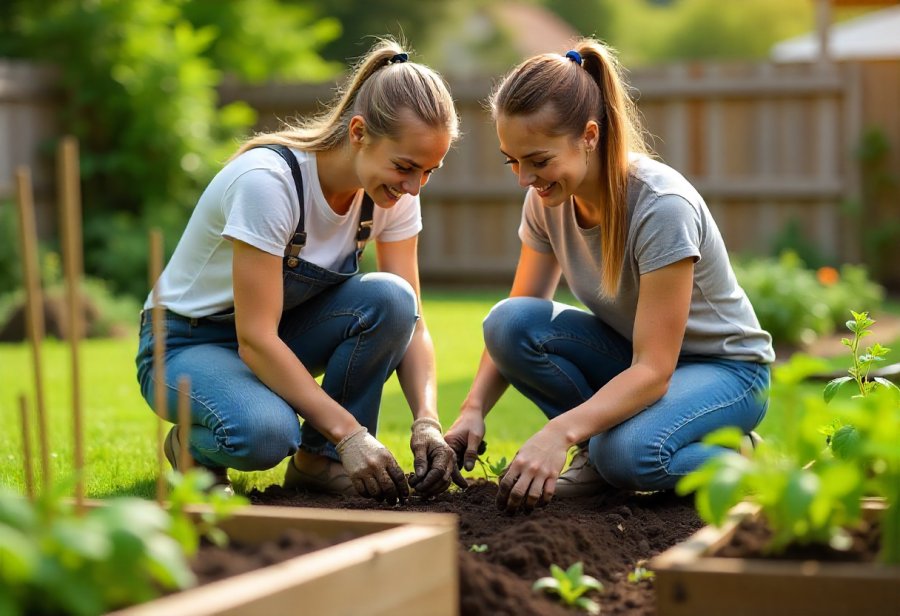
In a world that moves faster than ever and is saturated with screens and digital noise, genuine human connection can sometimes feel out of reach. We often find ourselves rushing through routines, distracted by notifications, and missing the simple pleasure of meaningful interactions. Yet, there’s something profoundly grounding about working with your hands in the soil—especially when shared with someone else. Gardening together isn’t just about planting flowers or vegetables; it’s about creating a space where patience, care, and teamwork can flourish naturally.
This activity offers more than the satisfaction of seeing plants grow. It’s a quiet, accessible way to slow down, communicate, and reconnect. When you tend to a garden side-by-side, you engage in a timeless ritual that fosters trust and understanding without words. It’s a moment to be present with nature and each other, away from the constant hum of digital distraction. Over time, these shared efforts can build stronger bonds and deepen emotional connections rooted in mutual care.
The idea that outdoor activities can promote emotional healing isn’t new. Throughout history, humans have used gardening as a tool for connection—whether through communal plots, spiritual ceremonies, or cultural traditions. Many societies recognized that tending to plants together helps reinforce community bonds and cultural identity. Modern research supports this, showing that working outdoors with others reduces stress, improves mood, and creates a sense of achievement that’s amplified when shared.
Working side-by-side in a garden naturally encourages communication and collaboration. From planning what to plant to dividing chores like digging, watering, or pruning, each step requires cooperation and patience. Celebrating small victories, like a sprouting seed or a blooming flower, reinforces a sense of collective accomplishment. These moments turn gardening into more than a task—they become a shared ritual of trust and emotional connection.
Gardening together taps into a deep human need for connection and nature. It transforms ordinary tasks into opportunities for growth—both in plants and in relationships. Whether planting seeds, nurturing flowers, or harvesting vegetables, each act of care becomes an act of healing that can help mend emotional wounds and foster understanding. In a world increasingly disconnected, tending a garden side-by-side reminds us that real, tangible bonds rooted in effort and patience are still possible.
The Ancient Roots and Cultural Foundations of Gardening as a Bonding Ritual
Gardening has been a fundamental part of human life for thousands of years, serving purposes that go well beyond simply growing food or beautifying spaces. Throughout history, communities across different cultures have turned to gardening as a way to bring people together. Whether through shared plots, communal tasks, or spiritual practices, tending to plants has long been recognized as more than just an activity—it’s a social act that fosters cooperation, trust, and a sense of belonging.
Ancient civilizations like Egypt, Greece, and China embedded gardening into their daily routines and cultural traditions. These societies understood that working together in the garden could reinforce community bonds and cultural identity. Shared gardening or farming was often a key element of social life, transforming a practical task into a ritual of mutual support and collective achievement. These practices helped to strengthen social cohesion and create a sense of shared purpose.
Over time, the understanding of gardening’s role in connection and healing deepened. In Japan, for example, the concept of “tsukiai” involved collaborative gardening as a way to promote harmony and social support. Indigenous communities worldwide used gardening as both a spiritual practice and a communal activity, nurturing relationships alongside their crops. These long-standing traditions show that, regardless of where or when, gardening has consistently served as a bridge for bringing people closer, emphasizing teamwork and shared responsibility.
The structure of shared gardening naturally encourages communication and cooperation. From planning what to plant to dividing tasks like digging, watering, or pruning, each step requires collaboration and patience. Working side by side creates a rhythm of mutual support, where understanding and patience are essential. Celebrating small victories—such as a sprouting seed or a blossoming flower—reinforces a collective sense of achievement, turning gardening into a meaningful ritual of trust and emotional bonding.
In recent decades, the role of gardening has expanded into modern wellness and therapeutic practices. Community gardens and horticultural therapy programs are now widely recognized for their ability to support emotional well-being and foster social bonds, especially in urban areas where social isolation can be a challenge. These initiatives highlight that gardening isn’t just about cultivating plants; it’s about cultivating relationships, offering a natural, accessible way to support healing and build community.
Looking back, the history and structure of gardening reveal a consistent pattern: tending to plants together naturally nurtures cooperation, trust, and emotional resilience. From ancient communal plots to contemporary therapeutic gardens, the act of working side by side in the soil remains a powerful foundation for connection. This enduring practice reminds us that, at its heart, gardening is about more than growth—it’s about growing together.
Modern Perspectives: Gardening’s Role in Mental Health and Emotional Well-being
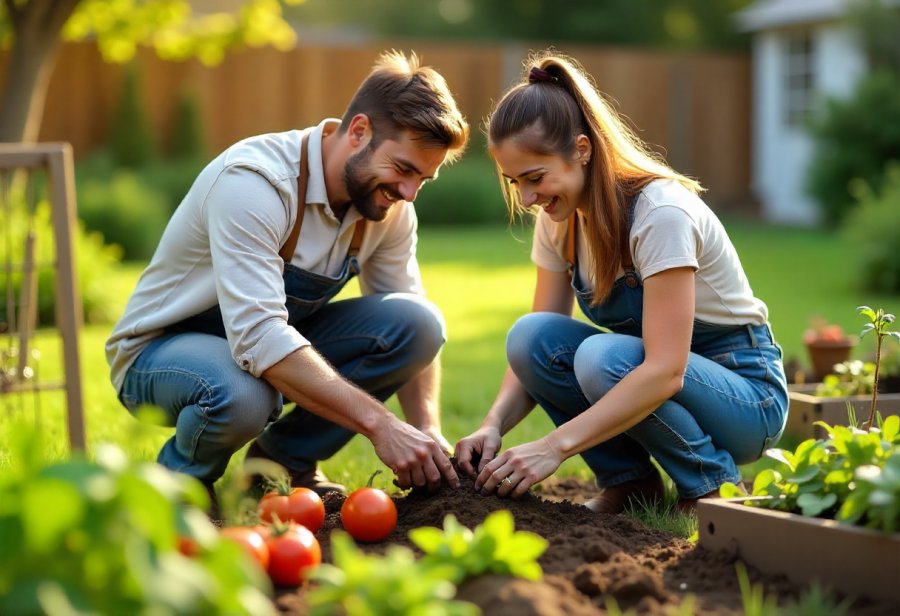
In recent years, the idea that gardening offers more than just aesthetic appeal has gained significant traction. Today, mental health professionals and community organizers increasingly highlight gardening as a powerful tool for emotional well-being. Working with plants and soil provides a gentle way to reduce stress, manage anxiety, and combat depression. The physical act of nurturing life encourages mindfulness—keeping us present—and offers a tangible sense of accomplishment as we see our efforts grow into vibrant results. Sharing this process with others amplifies these benefits, turning a simple activity into a meaningful bonding experience.
Community gardens and therapeutic horticulture programs are thriving, especially in urban environments where social isolation and mental health challenges are prevalent. These shared outdoor spaces are designed not only for growing food or flowers but also for fostering social ties and emotional resilience. When people come together to plant, tend, and harvest, they forge connections rooted in a common purpose. The act of caring for something collectively creates a supportive environment where empathy and communication flourish, helping participants feel less alone.
Personal stories and research alike emphasize gardening’s calming effects. Neighbors working side-by-side, friends nurturing a community plot, or families creating a garden to support a loved one’s healing demonstrate how caring for plants cultivates patience, empathy, and shared joy. Watching a seed sprout or a flower bloom becomes more than a visual delight—it symbolizes personal growth and resilience. These moments foster hope and reinforce the idea that caring for something outside ourselves can help mend emotional wounds.
Cultural attitudes toward gardening continue to evolve, recognizing its vital role in mental health care. Many countries now incorporate horticultural therapy into hospitals, clinics, and rehabilitation centers. Scientific studies back this up, showing that gardening lowers cortisol levels, reduces blood pressure, and boosts positive emotions. Our innate connection to nature acts as a natural balm for the mind, making gardening an accessible, effective form of emotional support that resonates across different ages and backgrounds.
Despite the growing enthusiasm, some remain cautious about viewing gardening as a cure-all. Critics point out that for severe mental health issues, outdoor activities should complement—rather than replace—professional treatment. Frustrations can also arise if plants don’t thrive as expected, potentially leading to feelings of failure instead of healing. Nonetheless, the positive impact of shared gardening remains evident, especially when approached with patience and realistic expectations.
The increasing presence of green spaces and outdoor therapy programs highlights a shift toward embracing gardening’s therapeutic potential. These initiatives foster patience, confidence, and social bonds—key ingredients for emotional healing. Mindfulness practices integrated into gardening routines deepen these benefits, making the act of tending plants a meditative experience. As awareness spreads, more people see gardening not just as a hobby, but as a meaningful way to nurture mental health and strengthen connections with others and nature alike.
Getting Your Hands Dirty: Practical Steps to Foster Connection in the Garden
Getting started with shared gardening doesn’t need to be complicated or intimidating. Choose simple projects like planting herbs in pots on a balcony or creating a small vegetable patch in the yard. These options require minimal space and effort but offer quick, satisfying results that motivate everyone involved. Starting with easy-to-care-for plants such as lettuce, radishes, or cherry tomatoes helps ensure early success, making the experience enjoyable rather than frustrating.
Clear communication is key to turning gardening into a bonding activity. Discuss what each person enjoys or feels comfortable doing—whether it’s digging, watering, or pruning—and divide tasks accordingly. When interests align, participation feels more natural and less like chores. For example, one person might love sowing seeds while another prefers watering or harvesting. Setting small, shared goals keeps everyone engaged and fosters a sense of progress and teamwork.
Celebrating small wins keeps the mood positive and reinforces collaboration. Watching the first sprout break through the soil or seeing vibrant flowers bloom becomes a shared victory that boosts motivation. These moments create a sense of accomplishment and remind everyone that their combined efforts are making a tangible difference. Using simple tools like checklists or gardening guides can help coordinate activities, especially for beginners, ensuring tasks are manageable and clear.
Begin with manageable projects like a windowsill herb garden or a few container vegetables. These activities don’t require extensive space or resources, making them perfect for those new to gardening. As confidence and skills grow, you can expand to larger beds or more complex plantings, deepening your shared experience. This gradual approach keeps things fun and relaxed, encouraging ongoing participation and strengthening your bond over time.
Imagine a couple starting their gardening journey by planting a small herb box. As they nurture their herbs, they find themselves talking more and sharing small victories, like harvesting fresh basil. This simple activity becomes a meaningful ritual that helps rebuild trust and patience after disagreements, illustrating how minor shared tasks can significantly impact emotional connection. It’s about turning everyday moments into opportunities for growth and understanding.
Remember, consistency is essential. Regular time spent together in the garden, even if just for a few minutes, cultivates ongoing shared experiences. These small, repeated acts of care and cooperation help deepen bonds, turning gardening into a meaningful practice. Challenges—like plants not thriving or disagreements over layout—are natural. Approaching these setbacks with patience and open dialogue transforms obstacles into opportunities for connection and learning.
Ultimately, keeping things simple and focused on shared effort will foster a positive, rewarding gardening experience. As confidence builds, so will the depth of your relationship. Gardening isn’t just about cultivating plants; it’s about nurturing trust, patience, and emotional resilience—one seed, one task, one shared moment at a time.
Cultivating Bonds and Embracing Growth: Moving Forward with Gardening Together
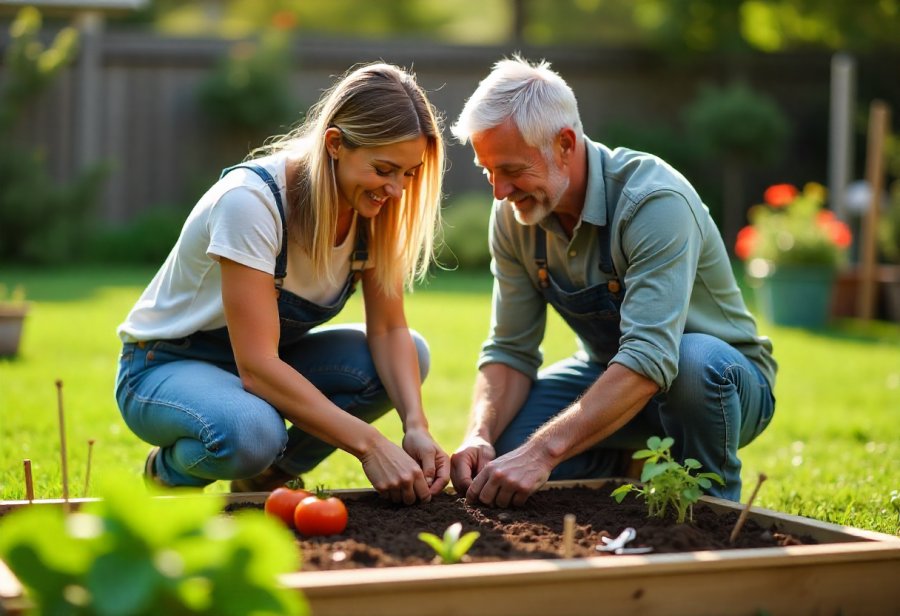
Gardening together transcends the act of planting; it becomes a meaningful way to strengthen emotional bonds and foster healing. When people work side-by-side in the soil, they learn patience, improve communication, and share moments of accomplishment that build trust and understanding. These shared experiences create a foundation of mutual support, helping relationships weather life’s inevitable ups and downs.
The evidence is clear: engaging with nature reduces stress and boosts mood, but doing so with others amplifies these benefits. Working as a team in the garden encourages empathy and a sense of shared purpose, transforming a simple activity into a powerful ritual of connection. Whether tending vegetables, flowers, or herbs, each act of care nurtures emotional resilience and deepens bonds, creating memories that can last long after the plants have grown.
Looking ahead, maintaining a regular gardening routine can deepen these bonds over time. The key lies in consistency—not necessarily hours each week but frequent, meaningful moments shared outdoors. These small acts of tending and caring serve as gentle reminders that growth, whether in plants or relationships, takes time and patience. Overcoming setbacks together, like plants not thriving or disagreements over layout, can strengthen trust and communication, turning challenges into opportunities for growth.
Starting small and staying realistic helps keep the experience positive and accessible. A few shared minutes tending a windowsill herb garden or a handful of container vegetables can lay the groundwork for deeper connection. As confidence and skills develop, so does the opportunity for more ambitious projects, fostering ongoing collaboration and emotional nourishment. The process becomes a journey of mutual growth, rooted in the simple act of tending life together.
Gardening as a shared activity also offers a metaphor for emotional healing: patience, care, and perseverance are essential. Each seed planted and each obstacle faced reinforces the idea that bonds, like plants, need nurturing and time to flourish. This ongoing practice cultivates resilience, trust, and compassion—qualities that extend beyond the garden into everyday life.
In the end, tending a garden together reminds us that connection is possible even in a digital age. It’s about more than just growing plants; it’s about growing relationships, fostering understanding, and healing wounds through shared effort. Every moment spent in the garden becomes a step toward stronger, more resilient bonds—proof that, with patience and care, we can nurture not only the soil but each other as well.