As urban areas grapple with increasing flooding from intense storms and unpredictable rainfall, permeable pavers emerge as a transformative solution. These eco-friendly surfaces mimic natural absorption, allowing rainwater to seep into the soil, reducing runoff, and easing the burden on stormwater systems. Beyond flood prevention, they support groundwater recharge and act as natural filters, improving water quality. But how can cities effectively integrate this innovation into existing infrastructure? From strategic installation to regular maintenance, permeable pavers require careful planning to maximize their durability and environmental benefits. Success stories from cities like Portland and California demonstrate their practicality across diverse settings. Looking ahead, advances in materials and technology promise even smarter, more resilient urban landscapes. Will permeable paving become the standard in sustainable city planning? Embracing this technology offers a crucial step toward safer, greener, and more adaptable communities in the face of climate change.
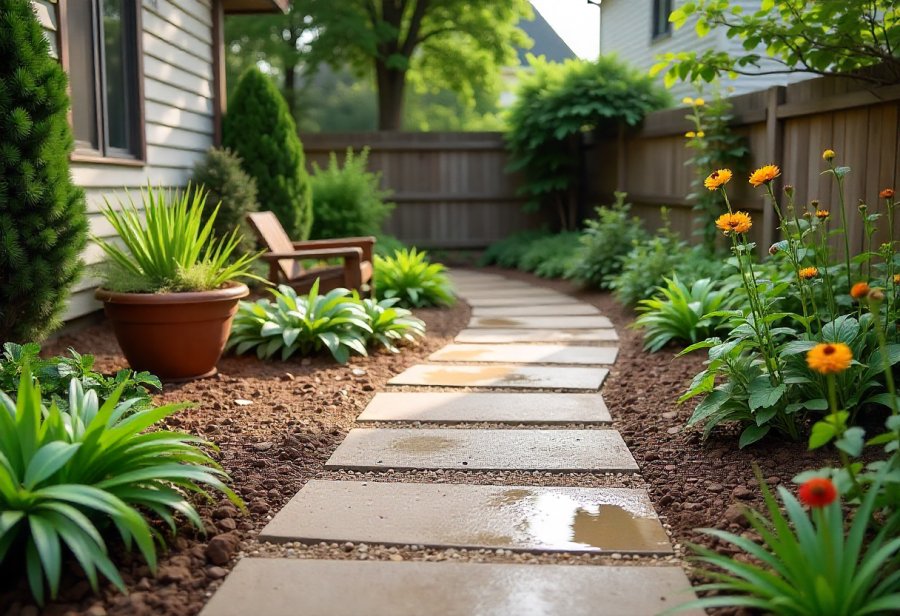
Revolutionizing Urban Flood Control with Permeable Pavers
Urban flooding has become an increasingly urgent challenge for cities worldwide, especially as climate change brings more intense storms and unpredictable rainfall patterns. Traditional surfaces like concrete and asphalt, while durable, are impermeable—preventing water from soaking into the ground. When heavy rains hit, water quickly pools on streets and sidewalks, overwhelming drainage systems and causing disruptive floods that threaten safety and daily life.
This is where permeable pavers offer a game-changing solution. Designed to mimic natural soil absorption, these eco-friendly surfaces feature open cells or porous materials that allow rainwater to pass directly into the ground below. By promoting infiltration at the source, permeable pavers help reduce surface runoff, easing the burden on existing stormwater infrastructure and preventing water from pooling in urban areas.
Beyond flood control, permeable pavers support groundwater recharge. As water moves through the porous surfaces and into the soil, it replenishes underground aquifers while also acting as a natural filter that traps pollutants like sediments, oils, and heavy metals. This process improves water quality and fosters healthier urban environments, making cities more resilient to water-related challenges.
The benefits of permeable paving extend further. By decreasing runoff volume, these surfaces prevent erosion and waterlogging—issues often caused by traditional pavement. They also enhance urban aesthetics, with a variety of textures and colors that can transform dull streets and parking lots into inviting, green spaces. These appealing environments encourage outdoor activity and community gathering, blending functionality with visual appeal.
As climate patterns grow more extreme, integrating permeable pavers into city planning becomes increasingly vital. They provide a practical, scalable way to manage heavy rainfall, mitigate flooding, and support groundwater health—all while contributing to sustainable urban development. Embracing this technology helps cities adapt proactively to climate change, building safer, greener, and more resilient communities.
Unlocking the Power of Permeable Pavers: Key Benefits for Cities
Permeable pavers offer a range of compelling benefits that make them an increasingly popular choice for urban water management. Chief among these is their ability to significantly reduce flooding risks. Unlike traditional surfaces like concrete and asphalt, permeable pavers allow rainwater to seep directly into the ground, preventing water from pooling on streets and sidewalks. This natural infiltration eases the burden on stormwater systems, helping cities handle heavy rainfall more effectively and keeping urban areas safer and more accessible after storms.
Beyond flood mitigation, permeable pavers play a vital role in supporting groundwater recharge. As rainwater filters through the porous surface and into the soil, it replenishes underground aquifers, which are essential for maintaining water supplies in many regions. This process also acts as a natural filter, trapping pollutants such as sediments, oils, and heavy metals, which improves water quality and reduces pollution runoff. Together, these functions foster healthier urban ecosystems and contribute to long-term water sustainability.
Reducing runoff volume is another key advantage. Traditional paving materials like concrete and asphalt are impermeable, causing rainwater to run off quickly and often overwhelm drainage systems. Permeable pavers, by contrast, absorb and slow down water at the surface, allowing it to infiltrate gradually. This not only lessens the chance of localized flooding but also minimizes erosion and waterlogging, common problems with conventional pavements. As a result, cities experience fewer flood-related disruptions and less damage to infrastructure.
A deeper treatment of this topic appears in Don’t Risk Flood Damage—Install Permeable Pavements Now!, by Soren Long on Sit Tight Now.
Permeable paving also enhances the visual and social appeal of urban spaces. Available in a variety of textures, colors, and patterns, these surfaces can transform dull, monotonous areas into vibrant, inviting environments. They encourage outdoor activities, community gatherings, and a stronger connection between residents and their surroundings. This aesthetic versatility makes permeable pavers a smart, sustainable upgrade that benefits both the environment and the quality of urban life.
As climate change intensifies weather extremes, adopting permeable pavers becomes more critical than ever. They provide a scalable, adaptable solution that can be integrated into new developments or retrofitted into existing infrastructure. By managing stormwater closer to its source, these surfaces help cities become more resilient to unpredictable rainfall patterns and extreme storms. In doing so, they support broader efforts to create sustainable, water-conscious urban environments that are prepared for the challenges of the future.
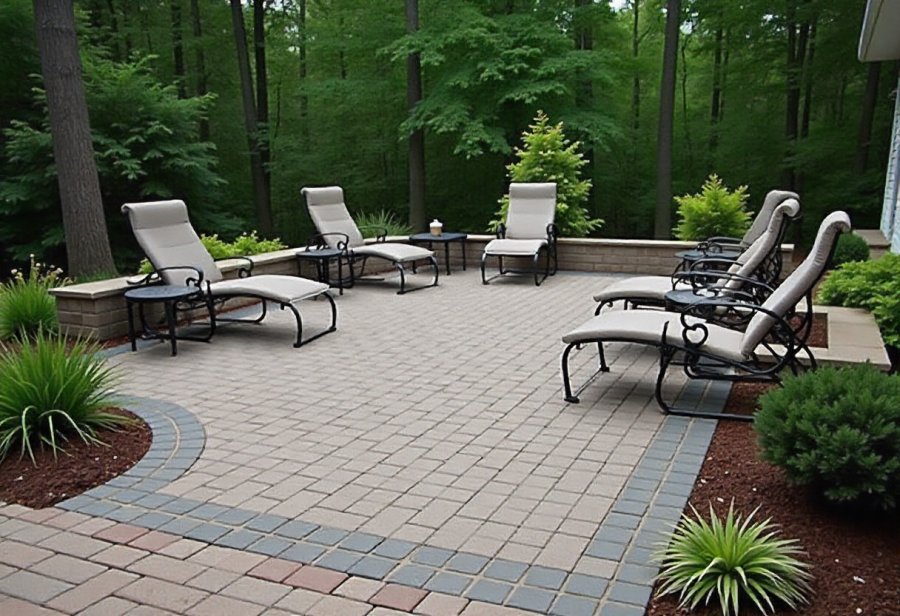
From Concept to Reality: Successful Implementations of Permeable Paving
Implementing permeable pavers in real-world settings demonstrates their versatility and practicality across diverse urban environments. From parking lots and walkways to public plazas and streetscapes, these surfaces have been successfully integrated to manage stormwater and reduce runoff. Many cities have incorporated permeable paving into redevelopment projects, transforming dull or concrete-heavy areas into vibrant, eco-friendly spaces that handle heavy rainfall more effectively. These projects highlight how, with proper planning and installation, permeable pavers can be both functional and visually appealing, revitalizing urban areas while improving water management.
Different types of permeable pavers suit various needs. Interlocking concrete pavers are common due to their durability and fit, allowing water to pass through the joints. Pervious asphalt and concrete provide seamless surfaces that promote infiltration without sacrificing strength. Modular grid systems, often made from plastic or concrete, can be customized for driveways, parking lots, or walkways. Selecting the right system depends on soil conditions, expected traffic, and drainage requirements, ensuring long-term performance.
Cities like Portland, Oregon, have led the way with permeable paving projects in downtown streets and parking zones. These initiatives not only reduced surface runoff during storms but also added aesthetic appeal through natural stone patterns. Site assessments and drainage planning played crucial roles in their success, ensuring water infiltrates efficiently. Similarly, a California university replaced traditional walkways with permeable surfaces, which improved stormwater management and supported campus greenery. These examples prove that, when installed correctly, permeable pavers deliver lasting environmental and community benefits.
To see how this applies in practice, refer to Paul Price‘s article Implement Permeable Pavers Today for a Flood-Free Future! on Pentego.
The installation process begins with a detailed site evaluation—assessing soil permeability and drainage capacity to confirm suitability. Once confirmed, clear the area of debris, weeds, or existing paving. A stable base layer of gravel or crushed stone is then laid and compacted to support the pavers and facilitate water flow. Edging is added to keep the pavers in place, maintaining the intended pattern and preventing erosion over time. Proper placement and joint filling with sand or gravel stabilize the surface and maximize permeability.
Careful installation is crucial for long-term success. Ensuring the base is well-compacted and sloped correctly prevents water pooling and promotes effective drainage. Inadequate site assessment or improper materials can compromise permeability and durability, leading to issues like shifting or cracking. Attention to detail during installation guarantees rainwater infiltrates as designed, reducing flood risks and supporting groundwater recharge.
Maintenance mainly involves regular cleaning and inspections. Sweeping removes leaves, dirt, and organic debris that could clog joints or pores, maintaining permeability. Pressure washing can dislodge stubborn dirt without damaging the surface. Periodic checks for shifting or settling allow for quick repairs, preserving the system’s integrity. Replenishing joint materials like sand or gravel ensures stability and unobstructed water flow, extending the lifespan of your permeable pavers.
Overall, these practical applications and maintenance routines show that permeable pavers are a reliable, adaptable solution for urban water challenges. When installed with care and maintained properly, they effectively reduce flooding, filter pollutants, and enhance outdoor spaces. Their flexibility allows integration into various settings, making them a smart choice for sustainable city planning. Properly managed, permeable pavers stand as a durable, attractive part of resilient urban infrastructure.
Practical Guide to Installing and Maintaining Permeable Paver Systems
Installing permeable pavers starts with a thorough site assessment to ensure suitability. Check the soil’s permeability and drainage capacity, then clear the area of debris, weeds, or existing paving. A stable base is essential; typically, this involves laying a layer of gravel or crushed stone and compacting it firmly to support the pavers and facilitate water flow. Edging along the perimeter helps keep the pavers in place and maintains the intended pattern, preventing shifting and erosion over time. Precise placement during installation is key—each paver should fit tightly with its neighbors to maximize permeability and durability.
Once laid, fill the joints with sand or fine gravel. This stabilizes the surface and enhances water infiltration, ensuring rainwater can easily pass into the ground. Proper joint filling also helps prevent weed growth and keeps the pavers aligned. After completing the installation, a gentle vibration with a plate compactor helps settle the pavers into the base, further stabilizing the surface and ensuring long-lasting performance. Attention to detail during this process ensures the system functions effectively and remains resilient under heavy use.
Maintaining permeable pavers involves regular cleaning and inspection. Sweeping the surface regularly removes leaves, dirt, and organic debris that could clog the joints or pores, reducing permeability. When stubborn stains or dirt accumulate, pressure washing gently dislodges buildup without damaging the surface. Periodic inspections help identify early signs of shifting, settling, or cracking, allowing for quick repairs that prevent more significant issues down the line. Replenishing joint material, such as sand or gravel, keeps the surface stable and maintains optimal water flow.
For additional context, read Hannah Green‘s article Transforming Cities with Permeable Pavers for Flood Resilience on Square Root of Two.
Proper installation and ongoing upkeep are vital for the system’s longevity. Ensuring the base layer is well-compacted and correctly sloped prevents water pooling and promotes effective drainage. Skipping steps like thorough site assessment or using inappropriate materials can compromise permeability and durability, leading to problems like shifting or cracking. Consistent attention during installation guarantees rainwater infiltrates as intended, reducing flood risks and supporting groundwater recharge.
Beyond routine cleaning, paying attention to drainage during heavy storms is crucial. Removing accumulated debris from joints and surface areas prevents clogging and ensures continuous water infiltration. In regions prone to weed growth, manual removal or weed control measures help keep the surface clear and unobstructed. These small, regular efforts preserve the permeability and structural integrity of your permeable paving system, extending its lifespan and maintaining its flood-mitigation benefits for years to come.
Transform Your Toronto Property with Expert Landscape Solutions
Looking to enhance your outdoor space in Toronto? Toronto Landscape & Design offers premier services including natural stone installations, water gardens, irrigation systems, and retaining walls. Our award-winning designers take everything into consideration to create beautiful, functional landscapes tailored to your needs. One key benefit of working with us is our ability to reduce backyard flooding, ensuring your outdoor space is both stunning and sustainable. Whether you’re aiming to improve drainage or add aesthetic appeal, our team is dedicated to delivering exceptional results. Contact us at https://TorontoLandscapeDesign.com or call 1.416.644.0499 to start transforming your outdoor environment today.
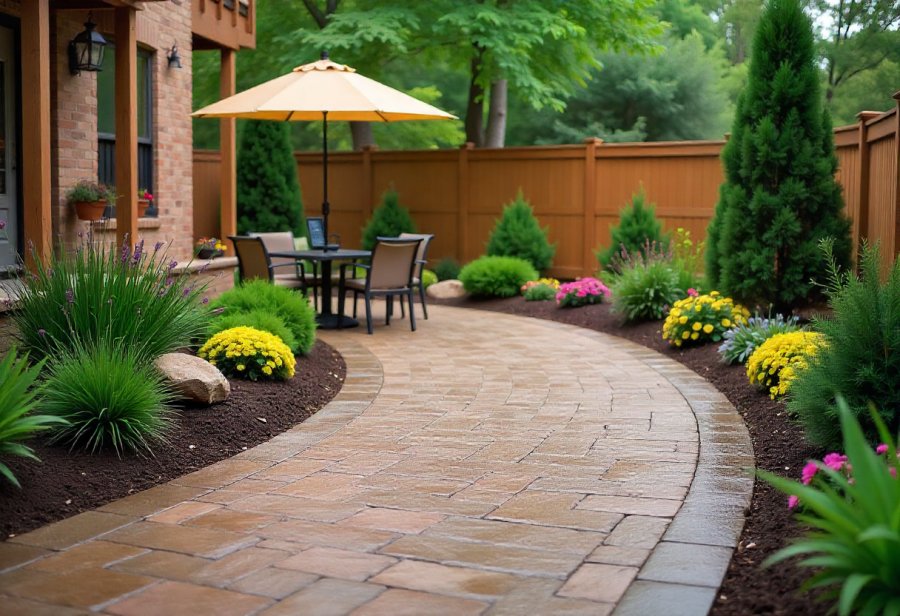
The Future of Sustainable Cities: Innovations and Impact of Permeable Paving
Looking ahead, permeable paving is poised to play a pivotal role in shaping more resilient and sustainable cities. Advances in materials science are paving the way for surfaces that are not only more durable and cost-effective but also seamlessly blend into diverse urban landscapes. These innovations will make permeable options accessible for a wider range of projects, from small residential driveways to large commercial developments, encouraging broader adoption.
Technology will further enhance the functionality of permeable surfaces. Embedded sensors capable of monitoring water flow, infiltration rates, and system performance in real time will provide valuable data to city planners and maintenance teams. This smart infrastructure can identify blockages early, optimize water management, and reduce ongoing costs, ensuring these systems remain effective even as climate patterns grow more unpredictable.
As climate resilience becomes a central focus of urban planning, permeable paving offers a practical solution to handle extreme weather events. Its ability to absorb and slow down heavy rainfall, recharge groundwater, and filter pollutants makes it an essential tool in adapting to increasing weather variability. Governments and local authorities are recognizing these benefits, leading to more widespread implementation in both new projects and retrofit efforts.
Design possibilities for permeable pavers are expanding as well. Advances in manufacturing enable a broader palette of textures, colors, and styles that integrate well with architectural visions. This versatility allows cities and communities to incorporate permeable surfaces not only for their environmental benefits but also as attractive, functional elements that enhance public spaces and foster community pride.
Global knowledge sharing and successful case studies continue to drive the adoption of permeable paving. As more cities showcase the tangible benefits—reduced flooding, improved water quality, and vibrant public spaces—others follow suit. This collective effort accelerates the integration of permeable surfaces into standard urban infrastructure, making sustainable water management a norm rather than an exception.
In the long run, permeable paving has the potential to become a cornerstone of eco-conscious urban development. Its ability to mimic natural water processes aligns with broader goals of sustainability, resilience, and climate adaptation. Embracing these innovations now sets the stage for cities that are better equipped to face future water challenges, creating urban environments that are safer, greener, and more livable for generations to come.