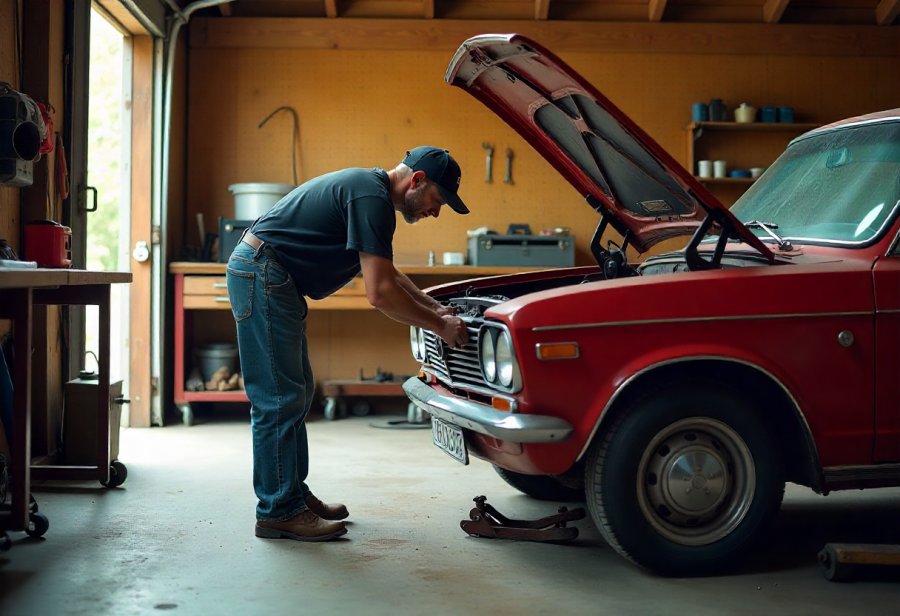
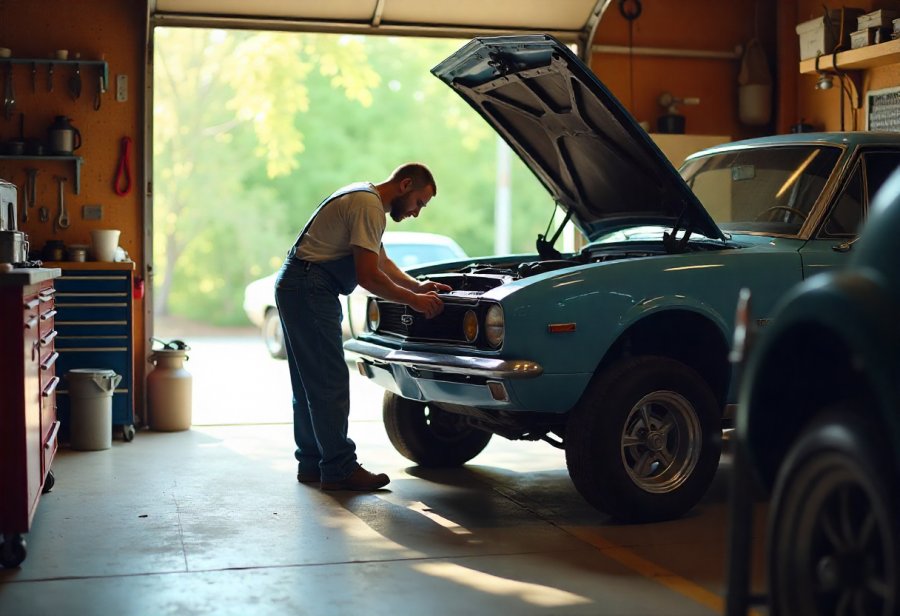
Navigating car repairs can feel overwhelming—should you DIY, call a mobile mechanic, or head straight to the shop? Each option offers distinct advantages, but knowing when to choose which can save you money, time, and even ensure safety. DIY repairs are tempting for simple tasks like oil changes, offering cost savings and the satisfaction of hands-on work. However, modern vehicles’ complexity demands careful judgment—mistakes on electrical or transmission repairs can be costly or dangerous. Mobile mechanics provide a convenient middle ground, handling straightforward repairs at your location, but their limitations mean complex issues still require a shop with advanced tools. For intricate, safety-critical repairs, a professional garage with specialized equipment and expertise is indispensable. Recognizing your skills, the repair’s complexity, and safety considerations transforms guesswork into smart decision-making—ultimately protecting your vehicle and your peace of mind.
Trusted Auto Maintenance and Brake Services in Thornhill
For residents in Thornhill, Ontario, Hirji Auto Repairs is your go-to family-owned auto shop for comprehensive vehicle care. Whether you need basic maintenance, wheel alignment, or a tune-up, our team is dedicated to providing fast and reliable service. Specializing in brake service, we also offer new brakes and new tires to ensure your vehicle is safe and road-ready. Our experienced technicians deliver quality work with a quick turnaround, making us the preferred choice for local drivers. Visit us at 60 Green Lane, Unit #2, Thornhill, or call 905-886-4404 to schedule your appointment today.
Navigate Your Car Repair Options for Safety and Savings
When your car starts acting up, figuring out how to get it fixed can feel overwhelming. Do you roll up your sleeves and try to fix it yourself, call a mobile mechanic to come to you, or haul it into a traditional repair shop? Each option has its own advantages and pitfalls, and choosing the right one depends on the repair’s complexity, your skills, and what’s most important—cost, safety, or convenience. Making an informed decision can save you money, time, and even keep you and your passengers safe on the road.
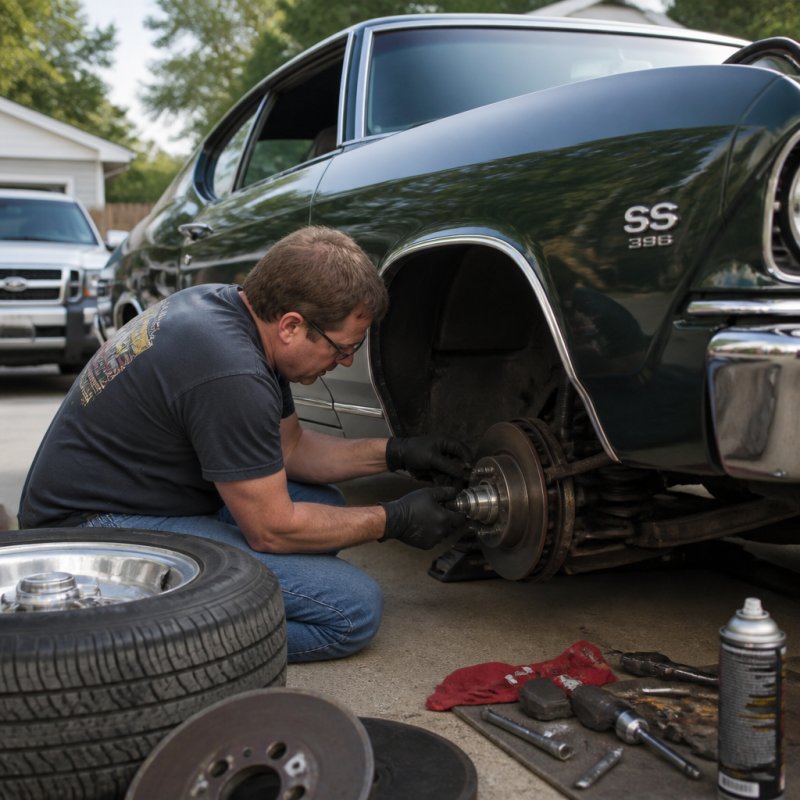
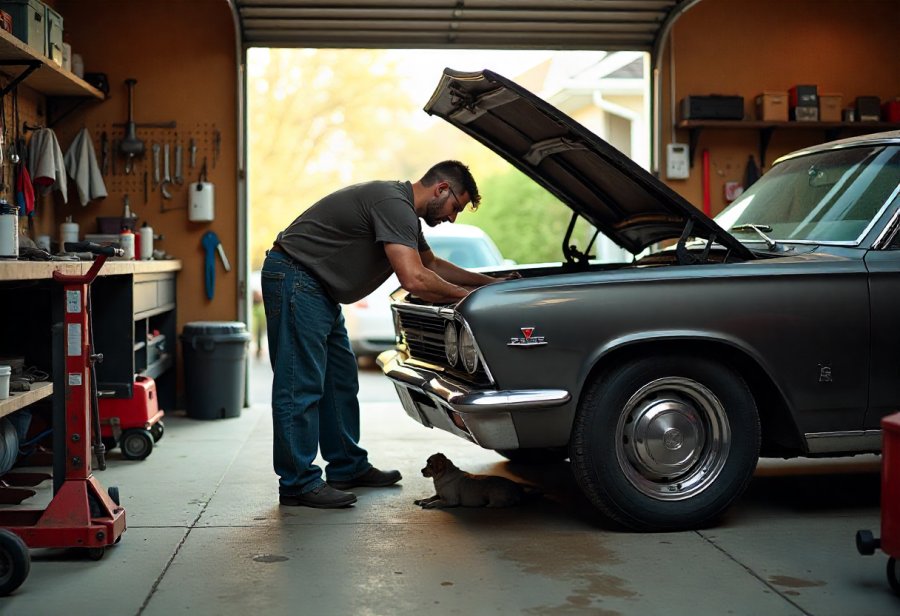
Starting with DIY repairs might seem tempting, especially if you’re looking to cut costs or enjoy working on your car. Tasks like changing oil, swapping out filters, or replacing windshield wipers are often manageable for many drivers with just basic tools and a bit of patience. These jobs can be done in your driveway, giving you a sense of accomplishment and control over your vehicle’s maintenance. Plus, avoiding shop labor fees means more money stays in your pocket, and you get to learn a little more about how your car works.
However, not every repair is suitable for DIY. Modern vehicles are highly sophisticated, packed with electronics, sensors, and complex systems that can trip up even experienced enthusiasts. Underestimating the difficulty of certain repairs can lead to mistakes that threaten safety or cause additional damage. For example, working on the transmission or electrical wiring often requires specialized tools and knowledge that go beyond basic DIY skills. Knowing when to stop and call in a professional is key to avoiding costly errors.
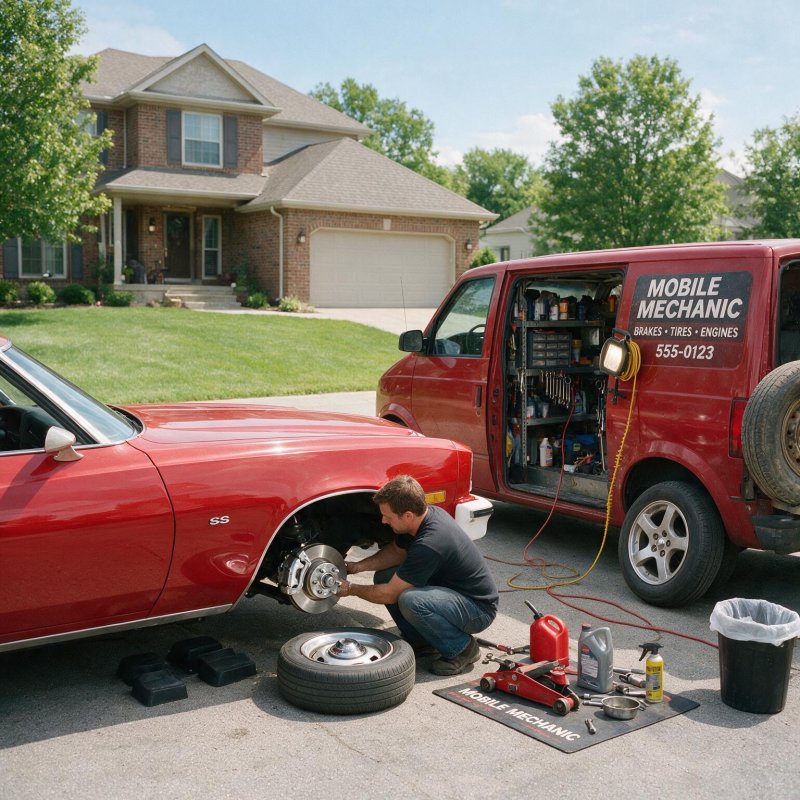
That’s where mobile mechanics come into the picture. They bring their tools directly to your location—whether it’s your driveway, parking lot, or workplace—and handle many common repairs on the spot. This service offers a convenient middle ground, blending the affordability of DIY with the expertise of a shop. Mobile mechanics are ideal for routine jobs like replacing a dead battery, fixing brakes, or performing diagnostic checks. Watching the work unfold and asking questions can also give you a better understanding of your vehicle’s needs.
Despite their convenience, mobile mechanics have limitations. They can’t always handle repairs that require heavy lifting, specialized diagnostic equipment, or complex systems. For issues involving engine rebuilds, transmission work, or alignment, a full-service garage with advanced tools and trained technicians is usually the better option. These shops can address multiple problems at once, often providing warranties on parts and labor that add a layer of reassurance.
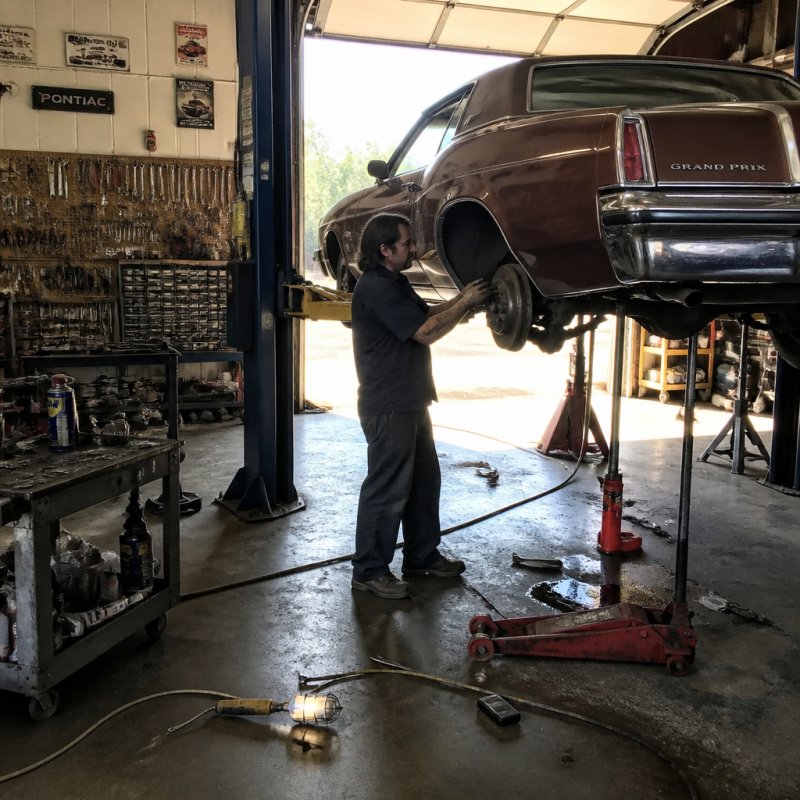
For complex repairs—especially those involving safety-critical systems or needing specialized equipment—the traditional auto repair shop remains the best choice. These facilities have lifts, diagnostic scanners, and a team of experts who understand the intricacies of modern vehicles. They’re equipped to handle everything from engine overhauls to transmission repairs, often with a focus on safety and precision. While this option can be more expensive and requires scheduling, it ensures that critical issues are addressed correctly and reliably.
Choosing between these options isn’t just about price; it’s about matching the right approach to the job at hand. Simple, low-risk maintenance tasks like changing oil or replacing filters are perfect for DIY. For jobs that require a little more convenience and expertise, a mobile mechanic can be a smart choice. When the repair involves complex electronics, safety-critical parts, or heavy equipment, trusting a reputable garage is the safest move.
Being honest about your skills, available tools, and the repair’s complexity is essential. Recognizing when a job exceeds your expertise prevents mistakes that could compromise safety or lead to costly damage. Sometimes, a quick diagnostic check or a simple replacement is all you need to handle yourself, but more involved repairs are best left to the professionals. When in doubt, consulting online guides or videos can help, but don’t hesitate to get expert help when necessary.
In the end, the key is to weigh safety, cost, and convenience. Knowing when to DIY, call a mobile mechanic, or visit a garage helps you keep your vehicle reliable and safe without unnecessary expense or risk. Making the right choice for each repair keeps your car running smoothly and gives you confidence behind the wheel.
Transform Knowledge Into Smarter Vehicle Repair Decisions
Applying your car repair knowledge means turning what you’ve learned into smart, practical decisions about how to handle your vehicle’s maintenance. Before diving into any repair, take a moment to assess the job’s complexity and safety implications. Ask yourself: Is this something straightforward like replacing a fuse or windshield wipers, or does it involve working near fuel lines or airbags? Recognizing these differences helps you avoid risky situations and prevents small issues from turning into costly mistakes.
Evaluating each repair’s scope is crucial. Look for clues—are the parts easily accessible, or do they require removing other components? Does the repair need heavy lifting or specialized diagnostic tools? If it’s a job like changing the oil or swapping out a battery, chances are you can handle it safely and efficiently. But if you’re dealing with complex systems such as the transmission or electrical wiring, it’s often best to leave those to professionals. Knowing your limits saves you time, money, and potential safety hazards.
Research is your ally in making informed decisions. Watching instructional videos, reading manuals, or browsing trusted online guides can clarify the steps involved. Seeing a repair done by someone else not only demystifies the process but also highlights common pitfalls—like missing torque specifications or overlooking safety precautions—that could trip you up. The more familiar you are with the procedure, the better equipped you are to judge whether you should proceed or call in a professional.
Be honest about your skills and available tools. Many repairs require specific equipment—like a lift, diagnostic scanner, or pressurized systems—that you might not own or know how to operate safely. Attempting a job without the proper gear can lead to mistakes that compromise safety or cause additional damage. Sometimes, even a seemingly simple task can become complicated if you realize midway that you lack a crucial part or tool. Recognizing these limitations early helps prevent accidents and saves you from unnecessary expenses.
Finally, consider your time and convenience. If a repair is urgent—say, your brakes are squealing dangerously—you might opt for a professional, especially if you’re unsure of your abilities. On the other hand, if you have a spare afternoon and enjoy working on cars, DIY can be both satisfying and cost-effective. Weigh the effort involved against the potential benefits and risks. By honestly evaluating each situation, you ensure your repairs are safe, reliable, and appropriate to your skill level, making your overall approach to car maintenance smarter and more confident.
As urban areas grapple with increasing flooding from intense storms and unpredictable rainfall, permeable pavers emerge as a transformative solution. These eco-friendly surfaces mimic natural absorption, allowing rainwater to seep into the soil, reducing runoff, and easing the burden on stormwater systems. Beyond flood prevention, they support groundwater recharge and act as natural filters, improving water quality. But how can cities effectively integrate this innovation into existing infrastructure? From strategic installation to regular maintenance, permeable pavers require careful planning to maximize their durability and environmental benefits. Success stories from cities like Portland and California demonstrate their practicality across diverse settings. Looking ahead, advances in materials and technology promise even smarter, more resilient urban landscapes. Will permeable paving become the standard in sustainable city planning? Embracing this technology offers a crucial step toward safer, greener, and more adaptable communities in the face of climate change.
Revolutionizing Urban Flood Control with Permeable Pavers
Urban flooding has become an increasingly urgent challenge for cities worldwide, especially as climate change brings more intense storms and unpredictable rainfall patterns. Traditional surfaces like concrete and asphalt, while durable, are impermeable—preventing water from soaking into the ground. When heavy rains hit, water quickly pools on streets and sidewalks, overwhelming drainage systems and causing disruptive floods that threaten safety and daily life.
This is where permeable pavers offer a game-changing solution. Designed to mimic natural soil absorption, these eco-friendly surfaces feature open cells or porous materials that allow rainwater to pass directly into the ground below. By promoting infiltration at the source, permeable pavers help reduce surface runoff, easing the burden on existing stormwater infrastructure and preventing water from pooling in urban areas.
Beyond flood control, permeable pavers support groundwater recharge. As water moves through the porous surfaces and into the soil, it replenishes underground aquifers while also acting as a natural filter that traps pollutants like sediments, oils, and heavy metals. This process improves water quality and fosters healthier urban environments, making cities more resilient to water-related challenges.
The benefits of permeable paving extend further. By decreasing runoff volume, these surfaces prevent erosion and waterlogging—issues often caused by traditional pavement. They also enhance urban aesthetics, with a variety of textures and colors that can transform dull streets and parking lots into inviting, green spaces. These appealing environments encourage outdoor activity and community gathering, blending functionality with visual appeal.
As climate patterns grow more extreme, integrating permeable pavers into city planning becomes increasingly vital. They provide a practical, scalable way to manage heavy rainfall, mitigate flooding, and support groundwater health—all while contributing to sustainable urban development. Embracing this technology helps cities adapt proactively to climate change, building safer, greener, and more resilient communities.
Unlocking the Power of Permeable Pavers: Key Benefits for Cities
Permeable pavers offer a range of compelling benefits that make them an increasingly popular choice for urban water management. Chief among these is their ability to significantly reduce flooding risks. Unlike traditional surfaces like concrete and asphalt, permeable pavers allow rainwater to seep directly into the ground, preventing water from pooling on streets and sidewalks. This natural infiltration eases the burden on stormwater systems, helping cities handle heavy rainfall more effectively and keeping urban areas safer and more accessible after storms.
Beyond flood mitigation, permeable pavers play a vital role in supporting groundwater recharge. As rainwater filters through the porous surface and into the soil, it replenishes underground aquifers, which are essential for maintaining water supplies in many regions. This process also acts as a natural filter, trapping pollutants such as sediments, oils, and heavy metals, which improves water quality and reduces pollution runoff. Together, these functions foster healthier urban ecosystems and contribute to long-term water sustainability.
Reducing runoff volume is another key advantage. Traditional paving materials like concrete and asphalt are impermeable, causing rainwater to run off quickly and often overwhelm drainage systems. Permeable pavers, by contrast, absorb and slow down water at the surface, allowing it to infiltrate gradually. This not only lessens the chance of localized flooding but also minimizes erosion and waterlogging, common problems with conventional pavements. As a result, cities experience fewer flood-related disruptions and less damage to infrastructure.
Permeable paving also enhances the visual and social appeal of urban spaces. Available in a variety of textures, colors, and patterns, these surfaces can transform dull, monotonous areas into vibrant, inviting environments. They encourage outdoor activities, community gatherings, and a stronger connection between residents and their surroundings. This aesthetic versatility makes permeable pavers a smart, sustainable upgrade that benefits both the environment and the quality of urban life.
As climate change intensifies weather extremes, adopting permeable pavers becomes more critical than ever. They provide a scalable, adaptable solution that can be integrated into new developments or retrofitted into existing infrastructure. By managing stormwater closer to its source, these surfaces help cities become more resilient to unpredictable rainfall patterns and extreme storms. In doing so, they support broader efforts to create sustainable, water-conscious urban environments that are prepared for the challenges of the future.
From Concept to Reality: Successful Implementations of Permeable Paving
Implementing permeable pavers in real-world settings demonstrates their versatility and practicality across diverse urban environments. From parking lots and walkways to public plazas and streetscapes, these surfaces have been successfully integrated to manage stormwater and reduce runoff. Many cities have incorporated permeable paving into redevelopment projects, transforming dull or concrete-heavy areas into vibrant, eco-friendly spaces that handle heavy rainfall more effectively. These projects highlight how, with proper planning and installation, permeable pavers can be both functional and visually appealing, revitalizing urban areas while improving water management.
Different types of permeable pavers suit various needs. Interlocking concrete pavers are common due to their durability and fit, allowing water to pass through the joints. Pervious asphalt and concrete provide seamless surfaces that promote infiltration without sacrificing strength. Modular grid systems, often made from plastic or concrete, can be customized for driveways, parking lots, or walkways. Selecting the right system depends on soil conditions, expected traffic, and drainage requirements, ensuring long-term performance.
Cities like Portland, Oregon, have led the way with permeable paving projects in downtown streets and parking zones. These initiatives not only reduced surface runoff during storms but also added aesthetic appeal through natural stone patterns. Site assessments and drainage planning played crucial roles in their success, ensuring water infiltrates efficiently. Similarly, a California university replaced traditional walkways with permeable surfaces, which improved stormwater management and supported campus greenery. These examples prove that, when installed correctly, permeable pavers deliver lasting environmental and community benefits.
The installation process begins with a detailed site evaluation—assessing soil permeability and drainage capacity to confirm suitability. Once confirmed, clear the area of debris, weeds, or existing paving. A stable base layer of gravel or crushed stone is then laid and compacted to support the pavers and facilitate water flow. Edging is added to keep the pavers in place, maintaining the intended pattern and preventing erosion over time. Proper placement and joint filling with sand or gravel stabilize the surface and maximize permeability.
Careful installation is crucial for long-term success. Ensuring the base is well-compacted and sloped correctly prevents water pooling and promotes effective drainage. Inadequate site assessment or improper materials can compromise permeability and durability, leading to issues like shifting or cracking. Attention to detail during installation guarantees rainwater infiltrates as designed, reducing flood risks and supporting groundwater recharge.
Maintenance mainly involves regular cleaning and inspections. Sweeping removes leaves, dirt, and organic debris that could clog joints or pores, maintaining permeability. Pressure washing can dislodge stubborn dirt without damaging the surface. Periodic checks for shifting or settling allow for quick repairs, preserving the system’s integrity. Replenishing joint materials like sand or gravel ensures stability and unobstructed water flow, extending the lifespan of your permeable pavers.
Overall, these practical applications and maintenance routines show that permeable pavers are a reliable, adaptable solution for urban water challenges. When installed with care and maintained properly, they effectively reduce flooding, filter pollutants, and enhance outdoor spaces. Their flexibility allows integration into various settings, making them a smart choice for sustainable city planning. Properly managed, permeable pavers stand as a durable, attractive part of resilient urban infrastructure.
Practical Guide to Installing and Maintaining Permeable Paver Systems
Installing permeable pavers starts with a thorough site assessment to ensure suitability. Check the soil’s permeability and drainage capacity, then clear the area of debris, weeds, or existing paving. A stable base is essential; typically, this involves laying a layer of gravel or crushed stone and compacting it firmly to support the pavers and facilitate water flow. Edging along the perimeter helps keep the pavers in place and maintains the intended pattern, preventing shifting and erosion over time. Precise placement during installation is key—each paver should fit tightly with its neighbors to maximize permeability and durability.
Once laid, fill the joints with sand or fine gravel. This stabilizes the surface and enhances water infiltration, ensuring rainwater can easily pass into the ground. Proper joint filling also helps prevent weed growth and keeps the pavers aligned. After completing the installation, a gentle vibration with a plate compactor helps settle the pavers into the base, further stabilizing the surface and ensuring long-lasting performance. Attention to detail during this process ensures the system functions effectively and remains resilient under heavy use.
Maintaining permeable pavers involves regular cleaning and inspection. Sweeping the surface regularly removes leaves, dirt, and organic debris that could clog the joints or pores, reducing permeability. When stubborn stains or dirt accumulate, pressure washing gently dislodges buildup without damaging the surface. Periodic inspections help identify early signs of shifting, settling, or cracking, allowing for quick repairs that prevent more significant issues down the line. Replenishing joint material, such as sand or gravel, keeps the surface stable and maintains optimal water flow.
Proper installation and ongoing upkeep are vital for the system’s longevity. Ensuring the base layer is well-compacted and correctly sloped prevents water pooling and promotes effective drainage. Skipping steps like thorough site assessment or using inappropriate materials can compromise permeability and durability, leading to problems like shifting or cracking. Consistent attention during installation guarantees rainwater infiltrates as intended, reducing flood risks and supporting groundwater recharge.
Beyond routine cleaning, paying attention to drainage during heavy storms is crucial. Removing accumulated debris from joints and surface areas prevents clogging and ensures continuous water infiltration. In regions prone to weed growth, manual removal or weed control measures help keep the surface clear and unobstructed. These small, regular efforts preserve the permeability and structural integrity of your permeable paving system, extending its lifespan and maintaining its flood-mitigation benefits for years to come.
Transform Your Toronto Property with Expert Landscape Solutions
Looking to enhance your outdoor space in Toronto? Toronto Landscape & Design offers premier services including natural stone installations, water gardens, irrigation systems, and retaining walls. Our award-winning designers take everything into consideration to create beautiful, functional landscapes tailored to your needs. One key benefit of working with us is our ability to reduce backyard flooding, ensuring your outdoor space is both stunning and sustainable. Whether you’re aiming to improve drainage or add aesthetic appeal, our team is dedicated to delivering exceptional results. Contact us at https://TorontoLandscapeDesign.com or call 1.416.644.0499 to start transforming your outdoor environment today.
The Future of Sustainable Cities: Innovations and Impact of Permeable Paving
Looking ahead, permeable paving is poised to play a pivotal role in shaping more resilient and sustainable cities. Advances in materials science are paving the way for surfaces that are not only more durable and cost-effective but also seamlessly blend into diverse urban landscapes. These innovations will make permeable options accessible for a wider range of projects, from small residential driveways to large commercial developments, encouraging broader adoption.
Technology will further enhance the functionality of permeable surfaces. Embedded sensors capable of monitoring water flow, infiltration rates, and system performance in real time will provide valuable data to city planners and maintenance teams. This smart infrastructure can identify blockages early, optimize water management, and reduce ongoing costs, ensuring these systems remain effective even as climate patterns grow more unpredictable.
As climate resilience becomes a central focus of urban planning, permeable paving offers a practical solution to handle extreme weather events. Its ability to absorb and slow down heavy rainfall, recharge groundwater, and filter pollutants makes it an essential tool in adapting to increasing weather variability. Governments and local authorities are recognizing these benefits, leading to more widespread implementation in both new projects and retrofit efforts.
Design possibilities for permeable pavers are expanding as well. Advances in manufacturing enable a broader palette of textures, colors, and styles that integrate well with architectural visions. This versatility allows cities and communities to incorporate permeable surfaces not only for their environmental benefits but also as attractive, functional elements that enhance public spaces and foster community pride.
Global knowledge sharing and successful case studies continue to drive the adoption of permeable paving. As more cities showcase the tangible benefits—reduced flooding, improved water quality, and vibrant public spaces—others follow suit. This collective effort accelerates the integration of permeable surfaces into standard urban infrastructure, making sustainable water management a norm rather than an exception.
In the long run, permeable paving has the potential to become a cornerstone of eco-conscious urban development. Its ability to mimic natural water processes aligns with broader goals of sustainability, resilience, and climate adaptation. Embracing these innovations now sets the stage for cities that are better equipped to face future water challenges, creating urban environments that are safer, greener, and more livable for generations to come.
Step into the roaring world of 1970s American muscle cars with the Chevrolet SS, a true icon of boldness and raw power. From its aggressive styling and legendary 454 V8 engine to its vibrant paint and commanding stance, this car epitomizes rebellion and innovation. But beyond the eye-catching design lies a deep cultural story—one of youthful freedom, daring performance, and relentless spirit. Can a vintage vehicle embody more than just speed? Restoring and preserving the Chevrolet SS is a labor of love that keeps alive the legacy of an era when automotive daring knew no bounds. As enthusiasts gather at shows and rallies, they celebrate not only a car but a history rooted in innovation, rebellion, and American ingenuity. Will the future of muscle cars continue to roar with the same fearless heart? The answer lies in the passion of those dedicated to keeping this legend alive, ensuring its legacy persists for generations to come.
The 1970s Chevrolet SS: An Icon of American Muscle
The 1970s Chevrolet SS stands as a true icon of American muscle car history, capturing the essence of an era defined by boldness and raw performance. With its aggressive styling and powerful engine lineup, it became more than just a vehicle—it’s a symbol of freedom, rebellion, and automotive innovation. The SS’s muscular lines, wide stance, and striking details like racing stripes and chrome accents immediately communicate strength and confidence, echoing the spirit of the muscle car movement that swept across America.
At the heart of its appeal is the legendary 454 cubic inch V8 engine. Known for delivering staggering horsepower and torque, this engine turned the Chevrolet SS into a roaring beast on the road. Its thunderous growl became an unmistakable hallmark of American muscle, embodying a time when cars were built not only for transportation but to make a statement. Coupled with features like a cowl-induction hood and wide tires, the car’s design hinted at the blistering performance lurking beneath its fierce exterior.
Beyond its mechanical prowess, the Chevrolet SS became a cultural symbol. It represented youthful rebellion, a desire for speed, and a sense of adventure. Its vibrant paint options, bold graphics, and shiny chrome details made it a head-turner wherever it went. Restoring or owning one today isn’t just about appreciating vintage design; it’s about connecting to a golden age of American automotive ingenuity that celebrated power and style in equal measure.
This model marked the peak of muscle car culture, embodying the daring attitude and innovative spirit of the 1970s. Although rising fuel prices and stricter regulations started to temper the raw horsepower of the era, the Chevrolet SS remained a standout—a testament to American resilience and creativity in automotive design. Today, it continues to inspire collectors and enthusiasts, serving as a tangible link to a time when driving was an act of freedom and expression.
Owning and restoring a Chevrolet SS is more than a hobby; it’s a way to keep alive the legacy of an unforgettable chapter in American automotive history. Every detail, from its engine roar to its eye-catching style, tells a story of daring innovation and rebellious spirit. As these cars continue to turn heads at shows and rallies, they remind us that true muscle cars are more than machines—they are symbols of an era that still sparks passion and imagination today.
Muscle Cars of the 1970s: Origins, Culture, and Transformation
The development of muscle cars in the 1970s didn’t happen in a vacuum; it was shaped by a mix of technological advances, cultural shifts, and new government regulations. Coming off the high-energy 1960s, American automakers competed fiercely to produce the most powerful, eye-catching vehicles, and this spirit carried into the early ’70s. Cars like the Chevrolet SS with its legendary 454 big-block V8 became symbols of rebellion, speed, and youthful freedom. These machines weren’t just transportation—they were statements of attitude, crafted to turn heads and roar down open roads.
However, the decade also marked a turning point. Rising fuel prices and the oil crisis forced consumers and manufacturers to reconsider priorities, shifting focus from unrestrained power to efficiency and practicality. At the same time, stricter emissions laws and safety standards began to influence design choices. Automakers had to find ways to maintain performance while adhering to new regulations, which often meant dialing back horsepower and softening the bold styling that once defined muscle cars. Despite these changes, the core spirit of rebellion and performance persisted beneath the surface.
The roots of the muscle car phenomenon stretch back to the 1960s, a time when automakers pushed the envelope with high-horsepower engines and daring design. Models like the Pontiac GTO, Ford Mustang, and Chevrolet Camaro set the stage, blending innovative engineering with eye-catching style. This era was driven by a burgeoning car culture—speed racing, street performance, and a desire for individuality. High-performance features like high-lift camshafts, lightweight materials, and aerodynamic styling created a sense of excitement that went beyond mere transportation, elevating cars into cultural icons.
As muscle cars gained popularity, they became symbols of independence and youthful defiance. Their roaring engines, bold paint schemes, and aggressive looks made them fixtures in movies, music, and media, cementing their place in pop culture. They embodied daring, innovation, and the pursuit of adrenaline—more than just vehicles, they were symbols of freedom and rebellion. Despite mounting regulations and shifting consumer tastes, the muscle car’s legacy remained strong, inspiring enthusiasts to preserve and celebrate these icons through restoration and storytelling.
Even as the era of unrestrained horsepower waned, the cultural impact of muscle cars like the Chevrolet SS endured. They continue to represent a time when innovation, style, and raw power ruled the streets. Their legacy is kept alive through shows, rallies, and dedicated communities that cherish their history. These cars serve as tangible links to a golden age of American automotive daring, reminding us of a period when pushing limits was part of the national identity. The story of the muscle car remains a testament to American ingenuity and the unyielding drive for performance and style.
Core Elements of the Chevrolet SS: Power, Style, and Nostalgia
The core appeal of the Chevrolet SS lies in its commanding presence and legendary engine that became a symbol of American muscle. At its heart is the mighty 454 cubic inch V8, a beast that delivered astonishing horsepower and torque, turning the car into a true performance icon. The roar of this big-block engine wasn’t just noise; it was a declaration of power, embodying the rebellious spirit of the muscle car era. Every press of the accelerator unleashed raw energy that made drivers feel unstoppable, a sound that still resonates with enthusiasts today.
Visually, the Chevrolet SS exudes aggression and confidence. Its muscular stance, achieved through wide tires and a low, broad profile, demands attention on any street or show. Functional design elements like the cowl-induction hood hint at the high-performance heart beneath, while racing stripes and chrome accents add flair and personality. Every line and curve was crafted to emphasize strength and speed, making the car not only a performer but a bold statement of attitude.
Beyond sheer power and bold styling, the Chevrolet SS taps into deep nostalgia. For many, it’s more than a vintage vehicle; it’s a tangible link to a golden age of American muscle—an era when cars symbolized freedom, rebellion, and youthful energy. The gleam of chrome, the vibrant paint options, and the thunderous engine sound evoke memories of a time when driving was about unleashing raw adrenaline and making a statement on the streets.
The legendary 454 engine set a benchmark for performance. Paired with a heavy-duty transmission and reinforced suspension, it could accelerate fiercely and reach impressive top speeds. High-performance camshafts, wide tires, and reinforced drivetrains were designed to handle the stress of high-speed driving, reinforcing the car’s reputation as a true muscle car legend. Every mechanical detail was engineered for maximum impact, inspiring admiration among enthusiasts and collectors alike.
Design details like racing stripes, chrome bumpers, and bold paint schemes weren’t just aesthetic choices—they defined the car’s daring personality. Whether sporting a vibrant Hugger Orange or a sleek black finish, each element conveyed speed and confidence. The overall look shouted rebellion and performance, encapsulating the car’s fierce, unapologetic spirit that continues to captivate today.
Muscle cars like the Chevrolet SS are more than machines; they are cultural icons that embody a daring, innovative spirit. Restoring or owning one isn’t just about mechanics—it’s about connecting to a time when American cars were about pushing boundaries and making a statement. These vehicles foster communities of passion, where stories of speed, style, and rebellion are shared, ensuring their legacy endures for generations to come.
Living Legacy: Restoring and Experiencing the Chevrolet SS Today
The 1970s Chevrolet SS remains a living piece of American automotive history, thriving among enthusiasts and collectors alike. Restoring one of these cars isn’t just about aesthetics; it’s a labor of love that blends technical skill with a deep appreciation for the craftsmanship of the era. Achieving authenticity often means sourcing period-correct paint colors, original engine parts, and unique details that pay homage to its historic roots. While finding rare components can be challenging, it’s a rewarding part of the restoration process that keeps the legacy alive and genuine.
Car shows and muscle car rallies serve as vibrant gathering spots where owners proudly display their restored Chevelles and Camaros. These events highlight the strong community built around muscle car culture, where sharing knowledge and swapping stories become part of the experience. Restoring a Chevelle SS 454 involves meticulous attention to detail—perfecting paint finishes, tuning the engine, and aligning every element with its original configuration. Documenting progress through photos and online forums creates a network of passionate fans dedicated to preserving these legends on the road.
Maintaining a Chevrolet SS extends beyond cosmetic repairs. Regular tune-ups of the big-block engine, like adjusting the carburetor or checking cooling systems, are vital to keep performance at its peak. Using authentic parts for replacements helps maintain the car’s original character, ensuring every drive feels as exhilarating as when it first rolled off the lot. Proper storage, including weather protection, safeguards the vehicle’s condition, allowing owners to enjoy their muscle car without compromising its value or authenticity over time.
For those eager to get hands-on, resources abound—restoration guides, specialized shops, and online communities provide invaluable support. Connecting with other enthusiasts through social media or local clubs can turn a solitary project into a shared passion, offering tips, encouragement, and camaraderie. Investing in essential tools like engine hoists and bodywork kits makes the process smoother and more enjoyable, transforming a project into a fulfilling journey of craftsmanship.
Restoring a Chevrolet SS isn’t just a mechanical task; it’s a dedication to preserving a piece of American culture. Every polished chrome detail and freshly painted stripe tells a story of a time when muscle cars symbolized daring and freedom. These efforts create tangible links to the golden age of muscle cars, inspiring pride and reverence in every mile driven or show displayed. Each restored example serves as a proud testament to the innovation and rebellious spirit that defined the era.
Beyond individual restorations, sharing stories and expertise keeps the muscle car legacy vibrant. Enthusiast groups and online forums become hubs where experiences are exchanged and passion is passed along. This communal effort ensures that the spirit of American muscle remains alive, inspiring new generations to appreciate and continue the tradition of bold performance and style. In this way, the Chevrolet SS continues to roar, not just as a vintage vehicle, but as a symbol of enduring American ingenuity.
Enduring Legends: The Future of the Chevrolet SS and Its Cultural Impact
The Chevrolet SS of the 1970s remains an enduring symbol of American muscle car culture, capturing the spirit of power, style, and rebellion that defined an era. Its legendary 454 big-block engine and aggressive design continue to inspire enthusiasts and collectors, proving that these cars are more than just vintage vehicles—they are icons of innovation and freedom. Their roaring presence on the road and at car shows keeps alive the daring attitude that made muscle cars a symbol of youthful independence.
Despite the passage of decades, the legacy of the Chevrolet SS endures because it represents more than raw horsepower; it embodies a bold, rebellious mindset that refuses to fade. Restorers and fans see these cars as tangible links to a golden age when American ingenuity and performance ruled the streets. Every detailed restoration, from engine tuning to aesthetic touches, breathes new life into this cultural icon, ensuring it continues to turn heads and tell stories.
The continued appreciation for these cars highlights their lasting appeal. They serve as reminders of a time when cars were crafted not just for transportation but to make a statement—whether through their fierce styling or thunderous engines. As they cruise down roads or gather at shows, these classics reaffirm their place as symbols of daring and innovation, inspiring new generations to dream big and push limits.
Looking forward, the future of the Chevrolet SS’s legacy depends on passionate communities committed to preservation and storytelling. Enthusiast groups, restoration experts, and car clubs play vital roles in passing down knowledge and nurturing a culture that values authenticity and craftsmanship. By sharing stories and supporting restoration projects, they ensure that the roar of the muscle car era continues to resonate.
The spirit of the Chevrolet SS lives on in the hearts of those who admire its boldness and performance. Each restored model is a tribute to American ingenuity, a rolling reminder of a time when cars symbolized freedom, rebellion, and the pursuit of excellence. Their enduring presence encourages new enthusiasts to explore the roots of muscle car culture and continue the tradition of pushing boundaries.
In the end, these cars are more than machines—they are cultural artifacts that embody a daring, inventive spirit. Preserving and celebrating the Chevrolet SS keeps that legacy alive, inspiring innovation and passion long into the future. As new generations discover their power and style, the roar of the muscle car will continue to echo, reminding us all of a golden age when American cars truly defined a bold, fearless attitude.
When it comes to caring for your vehicle, the choice between a small family-run garage and a large cross-country chain isn’t just about convenience—it’s about trust, quality, and long-term health. Small garages excel in personalized service, building relationships rooted in honesty and community reputation, which can lead to early problem detection and tailored maintenance. However, they may lack the latest diagnostic tools for complex modern cars. Conversely, large chains offer standardized procedures, advanced technology, and nationwide warranties, ideal for newer vehicles or frequent travelers seeking consistency and peace of mind. But does this corporate efficiency sacrifice the personal touch that fosters trust? As vehicles grow more electronic and sophisticated, drivers face a dilemma: should they prioritize personalized attention or rely on technological precision and security? Ultimately, the best choice hinges on your vehicle’s needs, your relationship with your mechanic, and your long-term priorities—are you seeking a trusted partner or the reassurance of nationwide standards?
Choosing Between Small Family Garages and Large Chains for Your Car’s Future
When your car needs repairs or routine maintenance, one of the first choices you face is where to go. Should you trust a small, family-run garage nearby, or head to a large chain with multiple locations? Both options have their strengths, and your decision can have long-term effects on your vehicle’s health.
Small, independent garages often rely on reputation and personal connections. Many have served their communities for decades, building trust through word-of-mouth rather than flashy advertising. When you walk in, you’re usually greeted by familiar faces who remember your name and your car’s history, creating a more personalized experience. Mechanics who know their customers well are more likely to notice small issues early, preventing costly repairs down the line.
Because their overhead costs are generally lower, small garages often offer more competitive prices and greater flexibility. They can tailor their services to your specific needs and budget, making routine maintenance more affordable and less stressful. This adaptability encourages regular care, which is essential for keeping your car in good shape over the years.
However, not all small garages are equally equipped. Some may lack access to the latest diagnostic tools or specialized training for newer vehicle technologies. This can limit their ability to handle complex repairs, especially on modern cars with electronic systems. Conversely, large chains tend to invest heavily in advanced diagnostic equipment and ongoing technician training, ensuring they can address a wide range of issues efficiently.
Choosing between a small garage and a large chain depends on your priorities. If you own an older vehicle or value a mechanic who understands your car’s quirks, a trusted local shop might serve you best. But for newer models, complex diagnostics, or the reassurance of a nationwide warranty, a large chain can provide peace of mind. Whichever you pick, seek a reputable garage that emphasizes honesty, skill, and clear communication to support your vehicle’s long-term health.
The Personalized Care and Trust of Small Family-Run Garages
Small family-run garages stand out because of their personal touch and deep community roots. When you walk into one, you’re greeted by familiar faces who remember your name and your car’s history. This familiarity isn’t just friendly—it means your mechanic understands your vehicle’s quirks and past repairs, which can lead to earlier detection of potential issues. Such relationships foster trust and ensure your car gets care tailored specifically to its needs.
One of the biggest advantages of these garages is the personalized advice you receive. Mechanics take the time to listen, assess, and recommend solutions that suit your vehicle’s age, condition, and how you use it. Instead of generic suggestions, you get targeted guidance designed to extend your car’s lifespan and improve its reliability over time. This careful, attentive approach often results in repairs that last longer and perform better.
Lower overhead costs give small garages the flexibility to offer more competitive pricing. They’re often willing to work within your budget and provide options that might not be available at larger chains. This cost-effectiveness makes routine maintenance more accessible, encouraging regular check-ups and early intervention. Such proactive care helps prevent small problems from escalating into expensive repairs later on.
Mechanics in small shops tend to develop a detailed knowledge of their customers’ vehicles. They track service history, monitor wear patterns, and notice subtle signs of trouble that might go unnoticed elsewhere. This ongoing familiarity enables them to recommend preventive measures and schedule timely repairs, supporting your vehicle’s health in the long run.
Many small garages also invest in modern diagnostic tools, even if on a smaller scale. This technology allows them to identify issues accurately and efficiently, avoiding unnecessary part replacements or guesswork. The ability to diagnose problems early and precisely can significantly extend your car’s lifespan, especially for older or specialized vehicles.
Trust is the foundation of good vehicle maintenance, and local garages thrive on reputation. Their survival depends on honest work and satisfied customers. This motivates mechanics to provide transparent estimates, avoid unnecessary repairs, and deliver quality service every time. Feeling confident in your mechanic’s integrity encourages you to adhere to recommended maintenance schedules.
Building a relationship with a trusted mechanic who knows your car fosters better long-term care. They’re more likely to notice small changes and advise on proper upkeep, which ultimately preserves your vehicle’s performance and safety. Consistent, honest service from a familiar shop makes a real difference in keeping your car reliable over the years.
Choosing a small, family-run garage often means investing in a partnership based on trust, personalized service, and tailored maintenance. These qualities support not just immediate repairs but also your vehicle’s health for the long haul. The personal connection and detailed knowledge they bring can make all the difference in ensuring your car remains dependable mile after mile.
Experience Reliable and Customer-Focused Automotive Care in Thornhill
For residents in Thornhill, Ontario, Beck Automotive Services offers comprehensive auto repair solutions tailored to keep your vehicle running smoothly. From routine customer-focused automotive care to specialized services like brake repair, engine repair, transmission service, and tire services, Beck Auto is your trusted partner. They also provide expert car diagnostic services, oil changes, and vehicle maintenance to ensure safety and performance. Additionally, their used car sales program offers quality vehicles for every budget. Contact Beck Automotive Services via email at [email protected] or call (416) 222-6583 for personalized assistance and top-tier automotive solutions.
Reliability and Advanced Technology Define Large Chain Garages
Large chain garages are renowned for their consistency and reliability, offering a standardized level of service that remains the same across multiple locations. This uniformity ensures that no matter where you go, your vehicle receives quality care based on proven procedures and protocols. Such reliability is especially valuable for frequent travelers or those who move often, providing peace of mind that their vehicle will be properly maintained wherever they are.
A key advantage of these large operations is their investment in advanced diagnostic technology. Equipped with the latest tools, technicians can pinpoint problems quickly and accurately, often detecting issues that might be missed with older equipment. This precision not only speeds up repairs but also helps prevent unnecessary part replacements, supporting your vehicle’s long-term health by addressing problems early before they escalate.
Nationwide warranties are another significant benefit. If a repair doesn’t hold or a part fails after service, you’re covered no matter which location you visit. This added security eliminates worries about costly repeat repairs and reinforces trust in the quality of work performed. Warranties like these are a clear sign of a company confident in its service standards and committed to customer satisfaction.
Technician certification is often a requirement for staff at big chains, meaning your vehicle is in the hands of trained professionals who meet industry standards. Many technicians hold certifications such as ASE or manufacturer-specific credentials, which reflect their expertise in modern vehicle systems. This level of qualification increases the likelihood of accurate diagnoses and correct repairs, helping your car stay in good shape longer.
The parts used in repairs at large chains are typically manufacturer-approved or high-grade aftermarket options. This focus on quality parts reduces the risk of future breakdowns and ensures that your vehicle maintains its safety, durability, and performance over time. Proper installation by certified technicians further enhances the longevity of these repairs.
The customer experience is streamlined through appointment scheduling, real-time service updates, and efficient billing processes. This professional approach saves you time and reduces the hassle of vehicle maintenance. For busy drivers, knowing their car will be serviced quickly and correctly provides peace of mind and helps keep their vehicle in top condition.
While some may see large chains as impersonal, their emphasis on process, quality control, and ongoing staff training ensures your vehicle gets the right repairs with a high degree of accuracy. This focus on consistency and technological advancement makes them a dependable choice for those seeking reliable, long-term care for their vehicle.
Navigating the Modern Landscape of Vehicle Maintenance Services
The landscape of automotive repair today reflects a dynamic balance between tradition and rapid technological change. Modern garages, regardless of size, are increasingly relying on sophisticated diagnostic tools that allow mechanics to identify issues with greater accuracy and speed. These systems can read electronic control units, scan for hidden problems, and even predict future failures, making repairs more reliable and less guesswork-driven. As vehicles become more electronic and complex, access to the latest diagnostic technology has become essential for delivering quality service.
Regional differences continue to shape how garages operate and the expectations customers have. In some areas, trusted independent shops still dominate because of their personal touch and strong local reputation. In others, large chains thrive due to their promise of standardized quality, nationwide warranties, and consistent procedures. Cultural attitudes—whether valuing personal relationships or efficiency—play a significant role in shaping customer choices and perceptions across different regions.
Industry standards and certifications evolve alongside technological advancements. Programs like ASE or manufacturer-specific credentials set high benchmarks for technician expertise, ensuring consistent service regardless of garage size. These standards push repair shops to stay current with new vehicle technologies, which benefits drivers seeking long-term reliability. However, questions remain whether small garages can keep pace with the rapid development of electronic systems given resource constraints, or if large chains have the advantage of economies of scale for quick adoption of innovations.
Despite these shifts, the core options for vehicle maintenance remain clear: personalized, community-based service versus broad, standardized solutions. Smaller shops often excel in offering tailored advice and building trust, especially for older or classic cars. Conversely, larger chains appeal to owners of newer, more complex vehicles who prioritize convenience and the security of nationwide warranties. Recognizing these distinctions helps drivers choose garages that align with their vehicle needs and personal preferences.
As the industry continues to evolve, the importance of selecting a reputable, skilled, and transparent garage grows. Whether opting for a neighborhood mechanic or a national chain, drivers should prioritize technician expertise, clear communication, and proven reliability. These qualities ensure that their vehicle receives the appropriate care, supporting long-term health and performance. The current landscape offers a range of options, but trust and quality remain the guiding principles for making the best choice.
Practical Insights for Maintaining Your Car’s Long-Term Health
Choosing the right garage can make a real difference in how your vehicle performs and lasts over time. A trusted local mechanic who knows your car personally can spot early signs of trouble that might otherwise go unnoticed. Their familiarity with your vehicle’s history allows them to give tailored advice, preventing small issues from turning into costly repairs down the road. Building that relationship encourages consistent maintenance, which is key to keeping your car reliable and safe for years to come.
On the other hand, large chain garages equipped with advanced diagnostic tools can quickly identify hidden problems that might be missed with older equipment. Their ability to address complex issues efficiently often means fewer breakdowns and a longer lifespan for your vehicle. The nationwide warranties they offer add an extra layer of security, giving you peace of mind whether you’re traveling or just maintaining multiple cars in different locations.
Regular maintenance from a reputable local shop often catches potential problems early, saving money and extending your vehicle’s life. Conversely, a big chain’s technology and warranty coverage can handle complex repairs swiftly, reducing the risk of unexpected breakdowns. Both options support your car’s health, but choosing a mechanic you trust and feel comfortable with ensures ongoing care tailored to your specific needs.
Cost is another important factor. Smaller garages tend to have lower overhead and are more flexible with pricing, making routine upkeep more affordable. Their personalized attention encourages you to stick with regular maintenance, which in turn prevents bigger issues later. Larger chains might be pricier upfront but offer consistent quality and security through their warranties, helping protect your investment over time.
Modern diagnostic technology is now a standard at many small garages, allowing accurate early detection of issues. This precision helps avoid unnecessary repairs and keeps your car running smoothly longer. If a shop relies on outdated tools, however, they risk missing early warning signs, which can lead to bigger, more expensive problems down the line.
Trust and reputation are crucial. A mechanic who consistently provides honest, quality service builds confidence and fosters a long-term relationship. This ongoing communication results in better diagnostics, more personalized advice, and repairs that truly support your vehicle’s longevity. Feeling confident in your mechanic encourages adherence to scheduled maintenance and early problem resolution.
Ultimately, the choice between a small, local garage and a large chain depends on your vehicle’s age, complexity, and your personal comfort level. Both can support your car’s health if you select a reputable, skilled provider. Prioritizing honesty, expertise, and good communication will help ensure your vehicle remains dependable for many miles ahead. Investing in a trusted mechanic is investing in your car’s long-term performance and safety.
Making the Right Choice: Tips for Protecting Your Vehicle Over the Years
Choosing the right garage for your vehicle’s long-term health depends on understanding your specific needs and priorities. Small, family-run shops excel when personalized service, direct relationships, and tailored maintenance matter most. Their familiarity with your car’s history and community reputation often lead to early problem detection and honest advice, helping your vehicle stay reliable over the years. For newer models or complex diagnostics, a large chain’s investment in advanced technology and nationwide warranties can offer peace of mind and consistent quality.
Both options have strengths worth considering. Small garages typically provide flexible pricing and a personal touch that encourages regular maintenance, preventing small issues from escalating. Their focus on building trust and detailed knowledge of your vehicle can lead to more accurate diagnostics and longer-lasting repairs. On the other hand, large chains emphasize standardized procedures, certified technicians, and high-grade parts, ensuring your car receives precise care across multiple locations. Their warranties add security, especially if you travel or own several vehicles.
The key is matching your car’s age, complexity, and your comfort level to the right type of service provider. An older or specialized vehicle benefits from the familiarity and personalized attention of a trusted local mechanic. Modern, electronic-heavy cars might be better served by the technological resources and warranty protections of a large chain. Whichever you choose, prioritize shops with transparent communication, qualified technicians, and a reputation for honesty.
Building a relationship with a dependable mechanic—whether small or large—can significantly extend your vehicle’s lifespan. Trustworthy service, clear advice, and consistent upkeep make a real difference in long-term reliability. Regular visits to a reputable shop help catch potential problems early and keep your car performing at its best.
Investing in quality care and choosing a mechanic you trust isn’t just about fixing what’s broken now; it’s about supporting your vehicle’s health for the miles ahead. A reliable garage becomes a partner in your car’s longevity, saving you money and stress over time. The right choice isn’t just about location or price—it’s about finding someone who genuinely cares about your car’s well-being.
Remember, no single approach fits all. The best strategy involves assessing your vehicle’s needs, your driving habits, and your comfort with service providers. Prioritize honesty, expertise, and a track record of good work. With that foundation, your vehicle will have a better chance to stay dependable, safe, and efficient for many miles to come.
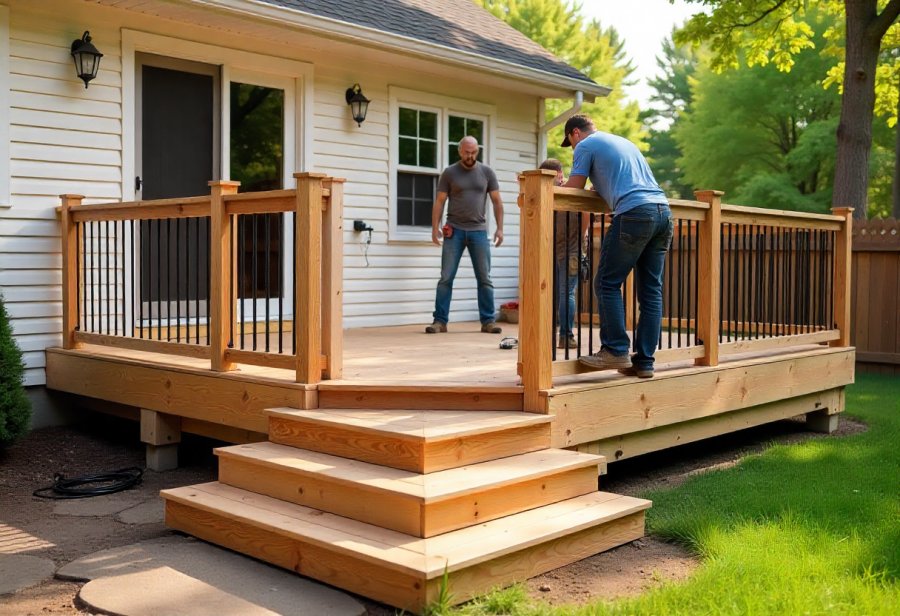
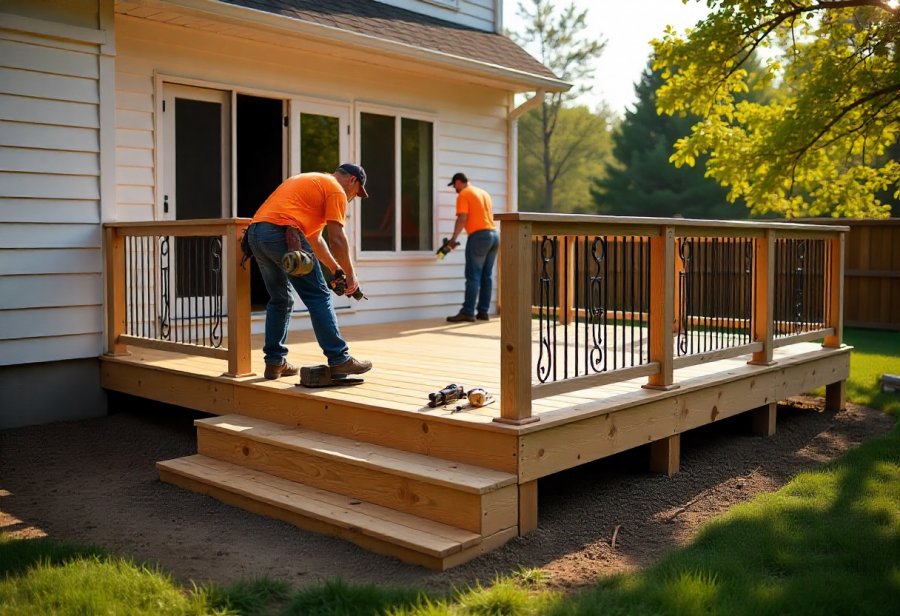
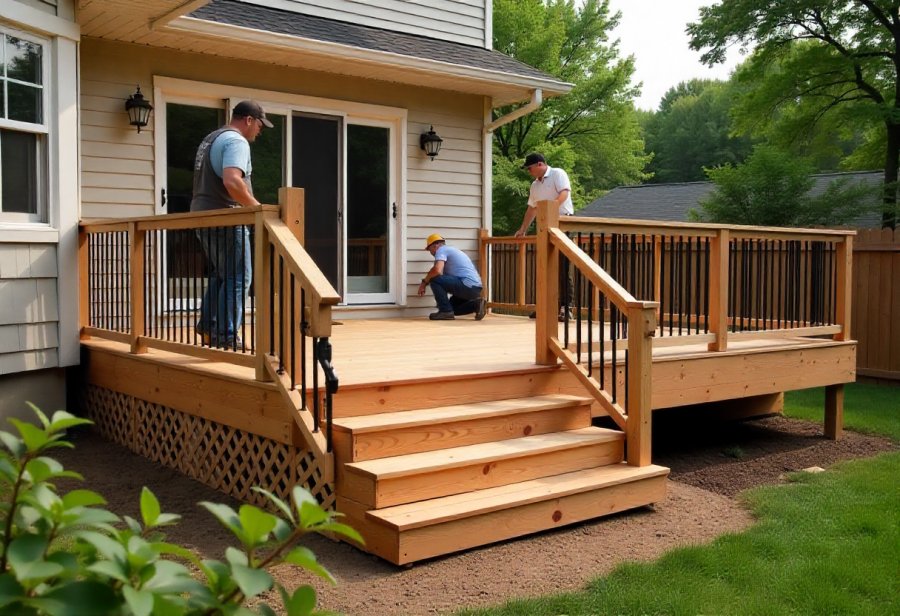
Transforming outdoor spaces with a custom deck is more than a project—it’s an art form that blends craftsmanship, design, and durability to create a personal retreat. From meticulous planning to high-quality materials, skilled builders craft decks that seamlessly connect indoor comfort with outdoor beauty. The process involves thoughtful features like artistic railings, built-in seating, and integrated lighting, elevating a simple platform into a versatile outdoor haven. As trends evolve, sustainability and smart technology are shaping the future, promising eco-friendly, innovative, and adaptable designs. Yet, amid these advancements, the essence remains rooted in craftsmanship—attention to detail, resilience, and timeless appeal. Will future decks merely reflect evolving trends, or will they continue to embody enduring artistry and quality? The promise is clear: a well-crafted deck today creates an outdoor sanctuary that endures, inspires, and stands as a lasting legacy for years to come.
Elevate Your Outdoor Space with Toronto Deck and Rail’s Expert Services
Transform your Toronto home’s outdoor area with Toronto Deck and Rail (TDR), the premier choice for deck building. Specializing in deck design, repair, and build, TDR offers a Premium Selection of materials coupled with White-Glove Service to ensure flawless results. Their transparent pricing guarantees no hidden costs, making your project stress-free. Whether you want a cozy backyard retreat or a spacious entertainment deck, trust TDR to bring your vision to life with quality craftsmanship. Contact them today at 289-277-4366 or email [email protected] to get started on your custom deck in Toronto, Ontario.
Transform Your Backyard Into a Personal Retreat with Custom Decks
A custom deck isn’t just an outdoor platform; it’s an extension of your home that can completely transform your backyard into a personal retreat. When thoughtfully designed and built with care, a deck becomes a lasting space where you can relax, entertain, or simply enjoy the outdoors. The real magic lies in craftsmanship—attention to detail, high-quality materials, and skilled construction ensure your deck not only looks great but also withstands the test of time and weather.
Choosing a custom design means tailoring your outdoor space to match your style and needs. Unlike off-the-shelf options, a personalized deck allows you to select the shape, size, and features that suit your lifestyle. Whether it’s a multi-level oasis, a cozy nook for quiet mornings, or an expansive area for gatherings, customization makes your backyard uniquely yours. It helps create a seamless flow between indoor and outdoor living, making your home feel more connected and inviting.
The craftsmanship involved is what elevates a good deck to an exceptional one. Skilled builders don’t just lay down wood—they craft visual harmony through precise joints, support, and finishes. They carefully select materials, execute exact cuts, and add thoughtful touches like decorative accents or integrated lighting. These details transform a simple outdoor platform into a beautiful, durable space that truly reflects the artisan’s skill.
Building a custom deck involves a process that balances planning with craftsmanship. It begins with understanding your needs and envisioning how the space will enhance your lifestyle. A detailed design considers layout, materials, and how to connect the deck smoothly with your landscape and home. Using weather-resistant materials like cedar, composite, or tropical hardwoods ensures longevity, while precise framing and support guarantee safety and stability.
Finishing touches—such as artistic railings, built-in seating, or subtle lighting—are what turn a basic deck into a personal sanctuary. These elements not only add visual appeal but also enhance functionality, creating zones for dining, lounging, or outdoor cooking. Thoughtful placement and quality materials ensure your deck remains inviting and practical for years to come.
A well-crafted custom deck reflects more than just craftsmanship; it’s a personal statement. When built with care, attention, and high-quality materials, your outdoor space becomes a durable retreat—an outdoor sanctuary designed to last and inspire. Investing in skilled craftsmanship today means enjoying a backyard haven that remains beautiful and functional through seasons and time.
From Planning to Perfection: The Complete Guide to Building Your Custom Deck
Building a custom deck begins with a clear vision of how you want to use the space and what features will best suit your lifestyle. Thoughtful planning sets the stage for a successful project, ensuring that every element aligns with your needs and aesthetic preferences. This initial phase involves detailed design work, considering layout, material choices, and how the deck will connect seamlessly with your landscape and home. A well-conceived plan helps avoid costly revisions later and guarantees that your outdoor retreat feels both functional and inviting.
Choosing high-quality materials is crucial for durability and longevity. Many homeowners prefer weather-resistant options like cedar, composite, or tropical hardwoods, which stand up to the elements and resist pests. Equally important are the fasteners and hardware—stainless steel or coated screws prevent rust and maintain a sleek appearance over time. Combining premium materials with expert craftsmanship results in a structure that not only looks stunning but also endures years of outdoor exposure with minimal maintenance.
The construction process demands precision at every step. Skilled builders focus on framing, support placement, and secure fastening to ensure stability and safety. Attention to detail—such as level alignment, consistent spacing, and seamless joints—creates a smooth, attractive surface that’s built to last. Techniques like hidden fasteners enhance the deck’s aesthetic while protecting it from unnecessary wear. These meticulous efforts ensure your deck remains structurally sound, capable of supporting outdoor activities for years to come.
Design features like built-in seating, artistic railings, and integrated lighting elevate a basic deck into a personal outdoor sanctuary. Thoughtful layout creates distinct zones for dining, lounging, or cooking, making the space versatile and inviting. High-quality finishes, such as stain or sealant, safeguard the materials and enhance their visual appeal. When executed with skill and care, these finishing touches transform your deck into a cohesive, stylish extension of your home.
Final details, including decorative inlays or custom balusters, add personality and charm. These artistic elements not only boost visual interest but also reflect your unique taste and lifestyle. Proper sealing and weatherproofing protect your investment, ensuring the space remains beautiful and functional through seasons of use. When craftsmanship is prioritized from start to finish, your deck becomes a durable, timeless retreat that enhances your outdoor living experience.
From initial concept to last finishing touch, building a custom deck is a process rooted in quality and care. It’s about creating an outdoor space that perfectly balances style, functionality, and resilience. With the right planning, materials, and craftsmanship, your new deck will stand as a lasting symbol of outdoor elegance—ready to host memories and moments for years to come.
Crafting Outdoor Durability: Standards, Trends, and the Art of Lasting Decks
Building a lasting custom deck depends on more than just innovative design; it hinges on strict adherence to current standards and a deep commitment to craftsmanship that endures over time. Modern building codes emphasize safety, support, and weather resistance, guiding builders to create outdoor spaces that can withstand years of exposure and use. Skilled artisans understand that every detail—from precise framing to seamless joinery—directly impacts durability, making craftsmanship the foundation of a deck’s longevity.
Today’s trends reflect a move toward sleek, minimalist aesthetics combined with smart features. Hidden fasteners, clean lines, and integrated lighting are now standard, giving decks a seamless, modern look. Materials have advanced beyond traditional wood; composite options offer low maintenance and resilience, while tropical hardwoods deliver strength and natural beauty. These shifts reveal a focus on outdoor spaces that balance style with durability, turning decks into valuable outdoor living investments.
Expert craftsmanship transforms these standards and trends into reality. Seasoned builders don’t just follow plans—they pay meticulous attention to every joint, support, and finish. This level of care ensures the deck remains stable, safe, and attractive year after year. They select the right fasteners, execute seamless finishes, and incorporate thoughtful details that protect against weather while elevating the aesthetic. Their work turns ordinary materials into outdoor art, where durability and design go hand in hand.
Sustainability also plays an increasingly vital role. Using responsibly sourced wood, recycled composites, or eco-friendly alternatives reduces environmental impact and enhances weather resistance. Protective coatings that resist UV damage, pests, and moisture further extend a deck’s lifespan. When combined with expert construction, these sustainable choices result in outdoor spaces that are not only beautiful but resilient, offering peace of mind for many seasons.
Craftsmanship is the true cornerstone of longevity. It’s about more than materials or blueprints; it’s about the skill, attention, and pride of the builder. When every detail is executed with care, the result is a durable, timeless outdoor retreat. This dedication to quality ensures your deck will stand strong against the elements, maintaining its beauty and functionality far into the future. It’s a craft rooted in tradition but driven by a passion for excellence.
In the end, building a lasting deck is a blend of industry standards, artistic vision, and meticulous execution. The most durable outdoor spaces are those where craftsmanship elevates every aspect—from framing to finishing touches—creating a seamless balance of strength and style. A well-built deck isn’t just an outdoor feature; it’s a lasting legacy, designed to withstand weather, time, and changing trends. When quality and care are prioritized, your outdoor retreat becomes a true reflection of craftsmanship and resilience that lasts for years to come.
Enhance Your Outdoor Lifestyle: Practical Applications of Custom Deck Designs
Custom decks are more than just aesthetic additions—they fundamentally transform how you enjoy your outdoor space. With a well-designed deck, your backyard becomes a seamless extension of your indoor living area, inviting relaxation, socializing, and memorable moments. Whether hosting lively gatherings or enjoying quiet mornings, these spaces create a natural flow that encourages outdoor living year-round.
Designing a custom deck allows you to carve out specific zones tailored to your lifestyle. Imagine a dedicated dining area with built-in seating for family meals, or a cozy corner with lounge chairs perfect for unwinding. Incorporating features like outdoor kitchens or fire pits elevates the experience, turning your backyard into an outdoor retreat that’s functional and inviting. Thoughtful layout and high-quality materials ensure these zones are both durable and stylish.
Durability remains a key consideration when planning your outdoor haven. Using weather-resistant materials such as composite boards or tropical hardwoods guarantees your deck can handle the elements for years to come. These choices reduce maintenance needs and resist pests, ensuring your space stays beautiful with minimal effort. Skilled craftsmanship ensures every support, joist, and fastener is precisely installed, so your deck remains safe and stable over time.
A custom deck also boosts your home’s curb appeal and property value. Unique design elements—like artistic railings, multi-level platforms, or integrated planters—add layers of visual interest that make your outdoor space stand out. When combined with durable finishes, these features create a cohesive aesthetic that reflects your personal style while promising longevity.
Beyond aesthetics, a well-crafted deck becomes a hub for everyday life. Hosting summer barbecues, celebrating birthdays, or simply enjoying a quiet evening with a book all happen more comfortably outside. When your deck is designed with both form and function in mind, it encourages more outdoor activity and strengthens connections with loved ones and nature alike.
Lighting, built-in benches, and entertainment systems further enhance usability, extending your outdoor living into the evening hours. These practical touches make your space versatile for various occasions, from casual gatherings to intimate family dinners. Well-planned features ensure your deck remains a welcoming, functional retreat no matter the season.
As outdoor living continues to grow in popularity, your custom deck can evolve with your needs. Modular layouts, smart technology, and sustainable materials will keep your space fresh and relevant. When built with care and attention, your deck becomes a lasting, personal sanctuary—an outdoor retreat designed to inspire and endure for years to come.
Innovating Outdoor Living: Future Trends in Custom Deck Building
Looking ahead, the future of custom deck building is poised to blend innovation with evolving homeowner desires. Sustainability will take center stage, with eco-friendly materials like recycled composites, responsibly sourced woods, and bamboo gaining popularity. These choices not only reduce environmental impact but also offer greater durability and less maintenance, ensuring decks can withstand years of outdoor exposure with minimal fuss. As awareness around green building practices grows, more homeowners will prioritize materials that are both beautiful and sustainable, creating outdoor spaces that reflect their values.
Smart technology is increasingly finding its way into outdoor retreats. Integrated lighting, automated watering systems, heating elements, and even sound systems are transforming decks into high-tech extensions of the home. Imagine adjusting your lighting or music remotely, or setting a temperature to keep outdoor gatherings comfortable year-round. These innovations make outdoor spaces more convenient, inviting, and adaptable, encouraging frequent use and enhancing the overall experience.
Design trends are shifting toward flexible layouts that can evolve with changing needs. Multi-level decks, modular components, and adaptable zones will become standard, allowing homeowners to reconfigure their outdoor retreats over time. The focus remains on creating seamless connections with natural surroundings while incorporating features like outdoor kitchens, fire pits, and versatile seating areas. This approach helps ensure your deck remains relevant, functional, and a true reflection of your lifestyle as it grows and changes.
Advances in construction techniques will continue to improve efficiency and craftsmanship. Precision tools, innovative fastening methods, and better protective coatings will reduce installation times and extend the lifespan of decks. Weather-resistant finishes and UV-protective sealants will keep outdoor spaces looking pristine longer, with less upkeep required. These technical improvements mean your deck will stand strong against the elements, maintaining its beauty and integrity for decades.
Integrated outdoor features will become more sophisticated and personalized. Custom lighting, built-in benches, outdoor kitchens, and entertainment systems will be designed to complement the overall aesthetic, turning decks into luxurious outdoor living rooms. These elements will be tailored to individual tastes, blending style with practicality to create outdoor sanctuaries that are both stunning and highly functional.
The emphasis on sustainability and innovation will drive craftsmanship to new heights. Skilled builders will adopt eco-conscious practices, use advanced materials, and incorporate smart features to craft outdoor spaces that are as resilient as they are beautiful. This synergy of artistry, technology, and environmental responsibility will redefine what’s possible in outdoor living, making decks more durable, stylish, and sustainable.
Despite rapid advancements, the core principles of craftsmanship—attention to detail, quality materials, and a passion for excellence—will remain unchanged. These timeless values ensure each deck is not just a design but a lasting legacy. As new techniques and materials emerge, true craftsmanship will continue to elevate outdoor spaces into enduring works of art. The future of custom deck building will be a dynamic balance of innovation and tradition, creating outdoor retreats that stand the test of time while delighting their owners.
A custom deck can transform your outdoor space into a personal sanctuary, seamlessly blending style and function. But as craftsmanship pushes the boundaries of beauty, does the pursuit of perfection risk overshadowing practicality? This exploration reveals how expert carpentry, innovative materials, and thoughtful design can create durable, aesthetically stunning outdoor retreats—yet warns of the pitfalls when ornamentation complicates maintenance and inflates costs. From intricate patterns to eco-friendly innovations, the future of decks promises smarter, more sustainable living spaces that reflect your lifestyle and values. Will embracing these advancements lead to truly timeless outdoor environments, or could the desire for flawless design compromise longevity? Discover how balancing artistry with practicality turns a simple backyard into a harmonious haven—an investment that elevates your home’s value and your quality of life, raising the question: what is the true cost of perfection in outdoor living?
Design Your Perfect Outdoor Extension with Custom Decks
A custom deck isn’t just an outdoor platform; it’s a personal extension of your home designed to match your style, needs, and outdoor lifestyle. Unlike standard options that come in fixed shapes and sizes, a custom deck is built from scratch, giving you the freedom to choose unique materials, shapes, and finishes. This flexibility allows your outdoor space to reflect your personality—whether you lean toward sleek modern lines, rustic charm, or something entirely one-of-a-kind.
What sets custom decks apart is their ability to blend design seamlessly with function. Builders work closely with homeowners to craft a space that complements the architecture of the house while addressing specific needs like built-in seating, integrated lighting, or shaped layouts that enhance flow. This tailored approach transforms an ordinary backyard into a personal retreat, elevating curb appeal and usability at the same time.
Beyond aesthetics, the significance of a custom deck lies in its capacity to turn outdoor areas into versatile living spaces. Thoughtfully designed features—such as cozy seating areas, shaded zones, or decorative railings—enhance the overall experience and invite more outdoor activity. When carefully planned, these decks create a smooth transition from indoor comfort to outdoor relaxation, making your yard feel like an extension of your home rather than just an afterthought.
Building a custom deck is as much about craftsmanship as it is about vision. Skilled carpenters bring technical skill and artistic sensibility, ensuring every element is precisely executed. From intricate joinery to carefully selected materials—like durable hardwoods or low-maintenance composites—they turn raw components into a lasting outdoor masterpiece. Attention to detail, from flawless joints to balanced proportions, makes all the difference in achieving a beautiful, durable result.
Ultimately, a custom deck offers more than added value; it creates a unique outdoor haven tailored to your lifestyle. Whether you envision a sleek, modern space or a cozy, natural retreat, the right design and craftsmanship can turn your backyard into a timeless retreat—an inviting space that elevates your outdoor living experience and stands the test of time.
Masterful Craftsmanship Turns Ideas into Outdoor Masterpieces
Building a custom deck is as much an art as it is a craft. It starts with precise measurements and careful planning, ensuring each component fits perfectly and the structure remains sturdy over time. Skilled carpenters bring both technical expertise and creative vision to every project, transforming raw materials into something that’s both functional and visually captivating.
Attention to detail is what elevates a deck from ordinary to extraordinary. Whether it’s a unique railing style, decorative pattern, or intricate joinery, these small touches add personality and charm. Carpenters focus closely on every joint, cut, and alignment, making sure each element flows seamlessly into the next, creating a harmonious whole.
Choosing the right materials is fundamental to craftsmanship. Hardwoods like cedar, redwood, or tropical options such as ipe lend warmth and durability, while composite decking offers a low-maintenance alternative that mimics natural wood. Finishes and sealants are carefully applied to enhance the natural grain or add subtle color, providing protection against weather, UV rays, and daily wear.
Achieving precision begins with meticulous measurements. Builders often use laser levels and digital tools to guarantee accuracy, ensuring every cut and joint is flawless. Even spacing, perfectly aligned railings, and balanced proportions may seem minor but significantly impact the final look and safety of the deck.
True craftsmanship involves blending artistry with practicality. Incorporating intricate patterns or custom features adds sophistication, but durability remains key. Weatherproof finishes, resilient fasteners, and thoughtful design choices help ensure the deck withstands the elements and maintains its beauty over time.
The best artisans don’t just follow plans—they infuse each project with a personal touch. Their mastery of techniques and careful material selection turn simple wood and composite into lasting outdoor statements. This combination creates decks that are not only beautiful but also built to endure, elevating outdoor living into an art form.
When craftsmanship and artistry come together seamlessly, the result is a deck that’s both stunning and durable. It becomes more than just an outdoor feature; it’s a reflection of skill, passion, and attention to detail. The magic lies in these small elements—where precision, creativity, and quality craftsmanship unite to craft something truly timeless.
Balancing Beauty and Practicality in Deck Design
Balancing aesthetic ambitions with practical needs is one of the biggest challenges in designing a custom deck. It’s easy to get caught up in envisioning intricate railings, decorative lighting, or bold shapes that make a statement. However, these features often come with higher costs, longer construction times, and sometimes even maintenance issues down the line. Focusing solely on looks can turn a beautiful deck into a costly, impractical project that doesn’t serve your everyday lifestyle.
Cost considerations quickly come into play when aiming for a high-end design. Exotic materials, detailed inlays, and elaborate patterns may look stunning, but they can push your budget beyond what’s reasonable for most homeowners. Overly complex layouts or fragile finishes might look impressive initially but tend to require frequent repairs or upkeep, which can become burdensome over time. Prioritizing aesthetics over durability risks turning your outdoor space into a short-lived showpiece rather than a long-term retreat.
Safety and longevity shouldn’t be overlooked in pursuit of style. Ornate or delicate details, while attractive, can be vulnerable to weather damage, UV rays, and everyday wear. Fragile finishes or intricate railings may look charming but often need constant maintenance or repairs. Choosing resilient materials and simple, clean designs can help your deck withstand the elements while still maintaining a sense of style and sophistication.
Budget and practical constraints also influence what’s feasible within your project scope. A dream design featuring multiple levels and custom features might sound ideal, yet it may not align with your financial or time limitations. Simplifying your plans—focusing on core elements that enhance usability and durability—can deliver a stylish, comfortable space without stretching resources too thin. This approach ensures your deck remains a functional part of your outdoor life rather than a source of frustration.
Finding the right balance means recognizing where aesthetics meet practicality. A deck that’s too ornate or complicated can quickly become a maintenance headache or a costly investment that doesn’t pay off. Prioritizing timeless, durable choices—like weatherproof finishes and straightforward designs—allows you to create a beautiful outdoor space that’s also practical and easy to care for. This way, your deck can be both a visual highlight and a reliable extension of your home.
Transform Your Backyard into a Personal Retreat
A well-designed custom deck has the power to completely transform outdoor living spaces, turning a simple backyard into a personal retreat. When thoughtfully crafted, a deck becomes more than just a platform; it’s an invitation to relax, entertain, and enjoy the outdoors in comfort and style. By adding features like built-in seating, cozy alcoves, or integrated lighting, the space invites daily use and makes outdoor gatherings more inviting. These thoughtful touches create zones within the yard—whether for dining, lounging, or play—making the entire outdoor area feel cohesive and purposeful.
Designing with purpose means considering how the space will be used throughout the year. Incorporating shading elements such as pergolas or canopies ensures comfort during warmer months, while weather-resistant finishes help the deck stand up to the elements. Durable materials like hardwoods or composites not only enhance the aesthetic but also reduce maintenance, allowing the deck to retain its beauty over time. When built with longevity in mind, the deck becomes a reliable extension of your home, ready to host summer barbecues or cozy winter evenings alike.
Custom decks also serve as a canvas for artistic expression. Unique shapes, decorative patterns, and personalized railings add character and reflect your style. A curved design or multi-level layout can mimic natural landscapes, breaking away from traditional rectangular forms and creating a more organic feel. These details elevate the visual appeal and make the outdoor space distinctly yours, encouraging more outdoor activity and socializing.
Practicality often influences the success of a deck’s design. Smart material choices and strategic layout help prevent common issues like warping, splintering, or weather damage. Thoughtful planning ensures that the space remains safe, functional, and easy to maintain. Features like slip-resistant surfaces, low-maintenance finishes, and simple clean-up routines keep the deck looking fresh and inviting year after year, without demanding excessive upkeep.
The true power of a custom deck lies in its ability to redefine how you experience your yard. It creates seamless transitions between indoor and outdoor living, making your outdoor space an integral part of daily life. Whether hosting lively parties or enjoying quiet moments alone, a well-crafted deck enhances the overall ambiance and usability of your outdoor environment. It transforms an ordinary backyard into a versatile, personal sanctuary.
In the end, a custom deck is more than just an outdoor feature—it’s a statement of lifestyle. When designed and built with care, it becomes a lasting space that elevates your home’s value and your quality of life. With the right balance of beauty, durability, and thoughtful planning, your outdoor area can evolve into a timeless retreat that brings joy and functionality for years to come.
Future Trends: Eco-Friendly, Smart, and Stylish Decks
Looking ahead, the future of custom decks is set to blend personalization with sustainability in exciting ways. New eco-friendly materials, such as weather-resistant composites and finishes that resist UV damage, are extending the lifespan of outdoor spaces while reducing maintenance. These innovations make it easier for homeowners to enjoy beautiful, durable decks that stand up to the elements without frequent repairs or replacements. As environmental awareness grows, designing with sustainability in mind will become a key part of creating outdoor retreats that are both stylish and eco-conscious.
Advancements in smart technology are also transforming outdoor living. Integrated lighting systems, heating elements, and automated controls allow decks to be customized for comfort and convenience at the touch of a button or a voice command. Imagine adjusting your deck’s ambiance for a cozy evening or controlling outdoor speakers remotely—these innovations turn outdoor spaces into seamless extensions of indoor comfort. As technology continues to evolve, decks will become more versatile, inviting, and responsive to our lifestyles.
Design trends are shifting towards more organic shapes and multi-level layouts that mimic natural landscapes. These fluid, dynamic forms break away from traditional rectangular designs, creating outdoor environments that feel more integrated with nature. Such layouts open up new possibilities—dedicated zones for dining, lounging, or gardening—making outdoor spaces more engaging and adaptable. This approach encourages homeowners to craft yards that reflect their personal style while harmonizing with the environment.
While visual appeal remains a priority, the focus is increasingly on creating outdoor spaces that are resilient and practical. Selecting durable materials, applying protective finishes, and designing for ease of maintenance ensures decks retain their beauty over time without becoming a burden. This balance between aesthetics and longevity means homeowners can enjoy their outdoor retreats for years, with less worry about repairs or deterioration. The goal is to craft spaces that are not only stunning but also dependable.
Ultimately, the evolution of custom decks is about more than just looks—it’s about enhancing outdoor living in meaningful ways. By embracing innovative materials, smart technologies, and thoughtful designs, homeowners can create timeless retreats that reflect their personal style and stand the test of time. A well-crafted deck becomes a true extension of the home—a space for relaxation, connection, and lifelong memories. As the boundaries of outdoor design expand, so too does the potential to turn your yard into a sanctuary that combines beauty, practicality, and sustainability.
Embark on a humorous yet insightful journey into the chaotic world of DIY computer upgrades. While the promise of faster, more personalized machines sparks excitement, the reality often involves tangled wires, missing screws, and surprises that test patience and humor. This guide reveals how seemingly simple enhancements quickly spiral into puzzles of compatibility, cable spaghetti, and unexpected mishaps—each mishap transforming frustration into laughter. Yet, beneath the chaos lies a rewarding process of learning, mastery, and confidence-building. With expert tips on planning, organization, and safety, readers are encouraged to embrace the unpredictable nature of hardware tinkering. Are you ready to turn a messy, nerve-wracking experience into a triumphant skill-building adventure? Through patience, preparation, and a sense of humor, mastering the art of DIY upgrades becomes not just achievable but genuinely enjoyable.
Transforming Sluggish Systems: The Joys and Jokes of DIY PC Upgrades
Upgrading your computer is often driven by a simple desire: to make it faster, more capable, or just more personalized. Maybe your laptop slows down when you’re trying to get work done, or your gaming rig isn’t delivering the smooth experience you expect. At some point, many of us get that itch to tinker—swapping out old parts for new ones and squeezing every ounce of performance or style from our machines. There’s a satisfying sense of accomplishment in transforming a sluggish setup into a snappy, tailored device.
But if you’ve ever opened up your computer, you know it’s not always as straightforward as it seems. What starts as a quick “just add more RAM” can quickly turn into a full-blown project. Suddenly, you’re surrounded by a jumble of cables, tiny screws, and manuals that seem written in a language only tech enthusiasts understand. It’s easy for the process to spiral into chaos, with missing screws, tangled wires, or accidentally knocking over a drink onto your workspace. The chaos can be overwhelming, even for those with some experience.
Despite the mess, there’s a certain charm to the whole process. Getting your hands dirty, figuring out how hardware fits together, and finally seeing your upgraded system come to life makes it all worthwhile. Even when parts are incompatible or static shocks happen, the sense of achievement when everything powers up is unmatched. Each small success builds confidence, turning what once seemed complicated into a rewarding challenge.
What makes DIY upgrades so unpredictable is the small steps that can go wrong, often in amusing ways. Cable management, in particular, can turn into spaghetti wiring that makes troubleshooting a nightmare later on. Missing screws seem to vanish into thin air, and misplaced connectors can cause headaches or hardware issues. These everyday hurdles transform a simple task into a humorous adventure—full of surprises, mishaps, and stories to laugh about afterward.
In the end, upgrading your PC isn’t just about better performance; it’s about embracing the chaos. It’s about learning as you go, accepting the mess, and finding humor in the mishaps. Every tangled wire and missing screw becomes part of your story—proof that you’ve been through the process and came out with a working, upgraded machine. And that feeling of powering up your own build? It’s a satisfaction that’s hard to match.
The Hilarious World of Tech Upgrade Chaos
Once you dive into tinkering inside your computer, funny moments tend to happen just when you least expect them. Take the classic scenario where someone is carefully installing a tiny screw, only to drop it into the depths of their desk—or, worse, inside the case itself—where it vanishes without a trace. Suddenly, you’re rummaging through a mountain of wires and components, trying to find that elusive piece, all while hoping it doesn’t get lodged somewhere forever. These little mishaps turn a simple upgrade into a comedy of errors that everyone who’s done DIY knows all too well.
Then there’s the chaos of plugging in cables and power supplies. Imagine the horror when you realize you’ve connected a cable backwards or into the wrong port, causing sparks or smoke to billow out. The panic that follows is almost universal—eyes wide, hands trembling, and a frantic scramble to unplug everything before things get worse. It’s these moments that remind us how unpredictable and fragile DIY upgrades can be, even for experienced builders. It’s part of what makes the process both nerve-wracking and hilarious.
Cable spaghetti is another staple of the upgrade journey. What starts as a neat, organized setup often devolves into a tangled mess of wires resembling a bird’s nest more than a tidy build. Trying to untangle or route wires neatly becomes a puzzle where one wrong move can tighten the knots or disconnect a crucial component. Feeling blindly in the dark, searching for the right connector or trying to fit a cable into a tiny port, all add to the frustration. It’s a test of patience that often results in a tangled web of wires—an inevitable, yet comic, side effect of DIY adventures.
Stories of hardware mishaps are almost too funny to believe. There’s the person who spends hours installing a graphics card, only to discover they’ve plugged the power connector into the wrong port, causing smoke and a moment of sheer panic. Or the one who, in a rush, knocks over a cup of coffee onto their open case, turning a straightforward upgrade into a mini disaster. These anecdotes become legendary among DIYers, serving as both cautionary tales and badges of honor. They remind us that no matter how careful we try to be, chaos always seems to find a way to sneak in.
All these moments underscore one thing: DIY upgrades are unpredictable and often hilarious. From screws that vanish into thin air to cables that seem to have a life of their own, these stories are shared in forums and gatherings, turning frustration into laughter. They teach us that perfection isn’t the goal—embracing the chaos, learning from each mistake, and enjoying the ride make every build memorable. When your system finally powers up and runs smoothly, those chaotic stories become badges of experience, proof that you’ve survived—and maybe even enjoyed—the wild ride of building your own PC.
Navigating the Chaos: Tips and Strategies for a Smooth Build
Before you even begin, taking a moment to plan your upgrade can save hours of frustration. Double-check compatibility for your motherboard, RAM, and graphics card—reading manuals and online specs helps prevent costly mistakes. Making a detailed checklist of parts and steps keeps you organized and reduces chances of missing something crucial. Laying out your tools and small containers for screws and tiny parts means fewer lost pieces and quicker reassembly. When everything is within reach, the process flows more smoothly, and you won’t find yourself scrambling for that one missing screwdriver or connector.
Patience is your best friend once you start. Working slowly and methodically minimizes errors and keeps your nerves intact. Rushing often leads to misconnected cables, upside-down components, or forgotten screws, all of which can turn a straightforward upgrade into a headache. Double-check each connection before powering up—this simple step can save you from static shocks or hardware damage. Follow online tutorials or manufacturer instructions to stay on track; these guides can clarify tricky steps and prevent mishaps. Slowing down might feel counterintuitive, but it’s the best way to avoid chaos.
Keeping your workspace tidy isn’t just about looks—it’s a practical move that reduces stress. Use labeled containers, magnetic trays, or masking tape to organize screws and cables. Label each cable as you disconnect it, so reassembly is straightforward and mistake-free. Disconnect one cable at a time and reconnect immediately; this prevents a tangled mess of wires that can turn your build into a spaghetti nightmare. An organized space makes troubleshooting easier and keeps accidental disconnections or damage at bay.
Electrostatic discharge can cause real damage, so don’t skip safety precautions. Wear an anti-static wristband and work on a non-conductive surface. Handle components by their edges, avoiding contact with gold contacts or circuits. Ground yourself frequently by touching the case to discharge static buildup. These small steps protect your hardware, prevent costly repairs, and make the upgrade process smoother, helping you stay calm amid the chaos.
Expect surprises, even with the best plan. Screws will go missing, cables will tangle, and parts might resist fitting just right. When things don’t go as expected, pause, breathe, and revisit your plan. Sometimes, a quick online search or watching a tutorial can offer a fresh perspective or an easier solution. Flexibility and patience turn potential setbacks into manageable bumps rather than full-blown disasters. Remember, staying calm helps you think clearly and keeps frustration in check.
Testing components outside the case can save you a lot of trouble. Boot your system with the new hardware outside the chassis to verify everything works properly. This quick check can reveal issues early, saving you from tearing apart your build later. It’s a simple step that seasoned tech enthusiasts swear by—saving time, reducing chaos, and boosting confidence before you finalize your assembly.
Finally, lean on online communities and forums when you hit a snag. Chances are, someone else has faced the same problem and shared a solution. These resources can provide troubleshooting tips, new ideas, or just reassurance that you’re not alone in the chaos. Sharing your experience and learning from others turns a frustrating moment into a learning opportunity. Embracing this collective knowledge turns DIY upgrades from a stressful task into a shared adventure, making each success even sweeter.
Expert Insights and Best Practices for Successful Upgrades
Seasoned technicians emphasize that a successful DIY upgrade begins with thorough preparation. Taking the time to read manuals, verify component compatibility, and understand each part before starting can prevent costly mistakes and a lot of frustration later. Rushing into a build without this groundwork often leads to hardware conflicts or incompatible parts that turn a simple project into a chaotic mess. Investing a little extra time upfront—whether in research or planning—pays off by making the entire process smoother and more predictable.
Safety should never be overlooked. Experts universally recommend using an anti-static wristband and working on a non-conductive surface to protect sensitive components. Handling parts by their edges, rather than touching circuits or gold contacts, significantly reduces the risk of static discharge. Grounding yourself regularly by touching the case helps prevent static buildup. These small precautions might seem minor but can save you from costly damage that could turn your upgrade into a hardware disaster.
Organization is key to minimizing mess and mistakes during a build. Keeping screws, connectors, and small parts in labeled containers or magnetic trays makes reassembly straightforward. Labeling cables with masking tape or color-coded ties before disconnecting them ensures you won’t forget where each belongs. Connecting and disconnecting one cable at a time prevents a tangle of wires that can turn your workspace into a spaghetti nightmare. A tidy, well-organized setup not only speeds up troubleshooting but also keeps stress levels low, making the upgrade feel less chaotic.
Many professionals swear by testing components outside the case whenever possible. Booting the system with new hardware outside the chassis can reveal issues early, saving you from tearing apart your build twice. This quick step allows you to verify that everything works correctly before final assembly, reducing the chances of static shocks or miswired connections that cause headaches later. It’s a small but powerful tip that can turn a frustrating upgrade into a confident, smooth process.
Finally, don’t underestimate the value of community knowledge. Online forums and expert tutorials can be lifesavers when you hit a snag. Chances are, someone else has faced the same challenge and shared a straightforward solution. Tapping into these resources not only accelerates troubleshooting but also boosts your confidence, knowing you’re part of a larger community of builders. Embracing this collective wisdom transforms a potentially overwhelming task into a manageable and even enjoyable learning experience, helping you upgrade with confidence and a sense of camaraderie.
Conclusion & Next Steps: Turning Chaos into Confidence
Wrapping up your DIY computer upgrade journey, the key is to remember that thorough preparation and a calm attitude turn chaos into a rewarding experience. Taking the time to research your components, verify compatibility, and organize your workspace sets a strong foundation for success. When you approach each step with patience and confidence, the inevitable surprises—missing screws, tangled cables, or stubborn parts—become manageable bumps rather than major setbacks. Every challenge you overcome not only improves your hardware but also boosts your skills and confidence for future projects.
Staying patient and adaptable is crucial when things don’t go perfectly. Rushing or skipping safety precautions can lead to mistakes or damage, so slowing down and double-checking connections makes a big difference. When you take your time, each step feels more controlled, and the chaos of the process diminishes. The satisfaction of powering up a system you built yourself, running smoothly and faster than before, makes all the effort worthwhile. It’s a reminder that patience and careful work are your best tools in navigating the chaos.
Looking ahead, continue to stay curious about new hardware, techniques, and community insights. Each upgrade builds your confidence and understanding, making the next one easier and less stressful. Online tutorials, forums, and manufacturer updates are valuable resources that offer fresh ideas and troubleshooting tips. Embracing a mindset of continual learning transforms DIY upgrades from daunting tasks into enjoyable adventures. With each project, you refine your skills and turn chaos into a manageable, even fun, part of your tech journey.
Trust in your ability to handle the unpredictable. Every successful build reinforces that you’re capable of tackling more complex projects. When you approach upgrades with preparation, patience, and a sense of humor, even the messiest moments become part of a satisfying story. These experiences teach resilience and problem-solving, turning setbacks into opportunities to learn. Over time, what once seemed chaotic becomes familiar territory, and your confidence as a builder grows stronger.
In the end, building or upgrading your PC isn’t just about better specs—it’s about embracing the process. The chaos, the surprises, and the occasional mishap are all part of the experience. With the right mindset, organization, and patience, you can transform what feels overwhelming into a rewarding journey. Each successful upgrade not only enhances your machine but also proves that with a little preparation and a lot of perseverance, you can master the art of navigating the hilarious, sometimes chaotic world of DIY tech upgrades.
Step into the heart of the backyard mechanic’s sanctuary, where passion, patience, and craftsmanship ignite in every turn of the wrench. This space isn’t just a garage—it’s a personal haven where old machines are reborn and skills are honed through meticulous organization, thoughtful design, and personal touches. But what secrets lie behind this ritual of restoration? Beyond the oil-stained concrete and cluttered workbenches, there’s a deeper story of dedication, community, and the timeless pursuit of mastery. Today’s garages symbolize more than nostalgia; they embody authenticity in an era of rapid speed and convenience. As you explore this world, you’ll discover that transforming a simple space into a sanctuary of revival is an ongoing journey—filled with milestones, setbacks, and invaluable lessons. Are you ready to unlock the full potential of your own garage and uncover the secrets hidden within its walls?
Transform Your Garage Into a Sanctuary of Passion and Craftsmanship
A backyard mechanic’s garage is more than just a place to store tools or park a car; it’s a personal sanctuary where passion for craftsmanship comes alive. It’s a space that evolves from a simple shed into a haven of creativity, patience, and skill. The scent of oil, metal, and old rubber mingles with the quiet satisfaction of turning a wrench or rebuilding an engine—each task telling a story of dedication and love for machines.
This transformation begins with thoughtful design and organization. A well-arranged garage isn’t just about cleanliness—it’s about creating an environment that sparks inspiration and supports efficient work. When tools are within easy reach, workbenches are sturdy and well-placed, and designated zones are clear, tackling vintage restorations or engine rebuilds becomes a more enjoyable process. It’s about making the space work for you, not against you.
The structure of the garage plays a vital role in fostering this sense of sanctuary. Durable workbenches, wall-mounted tool racks, and organized shelving turn chaos into order. Good lighting—whether natural sunlight or bright LED fixtures—illuminates detailed work, reducing mistakes and enhancing focus. A sturdy floor, level and slip-resistant, keeps fatigue at bay and ensures safety during long hours of craftsmanship. Every element, from tool placement to ventilation, contributes to a space that encourages patience and mastery.
Over time, many garages develop their own character, reflecting their owner’s personality and passions. Personal touches like vintage signs, display shelves with prized parts, or mementos from past projects add inspiration and pride. Achieving milestones—restoring a vintage engine or rebuilding a classic car—often prompts upgrades, making the space even more functional and inspiring. These changes turn the garage into a living, breathing sanctuary of passion, where every project builds confidence and skill.
This space isn’t just about fixing cars; it’s about creating a personal retreat where craftsmanship and patience reign. It’s a quiet place to unwind, learn, and express a love for machines. When organized with care, protected by safety measures, and filled with personal touches, the garage becomes a true sanctuary—one that nurtures every mechanic’s desire to turn rust into revival and dreams into reality.
Building the Core: How Structure and Organization Shape Your Personal Workshop
The garage’s transformation from a simple storage space into a personal sanctuary begins with thoughtful design and organization. It’s where a passion for mechanics is reflected in every detail—from sturdy workbenches to carefully arranged tool storage. Over time, owners realize that a well-organized space isn’t just about tidiness; it’s about creating an environment that sparks creativity and supports efficient workflow. When tools are within arm’s reach and work zones are clearly defined, tackling vintage restorations or engine rebuilds becomes more enjoyable and less frustrating.
The structure of the garage plays a crucial role in shaping this sense of sanctuary. Many enthusiasts invest in durable workbenches built to withstand years of heavy use, positioning them for maximum accessibility. Wall-mounted pegboards and tool racks keep everything visible and within easy reach, reducing clutter and saving valuable time. Shelves and storage bins separate different parts, fluids, and specialized equipment, turning chaos into order. These elements work together to create a workspace that feels more like a dedicated workshop than a cluttered shed, encouraging focus and craftsmanship.
Beyond organization, the garage’s structural elements support safety and comfort. Good lighting—whether through natural sunlight or bright LED fixtures—illuminates work areas, making detailed tasks easier and reducing mistakes. Proper ventilation, often achieved through exhaust fans or open doors, helps manage fumes and keeps the space fresh during long sessions. A sturdy, level floor minimizes fatigue and prevents accidents, reinforcing safety while allowing for hours of focused work. Every detail, from the placement of tools to the surfaces’ quality, contributes to an inspiring environment where skills can grow and projects can flourish.
Many garages evolve from cluttered storage spaces into carefully curated environments that reflect their owners’ personalities and passions. Personal touches like vintage signs, display shelves with prized parts, or mementos from past projects add character and motivation. Achieving milestones—such as restoring a vintage engine or rebuilding a classic car—often prompts upgrades, making the space even more functional and inspiring. These changes reinforce the idea that the garage is a living, breathing sanctuary—one that grows and adapts with each new project and skill learned.
This evolution isn’t just about aesthetics; it’s about practicality. Proper storage prevents tools from getting lost, while good lighting and ventilation ensure detailed work can be done safely and comfortably. Safety gear like gloves and masks become routine, transforming the garage from a potential hazard zone into a reliable workshop. Every element, from layout to tools, supports the mechanic’s passion and craftsmanship, laying a solid foundation for future projects. It’s a space designed for patience, mastery, and love for machines.
In essence, the structure and organization of the garage elevate it from a mere shed to a true sanctuary. It’s a place where old machines are reborn, new techniques are mastered, and memories are made. When thoughtfully arranged and maintained, the garage becomes more than just a workspace—it becomes a personal retreat that nurtures patience and skill. This environment fuels ongoing growth, inspiring every turn of the wrench and every revival of a vintage machine.
Ultimately, the garage’s true strength lies in its ability to adapt and reflect its owner’s evolving passions. With each upgrade, each project completed, the space becomes more than a collection of tools—it becomes a testament to dedication, craftsmanship, and the love of restoring what once was lost. When organized with care and filled with personal touches, it transforms into a sanctuary where rust turns to revival and dreams become reality. This is the heart of the home mechanic’s space—a place where passion is built, nurtured, and celebrated daily.
Modern Perspectives: The Cultural Significance of Your Garage Sanctuary
Today, the backyard mechanic’s garage stands as much more than a simple workspace; it’s a potent symbol of authenticity and craftsmanship in an era increasingly driven by speed and convenience. While some view these spaces as nostalgic relics, many enthusiasts and industry insiders see them as vital hubs for preserving automotive history and celebrating the DIY spirit. These garages embody patience, attention to detail, and personal mastery, standing in contrast to the efficiency-focused, commercial repair shops of today.
Media portrayals have played a significant role in shaping how we perceive these garages. TV shows, social media channels, and restoration documentaries often spotlight dramatic before-and-after transformations, turning humble workshops into stages for storytelling and skill showcase. These narratives inspire viewers to see their own spaces as places of potential and craftsmanship, even if the glamour of the final product sometimes overshadows the long hours and setbacks behind the scenes. The focus on quick results can sometimes mask the true dedication involved in authentic restoration work.
Within car culture, backyard garages are revered as environments where genuine craftsmanship thrives. They’re viewed as spaces where mechanics have the patience to do things right—restoring vintage vehicles as an art form and valuing precision over speed. Enthusiasts appreciate the meticulous organization, the artistry involved, and the pride that comes from reviving old machines. These garages foster not just technical skills but also a deeper connection to automotive history and community, reinforcing their cultural significance.
The rise of social media and digital platforms has sparked both admiration and debate. While many celebrate the visibility these platforms provide, critics worry that flashy builds and viral videos might distort the core values of craftsmanship. There’s concern that aesthetics or quick results could overshadow patience and skill. Still, many see these platforms as opportunities to share knowledge, inspire newcomers, and uphold the integrity of true restoration—ensuring that the spirit of the backyard mechanic remains alive amidst modern influences.
Across regions and cultures, garage spaces reflect local traditions and passions. In America, the DIY ethos is rooted in muscle cars and vintage restorations, emphasizing resourcefulness and hands-on learning. European garages often focus on precision and craftsmanship, especially within classic car circles. Meanwhile, Japanese tuning and customization highlight innovation and aesthetic flair. Despite these differences, the core idea remains: the garage is a personal sanctuary where passion, patience, and craftsmanship are celebrated and preserved, making it a timeless symbol of automotive culture.
Hands-On Success: Practical Steps to Elevate Your Garage Into a Masterpiece
Getting started with transforming your garage into a true sanctuary of craftsmanship can seem daunting, but breaking it into manageable steps makes the process easier. Begin by decluttering—clear out unnecessary items, old parts, and tools that no longer serve a purpose. Creating open space not only makes the area more inviting but also provides room for your projects to thrive.
Next, focus on organizing your tools. Invest in simple storage solutions like pegboards, shelves, or tool chests. Arranging your tools by function or size makes them easier to find and access, turning chaos into order. When everything has its designated spot, your workflow improves, and tackling vintage restorations or engine rebuilds becomes much smoother.
Building a sturdy workbench is essential. It doesn’t have to be elaborate—just a reliable surface that can withstand heavy use. Position it where you get good lighting, whether natural or artificial, to make detailed work safer and more precise. As your projects grow more ambitious, consider adding specialized equipment such as grinders, welders, or parts washers. Focus on creating a solid foundation that you can expand upon over time.
Inspiration often comes from online forums, restoration videos, or local meetups. Spend time exploring these resources to pick up new techniques or ideas for your garage. Don’t hesitate to ask questions or seek advice—most enthusiasts are eager to share what they’ve learned. Remember, patience is key. Setbacks like stuck bolts or parts that don’t fit right are part of the process and offer valuable learning opportunities.
Document your progress through photos, journals, or videos. Tracking your journey helps you see how your skills and space evolve, and projects like restoring a vintage motorcycle or classic car turn a basic garage into a workshop of mastery. Sharing your progress with others, either online or locally, can motivate you and foster a sense of community.
Finally, develop routines for regular cleaning and reorganization. Keep tools in their designated spots, review your storage setup periodically, and discard unused items. Good lighting and proper ventilation are just as important—they improve safety, reduce fatigue, and make long sessions more comfortable. Creating a resource library with manuals, parts catalogs, and tutorials saves time and helps troubleshoot issues efficiently. With consistent effort, your garage becomes a true hub of learning, creativity, and passion—a sanctuary where rust turns into revival and dreams into reality.
Final Reflections and Future Journeys: Keep the Passion Alive in Your Mechanical Retreat
Every time you step into your garage, you’re entering a space filled with endless potential for growth and discovery. Turning a simple shed into a sanctuary of craftsmanship isn’t a one-time achievement; it’s an ongoing journey. With each project, whether it’s reviving a vintage engine or organizing your tools more efficiently, you’re building skills and creating memories that deepen your connection to your space and passion.
The secrets of your garage reveal themselves gradually, often through small victories—completing a restoration, mastering a new technique, or simply finding a better way to organize. These moments fuel your enthusiasm and remind you that patience and persistence pay off. Your garage becomes more than just a workspace; it transforms into a personal laboratory where dedication turns rust into revival and dreams into tangible results.
As your skills grow, so does your environment. Setting new goals, trying out innovative methods, or upgrading your tools keeps the process fresh and exciting. Every challenge, from stubborn bolts to tricky wiring, is an opportunity to learn and improve. Sharing your progress with friends, fellow enthusiasts, or online communities can boost motivation and inspire new ideas, making the journey communal and enriching.
Remember, the value of your garage isn’t just in the projects you complete but in the stories, lessons, and skills you collect along the way. It’s a place where patience and craftsmanship intertwine, creating a sanctuary that reflects your love for machines and your dedication to mastering them. The more you nurture it, the more it becomes an extension of yourself—a space that evolves alongside your passions.
Keep nurturing your curiosity and pushing your boundaries. Every new project or upgrade fuels your passion and keeps your garage vibrant. Over time, this space will continue to adapt, welcoming new tools, ideas, and challenges that inspire ongoing learning and mastery. It’s a reflection of your commitment—the heart of your passion for vintage revival and mechanical artistry.
In the end, the true treasure isn’t just in the restored machines or the organized shelves, but in the journey itself—the patience, effort, and joy of creating something lasting. Your garage is more than a workspace; it’s a testament to your love for craftsmanship and your desire to keep the spirit of restoration alive. Stay curious, keep exploring, and let your passion continue to turn rust into revival, one project at a time.
In an age dominated by digital noise and fleeting connections, could the simple act of tending a garden together unlock deeper bonds and true healing? This exploration reveals how shared outdoor activities, rooted in patience and teamwork, transcend mere horticulture to foster trust, communication, and emotional resilience. Historically, cultures worldwide recognized gardening as a communal ritual that strengthened social ties, a tradition now echoed in modern therapeutic practices and community projects. Working side-by-side in the soil cultivates mindfulness, reduces stress, and creates moments of collective achievement, transforming everyday tasks into acts of love and understanding. Could nurturing plants be the key to restoring genuine human connection—one seed, one shared effort at a time? As this approach helps mend emotional wounds and builds lasting bonds, it challenges us to reconsider how simple, intentional acts of care can cultivate growth—not just in gardens but within ourselves and our relationships.
Reconnect and Heal Through Shared Gardening
In a world that moves faster than ever and is saturated with screens and digital noise, genuine human connection can sometimes feel out of reach. We often find ourselves rushing through routines, distracted by notifications, and missing the simple pleasure of meaningful interactions. Yet, there’s something profoundly grounding about working with your hands in the soil—especially when shared with someone else. Gardening together isn’t just about planting flowers or vegetables; it’s about creating a space where patience, care, and teamwork can flourish naturally.
This activity offers more than the satisfaction of seeing plants grow. It’s a quiet, accessible way to slow down, communicate, and reconnect. When you tend to a garden side-by-side, you engage in a timeless ritual that fosters trust and understanding without words. It’s a moment to be present with nature and each other, away from the constant hum of digital distraction. Over time, these shared efforts can build stronger bonds and deepen emotional connections rooted in mutual care.
The idea that outdoor activities can promote emotional healing isn’t new. Throughout history, humans have used gardening as a tool for connection—whether through communal plots, spiritual ceremonies, or cultural traditions. Many societies recognized that tending to plants together helps reinforce community bonds and cultural identity. Modern research supports this, showing that working outdoors with others reduces stress, improves mood, and creates a sense of achievement that’s amplified when shared.
Working side-by-side in a garden naturally encourages communication and collaboration. From planning what to plant to dividing chores like digging, watering, or pruning, each step requires cooperation and patience. Celebrating small victories, like a sprouting seed or a blooming flower, reinforces a sense of collective accomplishment. These moments turn gardening into more than a task—they become a shared ritual of trust and emotional connection.
Gardening together taps into a deep human need for connection and nature. It transforms ordinary tasks into opportunities for growth—both in plants and in relationships. Whether planting seeds, nurturing flowers, or harvesting vegetables, each act of care becomes an act of healing that can help mend emotional wounds and foster understanding. In a world increasingly disconnected, tending a garden side-by-side reminds us that real, tangible bonds rooted in effort and patience are still possible.
The Ancient Roots and Cultural Foundations of Gardening as a Bonding Ritual
Gardening has been a fundamental part of human life for thousands of years, serving purposes that go well beyond simply growing food or beautifying spaces. Throughout history, communities across different cultures have turned to gardening as a way to bring people together. Whether through shared plots, communal tasks, or spiritual practices, tending to plants has long been recognized as more than just an activity—it’s a social act that fosters cooperation, trust, and a sense of belonging.
Ancient civilizations like Egypt, Greece, and China embedded gardening into their daily routines and cultural traditions. These societies understood that working together in the garden could reinforce community bonds and cultural identity. Shared gardening or farming was often a key element of social life, transforming a practical task into a ritual of mutual support and collective achievement. These practices helped to strengthen social cohesion and create a sense of shared purpose.
Over time, the understanding of gardening’s role in connection and healing deepened. In Japan, for example, the concept of “tsukiai” involved collaborative gardening as a way to promote harmony and social support. Indigenous communities worldwide used gardening as both a spiritual practice and a communal activity, nurturing relationships alongside their crops. These long-standing traditions show that, regardless of where or when, gardening has consistently served as a bridge for bringing people closer, emphasizing teamwork and shared responsibility.
The structure of shared gardening naturally encourages communication and cooperation. From planning what to plant to dividing tasks like digging, watering, or pruning, each step requires collaboration and patience. Working side by side creates a rhythm of mutual support, where understanding and patience are essential. Celebrating small victories—such as a sprouting seed or a blossoming flower—reinforces a collective sense of achievement, turning gardening into a meaningful ritual of trust and emotional bonding.
In recent decades, the role of gardening has expanded into modern wellness and therapeutic practices. Community gardens and horticultural therapy programs are now widely recognized for their ability to support emotional well-being and foster social bonds, especially in urban areas where social isolation can be a challenge. These initiatives highlight that gardening isn’t just about cultivating plants; it’s about cultivating relationships, offering a natural, accessible way to support healing and build community.
Looking back, the history and structure of gardening reveal a consistent pattern: tending to plants together naturally nurtures cooperation, trust, and emotional resilience. From ancient communal plots to contemporary therapeutic gardens, the act of working side by side in the soil remains a powerful foundation for connection. This enduring practice reminds us that, at its heart, gardening is about more than growth—it’s about growing together.
Modern Perspectives: Gardening’s Role in Mental Health and Emotional Well-being
In recent years, the idea that gardening offers more than just aesthetic appeal has gained significant traction. Today, mental health professionals and community organizers increasingly highlight gardening as a powerful tool for emotional well-being. Working with plants and soil provides a gentle way to reduce stress, manage anxiety, and combat depression. The physical act of nurturing life encourages mindfulness—keeping us present—and offers a tangible sense of accomplishment as we see our efforts grow into vibrant results. Sharing this process with others amplifies these benefits, turning a simple activity into a meaningful bonding experience.
Community gardens and therapeutic horticulture programs are thriving, especially in urban environments where social isolation and mental health challenges are prevalent. These shared outdoor spaces are designed not only for growing food or flowers but also for fostering social ties and emotional resilience. When people come together to plant, tend, and harvest, they forge connections rooted in a common purpose. The act of caring for something collectively creates a supportive environment where empathy and communication flourish, helping participants feel less alone.
Personal stories and research alike emphasize gardening’s calming effects. Neighbors working side-by-side, friends nurturing a community plot, or families creating a garden to support a loved one’s healing demonstrate how caring for plants cultivates patience, empathy, and shared joy. Watching a seed sprout or a flower bloom becomes more than a visual delight—it symbolizes personal growth and resilience. These moments foster hope and reinforce the idea that caring for something outside ourselves can help mend emotional wounds.
Cultural attitudes toward gardening continue to evolve, recognizing its vital role in mental health care. Many countries now incorporate horticultural therapy into hospitals, clinics, and rehabilitation centers. Scientific studies back this up, showing that gardening lowers cortisol levels, reduces blood pressure, and boosts positive emotions. Our innate connection to nature acts as a natural balm for the mind, making gardening an accessible, effective form of emotional support that resonates across different ages and backgrounds.
Despite the growing enthusiasm, some remain cautious about viewing gardening as a cure-all. Critics point out that for severe mental health issues, outdoor activities should complement—rather than replace—professional treatment. Frustrations can also arise if plants don’t thrive as expected, potentially leading to feelings of failure instead of healing. Nonetheless, the positive impact of shared gardening remains evident, especially when approached with patience and realistic expectations.
The increasing presence of green spaces and outdoor therapy programs highlights a shift toward embracing gardening’s therapeutic potential. These initiatives foster patience, confidence, and social bonds—key ingredients for emotional healing. Mindfulness practices integrated into gardening routines deepen these benefits, making the act of tending plants a meditative experience. As awareness spreads, more people see gardening not just as a hobby, but as a meaningful way to nurture mental health and strengthen connections with others and nature alike.
Getting Your Hands Dirty: Practical Steps to Foster Connection in the Garden
Getting started with shared gardening doesn’t need to be complicated or intimidating. Choose simple projects like planting herbs in pots on a balcony or creating a small vegetable patch in the yard. These options require minimal space and effort but offer quick, satisfying results that motivate everyone involved. Starting with easy-to-care-for plants such as lettuce, radishes, or cherry tomatoes helps ensure early success, making the experience enjoyable rather than frustrating.
Clear communication is key to turning gardening into a bonding activity. Discuss what each person enjoys or feels comfortable doing—whether it’s digging, watering, or pruning—and divide tasks accordingly. When interests align, participation feels more natural and less like chores. For example, one person might love sowing seeds while another prefers watering or harvesting. Setting small, shared goals keeps everyone engaged and fosters a sense of progress and teamwork.
Celebrating small wins keeps the mood positive and reinforces collaboration. Watching the first sprout break through the soil or seeing vibrant flowers bloom becomes a shared victory that boosts motivation. These moments create a sense of accomplishment and remind everyone that their combined efforts are making a tangible difference. Using simple tools like checklists or gardening guides can help coordinate activities, especially for beginners, ensuring tasks are manageable and clear.
Begin with manageable projects like a windowsill herb garden or a few container vegetables. These activities don’t require extensive space or resources, making them perfect for those new to gardening. As confidence and skills grow, you can expand to larger beds or more complex plantings, deepening your shared experience. This gradual approach keeps things fun and relaxed, encouraging ongoing participation and strengthening your bond over time.
Imagine a couple starting their gardening journey by planting a small herb box. As they nurture their herbs, they find themselves talking more and sharing small victories, like harvesting fresh basil. This simple activity becomes a meaningful ritual that helps rebuild trust and patience after disagreements, illustrating how minor shared tasks can significantly impact emotional connection. It’s about turning everyday moments into opportunities for growth and understanding.
Remember, consistency is essential. Regular time spent together in the garden, even if just for a few minutes, cultivates ongoing shared experiences. These small, repeated acts of care and cooperation help deepen bonds, turning gardening into a meaningful practice. Challenges—like plants not thriving or disagreements over layout—are natural. Approaching these setbacks with patience and open dialogue transforms obstacles into opportunities for connection and learning.
Ultimately, keeping things simple and focused on shared effort will foster a positive, rewarding gardening experience. As confidence builds, so will the depth of your relationship. Gardening isn’t just about cultivating plants; it’s about nurturing trust, patience, and emotional resilience—one seed, one task, one shared moment at a time.
Cultivating Bonds and Embracing Growth: Moving Forward with Gardening Together
Gardening together transcends the act of planting; it becomes a meaningful way to strengthen emotional bonds and foster healing. When people work side-by-side in the soil, they learn patience, improve communication, and share moments of accomplishment that build trust and understanding. These shared experiences create a foundation of mutual support, helping relationships weather life’s inevitable ups and downs.
The evidence is clear: engaging with nature reduces stress and boosts mood, but doing so with others amplifies these benefits. Working as a team in the garden encourages empathy and a sense of shared purpose, transforming a simple activity into a powerful ritual of connection. Whether tending vegetables, flowers, or herbs, each act of care nurtures emotional resilience and deepens bonds, creating memories that can last long after the plants have grown.
Looking ahead, maintaining a regular gardening routine can deepen these bonds over time. The key lies in consistency—not necessarily hours each week but frequent, meaningful moments shared outdoors. These small acts of tending and caring serve as gentle reminders that growth, whether in plants or relationships, takes time and patience. Overcoming setbacks together, like plants not thriving or disagreements over layout, can strengthen trust and communication, turning challenges into opportunities for growth.
Starting small and staying realistic helps keep the experience positive and accessible. A few shared minutes tending a windowsill herb garden or a handful of container vegetables can lay the groundwork for deeper connection. As confidence and skills develop, so does the opportunity for more ambitious projects, fostering ongoing collaboration and emotional nourishment. The process becomes a journey of mutual growth, rooted in the simple act of tending life together.
Gardening as a shared activity also offers a metaphor for emotional healing: patience, care, and perseverance are essential. Each seed planted and each obstacle faced reinforces the idea that bonds, like plants, need nurturing and time to flourish. This ongoing practice cultivates resilience, trust, and compassion—qualities that extend beyond the garden into everyday life.
In the end, tending a garden together reminds us that connection is possible even in a digital age. It’s about more than just growing plants; it’s about growing relationships, fostering understanding, and healing wounds through shared effort. Every moment spent in the garden becomes a step toward stronger, more resilient bonds—proof that, with patience and care, we can nurture not only the soil but each other as well.
Are you truly maximizing your summer tires’ lifespan without compromising safety and handling? Proper maintenance isn’t just about prolonging tire life—it’s about ensuring every mile is safe, controlled, and cost-effective. From regular pressure checks and inspections for damage to timely rotations and smart storage, these simple routines can dramatically improve your driving experience. But how often do you really inspect your tires or consider their storage conditions? This guide reveals the secrets behind maintaining optimal grip and responsiveness in warm weather, helping you avoid unexpected breakdowns and hazards. As roads heat up and conditions become unpredictable, proactive tire care becomes essential. Are you ready to unlock the full potential of your summer tires, or will neglect compromise your safety? With consistent attention, you’ll enjoy confident handling and peace of mind—making every drive smoother, safer, and more enjoyable.
Essential Summer Tire Care for Safe, Smooth Rides
Maintaining your summer tires is crucial for safe, smooth, and cost-effective driving as the weather warms up. With the season’s changing conditions—drier roads, occasional rain, and higher temperatures—your tires become your primary contact with the road. Proper upkeep ensures they perform at their best, providing better grip, handling, and safety during every trip. Neglecting routine maintenance can lead to issues like uneven wear or tire failure, which not only compromise safety but also result in costly repairs down the line.
Summer tires are specially designed to tackle the challenges of warm weather. Their rubber compounds stay flexible at higher temperatures, offering superior traction compared to all-season or winter tires. The tread patterns are crafted to maximize contact with the road, enhancing steering response and braking performance. Deep grooves and siping help channel water away, reducing the risk of hydroplaning. When well-maintained, these features ensure your tires deliver the confident handling you need on summer roads.
Regular care routines are simple but impactful. Checking tire pressure monthly, especially before long drives, keeps inflation at optimal levels. Properly inflated tires not only improve grip and fuel efficiency but also prevent heat buildup that can lead to blowouts—particularly in hot weather. Visual inspections for cuts, embedded debris, or uneven tread wear can catch small problems early, preventing safety hazards and maintaining tire responsiveness.
Cleaning your tires regularly is another easy step that extends their lifespan. Removing dirt, brake dust, and road grime prevents rubber deterioration over time. It also makes it easier to spot signs of damage, like punctures or embedded objects, before they worsen. These small checks, combined with routine inspections, help you address issues promptly, avoiding unexpected breakdowns and ensuring your tires stay in top shape.
Proper storage when your tires aren’t in use can preserve their condition. Store them in a cool, dry place, away from direct sunlight, ozone, or heat sources that accelerate aging. Standing tires upright or stacking them carefully prevents deformities that could affect their shape and performance later. This simple step safeguards your investment, ensuring your tires are ready to deliver safe, reliable performance whenever you need them.
Focusing on tire care now sets the foundation for safer, more confident drives throughout the summer. It’s about building a proactive approach that keeps your vehicle handling well and responding predictably. With consistent maintenance, you’ll enjoy not only better safety and control but also peace of mind, knowing your tires are prepared for whatever summer roads may bring.
Habits to Maximize Your Summer Tire Lifespan
To extend the lifespan of your summer tires, establishing consistent maintenance habits is key. Regularly inspecting them for uneven wear, cuts, or embedded debris can catch small issues before they become serious problems. A quick visual check after each trip or weekly routine helps identify early signs of damage, allowing you to address safety concerns promptly. Staying vigilant not only prolongs tire life but also ensures they perform reliably when you need them most.
Maintaining proper tire pressure is one of the simplest yet most effective steps you can take. During hot summer months, air expands, so checking and adjusting your tires regularly—ideally once a month and before long drives—is crucial. Under-inflated tires wear out faster, reduce handling, and are more prone to blowouts, while over-inflation can cause uneven tread wear and a harsher ride. Using a reliable gauge to keep your PSI within the recommended range improves grip, fuel efficiency, and overall safety on every trip.
Rotating your tires regularly is another straightforward practice that pays off over time. Moving them from front to back or side to side, depending on your vehicle, helps promote even tread wear. Most experts suggest doing this every 5,000 to 7,000 miles. Proper rotation prevents uneven wear patterns that could impair handling and safety, particularly in summer when responsive control is vital. Pairing rotation with wheel alignments further ensures your tires wear evenly and your vehicle maintains predictable handling.
Keeping your tires clean might seem minor, but it plays a significant role in their durability. During routine washes, spend a moment scrubbing your tires with mild soap and water to remove dirt, brake dust, and road grime. Regular cleaning makes it easier to spot issues like cuts or embedded objects early, preventing them from developing into more serious damage. Staying attentive with inspections after rough or dirty roads helps you address problems before they lead to costly repairs or safety hazards.
Proper storage when your tires aren’t in use can significantly preserve their condition. Store them in a cool, dry place, away from direct sunlight, ozone, or heat sources that accelerate rubber aging. Keeping tires upright or stacked carefully prevents deformities that could affect their shape and performance later. These simple storage precautions protect your investment, ensuring your tires remain in good shape and ready for safe summer driving whenever needed.
Incorporating these habits into your routine doesn’t require much time but can dramatically extend your tires’ lifespan. Consistent pressure checks, inspections, rotations, cleaning, and smart storage form a comprehensive approach to tire care. By staying proactive, you reduce the risk of unexpected failures and ensure your tires continue to deliver optimal grip and control.
This ongoing attention to tire health also translates into better handling and increased safety on the road. Well-maintained tires respond more predictably, especially on wet or uneven surfaces, giving you confidence behind the wheel. Protecting your tires with regular care not only saves money over time but also enhances your driving experience, making every summer mile safer and smoother.
Ultimately, good tire maintenance is about more than just prolonging their life—it’s about safeguarding your safety and comfort. Developing these habits ensures your tires perform at their peak when you need them most, whether on city streets or open highways. With a little effort, you can keep your summer tires in top shape, ready to handle whatever conditions lie ahead.
Boost Safety and Confidence with Proper Tire Maintenance
Keeping your tires in top condition has a direct and powerful impact on your vehicle’s handling and safety. Properly inflated tires provide a firm grip on the road, allowing for precise steering and reliable braking. When your tires are well-maintained, they respond predictably to your commands, giving you confidence whether you’re navigating city streets or winding summer roads. This responsiveness is especially crucial in wet conditions, where hydroplaning can threaten stability; well-kept tires help channel water away effectively, reducing this risk and enhancing control.
Regular tire care also plays a vital role in preventing dangerous blowouts and flats. Under-inflated tires heat up faster and are more prone to failure, while over-inflation can cause uneven tread wear, compromising grip. By checking and adjusting tire pressure frequently, you ensure your tires operate within optimal limits, which not only extends their lifespan but also keeps you safe on every journey. Proper alignment further contributes to even wear patterns, helping your tires maintain their ability to grip the road confidently, especially during quick maneuvers or sharp turns.
The condition of your tires is a key indicator of safety. Visible damage like cuts, punctures, or embedded debris can suddenly reduce traction and lead to unexpected loss of control. Routine inspections help catch these issues early, allowing you to address them before they escalate into serious hazards. When your tires are free of damage and uneven wear, your vehicle responds more smoothly, making every drive more predictable and secure. This is particularly important in summer, when road surfaces can change quickly and demand maximum grip.
Beyond safety, good tire maintenance boosts your driving confidence. Well-maintained tires give you the assurance to handle any situation, whether you’re accelerating onto a highway or braking for sudden stops. When tires are in optimal condition, they work with your vehicle’s suspension to deliver a comfortable, controlled ride. This not only improves safety but also makes driving less stressful, especially on longer trips or in challenging conditions. Confidence behind the wheel encourages safer driving habits and more enjoyable journeys.
Focusing on tire care isn’t just about avoiding problems—it’s an active way to improve your overall driving experience. Regular checks, proper inflation, and timely repairs create a foundation of trust and control. When your tires are in prime shape, you can face summer roads with peace of mind, knowing your vehicle’s handling and safety are maximized. This ongoing attention transforms every trip into a safer, smoother, more confident adventure.
Simple Tips and Real-World Advice for Everyday Tire Care
Keeping your tires in good shape doesn’t have to be complicated or take up much of your time. A simple, consistent routine can make a real difference in how long they last and how safely you drive. Start by checking your tire pressure once a month and before long trips. Use a reliable gauge to ensure each tire is inflated to the manufacturer’s recommended PSI, especially during the hot summer months when air expands and pressure can fluctuate. Proper inflation not only extends tire life but also improves handling and fuel economy, making every drive safer and more efficient.
Next, take a quick look at your tires after each trip, especially if you’ve been on rough or uneven roads. Look for cuts, punctures, embedded debris, or signs of uneven tread wear. Catching small issues early can prevent bigger problems down the line. If you notice anything unusual, address it promptly—whether by removing debris, adjusting the pressure, or consulting a mechanic. Staying vigilant helps you avoid unexpected breakdowns and keeps your tires responsive when you need them most.
Rotating your tires regularly is another straightforward step that pays off over time. Moving them from front to back, or side to side depending on your vehicle, helps promote even tread wear. Most experts recommend doing this every 5,000 to 7,000 miles. Proper rotation prevents uneven wear patterns that could impair handling and safety, especially in summer when responsive control is vital. When paired with wheel alignments, this routine ensures your tires wear evenly and your vehicle maintains predictable handling.
Keeping your tires clean is often overlooked but plays a significant role in their longevity. During routine washes, spend a moment scrubbing your tires with mild soap and water. Removing dirt, brake dust, and road grime prevents rubber deterioration over time. It also makes it easier to spot issues like cuts or embedded objects early, preventing them from developing into more serious damage. Regular cleaning and inspections after rough or dirty roads help you address problems early, avoiding costly repairs or safety risks.
Proper storage when your tires aren’t in use can significantly preserve their condition. Store them in a cool, dry place, away from direct sunlight, ozone, or heat sources that accelerate rubber aging. Keep tires upright or stacked carefully to prevent deformities that might affect their shape and performance later. These simple precautions protect your investment, ensuring your tires stay in top shape and ready for safe summer driving whenever you need them again.
Incorporating these habits into your routine may require only a few minutes but can extend your tires’ lifespan and improve safety. Consistent pressure checks, inspections, rotations, cleaning, and smart storage form a solid foundation for reliable performance. By staying proactive, you reduce the risk of surprises on the road, enjoy better handling, and maintain peace of mind during every summer drive. It’s a small effort that delivers lasting benefits, keeping your tires in peak condition mile after mile.
Keep Your Tires Safe and Efficient for All Summer Adventures
Keeping your tires in good shape isn’t a one-time effort; it’s an ongoing process that directly influences your safety, handling, and the lifespan of your investment. Regular checks of tire pressure, inspections for damage, and timely rotations help ensure even tread wear and optimal responsiveness. When maintained properly, your tires provide better grip, more predictable handling, and greater confidence, especially during busy summer drives.
Taking a few moments to care for your tires pays off by reducing unexpected breakdowns and enhancing your driving experience. Proper inflation prevents blowouts and uneven wear, while regular inspections catch issues like cuts or embedded debris before they become safety hazards. Consistent maintenance not only extends tire life but also keeps your vehicle responding smoothly regardless of road conditions.
Staying attentive to tire health means you’re better prepared for changing weather and road surfaces. Well-maintained tires grip more securely, reducing risks of skidding or hydroplaning, and giving you peace of mind on every journey. When tires are in top condition, you can focus on enjoying your drive instead of worrying about potential failures or surprises.
Building these routines into your regular vehicle care creates a foundation of safety and reliability. It’s a simple commitment—checking pressures, inspecting for damage, rotating, and cleaning—that yields significant benefits. These habits help you get the most value from your tires, saving money over time and ensuring they perform when you need them most.
Good tire maintenance isn’t just about avoiding problems; it’s about actively improving your safety and driving confidence. When your tires are in peak condition, every mile feels more controlled and secure, whether on city streets or open highways. This proactive approach transforms routine care into a key part of your overall driving enjoyment.
Remember, tire care doesn’t end with just summer. Maintaining your tires year-round preserves their performance and durability through all seasons, safeguarding your safety regardless of the weather. Staying consistent with these practices means your tires will serve you reliably, mile after mile, making every trip safer, smoother, and more cost-effective.