Category: Parenting

Insights, stories, and tips for raising children at all stages.

  • Empowering Children Through Cycling: A Journey of Growth and Independence

    Empowering Children Through Cycling: A Journey of Growth and Independence

    Learning to ride a bike is more than just acquiring a skill; it’s a profound journey of courage, independence, and family connection. While the thrill of mastery calls, the fear of falling often looms larger, challenging children to push past their anxieties. Historically celebrated as a rite of passage, cycling symbolizes progress and community, evolving through innovations like balance bikes and safety gear that make the process safer and more accessible. Today, advances such as smart helmets, lightweight bikes, and virtual reality training are transforming how children learn, fostering confidence at every wobble and stumble. But can technology truly replace the supportive moments shared on quiet streets and family cheers? As infrastructure improves and new tools emerge, the future promises even greater opportunities for children to explore, grow, and conquer their fears—turning cycling into a lifelong adventure of resilience, joy, and discovery.
    The Emotional Journey of Learning to Ride: Courage, Family, and Independence

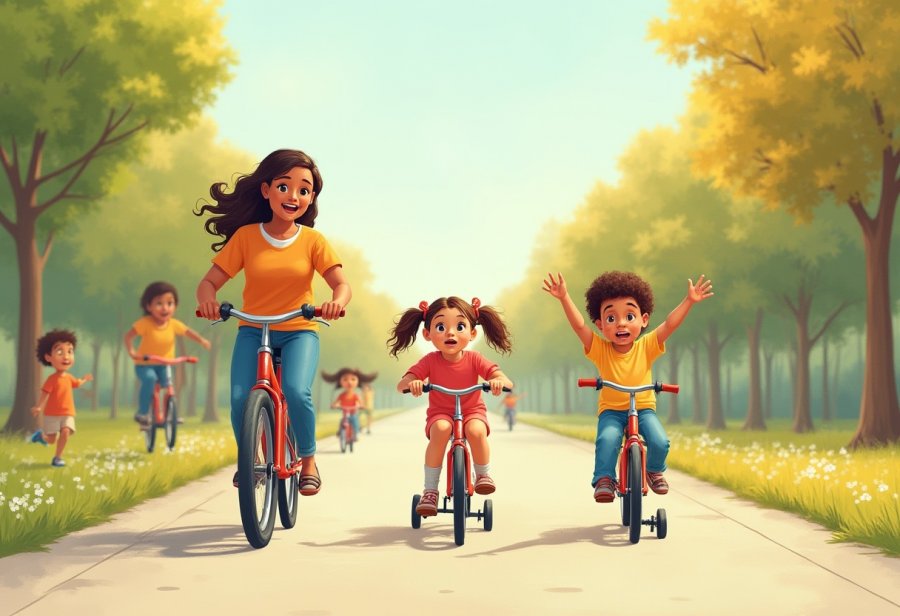
    Learning to ride a bike isn’t just about mastering a new skill; it’s a milestone that stays with us long after the first pedal turns. For children, it marks a leap toward independence, filled with a mix of excitement and nervousness. It’s a moment where wobbling, falling, and getting back up become part of the process, and each small victory builds confidence that lasts a lifetime. For families, those early rides become shared memories—stories of perseverance, support, and joy that strengthen bonds and create a sense of togetherness.

    This experience extends beyond physical coordination. It requires courage—facing the fear of falling and pushing through it. Kids naturally worry about losing balance or tumbling, making the idea of riding intimidating at first. But these fears are part of learning, and overcoming them teaches resilience. With patience and encouragement from loved ones, children learn that falling isn’t failure; it’s simply a step toward mastering something new. Every wobble and stumble becomes a building block on their journey to independence.

    Family involvement plays a crucial role in transforming this challenge into a celebration. Parents and siblings often stand on the sidelines, offering reassurance and applause. Whether holding the bike steady or cheering from a distance, their support helps turn a daunting task into a joyful achievement. These moments of shared effort and encouragement become lasting memories—proof that growth involves wobbling, falling, and rising again, all while feeling supported and loved.

    Learning to ride a bike also introduces children to a broader lesson: persistence pays off. The physical act of balancing and pedaling becomes a metaphor for overcoming obstacles in life. It teaches patience, the importance of practice, and the value of trying again after setbacks. These lessons help shape resilience and confidence that extend well beyond the driveway, planting the seeds for a lifelong love of exploration and adventure.

    Ultimately, learning to ride a bike is more than just a physical skill—it’s an emotional journey. It’s about courage, family bonds, and the thrill of overcoming fears. When families come together to support their children, they turn a simple act into a powerful rite of passage. It reminds us that growth involves falling and getting back up, and that each wobble on two wheels brings us closer to independence, joy, and the freedom to explore the world around us.

    Pedaling Through History: The Cultural Roots and Evolution of Bicycle Milestones

    Cycling’s roots stretch back to the early 19th century, when inventions like the laufmaschine and velocipede sparked a new interest in personal mobility. These early machines weren’t just about transportation; they symbolized a shift towards independence and progress that resonated across different societies. As bicycles evolved, so did their role as a rite of passage, marking a child’s transition from reliance on adults to self-reliance and exploration.

    Across cultures, learning to ride a bike has long been celebrated as more than just acquiring a new skill. It often became a communal event, representing maturity, freedom, and social connection. In many neighborhoods, families gathered to watch children take their first wobbly pedals, turning these moments into shared milestones. Festivals, parades, and neighborhood rides reinforced cycling’s significance as a symbol of growing up and gaining independence.

    The development of bicycle technology further shaped how children learned to ride. The introduction of training wheels in the mid-20th century offered a sense of security, allowing kids to build confidence gradually. Later, balance bikes shifted the focus to developing core stability before pedaling, emphasizing safety and natural skill acquisition. These innovations reflect an understanding that children learn best through encouragement, patience, and incremental progress.

    Icons in media and popular culture elevated cycling’s status. Films, stories, and advertisements often portray bike riding as a symbol of adventure, rebellion, or self-discovery. Community events like bike parades and races foster social bonds and emphasize cycling as a universal childhood experience. These traditions helped embed biking into societal identity, making it a shared rite of passage that transcended generations.

    The invention of the safety bicycle in the late 19th century made cycling safer and more accessible for children, broadening its role as a developmental milestone. Organized rides and cycling clubs in the early 20th century turned biking into a social activity, strengthening community ties. The recent rise of balance bikes in the 2000s has continued this trend, promoting early confidence and balance before pedaling.

    Today, the story of cycling continues to evolve with innovations like lightweight, adjustable bikes and smart safety gear. Virtual reality training tools are emerging, allowing children to practice balance and coordination in virtual environments before hitting the streets. These advancements aim to make learning to ride safer, more engaging, and more accessible for every child.

    Throughout history, bicycles have symbolized progress, independence, and community. Their evolution reflects society’s ongoing efforts to make learning to ride safer, more inclusive, and more fun. As new generations take to two wheels, the core values of courage, support, and discovery remain central, ensuring cycling’s place as a timeless rite of passage in childhood.
    Today’s Bikes and Brains: How Modern Styles and Attitudes Shape Learning to Ride

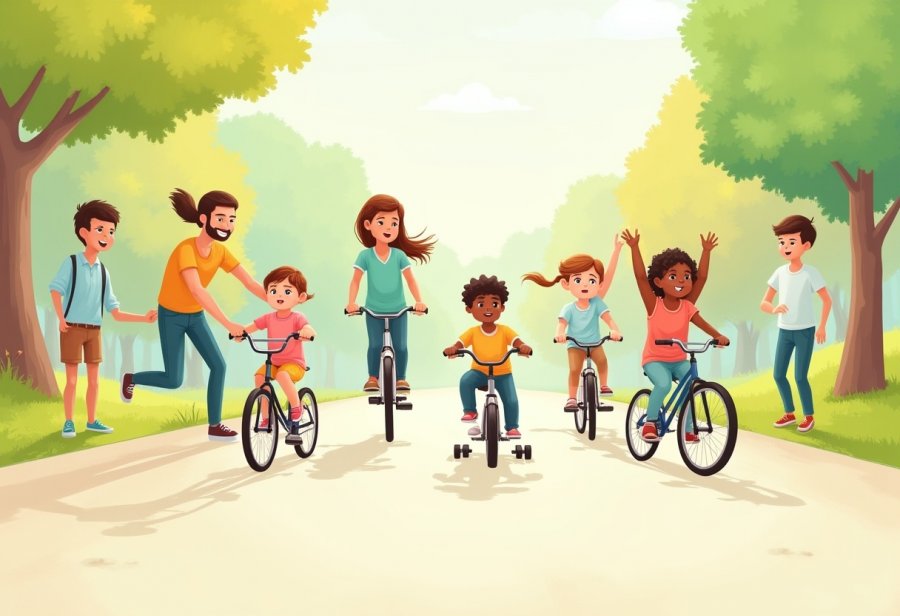
    Today, learning to ride a bike has become more accessible and varied than ever before. Bikes designed for different ages, sizes, and skill levels help children build confidence gradually, making the process less intimidating. From simple balance bikes to beginner-friendly training wheels, these options enable kids to develop their skills at their own pace, fostering a sense of achievement early on. Society’s attitude toward cycling has shifted positively, increasingly recognizing it as a vital life skill that promotes independence, physical health, and outdoor enjoyment.

    The methods used to teach children how to ride have evolved significantly. Balance bikes, which focus solely on developing core balancing skills without pedals, help kids master stability before they move on to pedaling. Many parents and instructors find that children who start with balance bikes transition more smoothly to riding with pedals because they already understand how to maintain balance. Traditional training wheels remain popular too, providing a safety net that allows children to gain confidence gradually, especially in the early stages.

    Most children learn in familiar, safe environments that foster comfort and confidence. Parks, open spaces, and quiet neighborhood streets with flat surfaces are ideal for initial practice, giving kids room to wobble, fall, and get back up without feeling threatened. These settings help children experiment with independence at their own pace, reducing anxiety and making the experience enjoyable. Schools and community centers also offer supervised areas where kids can practice, reinforcing a sense of security while encouraging active participation.

    Safety gear remains a key part of today’s cycling culture. Helmets, knee pads, and elbow guards are widely accepted as essential to protect against falls and injuries. While some debate exists about over-reliance on protective equipment, most experts agree that appropriate gear helps build confidence and reduces fear during early attempts. Parents often balance safety and encouragement by ensuring their children wear gear without making them overly cautious, fostering resilience alongside safety.

    Technological advances are shaping how children learn to ride. Lightweight, adjustable bikes tailored for different ages and abilities make progress easier and more comfortable. Safety helmets equipped with sensors or smart features can monitor activity and alert parents about falls, adding an extra layer of reassurance. Virtual reality and augmented reality tools are emerging as innovative training aids, allowing children to practice balancing and coordination in virtual environments before stepping onto real streets.

    Community programs and online resources are expanding opportunities for families to learn and ride together. Local clubs, workshops, and educational apps provide tailored advice, fun challenges, and safety tips that motivate children to ride more often. These initiatives help foster a culture where cycling is seen not just as a skill but as a joyful, lifelong activity that promotes health, independence, and social connection.

    With improved infrastructure—such as dedicated bike lanes and traffic calming measures—safer outdoor spaces encourage children to explore cycling beyond the driveway. These developments make outdoor riding more accessible and less risky, supporting a shift toward active, outdoor lifestyles. As innovations continue and communities prioritize safety, learning to ride remains a rewarding milestone—evolving but always rooted in encouraging courage, independence, and family bonding.

    Turning Theory into Action: Practical Steps to Teach Children How to Ride and Overcome Fears

    Teaching a child to ride a bike involves turning broad ideas into clear, manageable steps. Start by choosing a safe, open space like a park or quiet street where your child can practice without distractions or traffic. Make sure the bike fits their size and strength to help them feel comfortable from the beginning. Let them sit on the bike, walk with it, and get used to its weight before encouraging them to pedal. This familiarity builds confidence and sets a positive tone for the learning process.

    Once your child feels comfortable, focus on developing their balance. Balance bikes are perfect for this—they allow kids to glide and stabilize without pedals. If they’re using a traditional bike, support them gently at first by holding the seat or handlebars, then gradually reduce your assistance as they improve. Celebrate small successes, like riding a few meters or maintaining balance for a few seconds, to reinforce their progress and keep motivation high.

    When they’re ready to add pedaling, support them again by holding their waist or the seat, guiding their feet to push off and find a steady rhythm. Patience is key—awkward moments and falls are part of the process. As confidence grows, slowly let go of your support, encouraging them to try riding solo. If they fall or wobble, reassure them that falling is normal and part of learning something new. Support from family makes a big difference; cheer from the sidelines, offer gentle guidance, and celebrate even tiny improvements.

    Create a supportive environment where mistakes are seen as part of growth. Use safety gear like helmets and pads to boost confidence and reduce fear of injury. Emphasize that wearing safety equipment is about protection, not coddling, and that taking small risks is part of becoming a confident rider. Sharing stories of other kids who fell and got back up can help your child see setbacks as normal. Praise effort over perfection to foster resilience and a positive mindset.

    Practice in familiar, safe spaces like parks or quiet streets, where your child can wobble and fall without feeling threatened. These environments encourage independence and experimentation, helping build trust in their abilities. As they gain confidence, gradually introduce more challenging terrains and scenarios, always remaining attentive to their comfort level. The goal is to make learning to ride a fun, encouraging adventure rather than a stressful test.

    Support and patience turn initial fears into stepping stones toward independence. Celebrate every small victory, from a few seconds of balance to a short ride across the driveway. These moments lay the foundation for a lifelong love of cycling and exploration. By guiding your child with encouragement and understanding, you help transform fear into confidence, making the journey to riding a bike not just a skill learned but a shared experience of growth and trust.
    Riding into the Future: Innovations and Trends Transforming Childhood Cycling

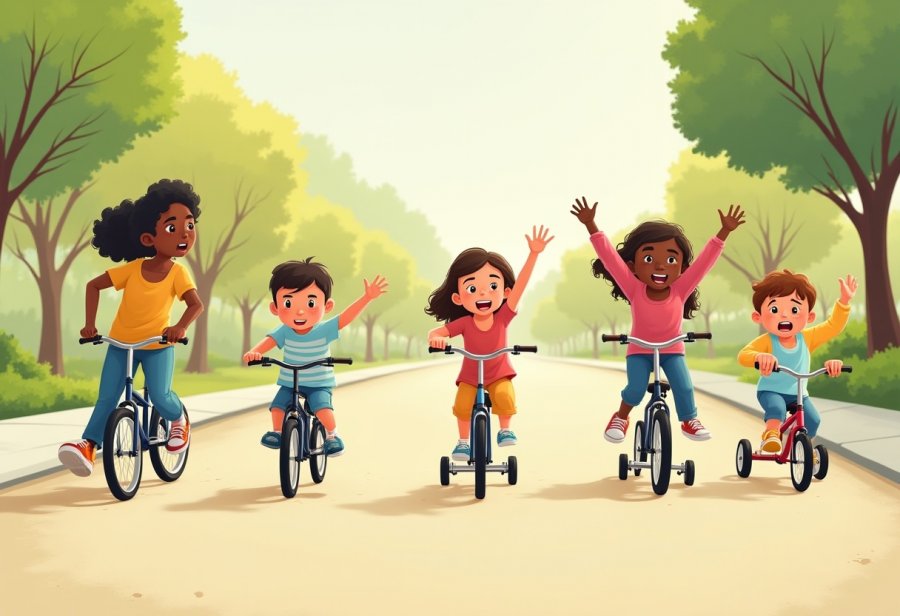
    Looking ahead, the future of learning to ride bikes promises to be more innovative and inclusive than ever before. Technological advancements are set to transform how children experience cycling, with smart helmets and sensors becoming common safety gear. These devices can monitor speed, detect falls, and instantly alert parents, making supervision more effective and easing worries about safety. As a result, more kids will feel confident to try riding, knowing they’re protected by emerging tech.

    Bike design itself is evolving rapidly. Lightweight, adjustable models tailored for different ages and abilities will make progress easier and more comfortable. Features like intuitive brakes, ergonomic grips, and customizable fittings will help young riders develop their skills smoothly. This focus on adaptability could shorten the learning curve and boost confidence early on, encouraging a lifelong love of cycling as a fun and safe activity.

    Virtual reality and augmented reality are beginning to influence how children learn to ride. These immersive tools allow kids to practice balancing and coordination in virtual environments, simulating various terrains and scenarios. Such technology can help reduce fears about unfamiliar settings, making the transition from practice to real-world riding more seamless and less intimidating. As VR and AR become more affordable, they could revolutionize early bike education, making skill-building engaging and risk-free.

    Community programs and online resources will also play a bigger role in shaping future cycling habits. Local clubs, workshops, and educational apps offer tailored advice, fun challenges, and safety tips that motivate children to ride more often. These platforms foster a culture where cycling is not only a skill but a joyful activity that promotes health, independence, and social bonds, helping to embed lifelong habits.

    Infrastructure improvements like dedicated bike lanes and traffic-calming measures are making outdoor spaces safer for kids. These changes encourage families to explore cycling beyond the driveway, fostering outdoor activity and independence. As cities prioritize child-friendly cycling environments, more children will have the opportunity to experience the freedom and joy that comes with riding, turning it into a natural part of everyday life.

    With ongoing innovations and community support, learning to ride will continue to evolve into a safer, more accessible, and more enjoyable milestone. The focus will remain on fostering courage, resilience, and family bonding through every pedal stroke. As technology and infrastructure advance, children will find new ways to explore and grow on two wheels, ensuring that cycling remains a vital part of childhood development for generations to come.


  • Unleash Endless Family Fun with Summer Outdoor Adventures

    Unleash Endless Family Fun with Summer Outdoor Adventures

    Summer bursts with vibrant outdoor adventures that transform ordinary days into unforgettable family memories. From playful games at the park to beach escapades, this season invites us to embrace the joy of movement, discovery, and connection. But are we truly maximizing these fleeting moments of sunshine and spontaneity? This guide reveals how small, intentional outdoor activities—like backyard obstacle courses, nature scavenger hunts, or neighborhood sports—can deepen bonds and foster lifelong habits of health and curiosity. It challenges the misconception that summer is solely about relaxation, highlighting instead its potential for active family fun that cultivates confidence, resilience, and teamwork. Through simple routines, seasonal traditions, and capturing memories, families can turn outdoor play into a meaningful chapter of their story. As the days grow warmer, the question remains: how will you harness summer’s full spectrum of possibilities to create lasting joy and connection in your family life?

    Kick Off Summer with Exciting Outdoor Family Adventures

    Summer naturally draws families outdoors, eager to soak up the sunshine and enjoy the fresh air. It’s a season that invites us to turn ordinary days into memorable adventures through simple activities like backyard games, trips to the park, or spontaneous dips in the pool. These moments are more than just fun—they’re opportunities to reconnect with nature and each other, creating a sense of joy and ease that lasts beyond the season.

    As the days grow longer and the weather warms, the potential for outdoor family fun expands. Summer offers countless chances to explore new places, try out favorite activities, or invent fresh games. Whether it’s a quick bike ride through a neighborhood trail or a leisurely picnic at the local park, these experiences help kids develop physical skills and foster family bonding. They also serve as a healthy break from screens and indoor routines, encouraging everyone to breathe in the outdoors and enjoy the natural world.

    This season is a perfect time to embrace the outdoors as a space for discovery and play. Kids thrive on active outdoor experiences that stimulate their curiosity—like exploring wildlife, collecting leaves, or building sandcastles at the beach. For parents, these moments provide a chance to unwind, relax, and share in the wonder of discovery alongside their children. The simple act of stepping outside can transform an ordinary day into an adventure filled with laughter and new memories.

    Summer also encourages creative outdoor play. From DIY obstacle courses to themed scavenger hunts, families can turn any backyard or local park into a playground of imagination. These activities not only keep kids engaged and moving but also nurture teamwork and problem-solving skills. By mixing in new ideas and traditions, families can keep summer fresh and exciting, making every outing feel like a special occasion.

    Beyond individual activities, summer is a season for shared experiences. Whether it’s a backyard camping night, a visit to the beach, or an evening firepit gathering, these moments deepen family bonds. Watching the sunset, listening to the sounds of nature, or star gazing after a day of active play all contribute to a sense of togetherness that lasts long after summer ends. These are the memories that turn routine days into treasured stories.

    Top Summer Activities Kids Love to Stay Active and Have Fun

    Kids love summer outdoor activities that keep them moving and engaged. Swimming is at the top of the list—whether at a local pool, lake, or the beach—offering a refreshing escape from the heat and helping children build confidence in the water. Biking is another favorite pastime, with trails and neighborhood streets providing perfect spots for exploration, balance, and outdoor fun. Sports like soccer, basketball, and baseball turn open spaces into lively fields where kids can play, develop teamwork, and burn off energy.

    Classic games like tag, hide-and-seek, and relay races never go out of style. They require no special equipment and can be organized spontaneously, making outdoor play accessible anytime. These games allow kids to run, jump, and giggle freely, creating hours of joyful chaos that help them stay active. On especially hot days, water fights, splash pads, and obstacle courses add extra excitement, transforming backyard or park visits into mini water festivals.

    Exploring nature is also a big part of summer fun. Going on hikes, collecting leaves, or building sandcastles at the beach combines physical activity with curiosity and discovery. Picnics in scenic spots turn simple meals into outdoor celebrations, encouraging relaxed conversations and shared experiences. For a memorable adventure, family camping trips with storytelling and star gazing deepen bonds and teach kids about the natural world.

    Beach days remain a perennial favorite, with activities like building sandcastles, playing beach volleyball, or splashing in the waves. These moments boost creativity and teamwork while providing a break from screens. Bringing the fun home with water balloons or slip-and-slide setups keeps the energy high during hot summer afternoons, ensuring the season’s joy lasts all day.

    Getting creative with outdoor play turns ordinary spaces into adventure zones. DIY obstacle courses made from household items, themed scavenger hunts for leaves or insects, and backyard carnivals add variety and spark imagination. These activities promote teamwork and problem-solving, making outdoor fun both entertaining and educational.

    Through simple, spontaneous ideas, families can make outdoor play a regular part of summer life. Whether it’s a quick trip to the park, a backyard game, or a neighborhood event, these moments help kids stay active and foster lasting memories. When outdoor activities become routine, they encourage a love of nature and a healthy, active lifestyle.

    In the end, summer is about more than just relaxing—it’s about embracing the joy of active family fun. The best memories often come from unplanned moments of play and discovery outside. By trying new activities and encouraging kids to explore, families turn ordinary summer days into exciting adventures that build confidence, connection, and a lifelong appreciation for the outdoors.

    Creative Ways to Boost Family Fun Under the Summer Sun

    To truly elevate summer family fun, it helps to think beyond the usual routines and find creative ways to make outdoor time more engaging. Introducing new activities like frisbee golf, paddleboarding, or backyard mini-golf can challenge everyone and inject fresh excitement into your days. Planning themed events—such as a backyard carnival, a nature scavenger hunt, or a family Olympics—turns ordinary afternoons into memorable adventures. These twists not only keep things fun but also encourage teamwork, problem-solving, and curiosity, making each outing feel special.

    Adding shared projects can deepen the experience and build lasting bonds. Building a simple treehouse, creating a vegetable garden, or designing an obstacle course together transforms outdoor play into opportunities for learning and teamwork. These activities foster patience and cooperation, giving children a sense of achievement while creating family memories. Documenting these moments through photos or a summer journal helps preserve the joy and gives everyone a chance to reflect on their adventures, fueling anticipation for future outings.

    Active outdoor sports and games remain central to summer days. Whether it’s a friendly soccer match, backyard badminton, or a quick game of tag, these activities promote physical health and social skills. Setting up mini-tournaments or friendly competitions makes even simple pursuits more exciting and fosters camaraderie among siblings and friends. These moments of active play not only keep everyone moving but also help create a lively, joyful atmosphere that everyone remembers.

    Creating special outdoor traditions can turn routine days into cherished memories. Hosting family barbecues, evening firepit chats, or watching fireworks together builds a sense of warmth and togetherness. Sunset walks and star gazing after a day of play offer peaceful moments to wind down, strengthening family bonds and establishing meaningful rituals. These traditions transform ordinary summer routines into highlights that everyone looks forward to, reinforcing a sense of connection and shared joy.

    By adding variety and intentionality to outdoor activities, families turn summer into a vibrant season of discovery and laughter. The key is to stay open-minded, embrace spontaneity, and keep things fun. Each new activity, tradition, or adventure helps lay a foundation for lifelong love of the outdoors and each other. When outdoor fun becomes a natural part of daily life, summer transforms from simply a break to a season of growth, connection, and unforgettable moments.

    Practical Tips to Incorporate Outdoor Activities into Daily Life

    Incorporating outdoor summer activities into daily routines can significantly boost your family’s enjoyment of the season. Setting aside a specific time each day—whether it’s an evening walk, a quick bike ride, or a few backyard games—helps establish healthy habits and creates a sense of anticipation. When outdoor play becomes a regular part of life, it feels less like a special event and more like a natural rhythm that everyone looks forward to. Small changes, like swapping screen time for outdoor chores or helping in the garden, gradually turn outdoor activity into an effortless and enjoyable routine.

    Community events are a fantastic way to expand outdoor fun beyond your backyard. Parks often host free or low-cost activities like outdoor concerts, farmers markets, and neighborhood festivals. Participating in these events not only keeps kids active but also helps build connections with neighbors, fostering a stronger sense of belonging. Local sports leagues, outdoor fitness classes, or nature programs offered by community centers provide additional opportunities for families to stay active together, turning routine summer days into memorable highlights.

    Many schools and local organizations step up during summer with camps, sports clinics, and nature programs designed to keep children engaged outdoors. These activities blend fun with learning, encouraging teamwork and outdoor skills. Enrolling your kids in such programs creates a balanced summer routine—combining free play with structured adventures—that keeps everyone moving and socially connected. These outings also give children chances to try new things, build confidence, and develop independence in a safe environment.

    Simple efforts at home can go a long way in encouraging outdoor routines. Replacing screen time with outdoor chores, watering plants, or playing catch helps make outdoor fun feel natural and effortless. Planning regular weekend outings to parks, trails, or the local pool adds adventure to routine days, reinforcing the habit of outdoor exploration. Even short, consistent trips help establish a pattern of outdoor activity that benefits both physical health and family bonds.

    Turning outdoor activities into everyday habits doesn’t require elaborate plans or fancy equipment. Often, it’s about making small, intentional choices—like packing a picnic, taking a walk after dinner, or organizing spontaneous backyard games—that transform ordinary days into moments of discovery and connection. These simple steps help make outdoor fun an integral part of your family’s summer story, creating a joyful, active environment that everyone can enjoy.

    Capturing these moments through photos or journaling adds another layer of joy. Documenting family outings, nature walks, or backyard adventures preserves memories and inspires future explorations. These keepsakes turn fleeting fun into lasting stories that motivate continued outdoor activity, fostering a lifelong love of adventure and discovery. When outdoor routines are woven into daily life, summer becomes more than just a season—it’s a vibrant chapter of family growth and shared experiences.

    Celebrating the Joy of Outdoor Family Adventures and Future Memories

    Summer is a season full of opportunities for active outdoor family adventures that leave lasting memories. The simple joy of playing catch, building sandcastles, or exploring nature together strengthens bonds and creates stories families will cherish for years. These moments remind us that the best summer experiences often come from spontaneous play and shared discovery in the outdoors.

    Looking ahead, the possibilities for enriching these adventures are endless. Trying new activities like paddleboarding, setting up backyard obstacle courses, or planning seasonal traditions such as camping trips and fireworks nights keeps the season fresh and exciting. Each new experience adds layers to your family’s story, fostering curiosity, resilience, and teamwork. Staying open to new ideas makes summer a time of growth and connection.

    Active outdoor fun isn’t just about entertainment; it’s a key part of a healthy lifestyle. Regular movement in nature boosts physical health, reduces stress, and improves mood—benefits that carry into everyday life. When families embrace outdoor adventures as a regular habit, they set the stage for lifelong routines of activity and exploration. These moments help children develop confidence and independence, while adults enjoy mental clarity and relaxation.

    You don’t need elaborate plans or expensive gear to make outdoor activities meaningful. Simple acts like a neighborhood walk, a picnic at the park, or helping in the garden can turn ordinary days into opportunities for discovery and bonding. Small, intentional efforts create a natural rhythm of outdoor fun that enriches family life and nurtures a love for the outdoors.

    Capturing these moments with photos or journaling adds another layer of joy. Documenting family outings, nature walks, or backyard adventures turns fleeting fun into treasured memories. These keepsakes serve as reminders of the season’s special moments and inspire more outdoor exploration, fueling a cycle of discovery and togetherness.

    As the seasons change, the lessons learned from active outdoor family adventures stay with us. They teach kids resilience, teamwork, and a love for nature, while giving parents models for active living and curiosity. Each outing deepens bonds and builds confidence, preparing families for future adventures that continue to enrich their lives.

    Summer’s magic lies in its capacity to bring families closer to each other and to the natural world, one adventure at a time. By embracing new activities, traditions, and outdoor spaces, families cultivate a lifelong love of discovery, health, and shared experiences. These moments shape memories that endure long after the warm days have passed, reminding us that the greatest joys are found outside, in motion and connection.

  • Empowering Teens to Drive Confidently and Safely

    Empowering Teens to Drive Confidently and Safely

    Learning to drive marks a pivotal moment in a teen’s journey toward independence, blending excitement with inevitable nerves. This emotional milestone is not just about mastering steering or braking but about cultivating confidence and resilience amidst uncertainty. Structured lessons and supportive environments help transform anxiety into assurance, with small wins—like executing a smooth turn—building trust in their abilities. But does overcoming initial fears truly lead to lasting confidence? The journey involves gradual exposure, positive reinforcement, and the strategic use of technology, such as simulators, to rehearse complex scenarios safely. It’s a dynamic process that challenges teens to face unpredictable situations, fostering growth beyond the car into personal maturity. As they navigate the emotional rollercoaster of learning to drive, readers are invited to consider: how does this shared rite of passage shape their sense of self and readiness for life’s larger challenges? Confidence is built step-by-step, yet the impact resonates far beyond the road.

    Journey to Independence: Building Teen Confidence Behind the Wheel

    Learning to drive is more than just mastering vehicle controls; it’s an emotional milestone that marks a teen’s transition into independence. The journey begins with a mix of excitement and nerves—teens eager to explore new freedoms but also wary of making mistakes. These feelings are completely normal and highlight that driving is as much about building self-trust as it is about technical skill. Driving lessons create a safe space where teens can practice, stumble, and gradually gain confidence behind the wheel.

    Structured guidance from instructors and supportive parents plays a key role in this emotional development. Breaking down complex tasks into small, manageable steps helps teens experience quick wins, which reinforce their progress. Celebrating minor successes, like executing a smooth turn or merging onto a highway, shifts their focus from fear to achievement. Over time, these small victories transform initial jitters into a sense of control and self-assurance, paving the way for greater independence.

    It’s also important to recognize that nerves are part of the learning process. Many teens face fears about traffic, unfamiliar roads, or handling unexpected situations. Normalizing these feelings makes them easier to manage. With patience and encouragement, teens learn to see mistakes as opportunities for growth rather than setbacks. This mindset fosters resilience, helping them approach each new challenge with curiosity instead of dread.

    As their experience grows, teens start to see themselves as capable individuals ready to take on more responsibility. The emotional shift from a hesitant beginner to a confident driver isn’t just about skills—it’s about trusting their judgment and abilities. This development often reflects a broader sense of maturity and readiness for the independence that driving symbolizes. Creating a positive, supportive environment makes this transition smoother and more meaningful.

    Understanding the emotional side of learning to drive is crucial for effective support. It’s a process that combines skill-building with fostering resilience and self-belief. When adults nurture patience and celebrate progress, they help turn nerves into confidence. This not only makes the journey behind the wheel more rewarding but also lays a foundation for responsible, self-assured driving—and personal growth that extends far beyond the road.

    Conquering Nerves: Proven Techniques to Calm Teen Drivers

    Helping teens conquer driving nerves starts with small, manageable steps. Starting in quiet parking lots or empty streets allows them to build familiarity and confidence without the pressure of busy traffic. This gradual exposure helps transform anxiety into a sense of control, making those first few drives feel less daunting. As their comfort grows, they can slowly take on more complex scenarios like merging onto highways or navigating through mild traffic. This step-by-step approach keeps nerves in check and builds trust in their abilities.

    Consistent practice is essential for reducing nervousness. The more teens get behind the wheel, the more driving feels natural and less intimidating. Short, focused sessions that target specific skills—like parallel parking or lane changes—help reinforce positive experiences. Repetition turns these tasks into routines, gradually replacing fear with familiarity. Practicing in different settings, such as daylight and dusk, further prepares teens for the variety of conditions they’ll encounter on real roads.

    Techniques like deep breathing and mental visualization can make a real difference. When nerves start to rise, encouraging teens to take slow, deep breaths can calm their racing hearts. Visualizing smooth, successful drives shifts focus from worry to confidence, setting a positive mental tone before they even start the engine. These simple strategies are easy to practice anywhere and become handy tools for calming pre-drive jitters.

    Support from parents and instructors plays a crucial role. Instead of dwelling on mistakes, praise small wins—like a well-executed turn or a calm stop—and remind teens that errors are part of learning. Creating a safe, encouraging environment helps them see setbacks as opportunities to improve rather than failures. When teens feel supported, they’re more willing to take risks and push through discomfort, which accelerates their confidence-building process.

    Setting realistic, incremental goals can prevent overwhelm. For instance, starting in a quiet neighborhood before progressing to busier streets helps teens build confidence step by step. Celebrating each achievement, no matter how small, reinforces their progress and motivates continued effort. Breaking the journey into manageable stages reduces anxiety and fosters resilience, making the overall experience more positive and less intimidating.

    Exposure to different driving conditions—such as varying weather, times of day, or road types—further boosts confidence. While practicing in controlled environments is helpful, real-world exposure teaches teens to handle surprises and adapt quickly. This hands-on experience reassures them that they can manage unexpected situations, which is key for long-term confidence and safety behind the wheel. Patience remains vital; confidence develops gradually through steady effort and persistence. By embracing these techniques, teens can transform their nerves into quiet confidence, turning driving from a source of fear into a symbol of growth and independence.

    Practical Steps to Turn Skills into Self-Assurance

    Building confidence in teen drivers hinges on practical, consistent methods that make learning feel manageable and less overwhelming. Regular practice is essential; teens should aim for frequent driving sessions that gradually introduce new skills and expose them to different traffic situations. Breaking complex maneuvers into smaller, clear steps helps prevent frustration and builds a sense of competence early on. For example, mastering steering control before tackling lane changes creates tangible milestones that boost motivation.

    Support from instructors and parents plays a crucial role in this process. Providing positive feedback and celebrating small wins—like executing a smooth turn or checking mirrors correctly—helps teens focus on their progress rather than mistakes. Creating a calm, encouraging environment encourages them to take risks and learn from setbacks without fear of judgment. Clear, calm communication about what they do well reinforces their confidence and keeps motivation high.

    Real-world exposure is equally vital. Starting in quiet parking lots or residential streets lets teens practice core skills without the pressure of heavy traffic. As their confidence grows, gradually introducing busier roads and different conditions—such as dusk or light rain—helps them adapt and develop resilience. Repeated practice in diverse settings ensures they gain familiarity with the unpredictability of real roads, which is key to building trust in their ability to handle surprises.

    Using technology as a supplement can accelerate confidence-building. Driving simulators and interactive apps allow teens to rehearse challenging scenarios safely, like emergency stops or navigating tricky intersections. These tools provide instant feedback and track progress, making learning engaging and tailored to individual needs. When combined with actual driving experience, they create a balanced approach that enhances skills and reduces nerves.

    Setting realistic, incremental goals keeps the process steady and achievable. Encouraging teens to focus on specific tasks—like perfecting parallel parking before tackling highway merges—reduces anxiety and creates a sense of accomplishment. Celebrating each step forward reinforces that progress is happening, fostering patience and persistence. This structured approach makes each drive a building block toward greater confidence.

    Patience remains the most important ingredient. Confidence doesn’t develop overnight, especially with a skill as complex as driving. Teens need ongoing encouragement to keep practicing, even after setbacks. Reminding them that nerves are normal and that mastery takes time helps foster resilience and a growth mindset. This steady, supportive approach transforms initial fears into quiet confidence.

    Ultimately, confidence builds through repeated, supported exposure to real and simulated driving scenarios. Each successful experience, no matter how small, strengthens their trust in their abilities. By combining consistent practice, positive reinforcement, and varied exposure, teens gradually move from hesitant beginners to confident drivers prepared for the unpredictable realities of the road.

    Expert Strategies for Fostering Teen Driving Confidence

    Experts in teen driver education emphasize that confidence isn’t built solely through mastering the technical aspects of driving. A crucial element is creating a supportive environment where teens feel safe to learn, ask questions, and grow. Starting with fundamental skills like steering, braking, and mirror checks allows teens to experience small successes, which boost their self-esteem and lay a strong foundation for tackling more complex scenarios later on. When teens see tangible progress early, they develop a sense of competence that makes approaching challenging driving situations less intimidating.

    Positive reinforcement remains a cornerstone of effective teaching. Celebrating even minor victories—such as executing a perfect turn or checking mirrors correctly—shifts the focus from mistakes to progress. This mindset encourages teens to practice more, take risks, and learn from their experiences without fear of harsh criticism. Consistent praise combined with constructive feedback fosters resilience, helping them see setbacks as natural parts of the learning process rather than failures. Over time, this support nurtures a growth-oriented attitude that extends beyond the driver’s seat.

    Personalized coaching also plays a vital role in confidence-building. Recognizing that each teen has unique fears and learning curves, skilled instructors tailor their approach to address specific needs. Some may need extra practice on highway driving, while others focus on parking or handling tricky traffic situations. By focusing on individual concerns, instructors help reduce anxiety and instill a sense of control. This targeted support makes lessons more engaging and less stressful, accelerating confidence development and making each session more meaningful.

    Real-world exposure remains essential to developing trust and resilience. Starting in quiet neighborhoods and gradually progressing to busier roads allows teens to adapt at a comfortable pace. Repeated experiences in diverse conditions—such as different weather, times of day, and road types—further prepare them for the unpredictable nature of actual driving. This gradual exposure reassures teens that they can manage surprises, strengthening their ability to stay calm and make sound decisions in real traffic. It’s about transforming fear into familiarity and confidence.

    Finally, integrating innovative tools like driving simulators and interactive apps can significantly enhance the confidence-building process. These platforms allow teens to rehearse difficult scenarios—such as emergency stops or navigating complex intersections—in a risk-free environment. They provide instant feedback and track progress, making learning engaging and personalized. Combining these digital resources with practical, real-world practice creates a comprehensive approach that accelerates skill acquisition and reduces nerves. When teens see themselves succeed in simulated settings, their confidence naturally grows, readying them for the realities of the road.

    Navigating the Road Ahead: Boosting Teen Confidence for a Lifetime of Safe Driving

    Building confidence in teen drivers is a gradual process that relies on consistent practice, supportive guidance, and real-world exposure. Regular driving sessions that introduce new skills step by step help teens develop both competence and trust in their abilities. Celebrating small victories, like executing a smooth turn or making a confident lane change, reinforces their progress and motivates ongoing effort. Incorporating tools such as driving simulators and interactive apps can complement real-world practice, providing safe environments for teens to rehearse challenging scenarios and build familiarity before facing them on actual roads.

    Looking ahead, embracing emerging technologies like advanced simulators and tailored learning apps offers promising ways to boost teen confidence further. These tools allow teens to experience complex traffic situations, adverse weather, or emergency responses in a risk-free setting. Gaining comfort with these challenges beforehand reduces anxiety and makes real-road driving less intimidating. Encouraging patience and persistence remains vital because confidence builds gradually through repeated exposure and steady effort. Reminding teens that setbacks are part of learning helps foster resilience and a growth mindset, ensuring they stay motivated despite challenges.

    Supporting teens in this journey requires a collaborative effort from parents, instructors, and the teens themselves. Creating a positive, encouraging environment helps teens feel safe to ask questions, make mistakes, and learn from them. Celebrating progress rather than dwelling on errors builds their self-esteem and keeps motivation high. Setting realistic, incremental goals—such as mastering parking before tackling highway driving—ensures they experience manageable successes that reinforce their confidence. This step-by-step approach makes the learning curve feel less steep and more achievable.

    As teens continue to gain experience, their sense of responsibility and self-trust naturally grow. They start to see themselves as capable individuals ready to handle diverse driving conditions and unexpected surprises. This newfound confidence not only makes them safer drivers but also nurtures a broader sense of independence and resilience that extends beyond the road. The skills and mindset cultivated through this process shape their character, equipping them to face future challenges with calm and assurance.

    Confidence doesn’t develop overnight, and patience remains the most important ingredient. Regular encouragement and steady practice are key, even when setbacks occur. Reminding teens that nerves are normal and that mastery takes time helps reduce frustration and build resilience. Supporting their efforts with positive reinforcement transforms initial fears into quiet, lasting confidence. Over time, these small steps accumulate into a solid foundation that prepares them not just for safe driving, but for many of life’s challenges.

    In the end, fostering teen driver confidence is about more than just mastering the mechanics of driving. It involves nurturing a mindset of patience, persistence, and self-belief that will serve them well far beyond the driver’s seat. By emphasizing steady progress, celebrating small wins, and leveraging innovative tools, we help transform nerves into a quiet confidence that lasts a lifetime. This approach ensures teens are not only safe and competent behind the wheel but also resilient individuals ready to navigate whatever comes next.