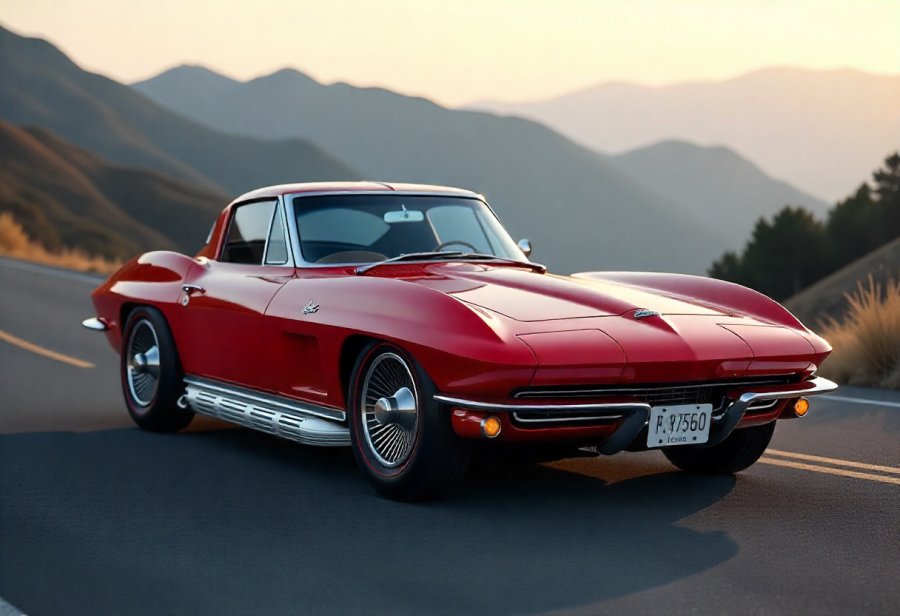
When it comes to caring for your vehicle, the choice between a small family-run garage and a large cross-country chain isn’t just about convenience—it’s about trust, quality, and long-term health. Small garages excel in personalized service, building relationships rooted in honesty and community reputation, which can lead to early problem detection and tailored maintenance. However, they may lack the latest diagnostic tools for complex modern cars. Conversely, large chains offer standardized procedures, advanced technology, and nationwide warranties, ideal for newer vehicles or frequent travelers seeking consistency and peace of mind. But does this corporate efficiency sacrifice the personal touch that fosters trust? As vehicles grow more electronic and sophisticated, drivers face a dilemma: should they prioritize personalized attention or rely on technological precision and security? Ultimately, the best choice hinges on your vehicle’s needs, your relationship with your mechanic, and your long-term priorities—are you seeking a trusted partner or the reassurance of nationwide standards?
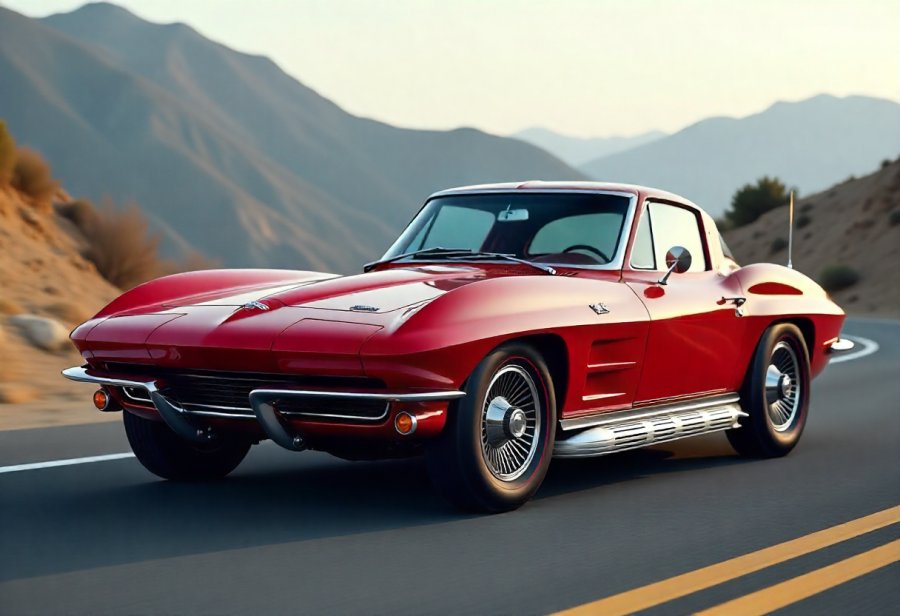
Choosing Between Small Family Garages and Large Chains for Your Car’s Future
When your car needs repairs or routine maintenance, one of the first choices you face is where to go. Should you trust a small, family-run garage nearby, or head to a large chain with multiple locations? Both options have their strengths, and your decision can have long-term effects on your vehicle’s health.
Small, independent garages often rely on reputation and personal connections. Many have served their communities for decades, building trust through word-of-mouth rather than flashy advertising. When you walk in, you’re usually greeted by familiar faces who remember your name and your car’s history, creating a more personalized experience. Mechanics who know their customers well are more likely to notice small issues early, preventing costly repairs down the line.
Because their overhead costs are generally lower, small garages often offer more competitive prices and greater flexibility. They can tailor their services to your specific needs and budget, making routine maintenance more affordable and less stressful. This adaptability encourages regular care, which is essential for keeping your car in good shape over the years.
However, not all small garages are equally equipped. Some may lack access to the latest diagnostic tools or specialized training for newer vehicle technologies. This can limit their ability to handle complex repairs, especially on modern cars with electronic systems. Conversely, large chains tend to invest heavily in advanced diagnostic equipment and ongoing technician training, ensuring they can address a wide range of issues efficiently.
Choosing between a small garage and a large chain depends on your priorities. If you own an older vehicle or value a mechanic who understands your car’s quirks, a trusted local shop might serve you best. But for newer models, complex diagnostics, or the reassurance of a nationwide warranty, a large chain can provide peace of mind. Whichever you pick, seek a reputable garage that emphasizes honesty, skill, and clear communication to support your vehicle’s long-term health.
The Personalized Care and Trust of Small Family-Run Garages
Small family-run garages stand out because of their personal touch and deep community roots. When you walk into one, you’re greeted by familiar faces who remember your name and your car’s history. This familiarity isn’t just friendly—it means your mechanic understands your vehicle’s quirks and past repairs, which can lead to earlier detection of potential issues. Such relationships foster trust and ensure your car gets care tailored specifically to its needs.
One of the biggest advantages of these garages is the personalized advice you receive. Mechanics take the time to listen, assess, and recommend solutions that suit your vehicle’s age, condition, and how you use it. Instead of generic suggestions, you get targeted guidance designed to extend your car’s lifespan and improve its reliability over time. This careful, attentive approach often results in repairs that last longer and perform better.
Lower overhead costs give small garages the flexibility to offer more competitive pricing. They’re often willing to work within your budget and provide options that might not be available at larger chains. This cost-effectiveness makes routine maintenance more accessible, encouraging regular check-ups and early intervention. Such proactive care helps prevent small problems from escalating into expensive repairs later on.
Mechanics in small shops tend to develop a detailed knowledge of their customers’ vehicles. They track service history, monitor wear patterns, and notice subtle signs of trouble that might go unnoticed elsewhere. This ongoing familiarity enables them to recommend preventive measures and schedule timely repairs, supporting your vehicle’s health in the long run.
Many small garages also invest in modern diagnostic tools, even if on a smaller scale. This technology allows them to identify issues accurately and efficiently, avoiding unnecessary part replacements or guesswork. The ability to diagnose problems early and precisely can significantly extend your car’s lifespan, especially for older or specialized vehicles.
Trust is the foundation of good vehicle maintenance, and local garages thrive on reputation. Their survival depends on honest work and satisfied customers. This motivates mechanics to provide transparent estimates, avoid unnecessary repairs, and deliver quality service every time. Feeling confident in your mechanic’s integrity encourages you to adhere to recommended maintenance schedules.
Building a relationship with a trusted mechanic who knows your car fosters better long-term care. They’re more likely to notice small changes and advise on proper upkeep, which ultimately preserves your vehicle’s performance and safety. Consistent, honest service from a familiar shop makes a real difference in keeping your car reliable over the years.
Choosing a small, family-run garage often means investing in a partnership based on trust, personalized service, and tailored maintenance. These qualities support not just immediate repairs but also your vehicle’s health for the long haul. The personal connection and detailed knowledge they bring can make all the difference in ensuring your car remains dependable mile after mile.
Experience Reliable and Customer-Focused Automotive Care in Thornhill
For residents in Thornhill, Ontario, Beck Automotive Services offers comprehensive auto repair solutions tailored to keep your vehicle running smoothly. From routine customer-focused automotive care to specialized services like brake repair, engine repair, transmission service, and tire services, Beck Auto is your trusted partner. They also provide expert car diagnostic services, oil changes, and vehicle maintenance to ensure safety and performance. Additionally, their used car sales program offers quality vehicles for every budget. Contact Beck Automotive Services via email at [email protected] or call (416) 222-6583 for personalized assistance and top-tier automotive solutions.
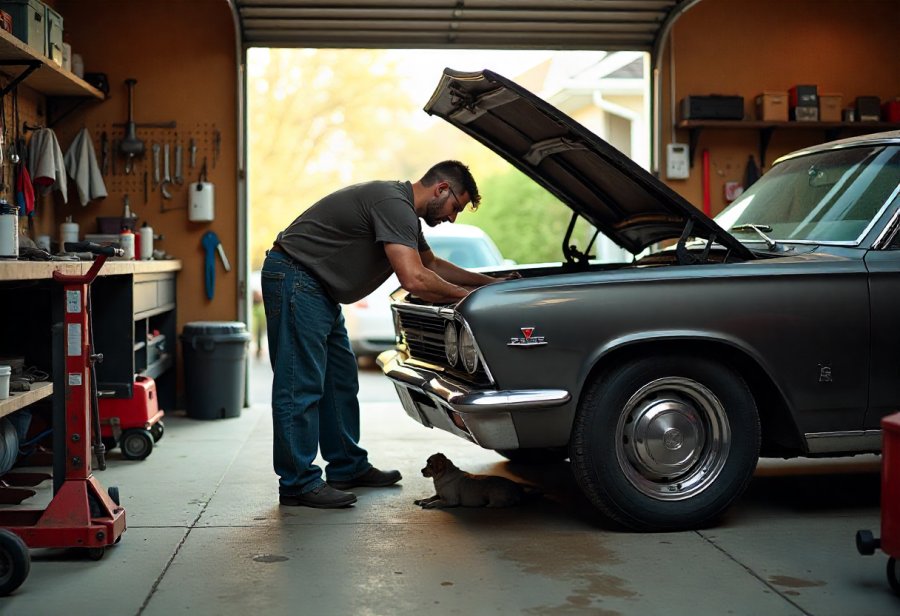
Reliability and Advanced Technology Define Large Chain Garages
Large chain garages are renowned for their consistency and reliability, offering a standardized level of service that remains the same across multiple locations. This uniformity ensures that no matter where you go, your vehicle receives quality care based on proven procedures and protocols. Such reliability is especially valuable for frequent travelers or those who move often, providing peace of mind that their vehicle will be properly maintained wherever they are.
A key advantage of these large operations is their investment in advanced diagnostic technology. Equipped with the latest tools, technicians can pinpoint problems quickly and accurately, often detecting issues that might be missed with older equipment. This precision not only speeds up repairs but also helps prevent unnecessary part replacements, supporting your vehicle’s long-term health by addressing problems early before they escalate.
Nationwide warranties are another significant benefit. If a repair doesn’t hold or a part fails after service, you’re covered no matter which location you visit. This added security eliminates worries about costly repeat repairs and reinforces trust in the quality of work performed. Warranties like these are a clear sign of a company confident in its service standards and committed to customer satisfaction.
Technician certification is often a requirement for staff at big chains, meaning your vehicle is in the hands of trained professionals who meet industry standards. Many technicians hold certifications such as ASE or manufacturer-specific credentials, which reflect their expertise in modern vehicle systems. This level of qualification increases the likelihood of accurate diagnoses and correct repairs, helping your car stay in good shape longer.
The parts used in repairs at large chains are typically manufacturer-approved or high-grade aftermarket options. This focus on quality parts reduces the risk of future breakdowns and ensures that your vehicle maintains its safety, durability, and performance over time. Proper installation by certified technicians further enhances the longevity of these repairs.
The customer experience is streamlined through appointment scheduling, real-time service updates, and efficient billing processes. This professional approach saves you time and reduces the hassle of vehicle maintenance. For busy drivers, knowing their car will be serviced quickly and correctly provides peace of mind and helps keep their vehicle in top condition.
While some may see large chains as impersonal, their emphasis on process, quality control, and ongoing staff training ensures your vehicle gets the right repairs with a high degree of accuracy. This focus on consistency and technological advancement makes them a dependable choice for those seeking reliable, long-term care for their vehicle.
Navigating the Modern Landscape of Vehicle Maintenance Services
The landscape of automotive repair today reflects a dynamic balance between tradition and rapid technological change. Modern garages, regardless of size, are increasingly relying on sophisticated diagnostic tools that allow mechanics to identify issues with greater accuracy and speed. These systems can read electronic control units, scan for hidden problems, and even predict future failures, making repairs more reliable and less guesswork-driven. As vehicles become more electronic and complex, access to the latest diagnostic technology has become essential for delivering quality service.
Regional differences continue to shape how garages operate and the expectations customers have. In some areas, trusted independent shops still dominate because of their personal touch and strong local reputation. In others, large chains thrive due to their promise of standardized quality, nationwide warranties, and consistent procedures. Cultural attitudes—whether valuing personal relationships or efficiency—play a significant role in shaping customer choices and perceptions across different regions.
Industry standards and certifications evolve alongside technological advancements. Programs like ASE or manufacturer-specific credentials set high benchmarks for technician expertise, ensuring consistent service regardless of garage size. These standards push repair shops to stay current with new vehicle technologies, which benefits drivers seeking long-term reliability. However, questions remain whether small garages can keep pace with the rapid development of electronic systems given resource constraints, or if large chains have the advantage of economies of scale for quick adoption of innovations.
Despite these shifts, the core options for vehicle maintenance remain clear: personalized, community-based service versus broad, standardized solutions. Smaller shops often excel in offering tailored advice and building trust, especially for older or classic cars. Conversely, larger chains appeal to owners of newer, more complex vehicles who prioritize convenience and the security of nationwide warranties. Recognizing these distinctions helps drivers choose garages that align with their vehicle needs and personal preferences.
As the industry continues to evolve, the importance of selecting a reputable, skilled, and transparent garage grows. Whether opting for a neighborhood mechanic or a national chain, drivers should prioritize technician expertise, clear communication, and proven reliability. These qualities ensure that their vehicle receives the appropriate care, supporting long-term health and performance. The current landscape offers a range of options, but trust and quality remain the guiding principles for making the best choice.
Practical Insights for Maintaining Your Car’s Long-Term Health
Choosing the right garage can make a real difference in how your vehicle performs and lasts over time. A trusted local mechanic who knows your car personally can spot early signs of trouble that might otherwise go unnoticed. Their familiarity with your vehicle’s history allows them to give tailored advice, preventing small issues from turning into costly repairs down the road. Building that relationship encourages consistent maintenance, which is key to keeping your car reliable and safe for years to come.
On the other hand, large chain garages equipped with advanced diagnostic tools can quickly identify hidden problems that might be missed with older equipment. Their ability to address complex issues efficiently often means fewer breakdowns and a longer lifespan for your vehicle. The nationwide warranties they offer add an extra layer of security, giving you peace of mind whether you’re traveling or just maintaining multiple cars in different locations.
Regular maintenance from a reputable local shop often catches potential problems early, saving money and extending your vehicle’s life. Conversely, a big chain’s technology and warranty coverage can handle complex repairs swiftly, reducing the risk of unexpected breakdowns. Both options support your car’s health, but choosing a mechanic you trust and feel comfortable with ensures ongoing care tailored to your specific needs.
Cost is another important factor. Smaller garages tend to have lower overhead and are more flexible with pricing, making routine upkeep more affordable. Their personalized attention encourages you to stick with regular maintenance, which in turn prevents bigger issues later. Larger chains might be pricier upfront but offer consistent quality and security through their warranties, helping protect your investment over time.
Modern diagnostic technology is now a standard at many small garages, allowing accurate early detection of issues. This precision helps avoid unnecessary repairs and keeps your car running smoothly longer. If a shop relies on outdated tools, however, they risk missing early warning signs, which can lead to bigger, more expensive problems down the line.
Trust and reputation are crucial. A mechanic who consistently provides honest, quality service builds confidence and fosters a long-term relationship. This ongoing communication results in better diagnostics, more personalized advice, and repairs that truly support your vehicle’s longevity. Feeling confident in your mechanic encourages adherence to scheduled maintenance and early problem resolution.
Ultimately, the choice between a small, local garage and a large chain depends on your vehicle’s age, complexity, and your personal comfort level. Both can support your car’s health if you select a reputable, skilled provider. Prioritizing honesty, expertise, and good communication will help ensure your vehicle remains dependable for many miles ahead. Investing in a trusted mechanic is investing in your car’s long-term performance and safety.
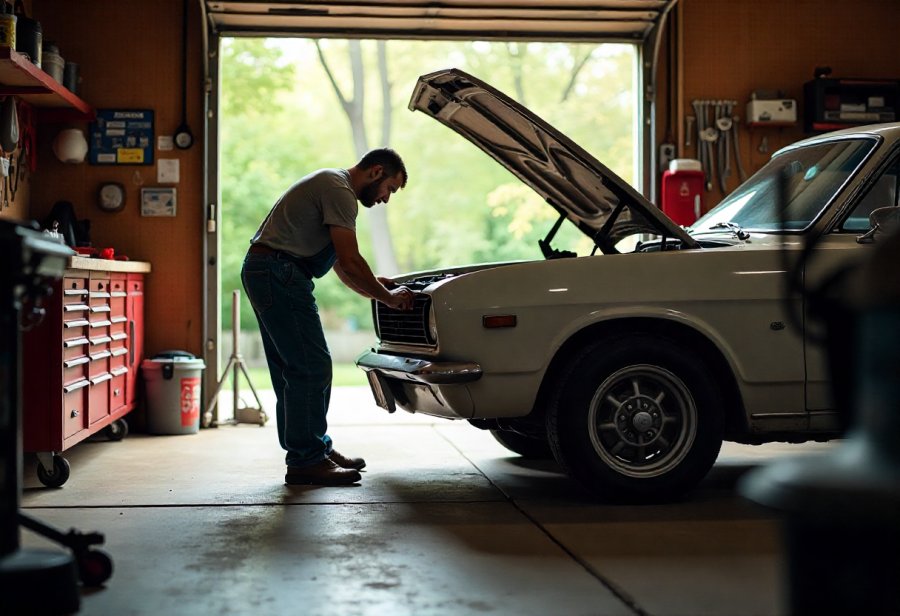
Making the Right Choice: Tips for Protecting Your Vehicle Over the Years
Choosing the right garage for your vehicle’s long-term health depends on understanding your specific needs and priorities. Small, family-run shops excel when personalized service, direct relationships, and tailored maintenance matter most. Their familiarity with your car’s history and community reputation often lead to early problem detection and honest advice, helping your vehicle stay reliable over the years. For newer models or complex diagnostics, a large chain’s investment in advanced technology and nationwide warranties can offer peace of mind and consistent quality.
Both options have strengths worth considering. Small garages typically provide flexible pricing and a personal touch that encourages regular maintenance, preventing small issues from escalating. Their focus on building trust and detailed knowledge of your vehicle can lead to more accurate diagnostics and longer-lasting repairs. On the other hand, large chains emphasize standardized procedures, certified technicians, and high-grade parts, ensuring your car receives precise care across multiple locations. Their warranties add security, especially if you travel or own several vehicles.
The key is matching your car’s age, complexity, and your comfort level to the right type of service provider. An older or specialized vehicle benefits from the familiarity and personalized attention of a trusted local mechanic. Modern, electronic-heavy cars might be better served by the technological resources and warranty protections of a large chain. Whichever you choose, prioritize shops with transparent communication, qualified technicians, and a reputation for honesty.
Building a relationship with a dependable mechanic—whether small or large—can significantly extend your vehicle’s lifespan. Trustworthy service, clear advice, and consistent upkeep make a real difference in long-term reliability. Regular visits to a reputable shop help catch potential problems early and keep your car performing at its best.
Investing in quality care and choosing a mechanic you trust isn’t just about fixing what’s broken now; it’s about supporting your vehicle’s health for the miles ahead. A reliable garage becomes a partner in your car’s longevity, saving you money and stress over time. The right choice isn’t just about location or price—it’s about finding someone who genuinely cares about your car’s well-being.
Remember, no single approach fits all. The best strategy involves assessing your vehicle’s needs, your driving habits, and your comfort with service providers. Prioritize honesty, expertise, and a track record of good work. With that foundation, your vehicle will have a better chance to stay dependable, safe, and efficient for many miles to come.