Underground street racing is more than just a high-octane pursuit—it’s a clandestine brotherhood rooted in passion, loyalty, and shared defiance against norms. As night cloaks secret meetups in shadows, drivers push their cars and themselves to the limit, forging bonds that transcend asphalt rivalries. These communities, built on trust and mutual respect, evolve amid technological advances and law enforcement crackdowns, adapting with encrypted communications and remote locations. What makes this culture endure beyond mere speed? It’s the unbreakable connection among racers, the rituals of tuning and teamwork, and a rebellion that unites diverse individuals under a common banner. While the future sees innovation like electric vehicles and digital racing, the core remains—a resilient, passionate scene driven by brotherhood and the relentless pursuit of freedom on the streets.
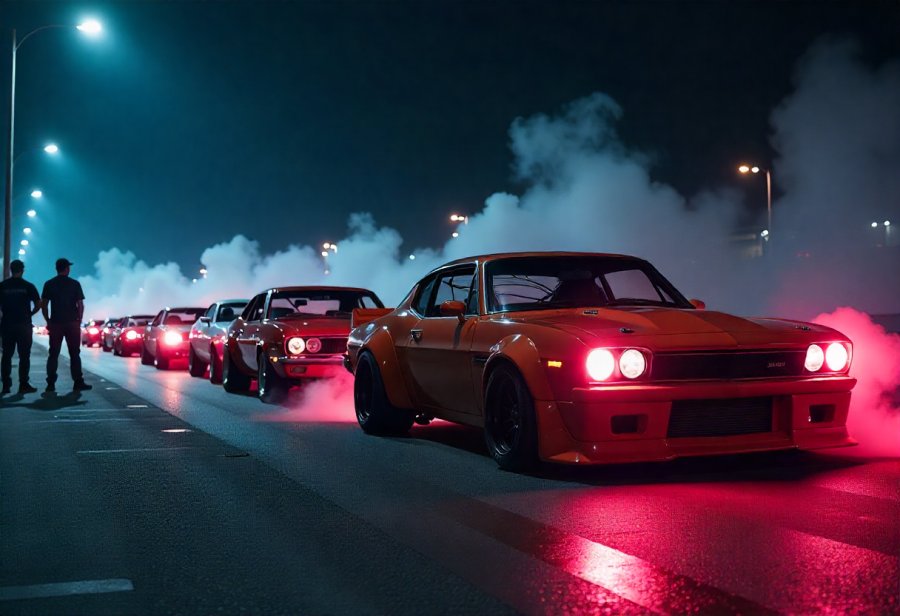
Underground Street Racing: Where Rebellion Meets Raw Power
Underground street racing has become a defining aspect of urban car culture, where adrenaline, craftsmanship, and rebellious spirit collide in the shadows. These races usually happen late at night, in hidden spots like empty parking lots, quiet backstreets, or abandoned industrial areas, far from the watchful eyes of law enforcement. The darkness isn’t just about secrecy—it heightens the raw power of engines and creates an intense, almost ritualistic atmosphere where speed and danger are intertwined. For many enthusiasts, it’s about more than just going fast; it’s about feeling alive in a space that’s unrestrained and charged with energy.
At its core, underground racing is driven by a community of passionate drivers who modify their cars for maximum performance and style. These vehicles often feature turbo upgrades, custom exhausts, lowered suspensions, and eye-catching paint jobs, all tailored to stand out and go faster. The scene thrives on trust and loyalty among racers, who organize meetups informally but with careful planning—using encrypted social media or coded language to stay under the radar. This sense of brotherhood and mutual respect forms the backbone of the scene, creating a close-knit network where camaraderie is as vital as the thrill of the race.
Night racing adds a layer of secrecy and excitement that’s hard to find elsewhere. The quiet city streets serve as a backdrop for raw power, with engines echoing into the night and shadows hiding the racers’ identities. Drivers embrace this nocturnal environment because it provides a chance to test their machines away from authorities’ watchful eyes. The shadows become a refuge—strengthening bonds through shared risk and trust, fostering a sense of kinship that extends beyond the asphalt. Loyalty isn’t just about winning; it’s about protecting each other and sharing a collective passion that keeps the scene alive.
Over the years, these gatherings have evolved from spontaneous meets into a structured subculture. Early on, small groups pushed their cars to the limit in remote spots, developing a shared language and unspoken rules. As technology advanced and social media made organization easier, the scene expanded rapidly—allowing crews to coordinate more elaborate, secretive races. Despite crackdowns, racers continually adapt by using encrypted messaging, remote locations, and quick escapes, ensuring that their community persists and thrives under pressure.
Today, underground street racing reflects a deep-rooted resilience. Technological innovations like electric vehicles, smart tuning devices, and virtual race setups are beginning to reshape how racers approach their craft. Yet, the core identity—built on connection, rebellion, and shared passion—remains unchanged. The bonds formed through late-night tuning, victories, and shared secrets are stronger than ever, keeping this culture vibrant and relevant. In this scene, loyalty isn’t just about the cars; it’s about the people and the unbreakable trust that unites them in their pursuit of speed and brotherhood.
The Roots and Evolution of the Street Racing Phenomenon
Street racing’s roots stretch back to a time when urban car enthusiasts would gather spontaneously, driven by pure adrenaline and a desire to push their limits beyond everyday driving. These early meets weren’t organized events but quick, informal challenges—short sprints in empty parking lots or quiet backstreets where the only rule was to go faster than the last guy. They thrived on spontaneity and raw competition, creating a sense of community among young drivers eager for recognition and respect.
As these gatherings grew in popularity, racers began experimenting with modifications—turbo kits, custom exhausts, lowered suspensions—to gain an edge. Cars became extensions of their owners’ personalities, each upgrade telling a story of effort, style, and skill. This innovation fostered loyalty within crews, turning modified vehicles into symbols of pride and identity. Small groups started organizing more frequent meets, developing their own unspoken rules and shared language that kept the scene tight-knit and discreet.
The need for secrecy became vital as law enforcement started paying closer attention. Racers organized through encrypted social media groups and communicated via coded messages, often shifting locations to avoid detection. Remote spots like abandoned lots or secluded outskirts became racing grounds—places where trust was essential and the community’s safety depended on loyalty. These clandestine gatherings fostered a culture of protection and mutual support, reinforcing bonds that extended beyond the asphalt.
Technological advances played a big role in the scene’s evolution. As cars grew more sophisticated, so did the modifications—adding more power, integrating digital tuning devices, and sharing performance tips online. Social media allowed crews to coordinate races, share footage, and build reputations beyond their local neighborhoods, fueling a sense of belonging that transcended geographic boundaries. Films like the “Fast and Furious” franchise romanticized this underground lifestyle, inspiring new generations and expanding the scene’s reach.
Despite crackdowns and increasing legal pressures, the scene persisted, adapting through quick escapes, encrypted communication, and ever-changing meeting spots. The resilience of underground racing lies in its community—built on trust, loyalty, and shared passion. The core values remain unchanged even as technology, safety practices, and organization methods evolve. The roots of street racing are deep, and its culture continues to thrive quietly beneath the surface of urban life.
Today’s scene blends tradition with innovation. Electric vehicles and smart tuning devices are beginning to redefine what’s possible, offering quieter, more sustainable ways to race. Virtual races and online communities further connect enthusiasts, fostering a global brotherhood committed to pushing boundaries. Even amid increasing scrutiny, the fundamental spirit—rebellion, connection, and the pursuit of speed—remains strong. This ongoing evolution ensures that underground racing continues to thrive as a vital expression of urban culture, rooted in its rebellious history but always looking toward the future.
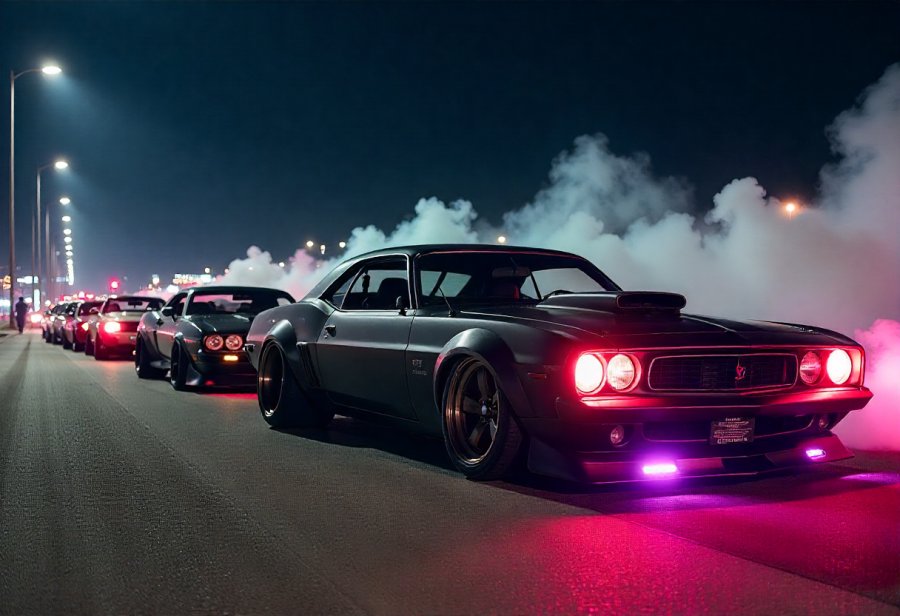
Society’s Dual View: Embracing and Challenging Underground Racing
Underground street racing today exists in a complex space within society, balancing rebellion and recognition. For many enthusiasts, it’s a form of personal expression—an outlet to showcase their skills, creativity, and loyalty to a tight-knit community. These racers see their activities as more than just illegal laps; it’s a statement against mainstream norms, a way to connect through shared passion for speed and style. Over time, this scene has become a symbol of urban identity, embodying freedom, craftsmanship, and brotherhood that’s hard to find elsewhere.
Law enforcement views underground racing as a serious safety threat. Police agencies often see these activities as reckless and dangerous, citing injuries, property damage, and public safety risks. Crackdowns are frequent, with raids and legal actions aimed at shutting down illegal races. To stay ahead, racers have become adept at using encrypted messaging, secret locations, and quick escapes, turning their community’s resilience into a game of cat and mouse with authorities.
Meanwhile, the automotive industry’s stance is mixed. While some brands recognize the influence of street racing on car culture—especially in tuning, modifications, and aesthetics—most officially discourage illegal activity, emphasizing safety and legality. Yet, the scene’s impact is undeniable; it fuels trends in aftermarket parts, custom styling, and performance upgrades that resonate across markets. Many industry players even draw inspiration from underground culture, subtly aligning marketing with its rebellious, high-performance ethos.
Media portrayals reinforce the mixed perception. Films like the “Fast and Furious” franchise romanticize the brotherhood, adrenaline, and skill involved, elevating street racing into a glamorous lifestyle. These stories highlight camaraderie, sleek cars, and daring races, inspiring fans worldwide. However, they often gloss over the dangers, downplaying the risks of reckless driving and law-breaking. Social media amplifies this dual image—showcasing high-speed battles and car artistry while also exposing the scene to scrutiny and criticism.
Public opinion remains divided. To many, underground racing is a dangerous activity that threatens safety and order, especially when accidents occur. Conversely, others see it as a vital expression of urban culture—an act of rebellion that fosters community, technical skill, and identity among marginalized youth. Some cities attempt to strike a balance by hosting controlled, legal events that preserve the culture while minimizing risks, but the core scene persists in secrecy.
Despite increasing crackdowns, the scene’s resilience is rooted in its community. Racers develop innovative ways to organize—encrypted chats, remote locations, rapid escapes—ensuring their culture survives and adapts. Loyalty and trust are the glue holding this underground world together, making it more than just a pastime. It’s a shared identity, built on mutual respect, technical mastery, and a collective desire for freedom on the streets.
As technology advances, the scene continues to evolve. Electric vehicles, digital tuning devices, and virtual races are beginning to redefine what’s possible, blending rebellion with innovation. These new tools promise quieter, more sustainable ways to race while maintaining the core values of brotherhood and skill. Even amid legal pressures, the spirit of underground racing endures—driven by a community that refuses to fade into the background, constantly adapting but never losing its rebellious heart.
The Brotherhood of Speed: Building Trust and Loyalty on the Track
The brotherhood forged through underground street racing runs deeper than the thrill of speed. It’s built on shared passion, countless hours spent tuning engines, and a relentless drive to push boundaries together. These moments of collaboration and competition create bonds that extend far beyond the asphalt, transforming rivals into a chosen family. When racers gather late at night, working side by side on cars or exchanging stories of victories and setbacks, trust and respect become the foundation of their connection.
Modified cars are more than just tools for racing; they are symbols of effort, identity, and pride. Every upgrade, every tweak reflects a driver’s dedication and skill. Working together to improve performance or customize vehicles isn’t just about technical mastery—it’s about building a sense of belonging. These shared experiences become stories passed down, strengthening the community’s fabric and reinforcing a culture rooted in loyalty.
Loyalty is woven into every aspect of this scene. Racers protect each other from law enforcement, cover for secrets, and fiercely defend their crew’s reputation. The risks are real—legal trouble, accidents—but the bonds formed make the danger worth it. Acts of support, like helping a teammate fix a car after a race or sharing performance tips, aren’t just acts of kindness—they are acts of loyalty that forge lifelong friendships.
At the start line, facing the roar of engines and the rush of adrenaline, racers test not only their vehicles but also their respect for one another. Friendly rivalries spark a desire to improve, but beneath the competition lies a foundation of mutual trust. Wins are celebrated humbly, and losses are accepted with grace because everyone understands that respect and humility matter more than victory.
Beyond the races, a web of unspoken rules guides behavior—showing humility after a good run, accepting defeat without bitterness, and safeguarding each other’s secrets. These principles maintain the integrity of the scene, ensuring that the bonds of trust remain strong even under the pressure of law enforcement crackdowns. The community’s resilience is rooted in this shared code.
The relationships built in this scene often extend outside the asphalt. Many racers see their crew as family—a support system based on late-night conversations, technical exchanges, and shared ambitions. These bonds are lifelong, rooted in adrenaline, loyalty, and a common love for speed. The racing becomes a rite of passage, a shared experience that cements friendships stronger than any trophy.
In essence, underground street racing isn’t just about the cars or the races—it’s about the people behind them. The true reward lies in the loyalty, trust, and lasting bonds that form when risking everything together. It’s a culture driven by kinship, respect, and an unbreakable spirit of brotherhood, keeping the high-octane world alive through shared passion and mutual support.
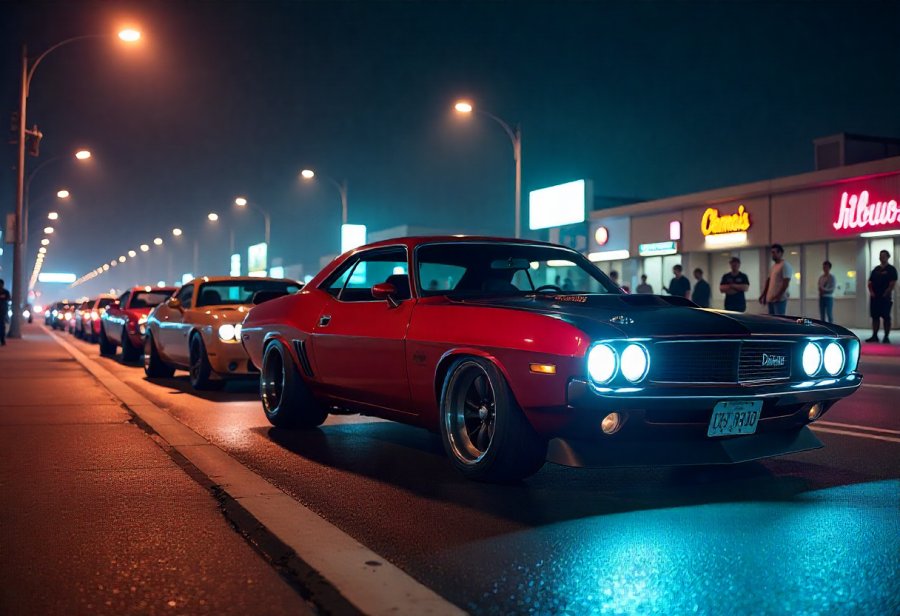
The Road Ahead: Future Perspectives and Innovations in Street Racing
The future of underground street racing is both intriguing and uncertain. As technology advances rapidly, modifications are becoming more sophisticated, blending digital tools with traditional tuning practices. Innovations like smart tuning devices, electric powertrains, and virtual racing setups could revolutionize how enthusiasts approach their craft, offering new ways to push limits and organize clandestine events. Despite increased law enforcement scrutiny, the core values of loyalty, brotherhood, and passion continue to drive the scene’s resilience and evolution.
Racers have demonstrated remarkable adaptability over the years. Encryption, secret meeting spots, and quick escape strategies are now standard tools that help keep the culture alive amidst tighter restrictions. This ingenuity underscores the depth of trust and loyalty within the community, enabling it to persist and adapt despite ongoing pressures. Online platforms and social media play an even larger role in facilitating discreet coordination, footage sharing, and reputation building—while maintaining a necessary level of secrecy.
Emerging technologies in the automotive world also open new doors. Electric vehicles promise quieter, cleaner ways to race, and advancements in lightweight materials and aerodynamics push performance to new heights. These innovations challenge traditional notions of street racing, blending rebellion with responsibility, and inviting a broader, more inclusive community. Even as the scene evolves, the essence remains rooted in the desire for freedom, connection, and adrenaline.
The deep bonds of loyalty and kinship that define underground racing are unlikely to fade. Their strength lies in shared dedication, late-night tuning sessions, and mutual respect—elements that foster lifelong friendships and a sense of belonging. As new generations enter the scene, they inherit this rich culture of trust, adapting it to contemporary realities without losing its core spirit. The community’s resilience is a testament to its unwavering commitment to brotherhood and passion.
Looking ahead, responsible participation and safety measures will be crucial in preserving the culture’s vitality. Supporting controlled, legal events can offer a way to celebrate the passion for speed while reducing risks. Educating newcomers about safety, humility, and respect can help shift perceptions and prevent tragedies, ensuring the scene remains vibrant and sustainable. This balance between rebellion and responsibility is key to its longevity.
Despite the challenges, underground street racing will likely endure because it taps into universal human desires for freedom and belonging. Its core appeal—speed fueled by loyalty and brotherhood—resonates deeply with those seeking identity and connection. As technology continues to advance, the community’s ability to innovate while holding onto its fundamental values will determine its future. The unbreakable bonds forged in the shadows will keep the spirit of underground racing alive for years to come.