Who was Cleopatra VII beyond the seductive icon portrayed in myths and Hollywood films? This compelling exploration reveals her as a brilliant strategist, scholar, and master diplomat who skillfully navigated Egypt through turbulent political waters. Fluent in multiple languages and deeply engaged in mathematics, astronomy, and philosophy, Cleopatra’s true legacy lies in her intellect and cultural diplomacy. Her ability to forge strategic alliances with Julius Caesar and Mark Antony was rooted in keen political insight rather than romance, illustrating a leader whose power was rooted in wisdom, resilience, and adaptability. Recent archaeological discoveries and reinterpretations cast her in a new light—as a resilient, culturally astute ruler who understood that genuine influence stems from understanding, patience, and strategic thinking. Could her story be a timeless testament that the greatest power resides in the mind? Her enduring legacy challenges us to reassess leadership qualities—reminding us that true strength lies in intelligence, cultural insight, and the courage to adapt.
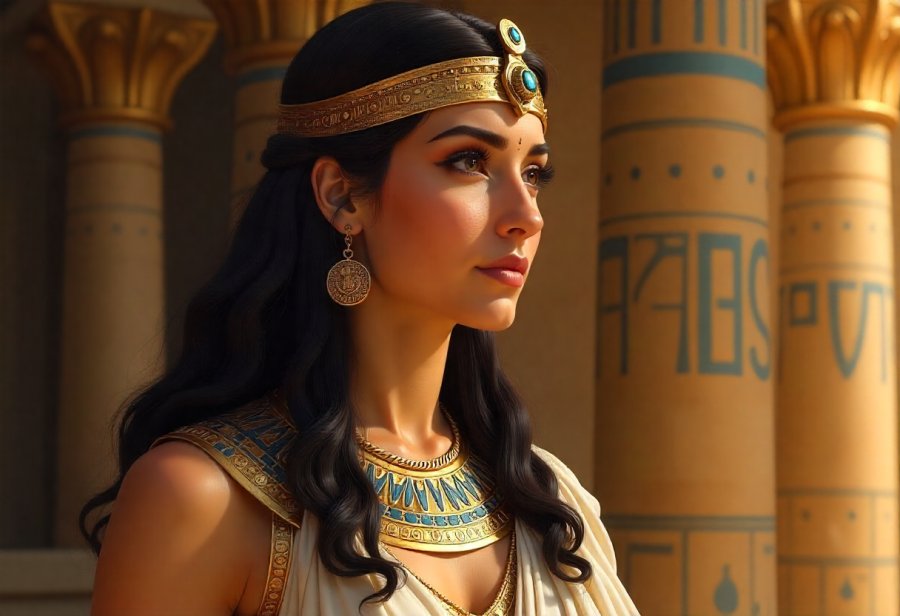
Cleopatra VII: A Strategist Beyond the Legend
Cleopatra VII often appears in history as a legendary figure, but her true legacy goes far beyond her romanticized image. She was a highly intelligent and strategic leader, qualities that allowed her to navigate Egypt through some of its most turbulent times. As the last active Pharaoh of the Ptolemaic Kingdom, Cleopatra demonstrated a keen political mind, constantly adapting her tactics to respond to shifting regional and global powers, especially as Rome’s influence grew. Her leadership was rooted in a blend of scholarly knowledge and political savvy, making her a formidable force in her era.
Her ability to combine education with diplomacy set her apart from many of her contemporaries. Fluent in multiple languages, including Egyptian and Greek, she could communicate directly with a diverse range of allies and rivals. This linguistic skill gave her a diplomatic edge, enabling her to craft nuanced alliances and negotiate with confidence. Cleopatra understood that leadership demanded cultural sensitivity and intellectual agility—she knew how to use her knowledge of religion, tradition, and politics to legitimize her authority and foster loyalty.
Throughout her reign, Cleopatra’s strategic acumen was evident in her relationships with powerful Roman leaders like Julius Caesar and Mark Antony. These alliances weren’t just personal; they were calculated moves designed to protect Egypt’s independence amid the rising tide of Roman expansion. Her ability to read her enemies and allies alike, and to adapt her approach accordingly, made her a master strategist who understood that influence often depended on timing and perception.
Beyond politics, Cleopatra was also a scholar deeply interested in mathematics, astronomy, philosophy, and rhetoric. Her pursuit of knowledge wasn’t just personal curiosity but a vital part of her leadership toolkit. She believed that understanding complex ideas and cultural nuances was essential to maintaining her power and influence. Her intellectual pursuits helped her craft policies that resonated with her subjects and allies, reinforcing her image as a ruler whose strength lay in her mind.
Cleopatra’s legacy is ultimately one of resilience and brilliance. Her ability to combine cultural insight, strategic thinking, and scholarly curiosity allowed her to sustain her throne against internal rivalries and external threats. She was a leader who understood that true power comes from the mind—using intelligence, adaptability, and cultural awareness to shape her destiny. Her story continues to inspire, reminding us that leadership rooted in wisdom and strategy can leave a lasting mark on history.
Roots of Power: Egypt’s Macedonian-Greek Legacy and the Turbulent Path to the Throne
Cleopatra VII’s rise to power was shaped by a rich and complex background rooted in a turbulent political landscape. She belonged to the Macedonian-Greek dynasty known as the Ptolemies, who took control of Egypt after Alexander the Great’s empire fractured. Her family maintained Greek customs, language, and governance, even as they ruled over a predominantly Egyptian population with deep-rooted religious and cultural traditions. This dual identity became a vital part of her leadership strategy, blending Hellenistic practices with Egyptian symbols of divine authority to legitimize her rule.
Her early years were marked by internal instability and external threats. Egypt was a powerful kingdom, but factions within the court and rival claimants to the throne created ongoing unrest. Rome’s expanding influence added another layer of complexity, forcing her to navigate a landscape where alliances could shift rapidly. The traditional Ptolemaic approach of marrying within the family to preserve power often resulted in fragile relationships, exemplified by her initial co-rule with her younger brother Ptolemy XIII. Recognizing these vulnerabilities, Cleopatra swiftly moved to consolidate her authority through diplomacy and strategic alliances.
Egypt’s cultural fabric was sharply divided: the Greek ruling class upheld their traditions, while native Egyptians continued their religious practices and cultural identity. Cleopatra understood that to strengthen her position, she needed to connect with her Egyptian subjects on a deeper cultural and religious level. She adopted traditional symbols of divine authority, positioning herself as both a Hellenistic monarch and an Egyptian pharaoh. This bridging of worlds helped foster loyalty and stability amid the chaos, demonstrating her keen understanding of cultural diplomacy.
Her ascent was further driven by sharp diplomatic instincts. When her brother Ptolemy XIII tried to sideline her, Cleopatra responded with quick thinking and strategic moves, notably her alliance with Julius Caesar. This relationship wasn’t just personal; it was a calculated effort to restore her claim to the throne and safeguard Egypt’s independence from Roman domination. Her ability to read the shifting tides of power, and to adapt her tactics accordingly, made her a master of political survival.
Throughout her reign, Cleopatra’s leadership was characterized by adaptability and resilience. She skillfully navigated shifting alliances, internal rivalries, and external threats by blending cultural knowledge with political acumen. Her background—Macedonian-Greek roots intertwined with Egyptian traditions—allowed her to craft a unique identity that resonated with diverse audiences. This complex foundation and her strategic use of diplomacy and cultural symbols left a lasting mark, shaping her legacy as a ruler whose strength lay in her ability to adapt and lead through intelligence.
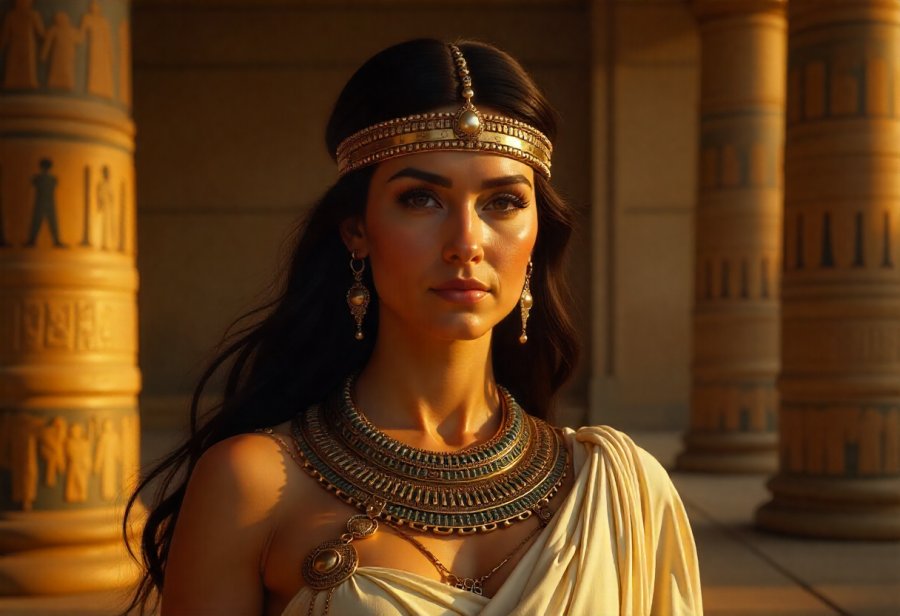
Modern Perspectives: Rethinking Cleopatra’s Leadership through the Lens of Today’s Scholarship
Today, scholars see Cleopatra less as a romantic icon and more as a highly capable leader whose intelligence and strategic talent defined her legacy. Modern research highlights her diplomatic finesse, mastery of multiple languages, and her skill in navigating a complex political environment. Rather than focusing on her personal relationships, experts emphasize her deep understanding of Egyptian culture, her scholarly interests, and her ability to craft nuanced alliances—traits that made her a formidable ruler. Recognizing her as a woman who relied on her mind to preserve Egypt’s independence shifts the narrative from one of romantic legend to that of a sharp, resilient strategist.
Advances in archaeology and reinterpretations of ancient texts have provided a clearer picture of Cleopatra as a deeply engaged leader. Her fluency in several languages, including Egyptian, Greek, and Latin, was a significant diplomatic advantage that allowed her to communicate directly with key allies and rivals. This linguistic ability minimized misunderstandings and strengthened her credibility on the international stage. Her capacity to connect across cultural boundaries helped her build alliances and maintain authority amid external threats, demonstrating her adaptability and foresight.
Scholars now see her scholarly pursuits as more than personal hobbies. Cleopatra’s genuine interest in mathematics, astronomy, philosophy, and rhetoric contributed to her political acumen. Her curiosity and dedication to learning enabled her to understand complex issues and craft sophisticated strategies. This intellectual foundation helped her legitimize her authority and foster loyalty among her diverse subjects. Her leadership was rooted in a combination of cultural insight, strategic thinking, and scholarly curiosity—traits that kept her ahead of her rivals.
Her relationships with Julius Caesar and Mark Antony are increasingly viewed through a strategic lens rather than romantic narratives. Cleopatra’s alliances with these Roman figures exemplify her mastery of diplomacy and power negotiation. She expertly leveraged these partnerships to serve Egypt’s interests, demonstrating her ability to assess situations and act with patience and precision. Her skill in reading her enemies and allies alike, and her willingness to adapt her tactics, remain a blueprint for effective leadership in volatile environments.
Cultural diplomacy played a crucial role in her enduring influence. Cleopatra skillfully blended Egyptian religious symbolism with Hellenistic traditions to create a resonant cultural identity. This strategic use of religious and cultural symbols helped legitimize her rule and foster loyalty among her subjects, even during turbulent times. Her ability to unify diverse communities through shared symbols and values offers a powerful lesson for modern leaders navigating multicultural landscapes.
Cleopatra’s legacy continues to shape how we view female power and political mastery today. Increasingly, she is celebrated not just as a figure of beauty or romance, but as a resilient, brilliant leader who used her intelligence, cultural insight, and diplomatic skill to leave a lasting mark on history. New discoveries and fresh interpretations deepen her reputation as a master strategist whose strength lay in her mind. Her story inspires respect for the power of intellect, patience, and cultural understanding—values as relevant today as they were in ancient Egypt.
Timeless Strategies: Lessons from Cleopatra’s Diplomatic and Intellectual Mastery
Cleopatra’s leadership offers timeless lessons in strategy and intellect that remain highly relevant today. Her ability to navigate complex political landscapes through diplomacy, negotiation, and cultural awareness demonstrates the power of adaptability and foresight. Modern leaders can draw inspiration from her example by valuing education, multilingual skills, and the importance of building alliances based on trust and mutual benefit. She understood that understanding her environment and the motivations of others was key to maintaining stability and influence.
Her strategic relationships highlight the importance of reading people and situations carefully. Cleopatra’s alliances with Julius Caesar and Mark Antony weren’t just personal choices—they were calculated moves aimed at securing Egypt’s long-term interests. By assessing her opponents’ strengths and weaknesses, she knew when to foster cooperation and when to stand firm. This kind of strategic patience and timing is a vital lesson for today’s leaders facing complex negotiations or conflicts.
Cultural diplomacy played a central role in her leadership. Cleopatra was adept at blending Egyptian traditions with Hellenistic practices, using religious symbolism and cultural references to legitimize her authority. Connecting with her people on a cultural level fostered loyalty and stability, even amidst external threats. Modern leaders can learn that respecting and understanding cultural contexts is a powerful tool for building trust, reducing conflicts, and uniting diverse communities under shared values.
Her multilingual abilities further underscore her intelligence. Speaking several languages fluently allowed her to communicate directly with a broad range of allies and rivals, minimizing misunderstandings and strengthening her credibility. Today, language skills and cultural literacy remain invaluable for international diplomacy, cross-cultural negotiations, and global collaboration. Cleopatra’s mastery in this area exemplifies the importance of continuous learning and cultural agility.
Finally, her dedication to scholarship and continuous learning fueled her diplomatic and strategic skills. Her curiosity about mathematics, astronomy, and philosophy helped her see the bigger picture and craft nuanced solutions. Leaders who prioritize education and intellectual growth are better equipped to anticipate challenges and innovate. Cleopatra’s resilience and measured decision-making remind us that patience, cultural insight, and a curious mind are essential ingredients for enduring leadership.
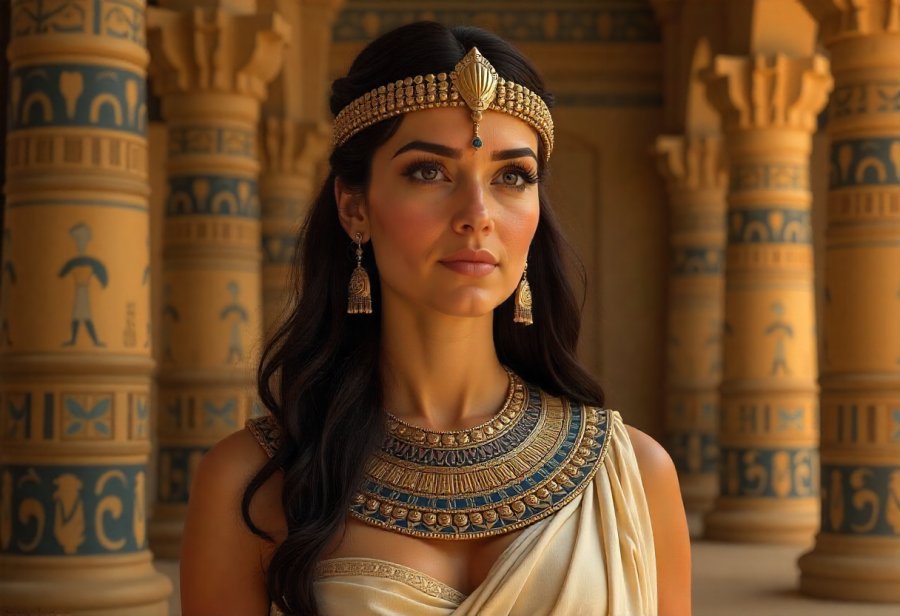
Her Enduring Influence: How Cleopatra’s Leadership Continues to Shape Modern Leadership and Perception
Cleopatra’s leadership qualities continue to shape how we perceive female power and political mastery today. Modern scholars increasingly see her not just as a romantic icon but as a master strategist whose intelligence, multilingual skills, and cultural diplomacy allowed her to sustain Egypt’s independence amid a tumultuous era of empire-building. New archaeological discoveries and fresh interpretations of ancient texts deepen this understanding, revealing her scholarly pursuits and diplomatic finesse in ways that challenge outdated stereotypes.
As evidence accumulates, Cleopatra’s legacy shifts away from the images of beauty and seduction. Instead, she is celebrated for her resilience, sharp political instincts, and ability to adapt to shifting power dynamics. Her story now emphasizes intelligence, patience, and cultural insight as core elements of effective leadership. These qualities resonate strongly in today’s world, highlighting that strength often lies in strategic thinking and the power of the mind. Her example encourages us to value resilience and adaptability as essential traits for navigating complex environments.
Recent archaeological finds, including inscriptions and artifacts, shed new light on her intellectual pursuits and governance style. Her multilingual talents and dedication to education enabled her to communicate directly with influential figures and craft sophisticated diplomatic strategies. Her curiosity about astronomy, mathematics, and philosophy reflects a leader who viewed knowledge as a vital tool for stability and influence. These discoveries reinforce the idea that leadership rooted in continuous learning and cultural understanding can leave a lasting impact.
Her alliances with Julius Caesar and Mark Antony are now seen less as romantic tales and more as strategic moves. Cleopatra’s partnerships exemplify her mastery of power negotiation and timing, demonstrating her ability to leverage relationships to serve Egypt’s interests. Her capacity to read her enemies and allies alike, and to adapt her tactics accordingly, offers a blueprint for modern diplomacy and leadership—showing that influence depends on perception, patience, and insight.
Looking ahead, Cleopatra’s legacy offers valuable lessons for today’s leaders. Her ability to navigate complex geopolitical landscapes with intelligence and resilience underscores that true influence is rooted in cultural insight, strategic patience, and a commitment to continuous growth. Her story reminds us that leadership is as much about the strength of the mind as it is about any throne. Her enduring influence inspires a reevaluation of what it means to lead—and how intellect and adaptability can shape history in ways that resonate far beyond her time.