Blog

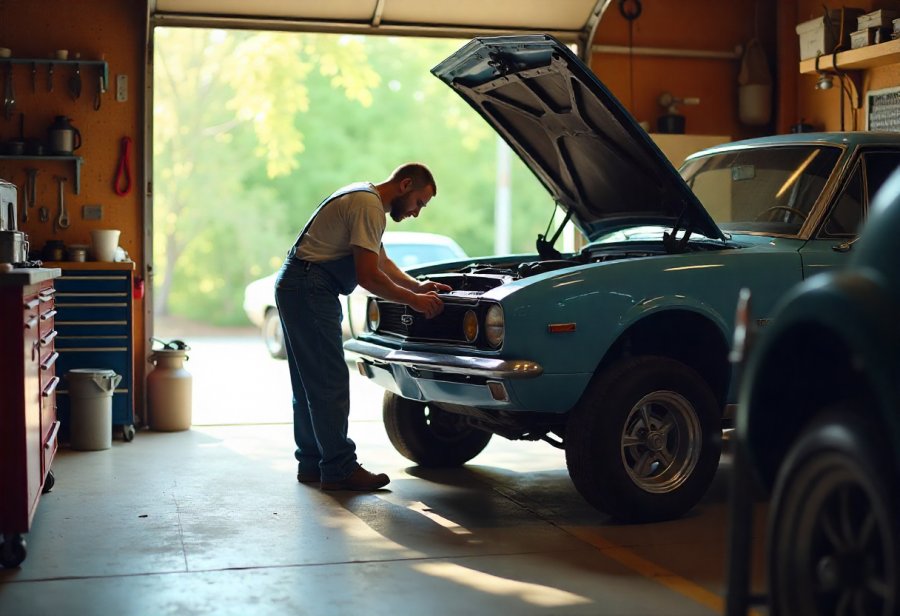
  • The Timeless Legacy and Future of the Iconic Mustang

    The Timeless Legacy and Future of the Iconic Mustang

    The Ford Mustang embodies more than just American muscle—it’s a symbol of freedom, rebellion, and enduring passion that has captivated generations since 1964. Its iconic design, blending timeless style with cutting-edge engineering, ensures its relevance across decades. From legendary models like the Shelby GT500 to modern innovations with hybrid and electric options, the Mustang balances tradition with progress. It’s more than a car; it’s a cultural icon featured in films, music, and stories of independence. But what makes this legendary vehicle truly unstoppable? As Ford explores new horizons in sustainability and technology, the Mustang’s ability to adapt keeps its spirit alive—fueling dreams of adventure and the pursuit of freedom. How will this iconic muscle car continue to thrive in a rapidly evolving automotive landscape? One thing is certain: the Mustang’s legacy of power, style, and rebellion remains as compelling as ever.

    The Mustang: An Icon of American Freedom and Rebellion

    The Ford Mustang isn’t just a car; it’s a symbol that has come to define American automotive culture. Since its debut in 1964, the Mustang has stood for more than just transportation—it embodies freedom, rebellion, and a spirit of adventure that resonates with many. Its bold design and powerful engines have made it an icon not only on the streets but also in movies, music, and media, shaping the cultural landscape of the United States.

    What makes the Mustang so enduring isn’t just its performance, but its ability to connect emotionally with drivers across generations. It sparks dreams of open highways and endless possibilities, capturing the essence of American individualism. From its very launch, Ford aimed to create a vehicle that appealed to young, energetic drivers seeking style and speed—something that would stand out and make a statement.

    Over the decades, the Mustang has maintained its status as a cultural icon. It’s been featured in countless films, from high-speed chases in “Bullitt” to iconic moments in “Gone in 60 Seconds,” reinforcing its reputation as a symbol of speed and daring. Its presence in music and pop culture—whether in lyrics or album covers—further cements its identity as a symbol of youthful rebellion and freedom.

    Driving a Mustang isn’t just about getting from one place to another; it’s about feeling connected to a legacy of resilience and passion. The roar of its engine, the sleek lines of its body, and the stories it carries evoke a sense of thrill and independence. Owning a Mustang becomes a statement of personality—an extension of those who refuse to conform and instead choose to stand out.

    This cultural significance is a key reason the Mustang remains relevant today. It appeals to both old-school enthusiasts and new drivers, maintaining its legendary status through continual innovation and iconic design. Whether cruising scenic highways or turning heads on city streets, the Mustang continues to embody the American dream—bold, free, and unafraid to push boundaries.

    From 1964 to Today: The Evolution of the Mustang

    The story of the Ford Mustang begins in 1964, born from Ford’s bold vision to create a stylish, affordable muscle car that would appeal to young drivers craving performance and freedom. Its distinctive long hood and short rear deck design broke away from conventional car shapes, setting a new standard for sporty aesthetics. Almost instantly, the Mustang became a sensation, transforming the automotive landscape overnight and capturing the imagination of enthusiasts and casual drivers alike.

    From its debut, the Mustang offered versatility with a range of engine options, from modest inline-sixes to roaring V8s. This adaptability made it accessible to a broad audience—whether someone wanted a reliable daily driver or a high-performance beast. Its lightweight build and aggressive stance helped define the muscle car era of the 1960s, embodying rebellion and freedom on wheels. The car’s sleek profile and sporty features quickly made it a cultural icon, symbolizing more than just transportation but a lifestyle choice.

    Throughout the years, the Mustang evolved through multiple redesigns, each reflecting changing tastes and technological advancements. The late 1960s saw the introduction of legendary editions like the Shelby GT350 and GT500, which pushed performance boundaries with supercharged engines and unique styling cues. These models became symbols of American muscle power, blending speed with visual flair and cementing the Mustang’s reputation as a performance legend. Despite design shifts, the core silhouette remained recognizable, growing more refined and aerodynamic with each generation.

    The 1970s and 1980s brought challenges such as rising fuel prices and stricter emissions regulations. Ford responded by adapting the Mustang’s design and engineering, introducing turbocharged engines and improved suspensions to maintain its appeal. Even during these tough times, the Mustang preserved its muscular character, attracting a new generation of drivers who valued performance and style. Each iteration built on its rich legacy, ensuring the Mustang stayed relevant and true to its roots.

    In the 2000s, Ford launched a series of redesigns that paid homage to the original models while embracing modern technology. These newer Mustangs featured sharper lines, LED lighting, and advanced infotainment systems, all while maintaining the iconic silhouette. Engine options expanded to include turbocharged four-cylinders alongside traditional V8s, offering a balance of power and efficiency. This blend of heritage and innovation helped keep the Mustang fresh, reinforcing its status as an enduring American icon.

    Today, the Mustang continues to evolve, embracing new technology like electrification and hybrid systems without losing its performance-driven soul. Its journey from a rebellious muscle car to a modern symbol of innovation demonstrates its resilience and timeless appeal. Throughout its history, the Mustang has remained a reflection of American ingenuity—constantly adapting while staying true to its core identity as a bold, powerful, and iconic vehicle.

    More Than a Car: How the Mustang Became a Cultural Symbol

    The Ford Mustang has long been more than just a car; it’s a potent symbol of American culture and identity. From its earliest days, the Mustang embodied the ideals of freedom, independence, and rebellion. Its sleek, muscular design and roaring engine became visual and emotional icons that resonated deeply with a generation eager to challenge conventions and forge their own paths. Whether cruising along open highways or making a statement on city streets, the Mustang’s presence evokes a sense of possibility and daring that fuels the American spirit.

    Its influence extends far beyond the asphalt. The Mustang has starred in countless movies, from high-speed chases in “Bullitt” to rebellious rides in “Gone in 60 Seconds,” cementing its reputation as a symbol of speed and adventure. In music, it’s celebrated in lyrics and album covers, often representing youthful exuberance and a desire to stand out. These cultural references helped elevate the Mustang from a simple vehicle to an enduring icon of resilience, strength, and individuality.

    For owners and fans, the Mustang is a declaration of personality and values. It’s a way to express a craving for freedom, a refusal to conform, and a pursuit of excitement. The sound of its engine, the bold lines of its body, and the stories it carries all contribute to its mythic status. Owning a Mustang becomes more than a possession—it’s a statement of living boldly and embracing a rebellious spirit, connecting drivers to a shared legacy of resilience and passion.

    The Mustang’s cultural resonance continues to inspire new generations. Young drivers see it as a symbol of independence, while longtime enthusiasts cherish it as a link to their youth and the rich history of American muscle cars. It sparks stories of thrill-seekers, rebels, and dreamers, fostering a community united by a love for performance, style, and freedom. This ability to evoke emotion and symbolize resistance ensures the Mustang remains relevant—a true representation of American resilience and ingenuity.

    At its core, the Mustang embodies core American values: freedom, resilience, and individuality. It’s more than a car; it’s a cultural icon that inspires stories, fuels dreams, and celebrates living boldly. From film and music to personal tales of passion and rebellion, the Mustang continues to shape and reflect the American identity. Its enduring legacy lies in its power to inspire, challenge, and symbolize the unbreakable spirit of those who dare to stand out.

    Timeless Design and Performance: The Secrets Behind the Mustang’s Enduring Allure

    The Ford Mustang’s lasting appeal lies in a perfect blend of design, performance, and cultural significance that have endured over decades. Its iconic shape, characterized by muscular lines and a sleek silhouette, immediately signals strength and speed. The long hood and short rear deck create a profile that’s both timeless and instantly recognizable, allowing it to transcend fleeting trends and remain relevant across generations. These design elements evoke a sense of power and agility, resonating deeply with enthusiasts and casual observers alike.

    Beneath its striking exterior, continuous innovation in engineering keeps the Mustang at the forefront. Modern engines—ranging from turbocharged four-cylinders to potent V8s—deliver impressive power while balancing efficiency. Upgraded suspensions and aerodynamic tweaks enhance handling and driving dynamics, ensuring each model feels lively and responsive on the road. Special editions, like the Shelby models, push this further with supercharged engines and distinctive styling cues, reinforcing the car’s reputation as a high-performance icon. These technological advances preserve the thrill of driving a Mustang, no matter the era.

    Beyond its physical features, the Mustang’s cultural role cements its status as a lasting icon. It symbolizes American values—freedom, rebellion, resilience—and embodies a spirit that resonates well beyond the asphalt. From Hollywood blockbusters to iconic music lyrics, the Mustang has been a symbol of daring and independence. Its presence in media and pop culture elevates it from a mere vehicle to a powerful emblem of living boldly and pushing boundaries. This emotional connection is why the Mustang continues to inspire loyalty and admiration across generations.

    Attention to detail also plays a vital role in its timeless allure. The signature pony grille, bold stance, and distinctive taillights serve as visual cues that reinforce its legendary identity. Inside, a thoughtful mix of nostalgic styling and modern technology creates an environment that feels both classic and contemporary. Every element, from side scoops to interior controls, is crafted to evoke a tactile and visual experience that remains fresh and desirable. Such meticulous attention to design ensures the Mustang’s appeal endures long after its debut.

    Performance power is another cornerstone of its longevity. Engine options have evolved from simple V8s to sophisticated turbocharged variants, offering exhilarating acceleration and confident handling. Advances like adaptive suspensions and innovative transmissions keep each model exciting and relevant. This ongoing pursuit of performance excellence ensures that driving a Mustang remains an engaging experience, reinforcing its reputation as a leader among American muscle cars. The combination of timeless design and cutting-edge engineering keeps the Mustang not just relevant, but iconic, for generations to come.

    Driving Into the Future: The Mustang’s Present Success and Future Innovations

    Today, the Ford Mustang continues to lead the way in American automotive innovation, with modern models like the Mustang GT and Mach 1 blending classic muscle car appeal with cutting-edge technology. These vehicles offer turbocharged engines, advanced suspension systems, and driver-assist features that elevate everyday driving while staying true to the performance roots that define the Mustang’s legacy. Ford’s ongoing updates ensure that each new release remains fresh and relevant, cementing the Mustang’s place as a timeless icon in a rapidly evolving industry.

    Looking ahead, Ford is proactively exploring electrification and hybrid solutions for the Mustang lineup. These innovations aim to preserve the thrill of performance while addressing the industry’s shift toward sustainability. Electric Mustangs promise instant torque, zero emissions, and exhilarating acceleration—delivering the same adrenaline rush without compromising environmental responsibilities. Ford’s commitment to integrating tradition with technological progress indicates that the Mustang will adapt and thrive amidst changing automotive landscapes.

    For enthusiasts and newcomers alike, owning a Mustang today is about embracing a lifestyle of boldness and independence. The current lineup caters to diverse tastes, from fuel-efficient EcoBoost models to high-powered Shelby variants, each offering a unique driving experience. Whether cruising scenic routes or making an impression at car meets, owners see their Mustang as more than a vehicle—it’s an extension of their personality, a symbol of freedom and rebellion.

    The community surrounding the Mustang remains vibrant, fueled by stories of restoration, customization, and shared passion. These experiences highlight how the Mustang inspires craftsmanship and performance, fostering a sense of belonging among owners who cherish its legacy. This collective enthusiasm keeps the model relevant, continuously reinvigorating its iconic status across generations.

    Despite rapid technological advancements, the core principles that have made the Mustang a lasting icon continue to drive its evolution. Ford’s focus on performance, design, and cultural resonance ensures each new model connects emotionally with drivers. This seamless blend of heritage and innovation guarantees that the Mustang remains not just relevant but iconic, inspiring new stories while honoring its storied past.

    In summary, the Ford Mustang today is a dynamic fusion of tradition and progress. Its powerful performance, timeless design, and forward-looking innovations ensure it will remain a symbol of American strength and ingenuity for decades to come. As the automotive industry moves toward sustainability and smarter technology, the Mustang’s ability to adapt will keep it at the forefront—a true legend that continues to thrill and inspire.


  • Master the Art of Calm and Confident Dog Walks Every Day

    Master the Art of Calm and Confident Dog Walks Every Day

    Mastering calm walks with your dog is more than just a training goal—it’s a transformation of daily routines into moments of trust and connection. Imagine strolling peacefully alongside a focused, relaxed canine, free from pulling or distractions—yet achieving this harmony requires understanding, patience, and strategic practice. This guide reveals how positive reinforcement, environmental management, and targeted exercises can turn chaotic outings into serene bonding experiences. Are you prepared to navigate the challenges of distractions, anxiety, and environmental triggers? With tailored techniques, step-by-step planning, and a calm approach, you can foster a confident, well-behaved companion. From setting realistic goals to managing setbacks, every aspect emphasizes that calm walking isn’t just about obedience—it’s about building a deeper, mutually rewarding relationship. Embark on this journey, and discover how peaceful walks can redefine your bond with your dog, creating joyful shared moments every day.

    Transform Your Routine: The Power of Calm Dog Walking

    Walking calmly with your dog might seem like a simple task, but it’s a skill that can truly transform your daily routine. A peaceful walk isn’t just about covering distance; it’s about creating a shared experience built on trust and mutual understanding. When your dog learns to stay relaxed by your side, walks become more enjoyable and less stressful for both of you. This calm approach helps reduce pulling, lunging, and distractions, making outings safer and more pleasant.

    A relaxed walk also deepens your bond. When your dog responds gently to cues and remains focused, it signals a level of communication that goes beyond basic commands. This shared understanding fosters trust and confidence, strengthening your relationship. Plus, a calm dog is less likely to develop behavioral issues like leash reactivity or anxiety, common during hurried or chaotic walks.

    Practicing calm walking isn’t just about behavior—it offers practical benefits too. It creates a safer environment by preventing sudden pulls or lunges that could cause accidents. It also makes training more effective because your dog is more attentive and receptive when relaxed. Turning routine walks into moments of harmony not only enhances your connection but also makes each outing more rewarding.

    This article will introduce simple, effective techniques to cultivate calmness during walks. From managing your leash to focusing exercises, you’ll learn how to turn everyday outings into peaceful bonding moments. With patience and consistency, you can help your dog develop a calm demeanor that benefits both your relationship and your daily life together.

    Decoding Dog Behavior: Foundations for Effective Calm Walking

    Understanding your dog’s behavior is essential for mastering calm walking. Dogs communicate a lot through body language—tail position, ear angles, and posture—all of which reveal their emotional state. Recognizing early signs of stress, excitement, or distraction allows you to respond before behaviors escalate. For example, stiff posture or yawning can signal overstimulation or anxiety, indicating it’s time to pause or adjust your approach. Paying attention to these cues helps prevent pulling or reactive reactions during walks.

    Positive reinforcement is at the heart of effective training. Rewarding your dog for walking close and relaxed encourages them to repeat that behavior. Using treats, praise, or toys makes learning enjoyable and stress-free. Clear commands like “heel” or “focus” create predictability, helping your dog understand what’s expected. Consistent cues build trust and strengthen your bond, making calm walking feel natural rather than forced.

    Modern training methods move away from harsh corrections, favoring humane, reward-based approaches. Corrections that rely on fear can damage trust, while patience and understanding foster a confident, relaxed dog. This approach not only results in better behavior but also deepens your connection, making training sessions more positive and effective. Your dog learns to associate calmness with rewards, which accelerates progress.

    External factors, such as environment and temperament, greatly influence your dog’s walking behavior. Noisy streets or unfamiliar parks may overstimulate or unsettle your pet, leading to pulling or anxiety. Understanding your dog’s unique traits—whether they’re naturally reactive or laid-back—allows you to tailor your training. Gradual exposure in different settings helps build confidence and self-control, making calm walking more achievable everywhere.

    Building a solid foundation involves mastering key terms like leash training, focus, and heel. Leash training teaches polite walking without pulling, while focus exercises help your dog stay attentive despite distractions. The “heel” command keeps your dog close and calm by your side. Mastering these basics makes future training smoother and more effective, turning routine walks into moments of trust and harmony.

    Ultimately, understanding dog behavior and training principles sets the stage for success. Patience, consistency, and positive reinforcement turn calm walking into a shared journey of trust. By respecting your dog’s signals and gradually building their confidence, you create a peaceful, enjoyable routine that benefits both of you. This foundation transforms everyday walks from chaos into opportunities for bonding and mutual understanding.

    Mastering Techniques: Exercises to Cultivate Calmness on Every Walk

    To develop calmness during walks, focus on exercises that strengthen your dog’s attention and self-control. Start with focus drills before heading out—teach your dog to look at you on command, especially in environments full of distractions. Reward these moments consistently with treats or praise, helping your dog associate calm focus with positive outcomes. This foundation makes it easier for your dog to remain attentive and relaxed amid bustling surroundings.

    Using a clear cue like “heel” guides your dog to walk close and relaxed at your side. Reinforce this command every time your dog maintains the correct position with praise or treats. Managing the environment also helps—choose quieter routes or walk during less busy times to reduce overstimulation, giving your dog space to practice calm walking without feeling overwhelmed. Gradually increasing exposure to more stimulating settings builds confidence and self-control, but always at your dog’s pace.

    Address leash pulling by teaching your dog to walk on a loose leash. When they pull, gently cue “focus” or “heel,” then reward when they respond correctly. This simple method transforms pulling into a learned behavior, promoting relaxed, attentive walking over time. When faced with distractions like other dogs or loud noises, calmly redirect your dog’s attention using commands like “look” or “focus,” rewarding their responses. Pausing or changing direction can reset your dog’s mood and prevent setbacks.

    Incorporate training tools such as clickers and gentle harnesses to support your efforts. Clickers mark moments of focus clearly, speeding up learning, while harnesses designed to discourage pulling give you better control without discomfort. Consistency, patience, and steady practice turn these techniques into habits, helping your dog stay calm and attentive during walks. Remember, setbacks happen—view them as opportunities to refine your approach and reinforce the calm, positive routine you’re building together.

    Real Success Stories: Applying Calm Walking Strategies in the Real World

    Real-world examples show how consistency and patience can turn calm walks into a routine you both enjoy. Take Lily and her Border Collie Max. Before focusing on focus exercises and gentle reinforcement, Max would pull fiercely and become distracted by passing cars or other dogs. With regular practice, Lily gradually increased exposure to distractions, rewarding calm behavior along the way. Over weeks, Max learned to stay attentive and walk calmly at her side, transforming their neighborhood outings into peaceful, bonding moments.

    Another example involves Buddy, a rescue dog dealing with separation anxiety and reactivity on walks. By choosing quieter routes and rewarding calm responses, Buddy’s confidence grew. Small successes accumulated, turning stressful walks into serene routines. These stories highlight that even challenging behaviors can improve with tailored techniques, patience, and consistency, gradually replacing chaos with harmony.

    Support tools like treat pouches, clickers, and gentle harnesses can quicken progress. Treat pouches make rewarding easy and accessible. Clickers help mark moments of focus clearly, speeding up learning. Gentle harnesses provide better control without discomfort, reducing pulling and anxiety. When combined with steady effort, these tools make training less frustrating and more effective, fostering a sense of trust and calmness during walks.

    Short, daily sessions—about five to ten minutes—are more effective than long, infrequent outings. This consistency helps your dog internalize calm behaviors and builds reliable routines. Using simple cues like “focus” or “heel,” and rewarding each success, creates a clear communication channel that strengthens your bond over time.

    Remember, setbacks are part of the process. If your dog pulls or gets distracted, pause and redirect their attention. Changing your route or taking a brief break can help reset their mood. These small adjustments reinforce that calmness is the goal. With patience and persistence, peaceful, joyful walks become a natural part of your shared life.

    Setting the Stage for Peaceful Walks: Preparation and Mindset Essentials

    Preparing for successful dog walks begins long before you step outside. Planning your route with your dog’s current training level in mind helps set the stage for calm, controlled outings. Opt for quieter streets or parks during less busy times to create a low-stress environment where your dog can focus and learn without feeling overwhelmed. Having your supplies organized—treats, a sturdy leash, and any training tools—within easy reach makes it easier to reinforce good behavior right from the start.

    Your mindset plays a crucial role in how smoothly your walk unfolds. Approach each outing with patience and confidence, as your calm attitude helps your dog feel secure. Establishing a consistent routine builds trust and reduces anxiety, making it easier for your dog to focus on the training you’ve worked on together. Knowing what to expect each day creates familiarity, which promotes relaxation and attentiveness during walks.

    Investing in simple, reliable tools like a sturdy leash and comfortable collar or harness can make a big difference. If needed, add supportive items like a front-clip harness or clicker to enhance your efforts without complicating the process. Keep treats and toys on hand as rewards for calm behavior—they’re small, portable, and highly motivating for your dog.

    Timing your walks thoughtfully enhances their effectiveness. Short, daily sessions—around five to ten minutes—are more beneficial than long, infrequent outings. Regular, predictable walks help your dog internalize calm behaviors and build confidence, turning training into a habit rather than a chore. Consistency is key to making progress.

    Weather and environmental conditions also influence your planning. Hot, cold, or rainy days may require shorter walks or different routes to keep your dog comfortable and relaxed. Being flexible and attentive to your dog’s needs ensures that each walk remains a positive experience rather than a stressful chore.

    Finally, accept that setbacks can happen. Not every walk will go perfectly—and that’s okay. Stay calm, be adaptable, and use each outing as an opportunity to reinforce your training. With patience and preparation, you’ll turn walking into a peaceful, bonding routine that both you and your dog look forward to every day.

    Step-by-Step Planning: Designing and Implementing Your Calm Walking Training

    Designing a calm walking training plan starts with setting clear, achievable goals based on your dog’s current behavior. Whether you want to reduce pulling, improve focus, or simply enjoy more relaxed outings, defining these objectives helps you stay focused and motivated. Break the plan into small, manageable steps, and commit to short daily sessions of five to ten minutes. Consistency is key—regular practice builds momentum without overwhelming your dog.

    Choosing the right environment for training makes a big difference. Start in quiet, familiar spaces where your dog can learn without too many distractions. As your dog gains confidence, gradually introduce more stimulating settings like busy streets or parks. This slow exposure helps your dog develop self-control and confidence in different situations, making progress more sustainable. Always match the difficulty level to your dog’s comfort zone to prevent frustration.

    Use positive reinforcement consistently to shape good habits. Reward your dog immediately when they walk calmly beside you, whether with treats, praise, or toys. When they pull or become distracted, pause, gently correct with cues like “focus” or “heel,” and reward when they respond correctly. This cause-and-effect approach helps your dog link calm walking with positive outcomes, reinforcing desirable behavior over time. Keep your tone calm and patient to foster trust.

    Adjust your training plan based on your dog’s progress. If they struggle with certain environments or stimuli, slow down and practice more in easier settings. Patience prevents setbacks from undoing previous progress. Keep a mental or written record of what works, so you can refine your approach and focus on techniques that yield results. Remember, every dog learns at their own pace, and steady effort will pay off.

    Staying consistent and calm throughout the training process creates a positive atmosphere. Your dog picks up on your energy, so approaching each session with patience and confidence encourages cooperation. Celebrate small wins along the way, and view setbacks as opportunities to learn and adjust. With steady practice, calm, confident walks become a natural, rewarding part of your shared routine, strengthening your bond and making every outing a peaceful experience.

    Overcoming Challenges: Managing Risks and Staying Calm in Every Situation

    Managing risks and challenges during calm dog walks means staying prepared for common setbacks and knowing how to respond quickly. Distractions like other animals, loud noises, or busy environments can easily throw your dog off balance, leading to pulling, barking, or reactive behaviors. Staying calm yourself is key—your dog will mirror your energy. When distraction hits, use the cues and techniques you’ve practiced, like redirecting their focus or pausing the walk. Sometimes, changing direction or taking a break can help reset your dog’s mood.

    Overstimulated or anxious dogs will need extra patience. Signs like tense muscles, yawning, or avoiding eye contact suggest they’re overwhelmed. If that happens, consider moving to a quieter spot or shortening the walk to help your dog regain composure. Having a plan for these moments, whether it’s calming techniques or choosing different routes, keeps setbacks from escalating. If issues persist, consulting a trainer or behaviorist can provide tailored strategies that address specific triggers.

    Environmental triggers—noisy streets, unfamiliar parks, or other dogs—can challenge your dog’s calmness. Gradually exposing your dog to these stimuli in controlled ways builds confidence and reduces reactivity. Reward calm responses to reinforce positive behavior and help your dog learn that staying relaxed is rewarding. Weather conditions also matter; hot or rainy days might require shorter walks or different routes to prevent stress and discomfort.

    Tools like gentle harnesses or clickers support your efforts by improving control and marking moments of focus clearly. Remember, setbacks aren’t failures—they’re opportunities to learn. Analyze what caused the distraction or stress, then adjust your approach—whether that’s changing your route, using different cues, or taking a moment to reset. Consistency and a calm demeanor help your dog develop resilience over time.

    Flexibility is crucial. Not every walk will go perfectly, and that’s okay. Respond calmly, keep routines positive, and view setbacks as part of the learning process. These experiences reinforce that calmness is the goal, helping your dog learn to stay relaxed even amid challenges. With patience and steady practice, peaceful, confident walks become the norm, strengthening your bond and making outings more enjoyable for both of you.

  • Master the art of chaos in DIY computer upgrades

    Master the art of chaos in DIY computer upgrades

    Embark on a humorous yet insightful journey into the chaotic world of DIY computer upgrades. While the promise of faster, more personalized machines sparks excitement, the reality often involves tangled wires, missing screws, and surprises that test patience and humor. This guide reveals how seemingly simple enhancements quickly spiral into puzzles of compatibility, cable spaghetti, and unexpected mishaps—each mishap transforming frustration into laughter. Yet, beneath the chaos lies a rewarding process of learning, mastery, and confidence-building. With expert tips on planning, organization, and safety, readers are encouraged to embrace the unpredictable nature of hardware tinkering. Are you ready to turn a messy, nerve-wracking experience into a triumphant skill-building adventure? Through patience, preparation, and a sense of humor, mastering the art of DIY upgrades becomes not just achievable but genuinely enjoyable.

    Transforming Sluggish Systems: The Joys and Jokes of DIY PC Upgrades

    Upgrading your computer is often driven by a simple desire: to make it faster, more capable, or just more personalized. Maybe your laptop slows down when you’re trying to get work done, or your gaming rig isn’t delivering the smooth experience you expect. At some point, many of us get that itch to tinker—swapping out old parts for new ones and squeezing every ounce of performance or style from our machines. There’s a satisfying sense of accomplishment in transforming a sluggish setup into a snappy, tailored device.

    But if you’ve ever opened up your computer, you know it’s not always as straightforward as it seems. What starts as a quick “just add more RAM” can quickly turn into a full-blown project. Suddenly, you’re surrounded by a jumble of cables, tiny screws, and manuals that seem written in a language only tech enthusiasts understand. It’s easy for the process to spiral into chaos, with missing screws, tangled wires, or accidentally knocking over a drink onto your workspace. The chaos can be overwhelming, even for those with some experience.

    Despite the mess, there’s a certain charm to the whole process. Getting your hands dirty, figuring out how hardware fits together, and finally seeing your upgraded system come to life makes it all worthwhile. Even when parts are incompatible or static shocks happen, the sense of achievement when everything powers up is unmatched. Each small success builds confidence, turning what once seemed complicated into a rewarding challenge.

    What makes DIY upgrades so unpredictable is the small steps that can go wrong, often in amusing ways. Cable management, in particular, can turn into spaghetti wiring that makes troubleshooting a nightmare later on. Missing screws seem to vanish into thin air, and misplaced connectors can cause headaches or hardware issues. These everyday hurdles transform a simple task into a humorous adventure—full of surprises, mishaps, and stories to laugh about afterward.

    In the end, upgrading your PC isn’t just about better performance; it’s about embracing the chaos. It’s about learning as you go, accepting the mess, and finding humor in the mishaps. Every tangled wire and missing screw becomes part of your story—proof that you’ve been through the process and came out with a working, upgraded machine. And that feeling of powering up your own build? It’s a satisfaction that’s hard to match.

    The Hilarious World of Tech Upgrade Chaos

    Once you dive into tinkering inside your computer, funny moments tend to happen just when you least expect them. Take the classic scenario where someone is carefully installing a tiny screw, only to drop it into the depths of their desk—or, worse, inside the case itself—where it vanishes without a trace. Suddenly, you’re rummaging through a mountain of wires and components, trying to find that elusive piece, all while hoping it doesn’t get lodged somewhere forever. These little mishaps turn a simple upgrade into a comedy of errors that everyone who’s done DIY knows all too well.

    Then there’s the chaos of plugging in cables and power supplies. Imagine the horror when you realize you’ve connected a cable backwards or into the wrong port, causing sparks or smoke to billow out. The panic that follows is almost universal—eyes wide, hands trembling, and a frantic scramble to unplug everything before things get worse. It’s these moments that remind us how unpredictable and fragile DIY upgrades can be, even for experienced builders. It’s part of what makes the process both nerve-wracking and hilarious.

    Cable spaghetti is another staple of the upgrade journey. What starts as a neat, organized setup often devolves into a tangled mess of wires resembling a bird’s nest more than a tidy build. Trying to untangle or route wires neatly becomes a puzzle where one wrong move can tighten the knots or disconnect a crucial component. Feeling blindly in the dark, searching for the right connector or trying to fit a cable into a tiny port, all add to the frustration. It’s a test of patience that often results in a tangled web of wires—an inevitable, yet comic, side effect of DIY adventures.

    Stories of hardware mishaps are almost too funny to believe. There’s the person who spends hours installing a graphics card, only to discover they’ve plugged the power connector into the wrong port, causing smoke and a moment of sheer panic. Or the one who, in a rush, knocks over a cup of coffee onto their open case, turning a straightforward upgrade into a mini disaster. These anecdotes become legendary among DIYers, serving as both cautionary tales and badges of honor. They remind us that no matter how careful we try to be, chaos always seems to find a way to sneak in.

    All these moments underscore one thing: DIY upgrades are unpredictable and often hilarious. From screws that vanish into thin air to cables that seem to have a life of their own, these stories are shared in forums and gatherings, turning frustration into laughter. They teach us that perfection isn’t the goal—embracing the chaos, learning from each mistake, and enjoying the ride make every build memorable. When your system finally powers up and runs smoothly, those chaotic stories become badges of experience, proof that you’ve survived—and maybe even enjoyed—the wild ride of building your own PC.

    Navigating the Chaos: Tips and Strategies for a Smooth Build

    Before you even begin, taking a moment to plan your upgrade can save hours of frustration. Double-check compatibility for your motherboard, RAM, and graphics card—reading manuals and online specs helps prevent costly mistakes. Making a detailed checklist of parts and steps keeps you organized and reduces chances of missing something crucial. Laying out your tools and small containers for screws and tiny parts means fewer lost pieces and quicker reassembly. When everything is within reach, the process flows more smoothly, and you won’t find yourself scrambling for that one missing screwdriver or connector.

    Patience is your best friend once you start. Working slowly and methodically minimizes errors and keeps your nerves intact. Rushing often leads to misconnected cables, upside-down components, or forgotten screws, all of which can turn a straightforward upgrade into a headache. Double-check each connection before powering up—this simple step can save you from static shocks or hardware damage. Follow online tutorials or manufacturer instructions to stay on track; these guides can clarify tricky steps and prevent mishaps. Slowing down might feel counterintuitive, but it’s the best way to avoid chaos.

    Keeping your workspace tidy isn’t just about looks—it’s a practical move that reduces stress. Use labeled containers, magnetic trays, or masking tape to organize screws and cables. Label each cable as you disconnect it, so reassembly is straightforward and mistake-free. Disconnect one cable at a time and reconnect immediately; this prevents a tangled mess of wires that can turn your build into a spaghetti nightmare. An organized space makes troubleshooting easier and keeps accidental disconnections or damage at bay.

    Electrostatic discharge can cause real damage, so don’t skip safety precautions. Wear an anti-static wristband and work on a non-conductive surface. Handle components by their edges, avoiding contact with gold contacts or circuits. Ground yourself frequently by touching the case to discharge static buildup. These small steps protect your hardware, prevent costly repairs, and make the upgrade process smoother, helping you stay calm amid the chaos.

    Expect surprises, even with the best plan. Screws will go missing, cables will tangle, and parts might resist fitting just right. When things don’t go as expected, pause, breathe, and revisit your plan. Sometimes, a quick online search or watching a tutorial can offer a fresh perspective or an easier solution. Flexibility and patience turn potential setbacks into manageable bumps rather than full-blown disasters. Remember, staying calm helps you think clearly and keeps frustration in check.

    Testing components outside the case can save you a lot of trouble. Boot your system with the new hardware outside the chassis to verify everything works properly. This quick check can reveal issues early, saving you from tearing apart your build later. It’s a simple step that seasoned tech enthusiasts swear by—saving time, reducing chaos, and boosting confidence before you finalize your assembly.

    Finally, lean on online communities and forums when you hit a snag. Chances are, someone else has faced the same problem and shared a solution. These resources can provide troubleshooting tips, new ideas, or just reassurance that you’re not alone in the chaos. Sharing your experience and learning from others turns a frustrating moment into a learning opportunity. Embracing this collective knowledge turns DIY upgrades from a stressful task into a shared adventure, making each success even sweeter.

    Expert Insights and Best Practices for Successful Upgrades

    Seasoned technicians emphasize that a successful DIY upgrade begins with thorough preparation. Taking the time to read manuals, verify component compatibility, and understand each part before starting can prevent costly mistakes and a lot of frustration later. Rushing into a build without this groundwork often leads to hardware conflicts or incompatible parts that turn a simple project into a chaotic mess. Investing a little extra time upfront—whether in research or planning—pays off by making the entire process smoother and more predictable.

    Safety should never be overlooked. Experts universally recommend using an anti-static wristband and working on a non-conductive surface to protect sensitive components. Handling parts by their edges, rather than touching circuits or gold contacts, significantly reduces the risk of static discharge. Grounding yourself regularly by touching the case helps prevent static buildup. These small precautions might seem minor but can save you from costly damage that could turn your upgrade into a hardware disaster.

    Organization is key to minimizing mess and mistakes during a build. Keeping screws, connectors, and small parts in labeled containers or magnetic trays makes reassembly straightforward. Labeling cables with masking tape or color-coded ties before disconnecting them ensures you won’t forget where each belongs. Connecting and disconnecting one cable at a time prevents a tangle of wires that can turn your workspace into a spaghetti nightmare. A tidy, well-organized setup not only speeds up troubleshooting but also keeps stress levels low, making the upgrade feel less chaotic.

    Many professionals swear by testing components outside the case whenever possible. Booting the system with new hardware outside the chassis can reveal issues early, saving you from tearing apart your build twice. This quick step allows you to verify that everything works correctly before final assembly, reducing the chances of static shocks or miswired connections that cause headaches later. It’s a small but powerful tip that can turn a frustrating upgrade into a confident, smooth process.

    Finally, don’t underestimate the value of community knowledge. Online forums and expert tutorials can be lifesavers when you hit a snag. Chances are, someone else has faced the same challenge and shared a straightforward solution. Tapping into these resources not only accelerates troubleshooting but also boosts your confidence, knowing you’re part of a larger community of builders. Embracing this collective wisdom transforms a potentially overwhelming task into a manageable and even enjoyable learning experience, helping you upgrade with confidence and a sense of camaraderie.

    Conclusion & Next Steps: Turning Chaos into Confidence

    Wrapping up your DIY computer upgrade journey, the key is to remember that thorough preparation and a calm attitude turn chaos into a rewarding experience. Taking the time to research your components, verify compatibility, and organize your workspace sets a strong foundation for success. When you approach each step with patience and confidence, the inevitable surprises—missing screws, tangled cables, or stubborn parts—become manageable bumps rather than major setbacks. Every challenge you overcome not only improves your hardware but also boosts your skills and confidence for future projects.

    Staying patient and adaptable is crucial when things don’t go perfectly. Rushing or skipping safety precautions can lead to mistakes or damage, so slowing down and double-checking connections makes a big difference. When you take your time, each step feels more controlled, and the chaos of the process diminishes. The satisfaction of powering up a system you built yourself, running smoothly and faster than before, makes all the effort worthwhile. It’s a reminder that patience and careful work are your best tools in navigating the chaos.

    Looking ahead, continue to stay curious about new hardware, techniques, and community insights. Each upgrade builds your confidence and understanding, making the next one easier and less stressful. Online tutorials, forums, and manufacturer updates are valuable resources that offer fresh ideas and troubleshooting tips. Embracing a mindset of continual learning transforms DIY upgrades from daunting tasks into enjoyable adventures. With each project, you refine your skills and turn chaos into a manageable, even fun, part of your tech journey.

    Trust in your ability to handle the unpredictable. Every successful build reinforces that you’re capable of tackling more complex projects. When you approach upgrades with preparation, patience, and a sense of humor, even the messiest moments become part of a satisfying story. These experiences teach resilience and problem-solving, turning setbacks into opportunities to learn. Over time, what once seemed chaotic becomes familiar territory, and your confidence as a builder grows stronger.

    In the end, building or upgrading your PC isn’t just about better specs—it’s about embracing the process. The chaos, the surprises, and the occasional mishap are all part of the experience. With the right mindset, organization, and patience, you can transform what feels overwhelming into a rewarding journey. Each successful upgrade not only enhances your machine but also proves that with a little preparation and a lot of perseverance, you can master the art of navigating the hilarious, sometimes chaotic world of DIY tech upgrades.

  • Reconnect Body and Mind with Nature-Infused Trail Running

    Reconnect Body and Mind with Nature-Infused Trail Running

    Could running through nature be the secret to unlocking lasting wellness amidst the chaos of daily life? This compelling exploration reveals how outdoor trail jogging offers more than physical exercise—it’s a holistic experience that rejuvenates both body and mind. Unlike repetitive gym routines or urban runs, immersing yourself in natural landscapes reduces stress, elevates mood, and fosters mindfulness. The terrain challenges muscles, enhances balance, and improves cardiovascular health, while the serene environment calms racing thoughts and lowers cortisol levels. Whether slow-paced forest walks or mountain trail sprints, these activities promote emotional resilience and mental clarity, transforming exercise into a meditative refuge. With accessibility and affordability at the forefront, outdoor wellness routines are rising in popularity—supported by modern technology and community engagement. Could embracing nature’s restorative power truly be the key to sustained well-being? This journey into the healing bond between humans and nature offers a compelling answer.

    Rejuvenate Your Mind and Body with Nature-Infused Running

    Running in nature offers more than just a way to stay active; it’s a refreshing approach to boosting both physical health and mental well-being. Unlike pounding the treadmill or navigating busy city streets, hitting a trail or park path immerses you in a calm environment that naturally eases stress and clears your mind. The sights, sounds, and fresh air create an atmosphere that makes exercise feel less like a chore and more like a mental reset. This connection with nature helps you relax, recharge, and find clarity amidst daily chaos.

    The benefits go beyond burning calories. Navigating uneven terrains engages different muscle groups and improves your balance and coordination, making your workout more comprehensive. At the same time, being outdoors promotes mental health—lowering cortisol levels and quieting racing thoughts. Many runners report feeling calmer and more focused after just a few minutes outside, showing how powerful natural environments can be for restoring mental clarity.

    In today’s fast-paced world, outdoor running has become an accessible way to prioritize wellness. It offers a break from screens and urban noise, providing space for mindfulness and emotional balance. Whether it’s a quick jog through a local park or a longer trail run in the mountains, each session helps you reconnect with nature—and yourself. Incorporating outdoor running into your routine makes it easier to stay consistent and enjoy the long-term benefits of physical activity combined with mental refreshment.

    This activity also encourages a holistic approach to health. Physically, it supports cardiovascular endurance, muscle strength, and joint stability. Mentally, it reduces anxiety, lifts mood, and fosters emotional resilience. The emotional connection to natural surroundings nurtures a sense of calm that extends beyond the run, helping you better handle stressors in everyday life. Running outdoors isn’t just exercise; it’s an experience that feeds your body and mind in equal measure.

    Harnessing the Healing Power of Trail Running and Nature Therapy

    Trail running and nature therapy have deep roots that go back centuries, when indigenous communities and explorers instinctively understood the healing power of natural environments. Today, these practices are experiencing a resurgence, backed by scientific studies that confirm their physical and mental benefits. Running on uneven terrains like dirt paths, forest trails, or mountain routes not only improves cardiovascular health but also boosts strength and balance by engaging stabilizing muscles that flat surfaces rarely activate. This makes trail running a more comprehensive workout, challenging both body and mind in ways that traditional running on pavement cannot.

    Nature therapy emphasizes the calming effects of spending time outdoors—lowering stress hormones, lifting mood, and sharpening mental clarity. The simple act of being surrounded by greenery, natural sounds, and fresh air can significantly reduce cortisol levels and quiet racing thoughts. Many find that their mental reset happens most effectively when immersed in the natural world, highlighting how essential outdoor environments are for overall health. Reconnecting with nature through outdoor activity isn’t just a trend; it’s a recognition of the vital role green spaces play in promoting well-being.

    Incorporating outdoor pursuits into daily routines isn’t just convenient—it’s a way to foster genuine balance. Disconnecting from screens and urban noise, then re-engaging with natural surroundings, nurtures emotional resilience and physical vitality. Trail running and similar activities serve as accessible tools to tap into this connection, whether it’s a quick jog in a local park or a longer hike through mountain trails. These routines support fitness while nurturing mental health, making outdoor activity a practical and sustainable part of any wellness plan.

    Proper gear enhances safety and enjoyment. Lightweight, moisture-wicking clothing and sturdy trail shoes with good grip help prevent injuries while ensuring comfort on rugged terrain. Carrying essentials like water, a map, or a phone prepares you for changing weather or unforeseen situations. Mindful movement—paying attention to your breath, surroundings, and bodily sensations—transforms trail running into a meditative practice, deepening its restorative effects. These small adjustments turn outdoor running into a holistic health ritual, blending exercise with mindfulness.

    Throughout history, humans have sought refuge and renewal in nature. Indigenous peoples and early explorers understood that natural environments offered healing, reflection, and connection. Modern science now confirms this wisdom, showing that time spent outdoors improves mood, reduces anxiety, and builds resilience. Embracing trail running and nature therapy isn’t just about physical fitness—it’s about nurturing a balanced, resilient mind and body. As more people discover these benefits, outdoor activity becomes an essential, joyful part of a healthy, fulfilling life.

    Embracing the Vibrant Movement of Outdoor Wellness Trends

    Outdoor wellness routines are more popular now than ever, as people seek ways to combine fitness with the calming influence of nature. Parks, mountain trails, and forested areas have become go-to spots for those looking to escape daily stress and reconnect with the outdoors. Scenic green spaces and national parks draw crowds eager to enjoy the mental and physical perks of outdoor exercise. Thanks to trail running apps and guided nature programs, exploring these environments has become easier and more engaging, fueling a broader movement toward outdoor fitness.

    Many busy individuals find that fitting outdoor running into their daily routines offers a practical way to stay active. Early mornings, lunch breaks, or evening jogs in local parks often replace or supplement indoor workouts. Urban runners seek nearby green spaces and nature reserves to maximize time and benefits, making exercise both convenient and restorative. This seamless integration of outdoor activity helps sustain motivation and promotes consistency.

    Different environments bring unique advantages, enriching the experience and supporting overall wellness. Forest trails offer a peaceful, immersive setting filled with natural sounds that reduce stress. Parks provide accessible, versatile terrain for running and bodyweight exercises, perfect for quick, mindful workouts. Mountain trails challenge balance and strength with elevation changes, adding intensity and variety. Exploring diverse locations keeps routines fresh and tailored to personal goals, all while harnessing nature’s restorative power.

    Technology continues to enhance outdoor fitness. Trail maps, performance trackers, and virtual guided runs motivate exploration and progress. Eco-friendly gear—like biodegradable bottles and sustainable shoes—aligns with environmental values and encourages responsible outdoor recreation. These tools make outdoor routines more enjoyable, accessible, and sustainable, inspiring more people to make nature a core part of their wellness journey.

    Seasonal shifts influence outdoor running habits, with spring and fall offering mild weather that encourages consistent activity. Longer summer days and cooler mornings provide ideal conditions for early or evening workouts. Recognizing these seasonal opportunities helps maintain momentum year-round, reinforcing the idea that nature can support wellness in every season. Flexibility and adaptation ensure outdoor routines remain practical and enjoyable throughout the year.

    The growing popularity of outdoor wellness reflects a broader shift toward holistic health. More people are realizing that fresh air, natural scenery, and physical activity together create a powerful recipe for well-being. As awareness spreads, parks and green spaces are becoming vital community assets, encouraging a collective move toward healthier, more connected lives.

    In essence, the current scene of outdoor wellness is vibrant and diverse. From urban parks to remote mountain trails, the options abound for anyone eager to embrace nature’s benefits. This movement is driven by a desire for authenticity, simplicity, and a deeper connection with the environment. It’s clear that outdoor fitness isn’t just a trend—it’s a meaningful step toward a balanced, resilient life that thrives amidst today’s chaos.

    Smart Spending: Evaluating Costs and Value in Outdoor Fitness

    Getting started with outdoor wellness activities like trail running doesn’t have to come with a hefty price tag. The main expenses typically involve gear—sturdy trail shoes, moisture-wicking clothing, and hydration accessories. These are investments that tend to last for seasons, making them more cost-effective than ongoing gym memberships or specialized classes. Many parks and natural spaces are free to access, allowing you to enjoy the benefits of outdoor activity without extra costs.

    When you consider the long-term value, outdoor routines often save money by reducing the need for healthcare services. Regular outdoor activity can lower the risk of chronic illnesses such as heart disease, diabetes, and depression, which can lead to costly medical bills down the line. Plus, the mental clarity and stress relief gained from spending time outdoors can translate into fewer doctor visits and improved overall well-being.

    For those mindful of budgets, starting small makes sense. Using clothing you already own that’s suitable for physical activity keeps expenses minimal. Many parks and green spaces are accessible at no cost, offering safe and scenic spots for running, walking, or bodyweight exercises. A reliable pair of trail shoes and a hydration pack can be added gradually as your routine becomes more established, spreading out costs over time.

    Compared to indoor gyms, outdoor workouts generally come at a lower expense. There are no membership fees, and the natural environment provides a constantly changing workout space that requires no equipment. The health perks—such as improved mood and reduced anxiety—are intangible benefits that are priceless in maintaining long-term motivation.

    Opting for eco-friendly gear, like biodegradable bottles and sustainable shoes, not only supports environmental conservation but also aligns your wellness journey with responsible choices. These small investments reinforce a sustainable lifestyle, making outdoor activity both affordable and environmentally conscious.

    Overall, outdoor wellness routines prove that good health doesn’t have to drain your wallet. With thoughtful gear choices and a focus on free or low-cost natural spaces, you can enjoy a sustainable, rewarding practice that benefits your body and mind alike. This approach keeps wellness accessible, practical, and adaptable to most budgets, encouraging consistency and long-term commitment.

    Real-Life Success Stories: How Outdoor Running Transforms Daily Lives

    Many people find that outdoor running easily integrates into their daily routines, often bringing noticeable improvements in mood and energy levels. For example, Sarah, a busy marketing professional, started jogging through her local park every morning. Within weeks, she felt more alert at work and noticed her stress melting away during hectic days. Small shifts like these highlight how outdoor activity can be a practical tool for managing everyday pressures and boosting overall resilience.

    Others share how trail running became their mental reset after stressful moments. Mark, who struggled with anxiety, discovered that heading into the mountains for a quick trail run helped him clear his mind and regain focus. The fresh air and natural scenery acted like a detox for his thoughts, leaving him calmer and more centered. These stories underscore that outdoor exercise isn’t just about physical health—it’s a vital part of mental clarity and emotional strength.

    Physically, many runners experience long-term benefits like weight loss, better sleep, and increased stamina. Lisa, for instance, committed to running in her neighborhood park three times a week. Over six months, she shed pounds, felt more energized during the day, and enjoyed more restful nights. These tangible health gains reinforce how consistent outdoor routines support both body and mind, building a foundation for sustained wellness.

    Beyond physical and mental benefits, outdoor running fosters emotional resilience. Navigating uneven terrain or hills outdoors develops perseverance and mental toughness—traits that translate into everyday challenges. When setbacks happen, many find they’re better equipped to stay calm and focused, thanks to the resilience cultivated during trail runs. This strength helps in both personal and professional life, making outdoor exercise a powerful, practical habit.

    For those seeking enjoyment, replacing indoor workouts with scenic outdoor sessions often boosts motivation. Many discover that movement in natural settings feels more pleasurable, encouraging them to stick with their routines. Turning exercise into a positive experience makes it easier to develop lasting habits, transforming fitness from a chore into a source of joy and fulfillment.

    Community also plays a key role in maintaining outdoor wellness habits. Joining local running groups or participating in community events creates social bonds that boost accountability and motivation. Running in natural environments fosters a sense of belonging and shared purpose, making wellness a sustainable part of daily life. These connections turn outdoor activity into a rewarding social ritual that supports ongoing commitment and personal growth.

    Mindful Movement and Forest Workouts: Key Strategies for Stress Relief and Wellness

    Running through nature isn’t just about moving your legs; it’s a chance to practice mindfulness and deepen your connection to your surroundings. Slow down, take a deep breath, and tune into the natural sounds—the rustling leaves, chirping birds, or distant flowing water. This focused awareness transforms your run into a calming meditation, helping to clear mental clutter and reduce stress. When you truly pay attention to your environment, exercise feels less like a chore and more like a mental retreat, leaving you refreshed and centered.

    Forest workouts take this concept further. Instead of just running, incorporate bodyweight exercises like push-ups against a tree or lunges along winding trails. These activities boost strength and flexibility while immersing you in the peaceful forest atmosphere. The uneven terrain challenges your muscles in new ways, improving balance and resilience that flat surfaces can’t offer. Moving mindfully through these natural settings turns physical effort into a form of active meditation, amplifying both physical and mental benefits.

    Stress relief is one of the biggest advantages of engaging with nature during exercise. The natural sounds and greenery help lower cortisol levels and quiet racing thoughts, creating a sense of calm that persists beyond the run. Regular exposure to these peaceful environments helps you handle daily pressures more effectively, fostering emotional stability and mental clarity. This calming effect is a vital part of the holistic wellness that outdoor running promotes.

    Practicing mindfulness during your runs also cultivates presence—being fully in the moment rather than distracted or overwhelmed. This focused awareness builds emotional resilience and mental clarity, which can help you better navigate life’s challenges. The rhythmic cadence of footsteps and breath, combined with the sensory richness of nature, creates a meditative flow that refreshes your mind and soothes your stress.

    Incorporating these key elements—mindfulness, sensory awareness, and active forest exercises—transforms trail running into a holistic health practice. It’s a blend of movement and mental nurturing that nurtures a calm, focused mind. This approach turns outdoor exercise into a deeply restorative activity, strengthening your mental resilience and emotional balance. Nature and movement together become a powerful pathway to lasting wellness, helping you stay grounded amid life’s chaos.

  • Empowering Teens to Drive Confidently and Safely

    Empowering Teens to Drive Confidently and Safely

    Learning to drive marks a pivotal moment in a teen’s journey toward independence, blending excitement with inevitable nerves. This emotional milestone is not just about mastering steering or braking but about cultivating confidence and resilience amidst uncertainty. Structured lessons and supportive environments help transform anxiety into assurance, with small wins—like executing a smooth turn—building trust in their abilities. But does overcoming initial fears truly lead to lasting confidence? The journey involves gradual exposure, positive reinforcement, and the strategic use of technology, such as simulators, to rehearse complex scenarios safely. It’s a dynamic process that challenges teens to face unpredictable situations, fostering growth beyond the car into personal maturity. As they navigate the emotional rollercoaster of learning to drive, readers are invited to consider: how does this shared rite of passage shape their sense of self and readiness for life’s larger challenges? Confidence is built step-by-step, yet the impact resonates far beyond the road.

    Journey to Independence: Building Teen Confidence Behind the Wheel

    Learning to drive is more than just mastering vehicle controls; it’s an emotional milestone that marks a teen’s transition into independence. The journey begins with a mix of excitement and nerves—teens eager to explore new freedoms but also wary of making mistakes. These feelings are completely normal and highlight that driving is as much about building self-trust as it is about technical skill. Driving lessons create a safe space where teens can practice, stumble, and gradually gain confidence behind the wheel.

    Structured guidance from instructors and supportive parents plays a key role in this emotional development. Breaking down complex tasks into small, manageable steps helps teens experience quick wins, which reinforce their progress. Celebrating minor successes, like executing a smooth turn or merging onto a highway, shifts their focus from fear to achievement. Over time, these small victories transform initial jitters into a sense of control and self-assurance, paving the way for greater independence.

    It’s also important to recognize that nerves are part of the learning process. Many teens face fears about traffic, unfamiliar roads, or handling unexpected situations. Normalizing these feelings makes them easier to manage. With patience and encouragement, teens learn to see mistakes as opportunities for growth rather than setbacks. This mindset fosters resilience, helping them approach each new challenge with curiosity instead of dread.

    As their experience grows, teens start to see themselves as capable individuals ready to take on more responsibility. The emotional shift from a hesitant beginner to a confident driver isn’t just about skills—it’s about trusting their judgment and abilities. This development often reflects a broader sense of maturity and readiness for the independence that driving symbolizes. Creating a positive, supportive environment makes this transition smoother and more meaningful.

    Understanding the emotional side of learning to drive is crucial for effective support. It’s a process that combines skill-building with fostering resilience and self-belief. When adults nurture patience and celebrate progress, they help turn nerves into confidence. This not only makes the journey behind the wheel more rewarding but also lays a foundation for responsible, self-assured driving—and personal growth that extends far beyond the road.

    Conquering Nerves: Proven Techniques to Calm Teen Drivers

    Helping teens conquer driving nerves starts with small, manageable steps. Starting in quiet parking lots or empty streets allows them to build familiarity and confidence without the pressure of busy traffic. This gradual exposure helps transform anxiety into a sense of control, making those first few drives feel less daunting. As their comfort grows, they can slowly take on more complex scenarios like merging onto highways or navigating through mild traffic. This step-by-step approach keeps nerves in check and builds trust in their abilities.

    Consistent practice is essential for reducing nervousness. The more teens get behind the wheel, the more driving feels natural and less intimidating. Short, focused sessions that target specific skills—like parallel parking or lane changes—help reinforce positive experiences. Repetition turns these tasks into routines, gradually replacing fear with familiarity. Practicing in different settings, such as daylight and dusk, further prepares teens for the variety of conditions they’ll encounter on real roads.

    Techniques like deep breathing and mental visualization can make a real difference. When nerves start to rise, encouraging teens to take slow, deep breaths can calm their racing hearts. Visualizing smooth, successful drives shifts focus from worry to confidence, setting a positive mental tone before they even start the engine. These simple strategies are easy to practice anywhere and become handy tools for calming pre-drive jitters.

    Support from parents and instructors plays a crucial role. Instead of dwelling on mistakes, praise small wins—like a well-executed turn or a calm stop—and remind teens that errors are part of learning. Creating a safe, encouraging environment helps them see setbacks as opportunities to improve rather than failures. When teens feel supported, they’re more willing to take risks and push through discomfort, which accelerates their confidence-building process.

    Setting realistic, incremental goals can prevent overwhelm. For instance, starting in a quiet neighborhood before progressing to busier streets helps teens build confidence step by step. Celebrating each achievement, no matter how small, reinforces their progress and motivates continued effort. Breaking the journey into manageable stages reduces anxiety and fosters resilience, making the overall experience more positive and less intimidating.

    Exposure to different driving conditions—such as varying weather, times of day, or road types—further boosts confidence. While practicing in controlled environments is helpful, real-world exposure teaches teens to handle surprises and adapt quickly. This hands-on experience reassures them that they can manage unexpected situations, which is key for long-term confidence and safety behind the wheel. Patience remains vital; confidence develops gradually through steady effort and persistence. By embracing these techniques, teens can transform their nerves into quiet confidence, turning driving from a source of fear into a symbol of growth and independence.

    Practical Steps to Turn Skills into Self-Assurance

    Building confidence in teen drivers hinges on practical, consistent methods that make learning feel manageable and less overwhelming. Regular practice is essential; teens should aim for frequent driving sessions that gradually introduce new skills and expose them to different traffic situations. Breaking complex maneuvers into smaller, clear steps helps prevent frustration and builds a sense of competence early on. For example, mastering steering control before tackling lane changes creates tangible milestones that boost motivation.

    Support from instructors and parents plays a crucial role in this process. Providing positive feedback and celebrating small wins—like executing a smooth turn or checking mirrors correctly—helps teens focus on their progress rather than mistakes. Creating a calm, encouraging environment encourages them to take risks and learn from setbacks without fear of judgment. Clear, calm communication about what they do well reinforces their confidence and keeps motivation high.

    Real-world exposure is equally vital. Starting in quiet parking lots or residential streets lets teens practice core skills without the pressure of heavy traffic. As their confidence grows, gradually introducing busier roads and different conditions—such as dusk or light rain—helps them adapt and develop resilience. Repeated practice in diverse settings ensures they gain familiarity with the unpredictability of real roads, which is key to building trust in their ability to handle surprises.

    Using technology as a supplement can accelerate confidence-building. Driving simulators and interactive apps allow teens to rehearse challenging scenarios safely, like emergency stops or navigating tricky intersections. These tools provide instant feedback and track progress, making learning engaging and tailored to individual needs. When combined with actual driving experience, they create a balanced approach that enhances skills and reduces nerves.

    Setting realistic, incremental goals keeps the process steady and achievable. Encouraging teens to focus on specific tasks—like perfecting parallel parking before tackling highway merges—reduces anxiety and creates a sense of accomplishment. Celebrating each step forward reinforces that progress is happening, fostering patience and persistence. This structured approach makes each drive a building block toward greater confidence.

    Patience remains the most important ingredient. Confidence doesn’t develop overnight, especially with a skill as complex as driving. Teens need ongoing encouragement to keep practicing, even after setbacks. Reminding them that nerves are normal and that mastery takes time helps foster resilience and a growth mindset. This steady, supportive approach transforms initial fears into quiet confidence.

    Ultimately, confidence builds through repeated, supported exposure to real and simulated driving scenarios. Each successful experience, no matter how small, strengthens their trust in their abilities. By combining consistent practice, positive reinforcement, and varied exposure, teens gradually move from hesitant beginners to confident drivers prepared for the unpredictable realities of the road.

    Expert Strategies for Fostering Teen Driving Confidence

    Experts in teen driver education emphasize that confidence isn’t built solely through mastering the technical aspects of driving. A crucial element is creating a supportive environment where teens feel safe to learn, ask questions, and grow. Starting with fundamental skills like steering, braking, and mirror checks allows teens to experience small successes, which boost their self-esteem and lay a strong foundation for tackling more complex scenarios later on. When teens see tangible progress early, they develop a sense of competence that makes approaching challenging driving situations less intimidating.

    Positive reinforcement remains a cornerstone of effective teaching. Celebrating even minor victories—such as executing a perfect turn or checking mirrors correctly—shifts the focus from mistakes to progress. This mindset encourages teens to practice more, take risks, and learn from their experiences without fear of harsh criticism. Consistent praise combined with constructive feedback fosters resilience, helping them see setbacks as natural parts of the learning process rather than failures. Over time, this support nurtures a growth-oriented attitude that extends beyond the driver’s seat.

    Personalized coaching also plays a vital role in confidence-building. Recognizing that each teen has unique fears and learning curves, skilled instructors tailor their approach to address specific needs. Some may need extra practice on highway driving, while others focus on parking or handling tricky traffic situations. By focusing on individual concerns, instructors help reduce anxiety and instill a sense of control. This targeted support makes lessons more engaging and less stressful, accelerating confidence development and making each session more meaningful.

    Real-world exposure remains essential to developing trust and resilience. Starting in quiet neighborhoods and gradually progressing to busier roads allows teens to adapt at a comfortable pace. Repeated experiences in diverse conditions—such as different weather, times of day, and road types—further prepare them for the unpredictable nature of actual driving. This gradual exposure reassures teens that they can manage surprises, strengthening their ability to stay calm and make sound decisions in real traffic. It’s about transforming fear into familiarity and confidence.

    Finally, integrating innovative tools like driving simulators and interactive apps can significantly enhance the confidence-building process. These platforms allow teens to rehearse difficult scenarios—such as emergency stops or navigating complex intersections—in a risk-free environment. They provide instant feedback and track progress, making learning engaging and personalized. Combining these digital resources with practical, real-world practice creates a comprehensive approach that accelerates skill acquisition and reduces nerves. When teens see themselves succeed in simulated settings, their confidence naturally grows, readying them for the realities of the road.

    Navigating the Road Ahead: Boosting Teen Confidence for a Lifetime of Safe Driving

    Building confidence in teen drivers is a gradual process that relies on consistent practice, supportive guidance, and real-world exposure. Regular driving sessions that introduce new skills step by step help teens develop both competence and trust in their abilities. Celebrating small victories, like executing a smooth turn or making a confident lane change, reinforces their progress and motivates ongoing effort. Incorporating tools such as driving simulators and interactive apps can complement real-world practice, providing safe environments for teens to rehearse challenging scenarios and build familiarity before facing them on actual roads.

    Looking ahead, embracing emerging technologies like advanced simulators and tailored learning apps offers promising ways to boost teen confidence further. These tools allow teens to experience complex traffic situations, adverse weather, or emergency responses in a risk-free setting. Gaining comfort with these challenges beforehand reduces anxiety and makes real-road driving less intimidating. Encouraging patience and persistence remains vital because confidence builds gradually through repeated exposure and steady effort. Reminding teens that setbacks are part of learning helps foster resilience and a growth mindset, ensuring they stay motivated despite challenges.

    Supporting teens in this journey requires a collaborative effort from parents, instructors, and the teens themselves. Creating a positive, encouraging environment helps teens feel safe to ask questions, make mistakes, and learn from them. Celebrating progress rather than dwelling on errors builds their self-esteem and keeps motivation high. Setting realistic, incremental goals—such as mastering parking before tackling highway driving—ensures they experience manageable successes that reinforce their confidence. This step-by-step approach makes the learning curve feel less steep and more achievable.

    As teens continue to gain experience, their sense of responsibility and self-trust naturally grow. They start to see themselves as capable individuals ready to handle diverse driving conditions and unexpected surprises. This newfound confidence not only makes them safer drivers but also nurtures a broader sense of independence and resilience that extends beyond the road. The skills and mindset cultivated through this process shape their character, equipping them to face future challenges with calm and assurance.

    Confidence doesn’t develop overnight, and patience remains the most important ingredient. Regular encouragement and steady practice are key, even when setbacks occur. Reminding teens that nerves are normal and that mastery takes time helps reduce frustration and build resilience. Supporting their efforts with positive reinforcement transforms initial fears into quiet, lasting confidence. Over time, these small steps accumulate into a solid foundation that prepares them not just for safe driving, but for many of life’s challenges.

    In the end, fostering teen driver confidence is about more than just mastering the mechanics of driving. It involves nurturing a mindset of patience, persistence, and self-belief that will serve them well far beyond the driver’s seat. By emphasizing steady progress, celebrating small wins, and leveraging innovative tools, we help transform nerves into a quiet confidence that lasts a lifetime. This approach ensures teens are not only safe and competent behind the wheel but also resilient individuals ready to navigate whatever comes next.

  • Breaking the Cycle of Workplace Tyranny for a Healthier Future

    Breaking the Cycle of Workplace Tyranny for a Healthier Future

    In today’s workplaces, not all leaders inspire; some wield control through fear, creating environments of intimidation that erode trust and morale. This modern tyranny manifests through public shaming, micromanagement, favoritism, and emotional manipulation—tactics rooted in historical patterns of authoritarianism. The consequences are profound: diminished employee engagement, high turnover, mental health struggles, and organizational stagnation. Recognizing the signs of toxic leadership is vital, but the real challenge lies in transforming these oppressive dynamics. Can organizations and individuals work together to foster transparency, accountability, and respect? Implementing proactive strategies—such as open communication channels, leadership development, mental health support, and clear policies—can dismantle the fortress of fear. The question remains: are we willing to confront and eradicate workplace tyranny, creating environments where trust, growth, and innovation can truly thrive?

    Unmasking Workplace Tyranny: The Hidden Toll of Authoritarian Leadership

    In many workplaces today, not every manager leads with inspiration or support. Instead, some adopt a style rooted in control, intimidation, and fear, turning what should be a collaborative environment into a fortress of authority. These leaders often rely on authoritarian tactics—public criticism, micromanagement, and emotional manipulation—that silence employees and erode trust. Over time, the atmosphere becomes tense and oppressive, where speaking up feels risky and challenging.

    Workplace tyranny quietly takes hold when managers prioritize power over people. Instead of fostering growth, they create environments where employees feel undervalued and anxious. This control-based leadership stifles creativity and discourages honest feedback, resulting in a culture of silence. Employees become hesitant to voice concerns or challenge unfair practices, fearing retaliation or public shaming. Such dynamics gradually diminish morale and undermine teamwork.

    This style of leadership isn’t a new phenomenon; it echoes a long history of authority maintained through fear. From ancient rulers to modern corporate hierarchies, the use of intimidation as a tool of control has persisted across ages. Many organizations still operate within rigid structures that enable toxic behaviors, making workplace tyranny a surprisingly common issue. Recognizing this historical pattern helps us understand that these behaviors are learned rather than inevitable, and that change is possible.

    Recognizing early warning signs is crucial. Public shaming, constant micromanagement, favoritism, and emotional manipulation are clear indicators of toxic leadership. These behaviors create an environment where trust is scarce, and silence becomes the safest response. When employees feel this way, their engagement drops, and productivity suffers. The longer these patterns go unaddressed, the harder it becomes to restore a healthy, open workplace.

    Understanding the impact of toxic leadership reveals its deeper dangers. It damages not just individual well-being but also the entire organization’s health. Trust, morale, and collaboration falter under oppressive leadership, leading to high turnover and reduced innovation. Recognizing how these dynamics develop and persist is the first step toward dismantling the fortress of fear and creating workplaces rooted in respect and transparency.

    Decoding Toxic Leadership: Patterns, Traits, and Historical Roots

    Toxic leadership often stems from deep-seated patterns of control, dominance, and emotional manipulation. Leaders who adopt this style tend to focus on asserting their authority above all else, frequently using tactics like intimidation, public shaming, or subtle threats to enforce compliance. Traits such as egocentrism, a lack of empathy, and resistance to feedback are common among these managers, creating an environment where fear and obedience overshadow trust and collaboration. These behaviors thrive in settings where power is maintained through dominance rather than mutual respect.

    At the core of toxic leadership is a reliance on fear as a primary control mechanism. Leaders use threats, public criticism, and emotional manipulation to keep their teams in line. Employees become conditioned to conform out of anxiety rather than genuine motivation, which suppresses open communication and stifles innovation. Favoritism and bias reinforce divisions within teams, fueling resentment and eroding trust. Emotional tactics, like sarcasm or guilt-tripping, discourage honest feedback and make challenging authority risky, fostering a culture of silence.

    This destructive style of leadership isn’t a modern anomaly; its roots stretch back through history. Power has often been concentrated in the hands of a few, with little accountability, and leaders frequently resorted to fear and intimidation to maintain control. From ancient rulers to military generals, authoritarian tactics have long been used to assert dominance. Many organizations today still operate within rigid hierarchies that enable these patterns, making toxic leadership a persistent issue across industries and sectors.

    Common behavioral signs reveal the presence of toxic bosses. They often threaten or criticize publicly to keep employees in line, creating an atmosphere dominated by fear. Micromanagement becomes routine, with managers scrutinizing every detail and dismissing input. Favoritism and bias divide teams, while emotional manipulation—through sarcasm or guilt—discourages honest dialogue. Employees quickly learn that speaking out or challenging unfair practices risks retaliation, leading to a pervasive culture of silence and compliance.

    Recognizing these core patterns and traits is essential for breaking the cycle of toxicity. Understanding how authoritarian tendencies develop and persist enables organizations to implement targeted interventions. Moving beyond blame, leaders and employees can work together to foster environments based on respect, empathy, and open communication. By identifying these warning signs early, organizations can create healthier workplaces where trust replaces fear and collaboration thrives.

    The High Cost of Toxicity: How Leadership Failures Undermine Organizations and Well-Being

    Toxic leadership leaves a profound mark on both individuals and organizations, extending far beyond the immediate work environment. When managers foster a climate of fear and control, employee morale deteriorates rapidly. Over time, workers start feeling undervalued and anxious, which saps their motivation and diminishes their capacity to perform at their best. This emotional strain doesn’t just affect productivity; it erodes the very foundation of engagement and trust within teams.

    The damage to trust is especially damaging. When employees sense that speaking up or challenging unfair practices could lead to retaliation, they retreat into silence. This silence stifles innovation, hampers problem-solving, and fosters stagnation. Problems often go unnoticed until they escalate into crises, making it difficult for organizations to adapt or improve. The inability to communicate openly hampers collaboration and creates a cycle where fear perpetuates itself, further isolating staff members.

    High turnover is another stark consequence. Talented employees tend to leave toxic environments in search of healthier workplaces, leading to significant talent drains. The costs associated with recruiting and training replacements are substantial, and the loss of institutional knowledge hampers ongoing projects. Remaining staff often feel demoralized and overburdened, which accelerates the cycle of dissatisfaction and departure, weakening the organization’s stability and growth.

    Mental health impacts are equally severe. Constant scrutiny, emotional manipulation, and public shaming contribute to stress, burnout, and depression. These effects reach beyond office hours, affecting personal lives and overall well-being. As mental health declines, absenteeism and presenteeism increase, further undermining productivity and inflating costs. The cumulative toll can diminish the organization’s capacity to operate effectively and retain top talent over the long term.

    The overall performance of organizations suffering from toxic leadership declines noticeably. Disengaged employees are less likely to collaborate or take risks, which hampers innovation and competitiveness. The toxic atmosphere discourages creative thinking, making it harder for the organization to stay ahead in a rapidly evolving market. Over time, the damage extends to the company’s reputation, making it harder to attract new talent or secure business, thus threatening long-term sustainability.

    Addressing these effects requires swift, decisive action. Recognizing the deep impact of toxic leadership underscores the importance of fostering respectful, transparent workplaces. When organizations actively work to rebuild trust, support mental health, and promote open communication, they lay the groundwork for resilience and growth. The true challenge lies in breaking the cycle of fear and rebuilding environments where employees feel valued, safe, and inspired to contribute their best.

    Breaking the Chains: Practical Strategies to Combat and Prevent Workplace Tyranny

    Addressing workplace tyranny requires a proactive and comprehensive approach that involves everyone in the organization. Creating safe channels for employees to voice concerns—whether through informal conversations, anonymous reporting systems, or trusted managers—builds a culture of openness. When transparency is prioritized, staff feel more comfortable raising issues without fear of retaliation, making it easier to identify and address toxic behaviors early. Clear policies that define unacceptable conduct and outline protection mechanisms reinforce that toxicity will not be tolerated, setting a firm standard for respectful workplace interactions.

    Leaders play a pivotal role in setting the tone from the top. Investing in leadership development that emphasizes emotional intelligence, ethical management, and respectful communication fosters an environment where trust and mutual respect can flourish. When managers understand how their actions impact team morale, they’re more inclined to adopt collaborative rather than controlling tactics. Training in conflict resolution and active listening equips leaders to manage disputes constructively, reducing the likelihood of toxic patterns taking hold.

    Supporting employees with mental health resources and peer support groups provides essential outlets to cope with toxic environments. These spaces encourage sharing experiences and seeking guidance, strengthening resilience and fostering a sense of community. External options like professional mediators or legal advice can assist those facing ongoing issues, empowering individuals to stand up for themselves and seek help when needed. Regular feedback mechanisms—such as climate surveys and one-on-one check-ins—help surface underlying problems early, allowing organizations to intervene before issues escalate.

    Accountability must be embedded into the organizational fabric. Consistently addressing toxic behaviors with appropriate consequences, whether through disciplinary action, coaching, or retraining, sends a clear message that misconduct undermines the company’s values. Recognizing and rewarding leadership that demonstrates empathy and respect reinforces healthier management practices. When accountability is visible and consistent, it discourages harmful patterns and fosters a culture where positive behaviors are the norm.

    Lastly, cultivating ongoing dialogue and training creates momentum for cultural change. Developing emotional intelligence, respectful communication, and conflict management skills among managers and staff alike ensures that healthier interactions become standard practice. Encouraging open forums for discussion and protecting whistleblowers with clear policies builds trust and transparency. Over time, these efforts can break the cycle of control and fear, transforming workplaces into environments where trust, collaboration, and growth thrive.

    A Call to Action: Building Respectful, Transparent Workplaces for a Brighter Future

    Recognizing the signs of workplace tyranny is the crucial first step toward meaningful change. Toxic leadership doesn’t just make work uncomfortable; it erodes trust, hampers collaboration, and undermines the health of the entire organization. When managers rely on fear, intimidation, and favoritism, employees feel silenced and undervalued, which stifles innovation and growth. Being alert to warning signs—such as public shaming, micromanagement, or emotional manipulation—allows both individuals and organizations to intervene before these destructive patterns take root.

    Transforming a toxic environment requires collective effort and unwavering commitment. Employees need safe, accessible ways to voice concerns—whether through informal conversations, anonymous channels, or trusted managers—so issues can be addressed early. Organizations must cultivate a culture that values transparency and openness, establishing clear policies that define unacceptable behaviors and protect those who speak out. When people see that toxicity is taken seriously and dealt with consistently, it fosters a sense of safety and accountability that can gradually shift the entire workplace dynamic.

    Leaders hold the key to this change. Investing in training that emphasizes emotional intelligence, respectful communication, and ethical management creates a foundation for healthier interactions. When managers understand how their behavior impacts team morale, they’re more likely to adopt collaborative rather than controlling tactics. Visible commitment from leadership, combined with ongoing education, sets a standard that encourages everyone to practice empathy and respect daily.

    Supporting employees’ mental health is equally vital. Providing access to resources like counseling, peer support groups, or external mediators helps individuals cope with the stresses of toxic environments. When staff feel heard and supported, they’re more empowered to stand up against harmful behaviors and contribute to fostering a positive culture. Regular feedback mechanisms—such as surveys and one-on-one check-ins—allow organizations to catch issues early, reinforcing their dedication to continuous improvement.

    Accountability must be woven into the fabric of the organization’s values. When toxic behaviors are met with clear consequences, it sends a powerful message that respect and integrity come first. Recognizing and rewarding respectful leadership reinforces positive patterns, making healthy management the norm rather than the exception. Consistency in addressing misconduct builds trust, demonstrating that the organization’s commitment to a safe, fair environment is genuine and unwavering.

    The process of cultural change isn’t quick or easy, but persistence pays off. Small actions—like supporting colleagues, practicing active listening, and speaking up when necessary—create ripples of impact that can gradually dismantle a fortress of fear. Over time, these efforts foster workplaces rooted in trust, transparency, and mutual respect, where employees feel safe, valued, and motivated to bring their best selves.

    Breaking free from the cycle of toxicity requires courage, awareness, and a shared vision for healthier workspaces. Every individual has a role to play, whether by modeling respectful behavior, advocating for open dialogue, or holding leadership accountable. When organizations prioritize well-being and foster environments built on trust, they lay the groundwork for resilience and long-term success.

    The future of work depends on our collective willingness to confront and dismantle workplace tyranny. By recognizing its signs, supporting one another, and committing to continuous improvement, we can transform oppressive atmospheres into empowering spaces. This isn’t just about avoiding toxicity—it’s about creating workplaces where growth, innovation, and well-being flourish side by side. Together, we can build a future where respect replaces fear, and every voice matters.

  • Transform Your Garage Into a Passionate Workshop Sanctuary

    Transform Your Garage Into a Passionate Workshop Sanctuary

    Step into the heart of the backyard mechanic’s sanctuary, where passion, patience, and craftsmanship ignite in every turn of the wrench. This space isn’t just a garage—it’s a personal haven where old machines are reborn and skills are honed through meticulous organization, thoughtful design, and personal touches. But what secrets lie behind this ritual of restoration? Beyond the oil-stained concrete and cluttered workbenches, there’s a deeper story of dedication, community, and the timeless pursuit of mastery. Today’s garages symbolize more than nostalgia; they embody authenticity in an era of rapid speed and convenience. As you explore this world, you’ll discover that transforming a simple space into a sanctuary of revival is an ongoing journey—filled with milestones, setbacks, and invaluable lessons. Are you ready to unlock the full potential of your own garage and uncover the secrets hidden within its walls?

    Transform Your Garage Into a Sanctuary of Passion and Craftsmanship

    A backyard mechanic’s garage is more than just a place to store tools or park a car; it’s a personal sanctuary where passion for craftsmanship comes alive. It’s a space that evolves from a simple shed into a haven of creativity, patience, and skill. The scent of oil, metal, and old rubber mingles with the quiet satisfaction of turning a wrench or rebuilding an engine—each task telling a story of dedication and love for machines.

    This transformation begins with thoughtful design and organization. A well-arranged garage isn’t just about cleanliness—it’s about creating an environment that sparks inspiration and supports efficient work. When tools are within easy reach, workbenches are sturdy and well-placed, and designated zones are clear, tackling vintage restorations or engine rebuilds becomes a more enjoyable process. It’s about making the space work for you, not against you.

    The structure of the garage plays a vital role in fostering this sense of sanctuary. Durable workbenches, wall-mounted tool racks, and organized shelving turn chaos into order. Good lighting—whether natural sunlight or bright LED fixtures—illuminates detailed work, reducing mistakes and enhancing focus. A sturdy floor, level and slip-resistant, keeps fatigue at bay and ensures safety during long hours of craftsmanship. Every element, from tool placement to ventilation, contributes to a space that encourages patience and mastery.

    Over time, many garages develop their own character, reflecting their owner’s personality and passions. Personal touches like vintage signs, display shelves with prized parts, or mementos from past projects add inspiration and pride. Achieving milestones—restoring a vintage engine or rebuilding a classic car—often prompts upgrades, making the space even more functional and inspiring. These changes turn the garage into a living, breathing sanctuary of passion, where every project builds confidence and skill.

    This space isn’t just about fixing cars; it’s about creating a personal retreat where craftsmanship and patience reign. It’s a quiet place to unwind, learn, and express a love for machines. When organized with care, protected by safety measures, and filled with personal touches, the garage becomes a true sanctuary—one that nurtures every mechanic’s desire to turn rust into revival and dreams into reality.

    Building the Core: How Structure and Organization Shape Your Personal Workshop

    The garage’s transformation from a simple storage space into a personal sanctuary begins with thoughtful design and organization. It’s where a passion for mechanics is reflected in every detail—from sturdy workbenches to carefully arranged tool storage. Over time, owners realize that a well-organized space isn’t just about tidiness; it’s about creating an environment that sparks creativity and supports efficient workflow. When tools are within arm’s reach and work zones are clearly defined, tackling vintage restorations or engine rebuilds becomes more enjoyable and less frustrating.

    The structure of the garage plays a crucial role in shaping this sense of sanctuary. Many enthusiasts invest in durable workbenches built to withstand years of heavy use, positioning them for maximum accessibility. Wall-mounted pegboards and tool racks keep everything visible and within easy reach, reducing clutter and saving valuable time. Shelves and storage bins separate different parts, fluids, and specialized equipment, turning chaos into order. These elements work together to create a workspace that feels more like a dedicated workshop than a cluttered shed, encouraging focus and craftsmanship.

    Beyond organization, the garage’s structural elements support safety and comfort. Good lighting—whether through natural sunlight or bright LED fixtures—illuminates work areas, making detailed tasks easier and reducing mistakes. Proper ventilation, often achieved through exhaust fans or open doors, helps manage fumes and keeps the space fresh during long sessions. A sturdy, level floor minimizes fatigue and prevents accidents, reinforcing safety while allowing for hours of focused work. Every detail, from the placement of tools to the surfaces’ quality, contributes to an inspiring environment where skills can grow and projects can flourish.

    Many garages evolve from cluttered storage spaces into carefully curated environments that reflect their owners’ personalities and passions. Personal touches like vintage signs, display shelves with prized parts, or mementos from past projects add character and motivation. Achieving milestones—such as restoring a vintage engine or rebuilding a classic car—often prompts upgrades, making the space even more functional and inspiring. These changes reinforce the idea that the garage is a living, breathing sanctuary—one that grows and adapts with each new project and skill learned.

    This evolution isn’t just about aesthetics; it’s about practicality. Proper storage prevents tools from getting lost, while good lighting and ventilation ensure detailed work can be done safely and comfortably. Safety gear like gloves and masks become routine, transforming the garage from a potential hazard zone into a reliable workshop. Every element, from layout to tools, supports the mechanic’s passion and craftsmanship, laying a solid foundation for future projects. It’s a space designed for patience, mastery, and love for machines.

    In essence, the structure and organization of the garage elevate it from a mere shed to a true sanctuary. It’s a place where old machines are reborn, new techniques are mastered, and memories are made. When thoughtfully arranged and maintained, the garage becomes more than just a workspace—it becomes a personal retreat that nurtures patience and skill. This environment fuels ongoing growth, inspiring every turn of the wrench and every revival of a vintage machine.

    Ultimately, the garage’s true strength lies in its ability to adapt and reflect its owner’s evolving passions. With each upgrade, each project completed, the space becomes more than a collection of tools—it becomes a testament to dedication, craftsmanship, and the love of restoring what once was lost. When organized with care and filled with personal touches, it transforms into a sanctuary where rust turns to revival and dreams become reality. This is the heart of the home mechanic’s space—a place where passion is built, nurtured, and celebrated daily.

    Modern Perspectives: The Cultural Significance of Your Garage Sanctuary

    Today, the backyard mechanic’s garage stands as much more than a simple workspace; it’s a potent symbol of authenticity and craftsmanship in an era increasingly driven by speed and convenience. While some view these spaces as nostalgic relics, many enthusiasts and industry insiders see them as vital hubs for preserving automotive history and celebrating the DIY spirit. These garages embody patience, attention to detail, and personal mastery, standing in contrast to the efficiency-focused, commercial repair shops of today.

    Media portrayals have played a significant role in shaping how we perceive these garages. TV shows, social media channels, and restoration documentaries often spotlight dramatic before-and-after transformations, turning humble workshops into stages for storytelling and skill showcase. These narratives inspire viewers to see their own spaces as places of potential and craftsmanship, even if the glamour of the final product sometimes overshadows the long hours and setbacks behind the scenes. The focus on quick results can sometimes mask the true dedication involved in authentic restoration work.

    Within car culture, backyard garages are revered as environments where genuine craftsmanship thrives. They’re viewed as spaces where mechanics have the patience to do things right—restoring vintage vehicles as an art form and valuing precision over speed. Enthusiasts appreciate the meticulous organization, the artistry involved, and the pride that comes from reviving old machines. These garages foster not just technical skills but also a deeper connection to automotive history and community, reinforcing their cultural significance.

    The rise of social media and digital platforms has sparked both admiration and debate. While many celebrate the visibility these platforms provide, critics worry that flashy builds and viral videos might distort the core values of craftsmanship. There’s concern that aesthetics or quick results could overshadow patience and skill. Still, many see these platforms as opportunities to share knowledge, inspire newcomers, and uphold the integrity of true restoration—ensuring that the spirit of the backyard mechanic remains alive amidst modern influences.

    Across regions and cultures, garage spaces reflect local traditions and passions. In America, the DIY ethos is rooted in muscle cars and vintage restorations, emphasizing resourcefulness and hands-on learning. European garages often focus on precision and craftsmanship, especially within classic car circles. Meanwhile, Japanese tuning and customization highlight innovation and aesthetic flair. Despite these differences, the core idea remains: the garage is a personal sanctuary where passion, patience, and craftsmanship are celebrated and preserved, making it a timeless symbol of automotive culture.

    Hands-On Success: Practical Steps to Elevate Your Garage Into a Masterpiece

    Getting started with transforming your garage into a true sanctuary of craftsmanship can seem daunting, but breaking it into manageable steps makes the process easier. Begin by decluttering—clear out unnecessary items, old parts, and tools that no longer serve a purpose. Creating open space not only makes the area more inviting but also provides room for your projects to thrive.

    Next, focus on organizing your tools. Invest in simple storage solutions like pegboards, shelves, or tool chests. Arranging your tools by function or size makes them easier to find and access, turning chaos into order. When everything has its designated spot, your workflow improves, and tackling vintage restorations or engine rebuilds becomes much smoother.

    Building a sturdy workbench is essential. It doesn’t have to be elaborate—just a reliable surface that can withstand heavy use. Position it where you get good lighting, whether natural or artificial, to make detailed work safer and more precise. As your projects grow more ambitious, consider adding specialized equipment such as grinders, welders, or parts washers. Focus on creating a solid foundation that you can expand upon over time.

    Inspiration often comes from online forums, restoration videos, or local meetups. Spend time exploring these resources to pick up new techniques or ideas for your garage. Don’t hesitate to ask questions or seek advice—most enthusiasts are eager to share what they’ve learned. Remember, patience is key. Setbacks like stuck bolts or parts that don’t fit right are part of the process and offer valuable learning opportunities.

    Document your progress through photos, journals, or videos. Tracking your journey helps you see how your skills and space evolve, and projects like restoring a vintage motorcycle or classic car turn a basic garage into a workshop of mastery. Sharing your progress with others, either online or locally, can motivate you and foster a sense of community.

    Finally, develop routines for regular cleaning and reorganization. Keep tools in their designated spots, review your storage setup periodically, and discard unused items. Good lighting and proper ventilation are just as important—they improve safety, reduce fatigue, and make long sessions more comfortable. Creating a resource library with manuals, parts catalogs, and tutorials saves time and helps troubleshoot issues efficiently. With consistent effort, your garage becomes a true hub of learning, creativity, and passion—a sanctuary where rust turns into revival and dreams into reality.

    Final Reflections and Future Journeys: Keep the Passion Alive in Your Mechanical Retreat

    Every time you step into your garage, you’re entering a space filled with endless potential for growth and discovery. Turning a simple shed into a sanctuary of craftsmanship isn’t a one-time achievement; it’s an ongoing journey. With each project, whether it’s reviving a vintage engine or organizing your tools more efficiently, you’re building skills and creating memories that deepen your connection to your space and passion.

    The secrets of your garage reveal themselves gradually, often through small victories—completing a restoration, mastering a new technique, or simply finding a better way to organize. These moments fuel your enthusiasm and remind you that patience and persistence pay off. Your garage becomes more than just a workspace; it transforms into a personal laboratory where dedication turns rust into revival and dreams into tangible results.

    As your skills grow, so does your environment. Setting new goals, trying out innovative methods, or upgrading your tools keeps the process fresh and exciting. Every challenge, from stubborn bolts to tricky wiring, is an opportunity to learn and improve. Sharing your progress with friends, fellow enthusiasts, or online communities can boost motivation and inspire new ideas, making the journey communal and enriching.

    Remember, the value of your garage isn’t just in the projects you complete but in the stories, lessons, and skills you collect along the way. It’s a place where patience and craftsmanship intertwine, creating a sanctuary that reflects your love for machines and your dedication to mastering them. The more you nurture it, the more it becomes an extension of yourself—a space that evolves alongside your passions.

    Keep nurturing your curiosity and pushing your boundaries. Every new project or upgrade fuels your passion and keeps your garage vibrant. Over time, this space will continue to adapt, welcoming new tools, ideas, and challenges that inspire ongoing learning and mastery. It’s a reflection of your commitment—the heart of your passion for vintage revival and mechanical artistry.

    In the end, the true treasure isn’t just in the restored machines or the organized shelves, but in the journey itself—the patience, effort, and joy of creating something lasting. Your garage is more than a workspace; it’s a testament to your love for craftsmanship and your desire to keep the spirit of restoration alive. Stay curious, keep exploring, and let your passion continue to turn rust into revival, one project at a time.

  • Unveiling the Mystical Power of Love Through Divine Trials

    Unveiling the Mystical Power of Love Through Divine Trials

    Can love truly withstand divine tests and mortal doubts, or is some degree of uncertainty inevitable? This exploration delves into mythic stories like Cupid and Psyche, revealing that divine and earthly love alike are rooted in trust, resilience, and sacrifice. These tales pose a compelling question: does love’s strength lie in overcoming adversity or in enduring doubt? Through vivid imagery and mythic symbolism, the narrative uncovers how divine trials serve as mirrors for real-world relationships, emphasizing that trust must be actively cultivated and tested through shared effort and honesty. Experts across psychology, mythology, and counseling agree—love endures not in the absence of challenges but through perseverance, vulnerability, and unwavering faith. As they showcase how setbacks and trials can deepen bonds rather than weaken them, these stories invite us to reflect: in love’s grand journey, is resilience the true divine gift? Or are doubts an integral part of its enduring power?

    Love’s Divine Trials: Can It Endure the Test of Divine and Mortal Doubts

    Love has a special way of shaping human stories, especially those found in myths and religious tales. It’s often portrayed as a powerful force capable of uniting gods and mortals, yet it comes with its own set of challenges and divine tests. These stories ask us whether love can truly withstand extraordinary trials, or if doubts and betrayals are simply part of its nature. They encourage us to consider if love’s strength lies in overcoming adversity or if some level of uncertainty is inevitable.

    In many mythic narratives, divine love isn’t just about passion or affection; it’s about trust, faith, and resilience. Gods and goddesses frequently set tests to verify the sincerity of mortal lovers. These trials—whether through deception, separation, or hardship—serve as mirrors for the love’s true depth. Tales like Cupid and Psyche demonstrate how divine beings demand unwavering trust, even when circumstances threaten to tear lovers apart. Such stories suggest that divine love, despite its purity, must be resilient enough to endure divine scrutiny and mortal doubts alike.

    The story of Cupid and Psyche exemplifies how divine love is rooted in genuine affection but is not without obstacles. Psyche’s doubts and Cupid’s secrecy reflect the inherent difficulties in divine relationships. Their journey shows that divine love isn’t unconditional; it’s tested through difficult tasks and moments of vulnerability to confirm its authenticity. These stories remind us that love’s resilience depends on trust, sacrifice, and patience—virtues that help lovers navigate divine and mortal challenges.

    Mythology often uses these divine trials as symbolic lessons about the delicate dance between trust and love. The gods’ tests of loyalty reveal that divine love, while powerful, can be fragile. Yet, when lovers demonstrate unwavering faith and perseverance, their bonds can grow stronger. These stories emphasize that love requires active effort. Trust isn’t just handed over—it’s cultivated through sacrifice, honesty, and resilience, especially when faced with divine or earthly obstacles.

    At the core of these mythic stories is a fundamental question: is love’s true strength found in overcoming divine tests, or is some doubt an inseparable part of love itself? These tales suggest that love, whether divine or mortal, is a journey of persistent trust and perseverance. Their lessons highlight that love’s endurance depends on how well it can withstand trials—whether from gods or life’s inevitable uncertainties. In the end, love’s resilience is measured by the ability to stay faithful amid adversity.

    These myths also echo real-world relationships, where insecurities, temptations, and misunderstandings threaten trust. The divine stories serve as allegories for how love can be tested but also strengthened through shared effort. Facing challenges with honesty and patience allows love to deepen, much like Psyche and Cupid’s journey. Their stories suggest that love isn’t about avoiding trouble but about how well lovers support each other through it.

    Love’s divine trials and mortal doubts teach a vital lesson: trust isn’t a static gift but something that must be actively nurtured. Facing difficulties together—whether divine or human—can deepen bonds if approached with patience and honesty. These challenges, seen as opportunities for growth rather than threats, can transform love into a resilient force capable of withstanding life’s many tests. Their stories remind us that perseverance and unwavering faith can turn even divine obstacles into milestones of lasting love.

    Mythic Foundations of Love and Trust: Exploring Divine Relationships and Their Challenges

    Throughout mythology, stories about divine love emphasize the vital role of trust and the challenges lovers face when caught between mortal life and the gods. Take the story of Cupid and Psyche, for example. Their tale vividly illustrates how divine beings test mortal loyalty through trials that threaten to break their bond. These myths aren’t solely about passion; they reveal that divine love demands trust, patience, and often suffering. The gods and goddesses who set these tests do so to ensure sincerity, pushing lovers to their limits with deception, separation, and hardship. Such stories suggest that divine love, despite its purity, is fragile and must be nurtured through resilience and unwavering faith.

    In the myth of Cupid and Psyche, their love begins with a spark of genuine affection, yet it is far from simple. Psyche’s doubts and Cupid’s secrecy highlight the natural difficulties that come with divine relationships. The divine challenges they face—such as completing impossible tasks—serve as tests of trust, demanding sacrifice and perseverance. These stories show that divine love isn’t unconditional; it’s built through moments of vulnerability and unwavering commitment. Their journey underscores that love rooted in divine trust requires resilience to withstand external pressures and internal doubts alike.

    Mythic stories often serve as symbolic lessons about the complex dance between divine love and trust. Gods impose tests to verify loyalty, revealing that divine love can be delicate yet powerful. When lovers show unwavering faith and patience, their bonds can grow stronger. These narratives emphasize that love isn’t simply about avoiding difficulties but about actively working through them. Trust, in these tales, remains fragile but essential—requiring constant effort, sacrifice, and honesty to endure divine scrutiny and mortal challenges.

    Divine beings in mythology frequently use elaborate trials to test lovers’ trust, which serve multiple purposes: confirming sincerity, asserting divine authority, or imparting moral lessons. Psyche’s forbidden tasks and Cupid’s divine challenges illustrate that divine love demands active effort. These trials demonstrate that love, whether divine or human, can be fragile yet resilient—depending on the strength of trust and the willingness to endure hardship. They highlight that love’s endurance depends on perseverance in the face of divine or mortal adversity.

    These mythic challenges mirror struggles in real-world relationships. Unlike divine tests, mortal lovers often grapple with insecurities, temptations, or misunderstandings that threaten trust. These moments of doubt can either weaken bonds or serve as opportunities for growth. Navigating them with honesty and patience helps deepen love, much like the stories of Cupid and Psyche show. Their journeys suggest that love’s strength isn’t just in avoiding trouble but in how couples face and overcome adversity together, building resilience along the way.

    Finally, these stories remind us that trust isn’t a static gift but something we actively cultivate. Maintaining it requires ongoing effort—small acts of reliability, honest communication, and patience during setbacks. When cracks appear, addressing them openly prevents erosion of the bond. Love that actively faces challenges, rather than avoiding them, becomes more adaptable and resilient. The mythic lessons of divine love and mortal trust show that perseverance and unwavering faith can transform trials into milestones of lasting, meaningful connection.

    Strategies to Test and Strengthen Love: Building Resilience Through Adversity

    Building resilience in love isn’t about testing trust randomly; it’s about intentionally creating shared experiences and honest conversations that strengthen your bond. When couples openly discuss fears, expectations, and boundaries, they lay a foundation of mutual confidence that makes navigating challenges easier. Knowing where each other stands helps prevent misunderstandings and fosters a sense of security, even when the stakes are high.

    Facing difficulties together—whether small disagreements or major life stresses—serves as a practical test of how well you support one another. These moments reveal your capacity to stay patient, respectful, and supportive under pressure. Approaching conflicts with empathy and a willingness to listen transforms potential sources of division into opportunities for growth, deepening your connection rather than weakening it.

    Psychologists emphasize that deliberate, thoughtful testing can deepen emotional intimacy. Setting small, trust-building goals—like sharing a vulnerable feeling or making a joint decision—encourages openness and reinforces reliability. Over time, these acts of trust accumulate, creating a relationship more resilient to life’s inevitable setbacks and divine-like trials.

    Supporting each other’s personal growth also plays a crucial role in strengthening love. Encouraging individual pursuits and celebrating achievements foster a shared purpose and mutual respect. Navigating these ups and downs together acts as an ongoing test of your commitment, proving that love isn’t about perfection but about showing up consistently and being present for each other.

    Trust can be fragile, and setbacks may feel like cracks in your foundation. However, when handled with honesty and patience, these moments can serve as catalysts for a deeper understanding. Addressing failures or betrayals openly allows couples to rebuild trust stronger than before. Love that actively confronts and learns from adversity develops a resilience that can withstand divine and mortal doubts alike.

    Seeing challenges as opportunities rather than threats shifts the focus from avoiding trouble to embracing growth. Love that faces and overcomes obstacles together develops a resilience that makes it more adaptable and enduring. Cultivating trust through effort and vulnerability turns trials into milestones of shared strength, reinforcing the bond even amid profound trials.

    This mindset encourages couples to view difficulties as integral to love’s evolution. By treating setbacks as chances for deeper connection, they foster a relationship rooted in perseverance and mutual effort. In this way, even divine tests or everyday misunderstandings become stepping stones toward a love that’s stronger, more flexible, and better prepared for whatever challenges lie ahead.

    Ultimately, resilience in love depends on the ongoing act of trust-building. It requires effort, patience, and a shared willingness to confront setbacks head-on. When both partners remain honest and compassionate, they create a foundation that transforms challenges into opportunities for growth. Love that endures isn’t about avoiding trouble—it’s about facing it together, growing stronger with each trial, and turning adversity into an enduring testament to your shared commitment.

    Expert Perspectives on Love’s Trials: Insights from Psychologists, Mythologists, and Relationship Coaches

    Experts from psychology, mythology, and relationship counseling consistently agree that trust is the cornerstone of lasting love, especially when it faces tests as daunting as divine trials or mortal doubts. Psychologists emphasize that open, honest communication is essential. Couples who share their fears, hopes, and expectations transparently build a foundation of mutual understanding that makes navigating challenges more manageable. This clarity fosters a sense of safety, allowing both partners to confront difficulties directly rather than avoid them, which strengthens resilience over time.

    Mythologists often point to stories like Cupid and Psyche as powerful symbolic lessons. These tales reveal that love rooted in trust requires active effort, patience, and sacrifice—virtues that ensure love can endure even the most challenging divine or earthly obstacles. When couples encounter setbacks, whether external pressures or internal doubts, maintaining unwavering faith and perseverance can turn these moments into opportunities for growth. Mythic narratives remind us that love’s fragility can be transformed into strength through consistent effort and trust.

    Relationship experts echo this perspective, advocating for deliberate strategies that deepen trust and emotional intimacy. They suggest small, everyday acts—like sharing vulnerable feelings, following through on commitments, and listening with empathy—that reinforce reliability and connection. These practices create a resilient bond capable of weathering both divine-like tests and ordinary life stresses. Over time, such consistent effort builds a relationship that’s flexible and strong enough to face inevitable setbacks without losing its core trust.

    Psychological research supports the idea that love’s endurance hinges on shared vulnerability and active trust. When partners are willing to expose their insecurities and fears, they cultivate an environment of authenticity and safety. While this can be challenging, especially if past betrayals linger, it’s often through honest conversations and forgiveness that true resilience is forged. Facing adversity together with honesty and compassion allows love to deepen rather than weaken, turning setbacks into stepping stones for renewal.

    Mythological stories like that of Cupid and Psyche serve as enduring allegories for the delicate nature of trust. Their divine trials symbolize the tests love must overcome to prove its sincerity. These myths demonstrate that love grounded in unwavering trust, sacrifice, and patience can not only survive divine or mortal challenges but emerge stronger. The lessons are clear: love’s true strength lies in perseverance, active effort, and the willingness to confront difficulties head-on, transforming trials into milestones of lasting connection.

    Conclusion and Next Steps: Cultivating Trust and Resilience for Love’s Enduring Power

    Trust in love isn’t a static gift; it’s something we actively nurture through consistent effort and mindful intention. Facing challenges together—whether divine tests or everyday uncertainties—can deepen your bond if approached with patience, honesty, and mutual understanding. Viewing obstacles as opportunities rather than threats allows setbacks to serve as stepping stones, strengthening the connection rather than weakening it.

    The story of Cupid and Psyche reminds us that perseverance and faith can turn trials into triumphs. Their journey shows that even love tested by divine obstacles can emerge more resilient when both partners remain committed. Similarly, in real relationships, trust is built gradually through small acts of vulnerability, reliability, and open communication. Each moment of honesty and support lays the foundation for a love capable of weathering life’s inevitable storms.

    Building trust takes time and consistent care. It’s about showing up for each other daily—keeping promises, listening with empathy, and forgiving mistakes. When setbacks occur, confronting them openly and compassionately prevents small cracks from widening. This proactive approach transforms potential divides into opportunities for growth, reinforcing the resilience of your relationship and deepening your shared understanding.

    Seeing difficulties as part of love’s ongoing evolution shifts the focus from avoiding trouble to embracing growth. Facing and overcoming challenges together cultivates a resilience that makes your love more adaptable and enduring. By actively working through setbacks, you turn moments of doubt into milestones of strength, creating a bond that’s not only rooted in affection but fortified by perseverance.

    Love that endures is rooted in active trust—built through effort, patience, and shared vulnerability. It’s about confronting adversity head-on, learning from setbacks, and growing stronger as a team. When both partners commit to this process, challenges become opportunities for renewal, transforming potential fractures into the very fabric of a lasting, resilient love.

    In the end, nurturing trust is a continuous journey. It requires awareness, compassion, and a willingness to face obstacles together. When love is approached as a shared effort—an ongoing act of mutual care—it becomes a powerful force capable of transforming divine trials and mortal doubts into profound moments of connection. This is how love not only survives but thrives amid life’s many tests.

  • Discover How Outdoor Walks Unlock Your Dog’s True Happiness

    Discover How Outdoor Walks Unlock Your Dog’s True Happiness

    Few moments in a dog’s life evoke such pure joy as an outdoor walk shared with their favorite human. These outings are more than just exercise; they are vibrant rituals of discovery, bonding, and emotional enrichment. As dogs sniff, explore, and bask in nature’s sights and sounds, they fulfill primal instincts that bolster confidence and happiness. Owners often witness their pets’ eyes light up and tails wag furiously, a testament to the simple yet profound thrill of outdoor adventure. Beyond physical benefits, these walks serve as vital mental resets, reducing stress and fostering trust. With future innovations like scent trails and enriched environments on the rise, outdoor experiences promise to become even more engaging and meaningful. Could these fleeting moments of outdoor joy be the key to a healthier, happier life for dogs and their owners alike? In the end, it’s clear that life’s simplest pleasures—shared in nature—hold the greatest power to nurture bond and well-being.

    Discover the Pure Joy of Outdoor Walks with Your Dog

    Few moments in a dog’s day bring more genuine happiness than a walk outside with their favorite human. Whether it’s a sunny afternoon in the park or a quiet stroll along a leafy trail, these outdoor adventures are about more than just moving from one spot to another. They’re a chance for dogs to indulge their natural curiosity and love of exploration, feeding their senses and boosting their mood. For many dogs, these walks become the highlight of their day, filled with new scents, sights, and sounds that keep their minds engaged and their spirits high.

    Outdoor walks also deepen the bond between dogs and their owners. Sharing quiet moments in nature creates a special connection rooted in trust and mutual enjoyment. When a dog looks up at their owner with trusting eyes or eagerly pulls ahead to investigate a new smell, it’s a silent language of love and companionship. These shared experiences turn routine outings into meaningful rituals that strengthen their relationship beyond basic care.

    It’s easy to see why these moments matter so much. Stepping outside offers a mental and emotional reset for both pet and owner. The fresh air, sunshine, and open space help reduce stress, encouraging a calm and balanced mood. Watching a dog revel in the outdoors—sniffing every tree, chasing butterflies, or soaking in the environment—reminds us that happiness often lies in the simplest pleasures.

    Beyond the emotional benefits, outdoor walks play a vital role in a dog’s physical health. Regular outings help maintain a healthy weight, build muscle, and support cardiovascular well-being. These routines contribute to a happier, more energetic dog, eager to enjoy everyday life. For owners, witnessing their pet thrive physically and emotionally makes these walks not just routine but truly worthwhile.

    The simple act of stepping outside unlocks a world of sensory stimulation and shared joy. It’s a moment to breathe, reflect, and connect with nature — a break from screens and routines that refreshes both body and mind. Seeing your dog explore and enjoy the outdoors can be surprisingly calming, transforming a simple walk into a cherished ritual of trust and companionship.

    In essence, outdoor walks are more than daily routines—they’re celebrations of life’s simple pleasures. Whether a quick neighborhood loop or a longer adventure into nature, these moments have the power to lift spirits, deepen bonds, and remind us all that happiness often comes from stepping outside and embracing the world together.

    Unveiling the Psychology Behind a Dog’s Happiness Outdoors

    Outdoor exploration directly taps into a dog’s natural instincts, offering vital mental stimulation that is key to their happiness. When dogs are outside, their senses come alive—sniffing new scents, observing unfamiliar sights, and listening to a variety of sounds. This sensory overload isn’t just entertaining; it actively keeps their minds sharp and engaged. Each new environment presents a fresh challenge, helping dogs build confidence and ward off boredom, which can sometimes lead to behavioral issues indoors.

    Dogs are born explorers, a trait inherited from their wild ancestors. Their curiosity drives them to investigate everything around them, seeking to understand and make sense of their environment. Outdoor walks satisfy this primal urge, giving dogs a sense of purpose. When they sniff around or follow an intriguing scent, they experience a natural satisfaction that’s difficult to replicate elsewhere. These moments of discovery are deeply rewarding and crucial for their emotional well-being.

    The variety of stimuli—rustling leaves, bird calls, passing cars—keeps their minds active and prevents stagnation. Every new scent or sight becomes a mini puzzle to solve, helping dogs learn and adapt. This ongoing process of exploration builds confidence and reduces anxiety, making outdoor walks an essential part of maintaining mental health. It also helps prevent destructive behaviors caused by boredom or stress, turning routine outings into opportunities for growth.

    Physical activity during these outings further supports emotional stability. When dogs run, trot, or walk briskly, their bodies release endorphins—natural chemicals that promote happiness and relaxation. These biochemical responses lift their mood and ease stress, especially when mental engagement is combined with movement. As a result, regular outdoor activity becomes a powerful tool for fostering a balanced, emotionally resilient pet.

    Sunlight and fresh air aren’t just physically beneficial—they also elevate a dog’s emotional state. Exposure to natural light helps regulate their internal clocks, encouraging restful sleep and more energy during the day. The warmth of the sun soothes muscles and joints, while the outdoor environment fosters calm and contentment. These elements work together to create a sense of overall well-being, making outdoor walks not just exercise but a vital boost for their mental health.

    The benefits extend beyond the dogs themselves. Owners often notice how their pets’ eyes light up at new scents or their tail wags with excitement during walks. These shared moments of outdoor exploration deepen trust and strengthen bonds, turning routine walks into meaningful interactions. Seeing a dog thrive mentally and emotionally reinforces the importance of outdoor time, highlighting its role in a dog’s overall happiness.

    In short, outdoor walks do more than provide physical exercise—they nourish a dog’s mind and heart. Engaging their senses and fulfilling their natural curiosity helps build confidence, reduce stress, and cultivate happiness. These experiences turn simple outings into vital steps toward a healthier, more balanced life for dogs, reminding us all why exploring the outdoors together is so essential.

    How Outdoor Adventures Enrich Both Dog and Owner

    Outdoor walks do more than benefit dogs; they also bring meaningful rewards to their owners. For many, these outings provide a rare chance to step away from daily stresses and reconnect with nature. The simple act of walking outside allows owners to breathe fresh air, clear their minds, and enjoy a peaceful moment that’s often hard to find amid busy routines. Sharing this time with a pet transforms a routine activity into a shared escape, creating space for relaxation and mindfulness.

    These walks strengthen the bond between owner and dog in a natural, unforced way. As they move through parks or along trails, owners become more attuned to their pet’s cues and personality. Watching a dog sniff contentedly or eagerly explore new sights builds trust and mutual understanding. These shared experiences turn routine outings into meaningful rituals that deepen their connection beyond words, fostering a sense of companionship rooted in joy and trust.

    Outdoor excursions also open doors to social interactions and community. Parks and trails often serve as meeting points for pet owners, offering opportunities to connect with others who share a love for dogs. These encounters can lead to new friendships and a sense of belonging, turning walks into social events that enrich daily life. Over time, these routines become a vital part of neighborhood bonds, making outdoor time a source of both personal and communal happiness.

    Beyond social and emotional benefits, outdoor walks give owners a chance to enjoy a break from screens and digital noise. Being present in nature alongside a dog encourages mindfulness, helping to reduce stress and bring clarity. Observing a pet’s excitement and curiosity can be surprisingly calming, reminding owners of the simple pleasures in life. These moments of shared discovery foster a sense of balance, making outdoor walks a vital mental reset for both.

    Ultimately, outdoor walks do more than keep dogs happy—they enrich their owners’ lives in profound ways. From strengthening bonds and fostering community to providing mental clarity and a break from routine, these shared experiences create lasting memories and deepen the love and trust between pet and owner. It’s in these simple, everyday moments that many find real happiness—proof that the best things in life are often the simplest.

    Real Stories of Happiness: Dogs’ Joyful Experiences in Nature

    Many dog owners can’t help but smile when they see their pet’s pure joy during outdoor walks. Take Max, a lively Labrador, who pulls excitedly at the leash, tail wagging furiously as he explores every inch of a nearby trail. His nose is glued to the ground, catching new scents, chasing butterflies, and bouncing around with uncontained energy. Moments like these turn routine outings into highlights of a dog’s day, filled with discovery and delight.

    One owner recalls taking her energetic Border Collie to a local park after a busy week. Watching her dog run freely across the grass, ears flopping and tongue out, she says she could see the pure bliss radiating from him. Whenever he spots a bird or squirrel, his eyes light up, and his joyful barks echo the thrill of the adventure. These expressions of happiness are more than just signs of excitement—they reveal how deeply dogs thrive on outdoor stimulation.

    Dogs often show their happiness through simple, expressive behaviors. A wagging tail signals trust and contentment, while a relaxed body and eager sniffing indicate they’re fully engaged. Playful leaps and happy barking are common signs that a dog feels safe and truly enjoys their outdoor experience. Recognizing these cues helps owners understand how vital these moments are for their pet’s well-being and helps reinforce the bond.

    The environment plays a big role in amplifying a dog’s joy. In a lush forest trail, earthy scents and rustling leaves heighten curiosity, turning every step into an adventure. By contrast, a lakeside walk with the sound of water and salty air adds new layers of stimulation. Changing scenery keeps dogs mentally stimulated and excited, preventing boredom and building confidence in new settings. These varied experiences turn everyday walks into exciting explorations that strengthen trust and companionship.

    Personal stories also highlight how outdoor walks can transform shy or anxious dogs. One owner describes how her elderly dog, once shy indoors, blossoms during walks. Sniffing the ground and wagging her tail freely, she feels a renewed connection. These shared moments of joy and discovery deepen trust, showing that outdoor adventures aren’t just physical activities—they’re vital for emotional growth.

    Seeing a dog’s happiness in action offers powerful proof of how essential outdoor walks are. Their eager eyes, wagging tails, and playful antics remind us that these simple outings are more than routine—they’re moments of genuine pleasure. For both dogs and owners, these shared experiences foster trust, love, and well-being.

    In the end, these joyful moments in nature serve as a reminder that happiness often comes from the simplest things—like a good sniff, a run, or a quiet moment in the sunshine. They reinforce why outdoor walks are a cornerstone of a healthy, happy life for dogs and their owners alike.

    Future Horizons: Innovations in Canine Outdoor Happiness

    As our understanding of what contributes to a dog’s happiness continues to evolve, new approaches and innovations are transforming outdoor activities for our pets. Researchers and pet experts are exploring ways to elevate each walk into a richer, more engaging experience that taps into a dog’s natural instincts and curiosity. Tools like scent trails, puzzle feeders, and interactive toys are increasingly popular, encouraging dogs to use their hunting and exploring skills while providing vital mental stimulation. These additions help prevent boredom and behavioral issues by keeping their minds active during outdoor adventures.

    Innovative activities such as scent tracking and hide-and-seek turn everyday walks into treasure hunts, giving dogs a sense of purpose and boosting their confidence. Owners are now more encouraged to create mini-challenges along the route, like hiding treats or introducing specific scents, which transforms a simple outing into an exciting exploration. This not only challenges their senses but also deepens trust and strengthens the bond between pet and owner, making outdoor time both fun and meaningful.

    Designing outdoor spaces is also advancing. Parks and trails are increasingly incorporating features like agility zones, scent gardens, and shaded rest areas. These elements support diverse physical and mental exercises, encouraging dogs to interact with their environment in new ways. Such spaces foster socialization—both with other dogs and their owners—while promoting adaptability and confidence. As these environments become more thoughtfully designed, outdoor walks grow into comprehensive experiences that nurture a dog’s full range of needs.

    Training routines are blending seamlessly into outdoor activities, turning walks into opportunities for obedience and agility practice. Short, playful training sessions during outings reinforce good manners and build trust, making each walk a chance for growth. This integration of learning and exploration keeps dogs mentally engaged and helps owners develop a deeper understanding of their pet’s personality and needs.

    Technological tools are opening up fresh possibilities. GPS trackers, activity monitors, and specialized apps allow owners to tailor routes based on their dog’s breed, age, and energy level. Some devices provide real-time health insights, making sure each walk is safe and effective. Emerging innovations like augmented reality and virtual training platforms are beginning to offer new ways to keep dogs mentally stimulated, even in urban environments. These advancements promise to make outdoor time more personalized and enriching.

    Looking ahead, the focus shifts toward creating outdoor spaces that support a dog’s physical, mental, and emotional well-being. As awareness of holistic pet health grows, more parks and private areas are incorporating features like scent gardens, agility courses, and shaded retreats. The goal is to turn outdoor walks into deeply fulfilling adventures that foster happiness, confidence, and a stronger bond between dogs and their owners. With ongoing research and technological progress, outdoor experiences will become increasingly tailored, engaging, and beneficial—ensuring our pets thrive in the great outdoors.

  • Cultivating Connection and Healing Through Shared Gardening

    Cultivating Connection and Healing Through Shared Gardening

    In an age dominated by digital noise and fleeting connections, could the simple act of tending a garden together unlock deeper bonds and true healing? This exploration reveals how shared outdoor activities, rooted in patience and teamwork, transcend mere horticulture to foster trust, communication, and emotional resilience. Historically, cultures worldwide recognized gardening as a communal ritual that strengthened social ties, a tradition now echoed in modern therapeutic practices and community projects. Working side-by-side in the soil cultivates mindfulness, reduces stress, and creates moments of collective achievement, transforming everyday tasks into acts of love and understanding. Could nurturing plants be the key to restoring genuine human connection—one seed, one shared effort at a time? As this approach helps mend emotional wounds and builds lasting bonds, it challenges us to reconsider how simple, intentional acts of care can cultivate growth—not just in gardens but within ourselves and our relationships.

    Reconnect and Heal Through Shared Gardening

    In a world that moves faster than ever and is saturated with screens and digital noise, genuine human connection can sometimes feel out of reach. We often find ourselves rushing through routines, distracted by notifications, and missing the simple pleasure of meaningful interactions. Yet, there’s something profoundly grounding about working with your hands in the soil—especially when shared with someone else. Gardening together isn’t just about planting flowers or vegetables; it’s about creating a space where patience, care, and teamwork can flourish naturally.

    This activity offers more than the satisfaction of seeing plants grow. It’s a quiet, accessible way to slow down, communicate, and reconnect. When you tend to a garden side-by-side, you engage in a timeless ritual that fosters trust and understanding without words. It’s a moment to be present with nature and each other, away from the constant hum of digital distraction. Over time, these shared efforts can build stronger bonds and deepen emotional connections rooted in mutual care.

    The idea that outdoor activities can promote emotional healing isn’t new. Throughout history, humans have used gardening as a tool for connection—whether through communal plots, spiritual ceremonies, or cultural traditions. Many societies recognized that tending to plants together helps reinforce community bonds and cultural identity. Modern research supports this, showing that working outdoors with others reduces stress, improves mood, and creates a sense of achievement that’s amplified when shared.

    Working side-by-side in a garden naturally encourages communication and collaboration. From planning what to plant to dividing chores like digging, watering, or pruning, each step requires cooperation and patience. Celebrating small victories, like a sprouting seed or a blooming flower, reinforces a sense of collective accomplishment. These moments turn gardening into more than a task—they become a shared ritual of trust and emotional connection.

    Gardening together taps into a deep human need for connection and nature. It transforms ordinary tasks into opportunities for growth—both in plants and in relationships. Whether planting seeds, nurturing flowers, or harvesting vegetables, each act of care becomes an act of healing that can help mend emotional wounds and foster understanding. In a world increasingly disconnected, tending a garden side-by-side reminds us that real, tangible bonds rooted in effort and patience are still possible.

    The Ancient Roots and Cultural Foundations of Gardening as a Bonding Ritual

    Gardening has been a fundamental part of human life for thousands of years, serving purposes that go well beyond simply growing food or beautifying spaces. Throughout history, communities across different cultures have turned to gardening as a way to bring people together. Whether through shared plots, communal tasks, or spiritual practices, tending to plants has long been recognized as more than just an activity—it’s a social act that fosters cooperation, trust, and a sense of belonging.

    Ancient civilizations like Egypt, Greece, and China embedded gardening into their daily routines and cultural traditions. These societies understood that working together in the garden could reinforce community bonds and cultural identity. Shared gardening or farming was often a key element of social life, transforming a practical task into a ritual of mutual support and collective achievement. These practices helped to strengthen social cohesion and create a sense of shared purpose.

    Over time, the understanding of gardening’s role in connection and healing deepened. In Japan, for example, the concept of “tsukiai” involved collaborative gardening as a way to promote harmony and social support. Indigenous communities worldwide used gardening as both a spiritual practice and a communal activity, nurturing relationships alongside their crops. These long-standing traditions show that, regardless of where or when, gardening has consistently served as a bridge for bringing people closer, emphasizing teamwork and shared responsibility.

    The structure of shared gardening naturally encourages communication and cooperation. From planning what to plant to dividing tasks like digging, watering, or pruning, each step requires collaboration and patience. Working side by side creates a rhythm of mutual support, where understanding and patience are essential. Celebrating small victories—such as a sprouting seed or a blossoming flower—reinforces a collective sense of achievement, turning gardening into a meaningful ritual of trust and emotional bonding.

    In recent decades, the role of gardening has expanded into modern wellness and therapeutic practices. Community gardens and horticultural therapy programs are now widely recognized for their ability to support emotional well-being and foster social bonds, especially in urban areas where social isolation can be a challenge. These initiatives highlight that gardening isn’t just about cultivating plants; it’s about cultivating relationships, offering a natural, accessible way to support healing and build community.

    Looking back, the history and structure of gardening reveal a consistent pattern: tending to plants together naturally nurtures cooperation, trust, and emotional resilience. From ancient communal plots to contemporary therapeutic gardens, the act of working side by side in the soil remains a powerful foundation for connection. This enduring practice reminds us that, at its heart, gardening is about more than growth—it’s about growing together.

    Modern Perspectives: Gardening’s Role in Mental Health and Emotional Well-being

    In recent years, the idea that gardening offers more than just aesthetic appeal has gained significant traction. Today, mental health professionals and community organizers increasingly highlight gardening as a powerful tool for emotional well-being. Working with plants and soil provides a gentle way to reduce stress, manage anxiety, and combat depression. The physical act of nurturing life encourages mindfulness—keeping us present—and offers a tangible sense of accomplishment as we see our efforts grow into vibrant results. Sharing this process with others amplifies these benefits, turning a simple activity into a meaningful bonding experience.

    Community gardens and therapeutic horticulture programs are thriving, especially in urban environments where social isolation and mental health challenges are prevalent. These shared outdoor spaces are designed not only for growing food or flowers but also for fostering social ties and emotional resilience. When people come together to plant, tend, and harvest, they forge connections rooted in a common purpose. The act of caring for something collectively creates a supportive environment where empathy and communication flourish, helping participants feel less alone.

    Personal stories and research alike emphasize gardening’s calming effects. Neighbors working side-by-side, friends nurturing a community plot, or families creating a garden to support a loved one’s healing demonstrate how caring for plants cultivates patience, empathy, and shared joy. Watching a seed sprout or a flower bloom becomes more than a visual delight—it symbolizes personal growth and resilience. These moments foster hope and reinforce the idea that caring for something outside ourselves can help mend emotional wounds.

    Cultural attitudes toward gardening continue to evolve, recognizing its vital role in mental health care. Many countries now incorporate horticultural therapy into hospitals, clinics, and rehabilitation centers. Scientific studies back this up, showing that gardening lowers cortisol levels, reduces blood pressure, and boosts positive emotions. Our innate connection to nature acts as a natural balm for the mind, making gardening an accessible, effective form of emotional support that resonates across different ages and backgrounds.

    Despite the growing enthusiasm, some remain cautious about viewing gardening as a cure-all. Critics point out that for severe mental health issues, outdoor activities should complement—rather than replace—professional treatment. Frustrations can also arise if plants don’t thrive as expected, potentially leading to feelings of failure instead of healing. Nonetheless, the positive impact of shared gardening remains evident, especially when approached with patience and realistic expectations.

    The increasing presence of green spaces and outdoor therapy programs highlights a shift toward embracing gardening’s therapeutic potential. These initiatives foster patience, confidence, and social bonds—key ingredients for emotional healing. Mindfulness practices integrated into gardening routines deepen these benefits, making the act of tending plants a meditative experience. As awareness spreads, more people see gardening not just as a hobby, but as a meaningful way to nurture mental health and strengthen connections with others and nature alike.

    Getting Your Hands Dirty: Practical Steps to Foster Connection in the Garden

    Getting started with shared gardening doesn’t need to be complicated or intimidating. Choose simple projects like planting herbs in pots on a balcony or creating a small vegetable patch in the yard. These options require minimal space and effort but offer quick, satisfying results that motivate everyone involved. Starting with easy-to-care-for plants such as lettuce, radishes, or cherry tomatoes helps ensure early success, making the experience enjoyable rather than frustrating.

    Clear communication is key to turning gardening into a bonding activity. Discuss what each person enjoys or feels comfortable doing—whether it’s digging, watering, or pruning—and divide tasks accordingly. When interests align, participation feels more natural and less like chores. For example, one person might love sowing seeds while another prefers watering or harvesting. Setting small, shared goals keeps everyone engaged and fosters a sense of progress and teamwork.

    Celebrating small wins keeps the mood positive and reinforces collaboration. Watching the first sprout break through the soil or seeing vibrant flowers bloom becomes a shared victory that boosts motivation. These moments create a sense of accomplishment and remind everyone that their combined efforts are making a tangible difference. Using simple tools like checklists or gardening guides can help coordinate activities, especially for beginners, ensuring tasks are manageable and clear.

    Begin with manageable projects like a windowsill herb garden or a few container vegetables. These activities don’t require extensive space or resources, making them perfect for those new to gardening. As confidence and skills grow, you can expand to larger beds or more complex plantings, deepening your shared experience. This gradual approach keeps things fun and relaxed, encouraging ongoing participation and strengthening your bond over time.

    Imagine a couple starting their gardening journey by planting a small herb box. As they nurture their herbs, they find themselves talking more and sharing small victories, like harvesting fresh basil. This simple activity becomes a meaningful ritual that helps rebuild trust and patience after disagreements, illustrating how minor shared tasks can significantly impact emotional connection. It’s about turning everyday moments into opportunities for growth and understanding.

    Remember, consistency is essential. Regular time spent together in the garden, even if just for a few minutes, cultivates ongoing shared experiences. These small, repeated acts of care and cooperation help deepen bonds, turning gardening into a meaningful practice. Challenges—like plants not thriving or disagreements over layout—are natural. Approaching these setbacks with patience and open dialogue transforms obstacles into opportunities for connection and learning.

    Ultimately, keeping things simple and focused on shared effort will foster a positive, rewarding gardening experience. As confidence builds, so will the depth of your relationship. Gardening isn’t just about cultivating plants; it’s about nurturing trust, patience, and emotional resilience—one seed, one task, one shared moment at a time.

    Cultivating Bonds and Embracing Growth: Moving Forward with Gardening Together

    Gardening together transcends the act of planting; it becomes a meaningful way to strengthen emotional bonds and foster healing. When people work side-by-side in the soil, they learn patience, improve communication, and share moments of accomplishment that build trust and understanding. These shared experiences create a foundation of mutual support, helping relationships weather life’s inevitable ups and downs.

    The evidence is clear: engaging with nature reduces stress and boosts mood, but doing so with others amplifies these benefits. Working as a team in the garden encourages empathy and a sense of shared purpose, transforming a simple activity into a powerful ritual of connection. Whether tending vegetables, flowers, or herbs, each act of care nurtures emotional resilience and deepens bonds, creating memories that can last long after the plants have grown.

    Looking ahead, maintaining a regular gardening routine can deepen these bonds over time. The key lies in consistency—not necessarily hours each week but frequent, meaningful moments shared outdoors. These small acts of tending and caring serve as gentle reminders that growth, whether in plants or relationships, takes time and patience. Overcoming setbacks together, like plants not thriving or disagreements over layout, can strengthen trust and communication, turning challenges into opportunities for growth.

    Starting small and staying realistic helps keep the experience positive and accessible. A few shared minutes tending a windowsill herb garden or a handful of container vegetables can lay the groundwork for deeper connection. As confidence and skills develop, so does the opportunity for more ambitious projects, fostering ongoing collaboration and emotional nourishment. The process becomes a journey of mutual growth, rooted in the simple act of tending life together.

    Gardening as a shared activity also offers a metaphor for emotional healing: patience, care, and perseverance are essential. Each seed planted and each obstacle faced reinforces the idea that bonds, like plants, need nurturing and time to flourish. This ongoing practice cultivates resilience, trust, and compassion—qualities that extend beyond the garden into everyday life.

    In the end, tending a garden together reminds us that connection is possible even in a digital age. It’s about more than just growing plants; it’s about growing relationships, fostering understanding, and healing wounds through shared effort. Every moment spent in the garden becomes a step toward stronger, more resilient bonds—proof that, with patience and care, we can nurture not only the soil but each other as well.