What if true strength isn’t measured by external victories or dominance, but by the resilience cultivated within? Marcus Aurelius exemplifies this paradox, ruling an empire while prioritizing inner discipline and moral virtue. His life prompts us to question whether genuine power resides not in conquest, but in mastering oneself amid chaos. Throughout history, philosophers and leaders—from Stoics to Mahatma Gandhi and Nelson Mandela—have demonstrated that unwavering inner resilience can sustain influence more enduringly than external achievements. This timeless lesson challenges the modern obsession with validation and superficial success, urging us to develop habits of reflection, mindfulness, and moral clarity. Could cultivating inner discipline be the most reliable foundation for authentic leadership and lasting impact? Embracing this path transforms setbacks into opportunities for growth, enabling us to lead with calm purpose and integrity—proving that the greatest empire we build is within.

Inner Discipline vs. External Conquest: The True Source of Strength
When we think about strength, it’s easy to picture physical power or external achievements—winning battles, conquering lands, or overcoming obstacles. But is that really where the deepest resilience lies? Throughout history, some of the most influential figures have shown that true strength comes from within—specifically, from inner discipline and self-mastery. Marcus Aurelius, the Roman emperor and Stoic philosopher, exemplifies this idea. Despite ruling over a vast empire and facing wars, plagues, and political turmoil, he prioritized mastering his mind and emotions above all else. His writings in Meditations reveal a man who believed genuine power isn’t about external victories but about calmness, wisdom, and self-control amid chaos.
This raises an important question: could it be that the most effective leaders and individuals aren’t those who dominate others externally, but those who govern themselves internally? Marcus Aurelius’s life suggests that his true influence stemmed from his ability to regulate his thoughts and feelings, even when circumstances were difficult. His leadership was rooted in inner discipline, allowing him to remain steady, clear-headed, and morally grounded no matter what challenges arose. It’s a reminder that real strength, at its core, is about resilience and virtue within—qualities that sustain us far beyond external success.
The idea that inner discipline matters more than external conquest isn’t new. Philosophers from ancient Greece, like Seneca and Epictetus, laid the groundwork for this view centuries ago. They argued that controlling desires and emotions was the highest form of strength because it built moral resilience and clarity. Over time, these ideas influenced leaders who understood that sustainable influence depends on governing oneself first. Today, in a world obsessed with external validation and quick wins, Marcus Aurelius’s example still resonates: true leadership begins with mastery over oneself, and that internal strength is what ultimately shapes lasting influence.
Ancient Wisdom and the Roots of Inner Mastery
The idea of inner discipline isn’t a modern concept; it stretches back thousands of years and forms a core element of many philosophical traditions. In ancient Greece, Stoic thinkers like Seneca, Epictetus, and Marcus Aurelius emphasized that mastering oneself was the highest form of strength. They believed that controlling desires, emotions, and reactions not only built resilience but also cultivated moral virtue. For these philosophers, true power came from within—focusing on developing mental fortitude and integrity rather than external accomplishments or material wealth.
As these ideas spread across different eras, they began shaping notions of leadership and personal growth. Marcus Aurelius exemplified this shift during his reign, despite facing relentless military threats and political unrest. His writings in Meditations reveal a man who prioritized inner discipline above external success. His ability to govern his thoughts and emotions allowed him to navigate crises with calm and clarity, demonstrating that resilience rooted in inner virtues could be more powerful than conquest or riches.
Throughout history, this emphasis on inner mastery gradually moved from external achievements to internal virtues. During the Renaissance and Enlightenment, thinkers like Montaigne and Kant explored how self-control and moral clarity influenced societal influence and personal integrity. They argued that sustainable leadership depends on qualities like patience, self-awareness, and moral consistency—traits that don’t fade with external circumstances but strengthen over time. These ideas reinforced the understanding that genuine influence stems from within, not from superficial displays of power.
Different cultures also echo this timeless lesson. Buddhism, for example, teaches that inner peace and mental mastery are essential for enlightenment. External conditions are fleeting, but inner resilience provides stability amid the ups and downs of life. Across traditions and philosophies, the message remains consistent: true strength isn’t about external dominance but about governing oneself. This cross-cultural perspective highlights that inner discipline is a universal pursuit rooted in the pursuit of wisdom and moral integrity.
Today, this ancient wisdom remains remarkably relevant. In a world fixated on external validation—likes, titles, material success—the lesson persists: authentic power begins within. Leaders and individuals who develop inner discipline through habits like reflection, mindfulness, and moral clarity tend to navigate uncertainty more effectively. Their internal resilience becomes a strategic advantage, helping them stay steady and inspiring even in chaos. Recognizing this connection from history reminds us that the most enduring strength is self-mastery.
The journey from ancient philosophy to modern leadership shows us that inner discipline is the original, most reliable source of strength. It has shaped some of history’s greatest figures and continues to inform effective leadership today. By understanding that external success is fleeting, we can focus on cultivating virtues like patience, humility, and self-control—qualities that build a foundation capable of withstanding any storm. These timeless principles prove that true power begins with mastering ourselves first, making inner discipline the cornerstone of authentic influence.
Mastering Yourself: The Heart of Genuine Power
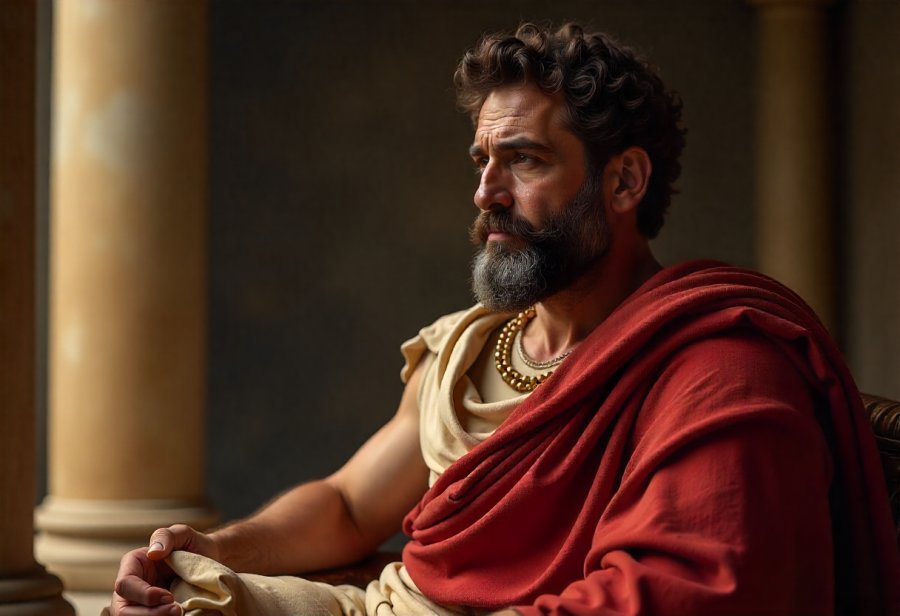
Mastery over oneself is the essence of authentic power. When you can govern your impulses, emotions, and desires, you develop a clarity and steadiness that external achievements alone rarely provide. This inner resilience creates a foundation from which true influence flows, rooted in calm assurance rather than superficial bravado. Leaders like Marcus Aurelius understood that self-control isn’t just a personal virtue—it’s the core of lasting leadership. By cultivating discipline within, they built a stable center that guides decisions and actions, even in turbulent times.
Having command over your inner world also makes you less vulnerable to external chaos. When you remain calm during upheaval, your responses become more deliberate and thoughtful. This quiet confidence is contagious, earning respect not through force but through integrity. Others see that genuine strength isn’t about dominating others but about mastering oneself first, which naturally commands trust and admiration. Inner discipline becomes an invisible armor, protecting your influence from the unpredictable swings of fortune.
Self-mastery extends beyond leadership; it shapes how we handle setbacks and temptations. When mental fortitude is cultivated, obstacles transform from setbacks into opportunities for growth. Resilience isn’t loud or boastful—it’s steady and enduring. It’s what keeps us moving forward when external conditions threaten to derail us. Developing this mastery isn’t about perfection but about consistent effort—daily habits like reflection, mindfulness, and aligning actions with core values reinforce this inner strength.
Wisdom deepens as we nurture inner discipline. When external distractions fade, we gain a clearer view of what truly matters. This clarity guides our choices, helping us act in alignment with our principles rather than fleeting impulses. Leaders who develop this inner strength demonstrate patience and moral clarity—traits that inspire genuine respect. Their influence isn’t superficial but rooted in unwavering virtue, inspiring others to follow their example with trust and loyalty.
Building internal strength is a lifelong journey. Small daily acts—such as mindful breathing, journaling, or reaffirming your values—can significantly reinforce your resilience over time. These habits gradually shape your character, making self-control second nature. As discipline becomes ingrained, it radiates outward, empowering you to lead with authenticity and purpose, regardless of external pressures. This internal mastery becomes your most reliable asset, guiding you through storms with calm and moral integrity.
When adversity strikes, those with well-developed inner discipline respond differently. They pause, reflect, and choose actions aligned with their long-term principles. This internal compass helps them navigate challenges with grace and consistency. Over time, this resilience becomes a source of influence that no external power can easily diminish. It creates a ripple effect—strengthening not only the individual but also inspiring others to cultivate their own inner virtues.
This mastery over oneself transforms the way we lead and live. It shifts the focus from external validation and superficial success to cultivating qualities that endure—patience, humility, and moral clarity. These virtues fortify us against external chaos and enable authentic influence rooted in integrity. Leaders who prioritize inner discipline set a powerful example: true strength isn’t about external conquest, but about the quiet, persistent effort to govern our minds and hearts.
In the end, mastering oneself becomes the most impactful form of power. It is the key to navigating life’s inevitable uncertainties with resilience and grace. Inner discipline isn’t a fleeting trait; it’s a lifelong commitment that shapes character, influences others, and sustains us through any storm. This inner strength—built on self-control, patience, and moral clarity—is the foundation of genuine influence and lasting leadership.
Real-Life Examples of Inner Resilience in Action
Throughout history, many leaders have demonstrated that inner discipline can be the true source of strength. Marcus Aurelius exemplifies this perfectly. Despite facing relentless military threats, political unrest, and personal hardships, he maintained a steadfast commitment to Stoic virtues like self-control and humility. His writings in Meditations reveal a man who prioritized mastering his mind over external triumphs. Even amid chaos, his calm demeanor and clarity inspired loyalty and respect, showing that internal resilience sustains influence far more reliably than external power.
Moving forward, Mahatma Gandhi’s unwavering resolve highlights this principle beautifully. His dedication to nonviolence and truth remained unshaken despite imprisonment, violence, and social opposition. Gandhi’s discipline in practicing civil disobedience and moral conviction mobilized millions and transformed social movements. His ability to stay centered, calm, and morally unwavering under intense pressure made him a symbol of authentic strength rooted deeply in inner virtues.
In recent times, figures like Malala Yousafzai show how inner discipline fuels resilience. After surviving an attack by the Taliban for advocating education, she refused to back down. Her continued advocacy, despite threats and adversity, underscores the power of inner conviction. Malala’s unwavering commitment to her cause demonstrates that moral clarity and inner resolve can inspire trust and admiration across the globe, proving that true strength often resides within.
Nelson Mandela offers another powerful example. During decades of imprisonment, he maintained inner discipline, patience, and moral purpose. Instead of succumbing to bitterness, Mandela used his time in prison to reflect and deepen his resolve. When he emerged, his calm demeanor and unwavering commitment to reconciliation helped heal a fractured nation. His resilience rooted in inner discipline made his influence enduring and authentic, transforming a society’s future through quiet strength.
These stories aren’t just about famous figures; they remind us that internal virtues like self-control, patience, and humility often outweigh external displays of power. Leaders who cultivate inner resilience can withstand setbacks, inspire others, and leave lasting legacies. Their strength isn’t measured by armies or wealth but by their capacity to govern their own minds and hearts, showing that true power begins within.
Their lives teach us that inner discipline isn’t reserved for history’s greats; it’s a practice anyone can develop. Daily habits like reflection, mindfulness, and moral clarity build this resilience over time. By focusing inward, we strengthen our ability to face challenges with calm, purpose, and authenticity—qualities that define genuine strength and leadership. These examples serve as a reminder that internal resilience is the most reliable foundation for lasting influence.
Putting Inner Discipline Into Practice for Lasting Leadership
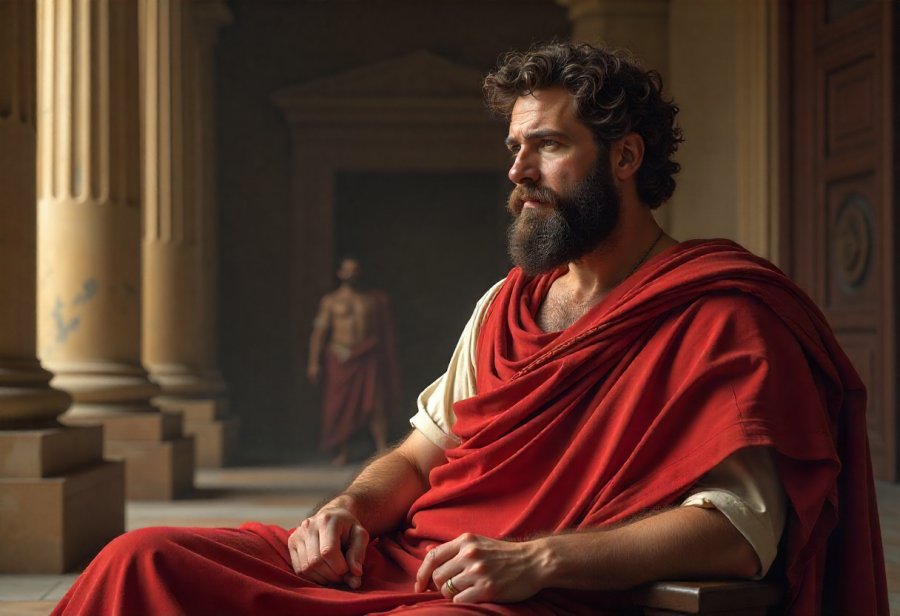
Building inner discipline starts with small, consistent steps. Set aside a few minutes each day for reflection, whether through journaling or quiet contemplation. This habit increases awareness of what triggers emotional reactions or impulsive behaviors, making it easier to respond thoughtfully rather than instinctively. Incorporating simple mindfulness practices like deep breathing or focused attention can further strengthen your mental resilience. The key is regularity—practicing these routines daily transforms them into unshakable habits over time.
Clarifying your intentions for each day helps reinforce your commitment to inner discipline. When you define your goals and values early on, your actions naturally align with your principles, creating a purposeful routine that guides you through distractions and temptations. Patience becomes essential when facing setbacks; instead of viewing obstacles as failures, see them as opportunities to learn and grow. Cultivating a growth mindset helps you stay resilient and committed to your inner development, even when external circumstances are challenging.
Inner discipline isn’t just about resisting temptations or maintaining focus—it’s about creating a steady internal foundation. When you learn to stay calm amid chaos, your decisions are more deliberate, and your presence exudes quiet confidence. This calmness is rooted in consistent habits of self-control and reflection, which gradually become second nature. Over time, these habits shape your character, enabling you to lead with authenticity and purpose regardless of external pressures. Strengthening your inner core makes you less dependent on luck or external validation.
Handling adversity becomes easier when your inner resilience is well developed. When difficulties arise, pause and reconnect with your core values. Reminding yourself of your long-term goals can diminish the immediate pull of impulsive reactions, allowing you to act in line with your principles. Regularly reviewing your progress, whether through journaling or meditation, keeps you aligned and reinforces your mental armor. This ongoing effort builds a resilient mindset that faces challenges with clarity and steadiness, inspiring trust in those around you.
Developing internal strength is a lifelong process. Small daily practices—like mindful breathing, journaling, or reaffirming your core values—accumulate into a powerful foundation of resilience. These habits gradually embed self-control and moral clarity into your character, making them instinctive. As discipline becomes second nature, it radiates outward, empowering you to lead with genuine authority and integrity. This internal mastery becomes your most reliable asset, guiding you through storms with calm and unwavering purpose.
When crises hit, those with well-honed inner discipline respond differently. They pause, reflect, and choose actions rooted in their principles, rather than reacting impulsively. Over time, this consistent inner strength creates a ripple effect—strengthening not only your resolve but also inspiring others to develop their own virtues. This quiet confidence and moral clarity build a foundation of authentic influence, proving that true power lies within. Cultivating inner discipline ensures you remain steady, no matter what external chaos may come.