Nylon, a fabric woven into our everyday lives—from clothing and carpets to outdoor gear—offers unmatched durability and affordability. But beneath its convenience lies a complex story of environmental impact rooted in petrochemical processes that rely heavily on fossil fuels. The production emits pollutants, consumes vast energy, and contributes to climate change, while its non-biodegradable nature causes microplastic pollution that infiltrates ecosystems and the food chain. As demand grows, so does the challenge of managing nylon waste that persists in landfills for centuries, fragmenting into microfibers that threaten marine and terrestrial life. Can industry innovations like recycling and bio-based alternatives stem this tide, or are we locked into a cycle of environmental degradation? Recognizing nylon’s hidden costs pushes us to reconsider our choices—balancing convenience with sustainability—and underscores the urgent need for systemic change in how we produce, consume, and dispose of this ubiquitous material.

Unveiling Nylon: The Everyday Material with Hidden Environmental Costs
Nylon is one of those materials that’s so woven into our daily routines, it’s easy to overlook its origins and the broader impact it carries. From the clothes we wear and the carpets under our feet to the outdoor gear we rely on, nylon’s durability and affordability have made it a go-to choice for countless products. Its versatility allows manufacturers to produce items that are both long-lasting and cost-effective, meeting the demands of a fast-paced, consumer-driven world. But beneath this practicality lies a story that’s far more complex—one intertwined with environmental challenges we often don’t see at first glance.
The journey of nylon begins with chemicals derived from fossil fuels—mainly oil and natural gas. These petrochemicals undergo intricate reactions to form long chains of molecules called polyamides, which give nylon its renowned strength and flexibility. Creating these fibers isn’t a simple process; it requires high heat, pressure, and a significant energy input. The chemical reactions involved release pollutants and waste by-products, raising concerns about air and water quality near manufacturing sites. This energy-intensive process ties nylon directly to the ongoing reliance on finite fossil fuel resources, making it a symbol of modern industrial dependence.
As we look closer, it becomes clear that the environmental footprint of nylon extends beyond its production. The extraction and refining of oil and natural gas consume vast amounts of energy, releasing greenhouse gases that contribute to climate change. The chemicals used in nylon’s creation, such as hexamethylenediamine and adipic acid, are toxic if released untreated, posing risks to nearby ecosystems. Manufacturing facilities often emit volatile organic compounds and nitrogen oxides, which contribute to smog formation and respiratory issues in surrounding communities. These pollution issues highlight the hidden costs embedded in what seems like a simple, everyday material.
Nylon’s durability is both its greatest strength and its biggest environmental challenge. Since nylon fibers don’t break down easily, products made from it—clothing, carpets, fishing gear—can persist in landfills for hundreds of years. Over time, these items fragment into microplastics, tiny fibers that escape during washing or through environmental degradation. These microfibers infiltrate waterways, where marine animals mistake them for food, leading to health problems and disrupting marine ecosystems. Microplastics have even entered our food chain, raising concerns about their impact on human health. The long-lasting nature of nylon means its environmental footprint continues long after the initial product is discarded.
Understanding nylon’s story urges us to reconsider its role in our lives. While its affordability and versatility serve our convenience, they come with environmental costs that are often invisible. Recycling and developing bio-based alternatives offer promising paths forward, but these solutions are still emerging and face hurdles. Recognizing nylon’s environmental toll encourages consumers, industries, and policymakers to push for more sustainable practices—whether through improved waste management, innovation in biodegradable materials, or a shift toward natural fibers. In the end, acknowledging the true cost of nylon is a step toward making more informed choices and fostering a more sustainable future.
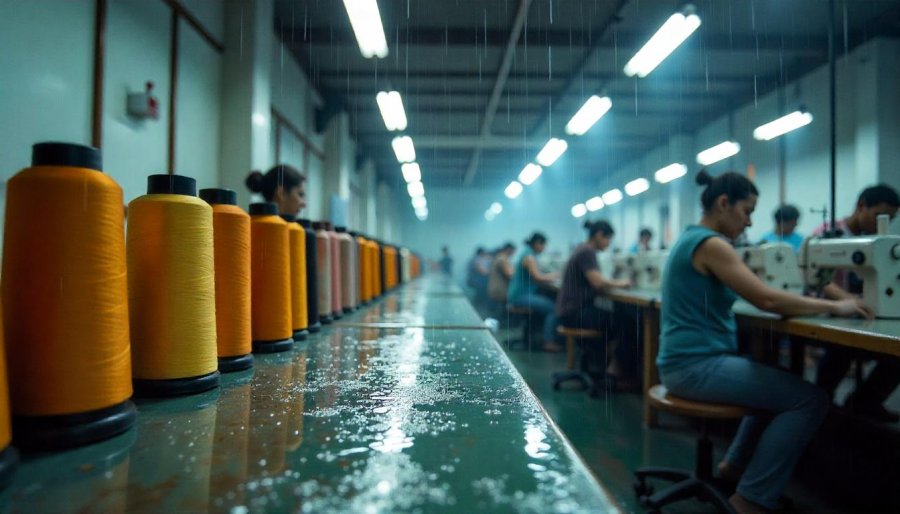
Decoding Nylon: Its Chemical Structure and Production from Fossil Fuels
Nylon is a synthetic fiber that has become a staple in countless products, from clothing and accessories to carpets and industrial materials. Its widespread use stems from its impressive combination of strength, elasticity, and cost-effectiveness, making it an appealing choice for manufacturers seeking durable and affordable options. Beneath this versatility lies a complex chemical structure and an energy-intensive production process rooted in petrochemical sources, which carry significant environmental implications.
At its core, nylon belongs to a class of materials known as polyamides. These are long chains of molecules linked by amide bonds, which confer durability, resilience, and resistance to wear. The most common form, nylon 6,6, is produced through a process called polymerization, involving the chemical reaction of two primary raw materials: hexamethylenediamine and adipic acid. Both chemicals are derived from fossil fuels—mainly oil and natural gas—and require extensive processing before they can be transformed into fibers.
The journey from raw petrochemicals to a finished fiber begins with the refining of crude oil or natural gas into basic hydrocarbons. These hydrocarbons are then further processed into key chemicals such as benzene, hexamethylenediamine, and adipic acid. The production of nylon involves combining these monomers through a condensation polymerization process, where molecules link together, releasing small by-products like water. This process demands high heat and pressure, making it highly energy-dependent and contributing to greenhouse gas emissions.
Producing nylon isn’t just chemically complex—it also involves significant environmental risks. The manufacturing facilities emit volatile organic compounds (VOCs), nitrogen oxides, and other pollutants into the air, which contribute to smog formation and respiratory issues among nearby populations. Wastewater discharged from these plants often contains toxic chemicals like adipic acid and hexamethylenediamine, which, if not properly treated, can contaminate local water bodies and harm marine life. The reliance on fossil fuels for raw materials and energy amplifies these impacts, linking nylon’s creation directly to resource depletion and climate change.
The chemical reactions involved in nylon production are notably energy-intensive, requiring high temperatures and pressures to facilitate polymerization. This energy is predominantly derived from fossil fuels, further fueling carbon emissions and environmental degradation. The dependence on finite resources and the emissions generated at each step make nylon’s production inherently unsustainable, especially as demand continues to grow worldwide. Every phase, from resource extraction to chemical synthesis, adds to its environmental footprint.
Once manufactured, nylon fibers are spun into threads that are resilient and long-lasting, but this durability becomes a double-edged sword. Since nylon does not biodegrade easily, products made from it—clothing, carpets, fishing gear—can persist in landfills for hundreds of years. Over time, these items fragment into microfibers, tiny particles that are shed during washing or environmental breakdown. These microplastics escape into waterways, where they are ingested by marine animals and enter the food chain, posing risks to ecosystems and human health alike.
Addressing nylon’s environmental footprint requires a shift in how we produce and consume this material. Recycling nylon from post-consumer waste, such as old garments and fishing nets, offers a promising way to reduce reliance on virgin petrochemicals. Advances in bio-based nylons made from renewable resources also hold potential, promising lower emissions and easier biodegradability. However, scaling these solutions remains challenging due to technological, economic, and infrastructural hurdles. Recognizing the chemical and environmental realities of nylon underscores the need for innovation and responsible management within the industry.
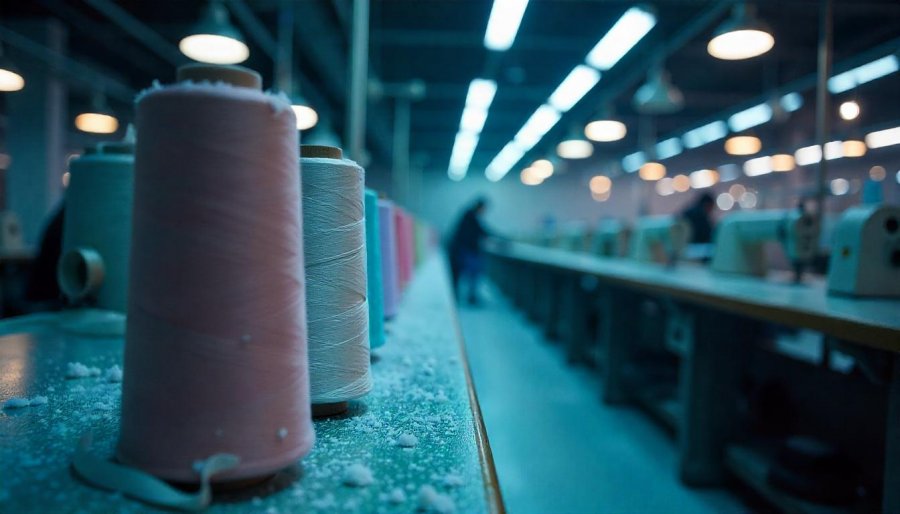
Navigating Current Challenges: The Environmental Impact of Nylon Today
Today, nylon remains one of the most commonly used synthetic fibers, woven into our daily lives more than we often realize. From the clothes we wear and the carpets beneath our feet to the outdoor gear we rely on, its durability, versatility, and low cost have made it a staple for manufacturers and consumers alike. But behind this widespread presence lies a host of environmental challenges that are increasingly impossible to ignore. As demand for nylon continues to grow, so does its ecological footprint, prompting urgent questions about sustainability and the long-term health of our planet.
The environmental impacts of nylon production are significant. Factories release volatile organic compounds, nitrogen oxides, and other pollutants that contribute to smog formation and respiratory issues in nearby communities. The chemicals involved in manufacturing—like adipic acid and hexamethylenediamine—are toxic if released untreated, risking contamination of local water sources and harming aquatic ecosystems. These pollution issues highlight the hidden costs embedded in what many see as a simple, affordable material, revealing the true price of convenience.
One of the most visible consequences of nylon’s popularity is microplastic pollution. Every wash releases tiny fibers—microfibers—that bypass wastewater treatment and end up in oceans, lakes, and rivers. Marine life ingests these particles, mistaking them for food, which can cause health problems and disrupt entire food webs. Microplastics are also entering the human diet through seafood, raising concerns about long-term health impacts. On land, nylon fibers settle into soils, affecting terrestrial ecosystems and potentially interfering with plant growth and animal health. This pervasive pollution demonstrates how nylon’s durability becomes a liability once products are discarded.
Since nylon doesn’t break down easily, it accumulates in landfills for hundreds of years, slowly fragmenting into microplastics that leach chemicals into soil and groundwater. This persistent waste contributes to the global plastic crisis, making waste management increasingly complex. Discarded nylon items—clothing, fishing nets, industrial materials—pile up, creating environmental burdens that are difficult to mitigate. Their long lifespan means the environmental damage continues long after their initial use, a stark reminder of the hidden costs of synthetic fibers.
Addressing these challenges is crucial, but solutions are still emerging and face notable hurdles. Recycling programs that repurpose nylon from post-consumer waste—such as old garments and fishing gear—offer a promising route to reduce reliance on virgin materials. Meanwhile, research into bio-based nylons, made from renewable resources, shows potential for lower emissions and easier biodegradability. However, scaling these innovations requires infrastructure, investment, and consumer acceptance, which are not yet universally in place. Without broader adoption, these alternatives remain niche solutions rather than industry standards.
Regulatory efforts are gradually tightening around emissions, waste management, and chemical use, but enforcement varies widely across regions. Many countries lack the infrastructure or political will to fully implement stricter standards, leaving gaps that allow pollution to persist. Industry players are under increasing pressure to adopt more sustainable practices, but economic considerations often slow change. As a result, the environmental challenges associated with nylon are not just technical issues—they are deeply intertwined with economic and policy factors that shape the industry’s future.
Ultimately, tackling nylon’s environmental impact demands a coordinated approach that involves industries, governments, and consumers alike. Innovation in sustainable materials and recycling must be paired with stricter regulations and increased consumer awareness. Transitioning toward natural fibers and biodegradable options can help lessen the burden, but systemic change is essential to make a real difference. Recognizing the full scope of nylon’s footprint pushes us to rethink how we produce, consume, and dispose of one of the most ubiquitous materials of our time.