What if the greatest obstacle to learning to swim at any age is simply mustering the courage to take that first step? This inspiring guide reveals that water confidence isn’t reserved for children or natural swimmers; it’s accessible to everyone, regardless of age or past fears. Through gentle, gradual exposure and practical techniques—like breathing exercises, supportive tools, and celebrating small victories—you can transform water from a source of anxiety into a space of freedom and joy. The journey emphasizes patience, resilience, and the power of persistent effort, illustrating how overcoming water-related fears can boost overall confidence, safety, and independence. Whether preparing for a relaxing swim, a family adventure, or overcoming lifelong fears, this approach encourages embracing progress over perfection. Are you ready to rewrite your water story and discover the lifelong benefits of swimming? Each small step leads closer to a world where water is no longer an obstacle but a gateway to new experiences.
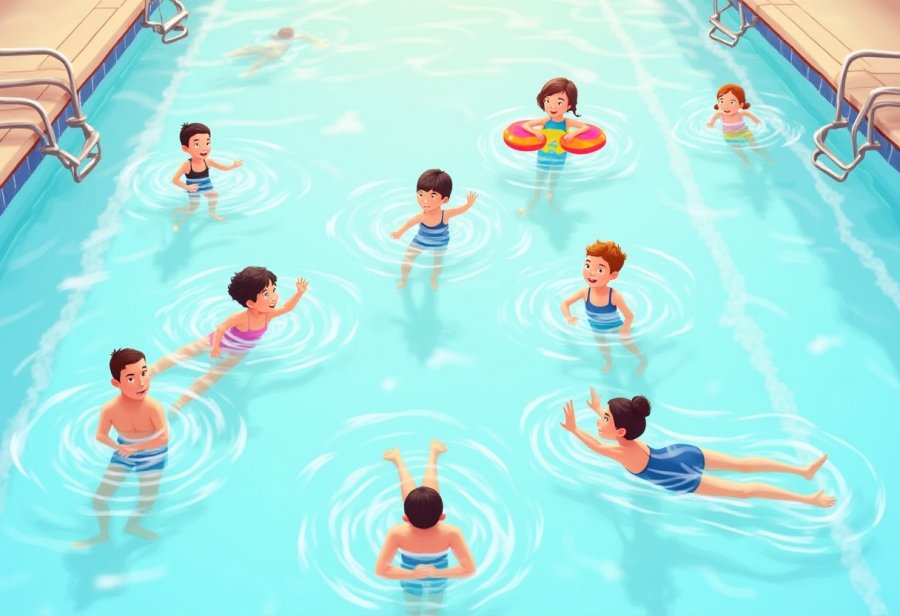
Transform Your Life at Any Age: Overcoming Water Fears and Embracing Confidence
Learning to swim isn’t just about mastering strokes or floating; it’s a journey that can change how you see water—and yourself—at any age. Many people assume that swimming is a skill only kids pick up easily or that it’s reserved for those with a natural affinity for water. But the truth is, it’s never too late to start, and the benefits go far beyond just staying afloat. Whether you’re facing a lifelong fear or simply want to feel more comfortable around water, taking that first step can be truly transformative.
For many adults, water has been a source of anxiety or negative memories. That’s completely normal. These fears often come from childhood experiences, safety concerns, or the feeling of losing control in unfamiliar environments. But these feelings don’t have to define your relationship with water forever. With patience, gentle guidance, and small, consistent efforts, you can gradually build trust and confidence. It’s not about rushing to perfect strokes but about developing a sense of safety and familiarity in the water.
The process often begins with simple exposure—sitting on the pool’s edge, splashing water on your hands, or walking in shallow water. These small actions help you reconnect with water’s sensations without feeling overwhelmed. As comfort grows, practicing breathing exercises and relaxation techniques can help calm nerves and foster a sense of control. Each small success, like floating on your back or taking a few confident strokes, creates momentum, making the next step feel more achievable.
Changing your mindset is key. Instead of viewing water as an obstacle, see it as a space for growth and new experiences. Overcoming fears unlocks opportunities—whether it’s enjoying a beach vacation, joining a water aerobics class, or simply feeling more secure during pool outings. The confidence gained in the water can ripple into other areas of life, boosting your overall resilience and sense of independence.
Learning to swim later in life is about more than just physical skills. It’s about reclaiming a sense of safety, expanding your comfort zone, and opening the door to new adventures. Every small step forward rewires your perception of water—from a source of fear to a space of freedom. With patience and persistence, you can turn water from an obstacle into a lifelong source of confidence and joy.
Start Small, Build Trust: Foundations for Water Confidence
Building water confidence begins with gentle, consistent exposure to the aquatic environment. Starting small—sitting on the pool’s edge, splashing water on your hands, or walking in shallow water—helps reconnect you with water’s sensations without overwhelming your senses. These simple actions foster a sense of familiarity and safety, laying a solid foundation for further progress. The key is to approach water as a friendly space, not an intimidating obstacle.
As comfort increases, incorporating breathing exercises and relaxation techniques can significantly reduce nerves. Focusing on slow, controlled breaths while in the water helps calm the mind and body, making each experience more manageable. When you stay relaxed, your natural responses take over, and fears diminish. Repeating these calming routines regularly builds a sense of control, gradually transforming water from a source of anxiety into a safe environment for exploration.
Mastering fundamental skills like floating, gentle water entry, and breath control further enhances your confidence. Learning to float on your back or breathe calmly through your nose provides reassurance that your body can stay afloat in various situations. Support tools like kickboards or pool noodles can ease initial fears, offering stability and allowing you to practice proper technique without added stress. These tools act as confidence boosters, helping you focus on what your body can do, rather than what it fears.
Celebrating small successes is essential. Each time you float steadily or take a few confident strokes, you reinforce a positive experience that encourages continued effort. Progress might be slow at times, but every milestone—no matter how minor—builds trust in your abilities. A supportive environment, whether from instructors or friends, helps maintain motivation and makes the learning process enjoyable rather than daunting.
Patience remains central to developing water trust. Fears often stem from negative past experiences or feelings of losing control, but gradual exposure coupled with positive reinforcement helps reframe those perceptions. Pacing your practice sessions prevents fatigue and burnout, keeping your motivation high. Recognizing that setbacks are part of growth helps you stay resilient and committed to the journey.
Over time, these small, consistent steps transform water from a source of fear into a space of safety and enjoyment. Each relaxed breath, each successful float, and each new skill learned rewires your relationship with water, making confidence feel natural. With patience and persistence, building water trust becomes not just about learning to swim but about opening yourself up to a lifelong connection with water—one that’s rooted in safety, comfort, and joy.
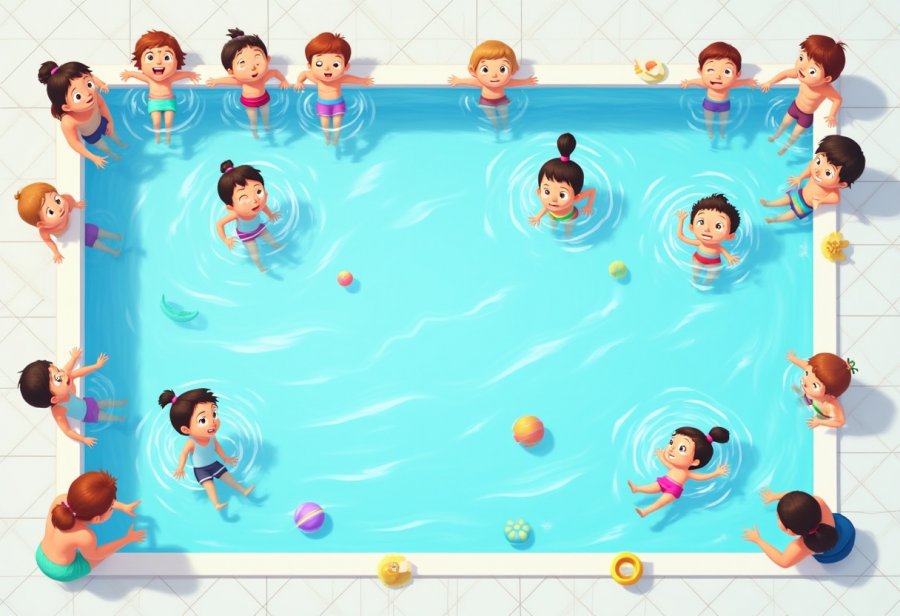
Strategies that Make Learning to Swim Effective and Enjoyable
Effective learning to swim combines structured practice with practical strategies that help beginners build skills confidently and safely. Starting small is essential—trying to master multiple techniques at once can quickly become overwhelming. Breaking down strokes and basic movements into manageable steps makes progress feel more achievable and prevents frustration. Using visual aids like instructional videos or live demonstrations can clarify proper techniques, providing clear models to imitate.
Patience plays a crucial role. Focus on small victories—such as floating steadily, breathing calmly, or taking a few confident strokes—and celebrate each one. These moments of success reinforce your progress and motivate continued effort. Supportive tools like kickboards or pool noodles can offer stability and reassurance, allowing you to practice techniques without feeling nervous. These aids help you focus on the correct movements, building muscle memory and confidence gradually.
Positive reinforcement is a powerful motivator. Encouragement from instructors, friends, or family creates a safe space to learn from mistakes without fear of judgment. Recognizing that setbacks are part of the process helps maintain a growth mindset, turning challenges into opportunities for learning. A relaxed, judgment-free environment allows you to focus on your development, making the journey more enjoyable and less intimidating.
Addressing fears or fatigue is vital for maintaining momentum. If anxiety or exhaustion sets in, take a step back and breathe deeply. Pacing your practice sessions prevents burnout and helps you stay motivated over the long term. Remember, progress isn’t linear; patience and persistence are key. Each small effort adds up, gradually reshaping your relationship with water from one of fear to one of familiarity and trust.
Supportive environments accelerate learning. Visual demonstrations, appropriate equipment, and clear instructions help you understand movements while fostering trust. When you feel safe and supported, pushing beyond your comfort zone becomes less daunting, and your confidence grows naturally. Guidance from experienced instructors or understanding peers can make a significant difference in how quickly you develop new skills.
Incorporating mental strategies such as deep breathing and visualization can complement physical practice. These techniques calm nerves and help reframe negative perceptions of water. Starting with simple actions—like sitting by the pool or splashing water—builds familiarity and reduces anxiety step by step. Over time, these small, consistent efforts build resilience and deepen trust in your abilities.
Adopting a gradual, patient approach to learning ensures steady progress. Breaking skills into small parts, practicing regularly, and celebrating every milestone foster resilience and confidence. Remember, it’s not about perfection but persistence. Each small step forward transforms water from a source of fear into a space of growth and enjoyment, making lifelong swimming accessible to everyone willing to take it one step at a time.
From Water Safety to Adventure: How Swimming Enriches Your Life
Learning to swim isn’t just about mastering strokes or floating—it’s about gaining skills that have real, tangible benefits in daily life. When you develop water confidence, handling yourself in water situations becomes safer and more relaxed, turning potential anxiety into enjoyment. Whether it’s a pool, lake, or beach, knowing you can move confidently in water opens up a world of opportunities for fun and adventure.
Beyond safety, swimming provides a full-body workout that’s easy on joints but effective in building strength and endurance. As you notice improvements—like swimming longer distances or feeling more comfortable in deeper water—you’ll naturally want to practice more. This progress reinforces your confidence and makes water-based activities feel less intimidating, encouraging ongoing engagement.
The mental benefits are just as powerful. Each milestone, whether it’s floating effortlessly or swimming your first laps, boosts your sense of achievement. That sense of success fuels your motivation to keep practicing, transforming water from a place of fear into a space of calm and accomplishment. Over time, swimming becomes a source of stress relief and mental clarity, further reinforcing your commitment.
Social connections also play a key role. Joining a class or swimming group creates a community of support and encouragement. Sharing your progress with others who understand your journey makes the experience more enjoyable and helps you stay committed, especially on tougher days. These connections turn water activities into regular, rewarding routines rather than isolated efforts.
Having water skills boosts independence in many situations. Whether it’s navigating a swim in a natural setting or feeling prepared in an emergency, confidence in the water fosters a sense of self-reliance. For older adults or those with fears, this independence can be especially empowering, opening doors to new experiences and social outings that once felt out of reach.
Accessible community programs and beginner-friendly pools make learning manageable and affordable. These environments emphasize safety and fun over competition, which helps you stay motivated. Knowing you’re part of a supportive space encourages consistent practice and gradual mastery, anchoring your water confidence journey.
As your skills grow, so does your desire to explore and enjoy water activities. Every stroke mastered or fear overcome adds to your sense of capability. This ongoing progress turns swimming from a challenge into a lifelong source of health, happiness, and adventure, enriching your life far beyond the pool.
Keep in mind that setbacks are normal. Each difficulty is an opportunity to learn and grow stronger. Celebrate your small wins, stay patient, and remember that persistence pays off. With each step forward, water transforms from a place of anxiety into a realm of freedom and self-discovery—an ongoing journey worth embracing.
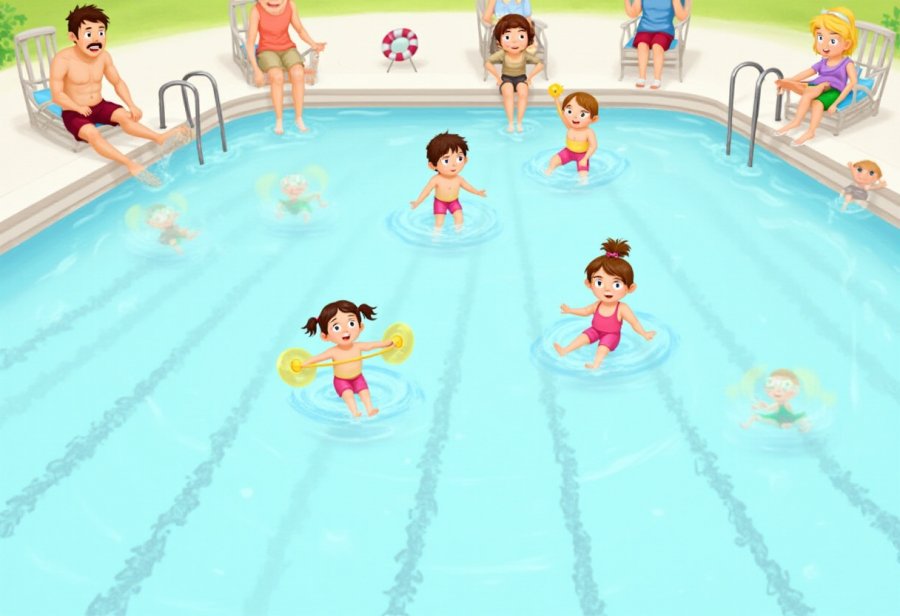
Embrace Your Water Journey: Inspiration to Keep Moving Forward
Starting your water confidence journey might feel challenging at first, but it’s a powerful step toward a safer, healthier, and more fulfilling life. Every small effort—whether it’s wading into shallow water, practicing breathing techniques, or floating—builds a foundation that lasts. Remember, progress isn’t about perfection; it’s about showing up consistently and celebrating each victory, no matter how minor. Over time, these moments add up, transforming your relationship with water from one of fear into one of joy and freedom.
Many people believe that water skills are only for the young or the naturally brave, but that’s simply not true. Confidence in the water can be developed at any age, and the rewards extend far beyond just knowing how to swim. It’s about reclaiming independence, feeling more secure in water-related situations, and opening yourself to new adventures. Each step forward rewires your perception, turning water from a threat into a space of growth and possibility.
Fears and setbacks are normal parts of this process. Some days will feel slower, or doubts may creep in. That’s okay. What matters most is persistence and patience. Every challenge you overcome and every new stroke you learn is a testament to your resilience. Swimming isn’t just about physical ability; it’s about trusting yourself enough to keep going, even when it’s tough. Each small victory strengthens your confidence and keeps you moving forward.
Support from others can make a real difference. Whether it’s a kind instructor, a patient friend, or your own inner encouragement, having positive reinforcement helps you stay motivated. Celebrate even the tiniest wins and remind yourself of how far you’ve come. Many who once hesitated now enjoy water confidently—proof that this journey is possible for everyone willing to take it one step at a time.
As you continue to build your water confidence, remember that the benefits go beyond the pool. You’re gaining safety, improving your health, and enriching your mental well-being. Water becomes a place of relaxation, adventure, and self-discovery. Keep moving forward with patience and resolve—each step brings you closer to a lifelong relationship with water that’s safe, joyful, and empowering. The journey may have started with a single brave step, but it leads to a world of new possibilities.