Category: Photography

Techniques, gear reviews, and visual storytelling.

  • Transform Your Garage Into a Passionate Workshop Sanctuary

    Transform Your Garage Into a Passionate Workshop Sanctuary

    Step into the heart of the backyard mechanic’s sanctuary, where passion, patience, and craftsmanship ignite in every turn of the wrench. This space isn’t just a garage—it’s a personal haven where old machines are reborn and skills are honed through meticulous organization, thoughtful design, and personal touches. But what secrets lie behind this ritual of restoration? Beyond the oil-stained concrete and cluttered workbenches, there’s a deeper story of dedication, community, and the timeless pursuit of mastery. Today’s garages symbolize more than nostalgia; they embody authenticity in an era of rapid speed and convenience. As you explore this world, you’ll discover that transforming a simple space into a sanctuary of revival is an ongoing journey—filled with milestones, setbacks, and invaluable lessons. Are you ready to unlock the full potential of your own garage and uncover the secrets hidden within its walls?
    Transform Your Garage Into a Sanctuary of Passion and Craftsmanship

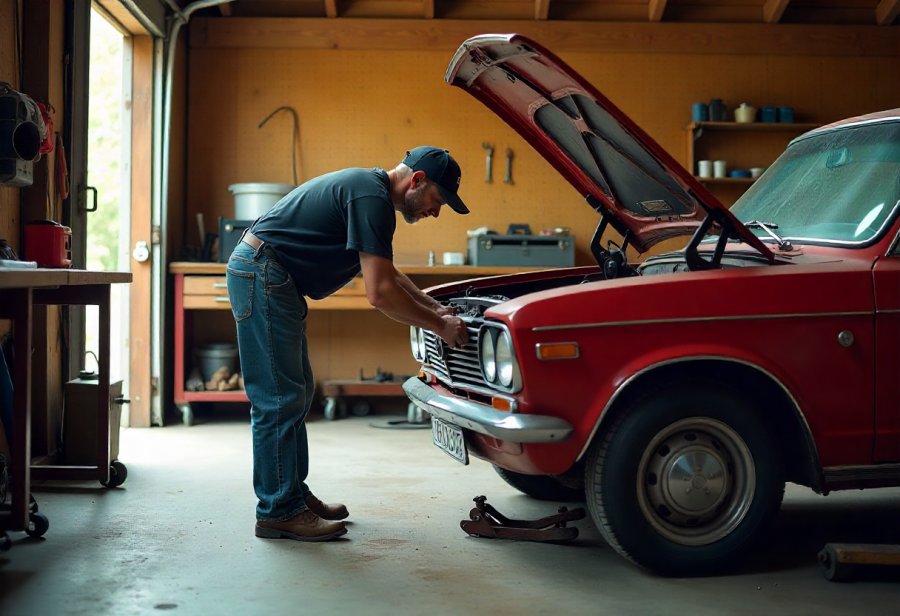
    A backyard mechanic’s garage is more than just a place to store tools or park a car; it’s a personal sanctuary where passion for craftsmanship comes alive. It’s a space that evolves from a simple shed into a haven of creativity, patience, and skill. The scent of oil, metal, and old rubber mingles with the quiet satisfaction of turning a wrench or rebuilding an engine—each task telling a story of dedication and love for machines.

    This transformation begins with thoughtful design and organization. A well-arranged garage isn’t just about cleanliness—it’s about creating an environment that sparks inspiration and supports efficient work. When tools are within easy reach, workbenches are sturdy and well-placed, and designated zones are clear, tackling vintage restorations or engine rebuilds becomes a more enjoyable process. It’s about making the space work for you, not against you.

    The structure of the garage plays a vital role in fostering this sense of sanctuary. Durable workbenches, wall-mounted tool racks, and organized shelving turn chaos into order. Good lighting—whether natural sunlight or bright LED fixtures—illuminates detailed work, reducing mistakes and enhancing focus. A sturdy floor, level and slip-resistant, keeps fatigue at bay and ensures safety during long hours of craftsmanship. Every element, from tool placement to ventilation, contributes to a space that encourages patience and mastery.

    Over time, many garages develop their own character, reflecting their owner’s personality and passions. Personal touches like vintage signs, display shelves with prized parts, or mementos from past projects add inspiration and pride. Achieving milestones—restoring a vintage engine or rebuilding a classic car—often prompts upgrades, making the space even more functional and inspiring. These changes turn the garage into a living, breathing sanctuary of passion, where every project builds confidence and skill.

    This space isn’t just about fixing cars; it’s about creating a personal retreat where craftsmanship and patience reign. It’s a quiet place to unwind, learn, and express a love for machines. When organized with care, protected by safety measures, and filled with personal touches, the garage becomes a true sanctuary—one that nurtures every mechanic’s desire to turn rust into revival and dreams into reality.

    Building the Core: How Structure and Organization Shape Your Personal Workshop

    The garage’s transformation from a simple storage space into a personal sanctuary begins with thoughtful design and organization. It’s where a passion for mechanics is reflected in every detail—from sturdy workbenches to carefully arranged tool storage. Over time, owners realize that a well-organized space isn’t just about tidiness; it’s about creating an environment that sparks creativity and supports efficient workflow. When tools are within arm’s reach and work zones are clearly defined, tackling vintage restorations or engine rebuilds becomes more enjoyable and less frustrating.

    The structure of the garage plays a crucial role in shaping this sense of sanctuary. Many enthusiasts invest in durable workbenches built to withstand years of heavy use, positioning them for maximum accessibility. Wall-mounted pegboards and tool racks keep everything visible and within easy reach, reducing clutter and saving valuable time. Shelves and storage bins separate different parts, fluids, and specialized equipment, turning chaos into order. These elements work together to create a workspace that feels more like a dedicated workshop than a cluttered shed, encouraging focus and craftsmanship.

    Beyond organization, the garage’s structural elements support safety and comfort. Good lighting—whether through natural sunlight or bright LED fixtures—illuminates work areas, making detailed tasks easier and reducing mistakes. Proper ventilation, often achieved through exhaust fans or open doors, helps manage fumes and keeps the space fresh during long sessions. A sturdy, level floor minimizes fatigue and prevents accidents, reinforcing safety while allowing for hours of focused work. Every detail, from the placement of tools to the surfaces’ quality, contributes to an inspiring environment where skills can grow and projects can flourish.

    Many garages evolve from cluttered storage spaces into carefully curated environments that reflect their owners’ personalities and passions. Personal touches like vintage signs, display shelves with prized parts, or mementos from past projects add character and motivation. Achieving milestones—such as restoring a vintage engine or rebuilding a classic car—often prompts upgrades, making the space even more functional and inspiring. These changes reinforce the idea that the garage is a living, breathing sanctuary—one that grows and adapts with each new project and skill learned.

    This evolution isn’t just about aesthetics; it’s about practicality. Proper storage prevents tools from getting lost, while good lighting and ventilation ensure detailed work can be done safely and comfortably. Safety gear like gloves and masks become routine, transforming the garage from a potential hazard zone into a reliable workshop. Every element, from layout to tools, supports the mechanic’s passion and craftsmanship, laying a solid foundation for future projects. It’s a space designed for patience, mastery, and love for machines.

    In essence, the structure and organization of the garage elevate it from a mere shed to a true sanctuary. It’s a place where old machines are reborn, new techniques are mastered, and memories are made. When thoughtfully arranged and maintained, the garage becomes more than just a workspace—it becomes a personal retreat that nurtures patience and skill. This environment fuels ongoing growth, inspiring every turn of the wrench and every revival of a vintage machine.

    Ultimately, the garage’s true strength lies in its ability to adapt and reflect its owner’s evolving passions. With each upgrade, each project completed, the space becomes more than a collection of tools—it becomes a testament to dedication, craftsmanship, and the love of restoring what once was lost. When organized with care and filled with personal touches, it transforms into a sanctuary where rust turns to revival and dreams become reality. This is the heart of the home mechanic’s space—a place where passion is built, nurtured, and celebrated daily.
    Modern Perspectives: The Cultural Significance of Your Garage Sanctuary

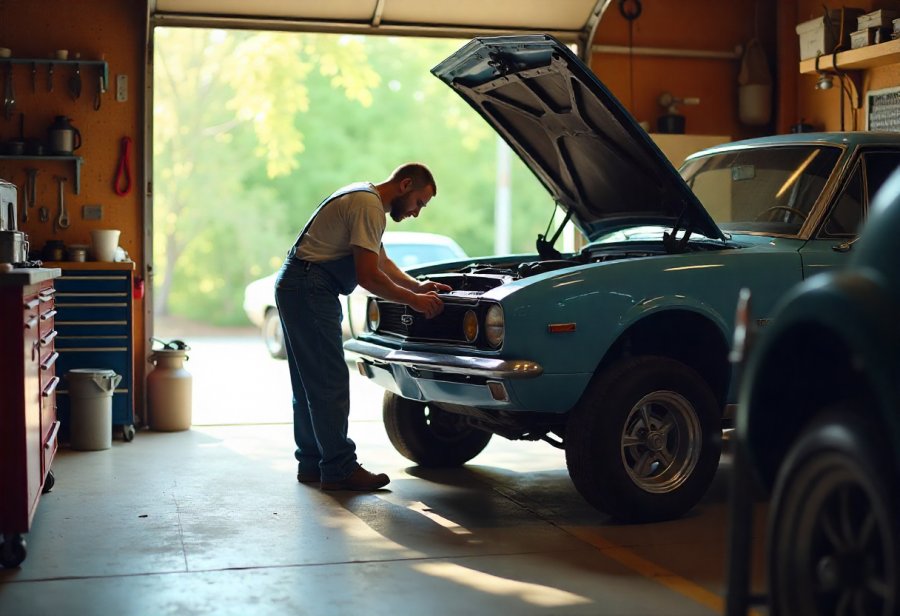
    Today, the backyard mechanic’s garage stands as much more than a simple workspace; it’s a potent symbol of authenticity and craftsmanship in an era increasingly driven by speed and convenience. While some view these spaces as nostalgic relics, many enthusiasts and industry insiders see them as vital hubs for preserving automotive history and celebrating the DIY spirit. These garages embody patience, attention to detail, and personal mastery, standing in contrast to the efficiency-focused, commercial repair shops of today.

    Media portrayals have played a significant role in shaping how we perceive these garages. TV shows, social media channels, and restoration documentaries often spotlight dramatic before-and-after transformations, turning humble workshops into stages for storytelling and skill showcase. These narratives inspire viewers to see their own spaces as places of potential and craftsmanship, even if the glamour of the final product sometimes overshadows the long hours and setbacks behind the scenes. The focus on quick results can sometimes mask the true dedication involved in authentic restoration work.

    Within car culture, backyard garages are revered as environments where genuine craftsmanship thrives. They’re viewed as spaces where mechanics have the patience to do things right—restoring vintage vehicles as an art form and valuing precision over speed. Enthusiasts appreciate the meticulous organization, the artistry involved, and the pride that comes from reviving old machines. These garages foster not just technical skills but also a deeper connection to automotive history and community, reinforcing their cultural significance.

    The rise of social media and digital platforms has sparked both admiration and debate. While many celebrate the visibility these platforms provide, critics worry that flashy builds and viral videos might distort the core values of craftsmanship. There’s concern that aesthetics or quick results could overshadow patience and skill. Still, many see these platforms as opportunities to share knowledge, inspire newcomers, and uphold the integrity of true restoration—ensuring that the spirit of the backyard mechanic remains alive amidst modern influences.

    Across regions and cultures, garage spaces reflect local traditions and passions. In America, the DIY ethos is rooted in muscle cars and vintage restorations, emphasizing resourcefulness and hands-on learning. European garages often focus on precision and craftsmanship, especially within classic car circles. Meanwhile, Japanese tuning and customization highlight innovation and aesthetic flair. Despite these differences, the core idea remains: the garage is a personal sanctuary where passion, patience, and craftsmanship are celebrated and preserved, making it a timeless symbol of automotive culture.

    Hands-On Success: Practical Steps to Elevate Your Garage Into a Masterpiece

    Getting started with transforming your garage into a true sanctuary of craftsmanship can seem daunting, but breaking it into manageable steps makes the process easier. Begin by decluttering—clear out unnecessary items, old parts, and tools that no longer serve a purpose. Creating open space not only makes the area more inviting but also provides room for your projects to thrive.

    Next, focus on organizing your tools. Invest in simple storage solutions like pegboards, shelves, or tool chests. Arranging your tools by function or size makes them easier to find and access, turning chaos into order. When everything has its designated spot, your workflow improves, and tackling vintage restorations or engine rebuilds becomes much smoother.

    Building a sturdy workbench is essential. It doesn’t have to be elaborate—just a reliable surface that can withstand heavy use. Position it where you get good lighting, whether natural or artificial, to make detailed work safer and more precise. As your projects grow more ambitious, consider adding specialized equipment such as grinders, welders, or parts washers. Focus on creating a solid foundation that you can expand upon over time.

    Inspiration often comes from online forums, restoration videos, or local meetups. Spend time exploring these resources to pick up new techniques or ideas for your garage. Don’t hesitate to ask questions or seek advice—most enthusiasts are eager to share what they’ve learned. Remember, patience is key. Setbacks like stuck bolts or parts that don’t fit right are part of the process and offer valuable learning opportunities.

    Document your progress through photos, journals, or videos. Tracking your journey helps you see how your skills and space evolve, and projects like restoring a vintage motorcycle or classic car turn a basic garage into a workshop of mastery. Sharing your progress with others, either online or locally, can motivate you and foster a sense of community.

    Finally, develop routines for regular cleaning and reorganization. Keep tools in their designated spots, review your storage setup periodically, and discard unused items. Good lighting and proper ventilation are just as important—they improve safety, reduce fatigue, and make long sessions more comfortable. Creating a resource library with manuals, parts catalogs, and tutorials saves time and helps troubleshoot issues efficiently. With consistent effort, your garage becomes a true hub of learning, creativity, and passion—a sanctuary where rust turns into revival and dreams into reality.

    Final Reflections and Future Journeys: Keep the Passion Alive in Your Mechanical Retreat

    Every time you step into your garage, you’re entering a space filled with endless potential for growth and discovery. Turning a simple shed into a sanctuary of craftsmanship isn’t a one-time achievement; it’s an ongoing journey. With each project, whether it’s reviving a vintage engine or organizing your tools more efficiently, you’re building skills and creating memories that deepen your connection to your space and passion.

    The secrets of your garage reveal themselves gradually, often through small victories—completing a restoration, mastering a new technique, or simply finding a better way to organize. These moments fuel your enthusiasm and remind you that patience and persistence pay off. Your garage becomes more than just a workspace; it transforms into a personal laboratory where dedication turns rust into revival and dreams into tangible results.

    As your skills grow, so does your environment. Setting new goals, trying out innovative methods, or upgrading your tools keeps the process fresh and exciting. Every challenge, from stubborn bolts to tricky wiring, is an opportunity to learn and improve. Sharing your progress with friends, fellow enthusiasts, or online communities can boost motivation and inspire new ideas, making the journey communal and enriching.

    Remember, the value of your garage isn’t just in the projects you complete but in the stories, lessons, and skills you collect along the way. It’s a place where patience and craftsmanship intertwine, creating a sanctuary that reflects your love for machines and your dedication to mastering them. The more you nurture it, the more it becomes an extension of yourself—a space that evolves alongside your passions.

    Keep nurturing your curiosity and pushing your boundaries. Every new project or upgrade fuels your passion and keeps your garage vibrant. Over time, this space will continue to adapt, welcoming new tools, ideas, and challenges that inspire ongoing learning and mastery. It’s a reflection of your commitment—the heart of your passion for vintage revival and mechanical artistry.

    In the end, the true treasure isn’t just in the restored machines or the organized shelves, but in the journey itself—the patience, effort, and joy of creating something lasting. Your garage is more than a workspace; it’s a testament to your love for craftsmanship and your desire to keep the spirit of restoration alive. Stay curious, keep exploring, and let your passion continue to turn rust into revival, one project at a time.

  • Discover How Sock Materials Impact Comfort and Performance

    Choosing the perfect sock material can dramatically enhance your comfort and performance, but do you truly understand how different fabrics work? Wool, especially Merino, offers natural temperature regulation, moisture-wicking, and odor resistance, making it ideal for outdoor adventures and long wear. Cotton provides softness and breathability but falls short in managing moisture during active use, risking discomfort and blisters. Synthetic fibers like polyester and nylon dry quickly, support snug fits, and excel in high-intensity activities. The key lies in matching your sock choice to your activity, climate, and personal comfort—yet many overlook these core differences. Advances in textile technology now blend these materials, creating versatile socks that adapt to demanding conditions and future innovations like eco-friendly fibers and smart textiles promise even greater performance and sustainability. Are your current socks supporting your feet’s health and your active lifestyle as effectively as they could be? Understanding these nuances empowers you to make smarter choices for healthier, happier feet.

    Discover the Impact of Sock Materials on Your Comfort and Performance

    Choosing the right sock material might seem like a small detail, but it has a bigger impact on your comfort and performance than many realize. The fabric you pick influences how well your feet stay dry, warm, or cool, depending on the conditions. Whether you’re out for a brisk walk, a long run, or just daily errands, understanding the basics of sock materials helps you make smarter choices that support your activity and environment.

    Wool, particularly Merino wool, is a standout for its natural ability to regulate temperature, wick moisture away from the skin, and resist odors. It keeps feet warm in cold weather and cool when it’s hot, making it incredibly versatile. Its cushioning also adds a layer of comfort, which is why athletes and outdoor enthusiasts often prefer wool for extended wear. However, wool socks tend to be thicker and more expensive, which might not suit every shoe or climate.

    Cotton socks are popular for their softness and breathability, making them a go-to for casual use. But cotton absorbs moisture rather than wicking it away, leading to dampness and discomfort during physical activity. They’re best suited for low-intensity, dry environments or indoor wear, where moisture isn’t a concern. Wearing cotton for vigorous activities can increase the risk of blisters and chafing, especially over longer periods.

    Synthetic fibers like polyester, nylon, and spandex are designed with performance in mind. They dry quickly, manage sweat effectively, and provide a snug fit that minimizes slipping inside your shoes. These qualities make synthetics ideal for running, cycling, and other high-energy activities where staying dry and blister-free is essential. Many synthetic socks also feature antimicrobial treatments to help control odor during long wear.

    Understanding these core differences helps you match your sock choice to your needs. For cold weather, wool or insulated synthetics offer warmth without sacrificing moisture control. For hot days or intense workouts, lightweight synthetics or moisture-wicking blends keep your feet dry and comfortable. Picking the right material based on your activity ensures your feet stay supported and healthy.

    Natural fibers like wool and cotton have a long history of use, but today’s synthetic and blended options often outperform them in demanding conditions. Advances in textile technology have led to blends that combine the best qualities—like insulation, moisture-wicking, and durability—into one sock. This evolution reflects a clear trend toward high-performance, versatile socks that adapt to various environments.

    Making the right choice starts with understanding your activity and environment. The fabric you select can prevent issues like blisters, overheating, or cold feet. It’s a simple step that supports foot health over time, enhancing comfort whether you’re tackling a trail, heading to the gym, or just commuting. With a bit of knowledge, picking the perfect sock material becomes a straightforward decision that makes a real difference.

    Uncover the Essentials: The Core Differences in Sock Fabrics

    Understanding sock materials is key to making informed choices that support your comfort and activity level. The three main types—wool, cotton, and synthetics—each offer distinct benefits and drawbacks suited to different needs.

    Wool, especially Merino wool, is highly valued for its natural ability to regulate temperature, wick moisture away from the skin, and resist odors. It keeps feet warm in cold weather and cool when it’s hot, making it a versatile option for outdoor adventures and daily wear alike. Wool’s cushioning also provides extra comfort, which is why many athletes and outdoor enthusiasts prefer it for long days on their feet.

    Cotton socks are popular for their softness and breathability, making them a go-to choice for casual, everyday use. However, cotton’s tendency to absorb moisture rather than wick it away can lead to dampness and discomfort during physical activity. This makes cotton less suitable for high-intensity workouts or extended outdoor pursuits, where staying dry is crucial to preventing blisters and chafing.

    Synthetic fibers like polyester, nylon, and spandex are designed for performance. They dry quickly, manage sweat efficiently, and fit snugly inside shoes, reducing friction and blister risk. These qualities make synthetic socks ideal for running, cycling, and other high-energy activities. Many modern synthetic options also feature antimicrobial treatments, helping to control odor during long wear sessions.

    Blending these materials has become common, creating socks that combine the best qualities of each. Wool-synthetic blends, for instance, offer insulation plus moisture-wicking capabilities, making them suitable for a variety of conditions. Advances in textile technology have improved durability, breathability, and comfort, ensuring socks can perform well in demanding environments.

    Knowing these core differences helps you choose socks tailored to your activity and climate. Wool works well for cold or damp conditions, while lightweight synthetics excel in hot weather or intense workouts. Matching the right material to your needs ensures your feet stay dry, comfortable, and healthy through every step.

    Master the Principles of Sock Selection for Maximum Comfort

    Choosing the right sock material means understanding how different fabrics manage moisture, temperature, and fit. These core concepts directly influence how comfortable and supportive your socks feel during various activities. Moisture management is crucial; fabrics like wool and synthetics are designed to pull sweat away from your skin and move it to the outer surface, where it can evaporate. This keeps your feet dry and reduces the risk of blisters and chafing, especially during long walks or intense workouts.

    Breathability is another essential factor. Socks that allow air to circulate help regulate temperature, preventing overheating and excessive sweating. Wool and certain synthetic fibers feature tiny pores or mesh panels that facilitate airflow, creating a cooling effect. Conversely, non-breathable materials can trap heat and moisture, leading to discomfort and potential fungal issues over time.

    Insulation plays a key role in cold weather. Thick wool fibers trap heat close to your skin, providing warmth without compromising moisture control. Lightweight synthetics, on the other hand, are better suited for warm environments because they promote heat escape and ventilation. Matching insulation properties to your climate and activity helps keep your feet comfortable and prevents either chilling or overheating.

    Durability and fit are often overlooked but are just as important. A sock that holds its shape after multiple washes and resists holes offers better long-term value. Stronger fabrics and tight weaves extend lifespan, while a snug fit prevents bunching and slipping inside your shoes. Proper fit reduces friction points, minimizing blisters and discomfort during vigorous movement.

    High-quality socks often balance these principles, combining moisture-wicking, breathability, insulation, and durability. For example, a sock designed for winter running will provide warmth, wick moisture, and allow enough airflow to prevent overheating. Recognizing how these core concepts interact helps you select socks tailored to your specific needs, rather than relying solely on trends or superficial features.

    Personal comfort remains key. Even the most technically advanced sock won’t feel right if it doesn’t match your foot shape and preferences. Pay attention to how different fabrics and fits influence your experience during activities. When you understand these fundamentals, choosing socks becomes less about guesswork and more about supporting your feet’s health and performance.

    By mastering these core principles—moisture management, breathability, insulation, and fit—you can make smarter decisions that enhance both comfort and support. Whether for daily wear, running, or outdoor adventures, aligning your sock choices with these concepts ensures your feet stay dry, cool, warm, and blister-free. This knowledge empowers you to build a sock wardrobe that genuinely supports your activity and keeps your feet healthy over time.

    Practical Strategies to Choose the Perfect Sock Material for Any Activity

    Choosing the right sock material begins with understanding your specific activity and environment. For everyday wear, comfort and durability are key. Cotton blends are a popular choice because they feel soft and breathable, helping your feet stay comfortable during daily routines. Look for socks with a mix of synthetic fibers like polyester or nylon, as these enhance resilience and help maintain their shape over time. Reinforced heels and toes not only increase longevity but also ensure a better fit, making them a smart investment for regular use.

    If you’re active—whether running, hiking, or cycling—you’ll want performance fabrics that keep your feet dry and supported. Merino wool stands out here because it balances moisture-wicking, insulation, and odor resistance. It’s perfect for long outings or cooler weather, keeping your feet warm without overheating. For high-intensity workouts, lightweight synthetics like polyester or nylon are ideal. They dry quickly, fit snugly, and help reduce friction inside your shoes, preventing blisters and discomfort.

    In colder conditions, thicker wool or insulated synthetics provide the warmth you need. These materials trap heat close to your skin, making them suitable for winter walks or outdoor adventures. Conversely, in hot climates, look for lightweight, breathable fabrics that promote airflow. Socks with mesh panels or made from moisture-wicking synthetics help keep your feet cool and dry, even during the hottest days. Matching your sock material to the climate ensures maximum comfort and helps prevent issues like chafing or overheating.

    Pay close attention to fit as well. A sock should fit snugly without feeling tight or creating pressure points. Too tight can restrict circulation, while too loose may bunch up and cause blisters. Features like seamless toes and reinforced heels contribute to overall comfort and durability, especially during long or vigorous activities. Trying different brands and styles allows you to find the perfect fit for your foot shape and personal preferences.

    Don’t overlook the small details that make a difference. Moisture-wicking properties, antimicrobial treatments, and reinforced zones enhance comfort and hygiene. These features help control odor, extend the lifespan of your socks, and provide extra support where your feet need it most. When shopping, read product descriptions and reviews carefully to ensure the socks meet your activity and comfort needs. Experimentation remains the best way to discover what works for you. Keep a few different pairs suited to various activities and weather conditions. Over time, this personalized approach helps you build a sock wardrobe that genuinely supports your lifestyle, keeping your feet comfortable and healthy every step of the way.

    Looking Ahead: Innovations and Trends Shaping Future Sock Materials

    As sock technology advances, the future of sock materials promises exciting innovations that could transform how we think about comfort and performance. Eco-friendly fibers, such as recycled polyester and organic wool, are gaining popularity among consumers eager to reduce their environmental footprint. These sustainable options often match or even surpass traditional materials in durability and functionality, making it easier to choose eco-conscious socks without sacrificing quality. By shifting toward greener fabrics, we can enjoy high-performance gear while supporting a healthier planet.

    Smart textiles are beginning to enter the market, offering socks embedded with sensors that monitor foot health, activity levels, or temperature. These high-tech features could provide real-time insights, helping athletes prevent injuries or assisting individuals with medical conditions in managing their foot care more effectively. Although still emerging, these innovations hint at a future where socks are not just passive coverings but active tools that support overall wellness and hygiene.

    Durability remains a key focus as brands explore new weaving techniques and fabric treatments aimed at extending a sock’s lifespan. Reinforced zones, seamless constructions, and antimicrobial fabrics are becoming standard, especially for those who wear socks intensively or in demanding environments. These improvements help keep socks comfortable, supportive, and hygienic over the long haul, reducing waste and the need for frequent replacements. Longer-lasting socks not only benefit the environment but also provide better value for consumers.

    Temperature regulation is also evolving, with fabrics that can adaptively respond to external conditions—providing insulation when it’s cold and ventilation when it’s hot. Such materials could eliminate the need for multiple pairs, offering all-in-one solutions that adjust to changing climates and activities. This flexibility makes outdoor pursuits more convenient and sustainable, ensuring your feet stay comfortable no matter the weather.

    Personalization is becoming more accessible, with options for tailored fits, targeted support, and performance enhancements designed to match individual foot shapes and activity needs. This move toward customization means each person can find socks that fit better, perform more effectively, and feel more comfortable. As these innovations develop, choosing the right socks will become easier, more sustainable, and more aligned with personal health and lifestyle goals.