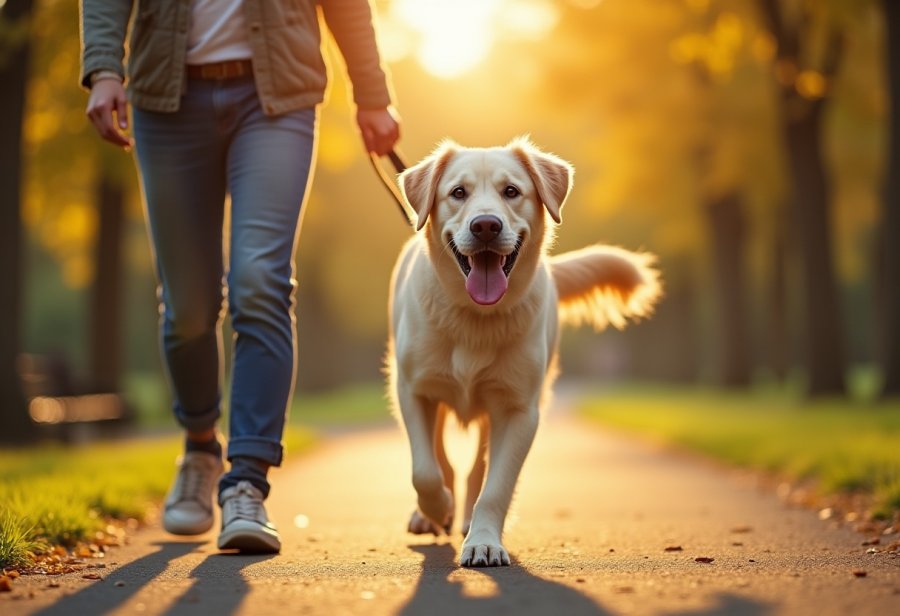
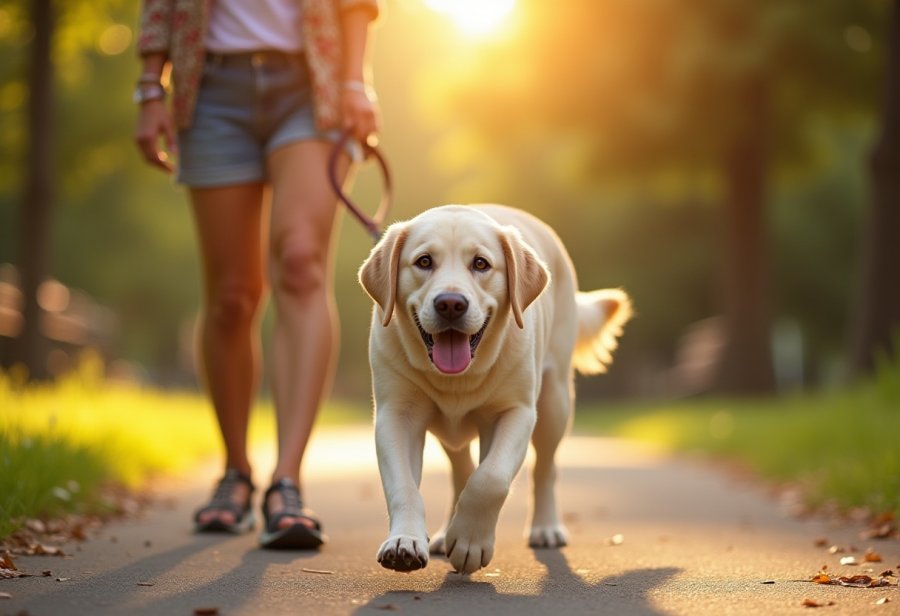
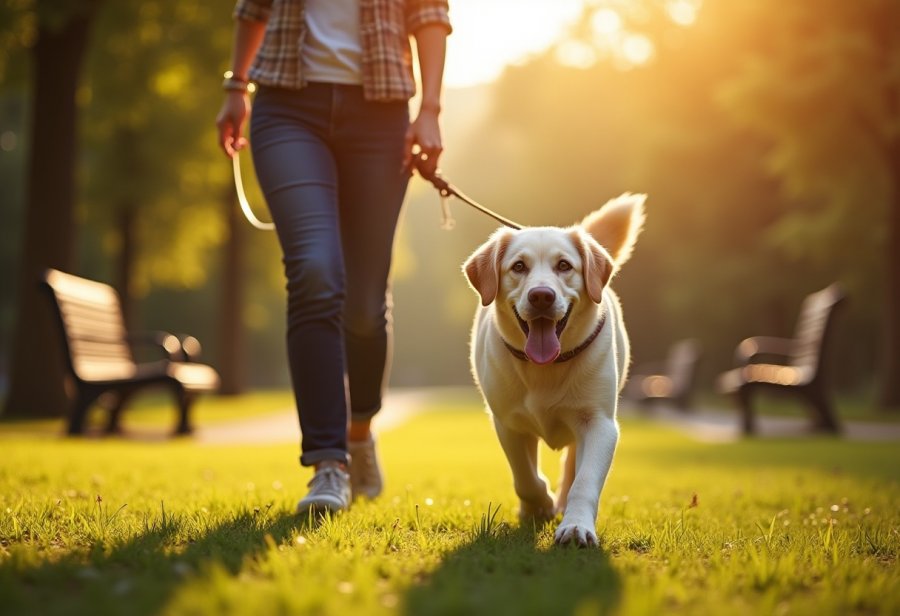
Mastering calm walks with your dog is more than just a training goal—it’s a transformation of daily routines into moments of trust and connection. Imagine strolling peacefully alongside a focused, relaxed canine, free from pulling or distractions—yet achieving this harmony requires understanding, patience, and strategic practice. This guide reveals how positive reinforcement, environmental management, and targeted exercises can turn chaotic outings into serene bonding experiences. Are you prepared to navigate the challenges of distractions, anxiety, and environmental triggers? With tailored techniques, step-by-step planning, and a calm approach, you can foster a confident, well-behaved companion. From setting realistic goals to managing setbacks, every aspect emphasizes that calm walking isn’t just about obedience—it’s about building a deeper, mutually rewarding relationship. Embark on this journey, and discover how peaceful walks can redefine your bond with your dog, creating joyful shared moments every day.
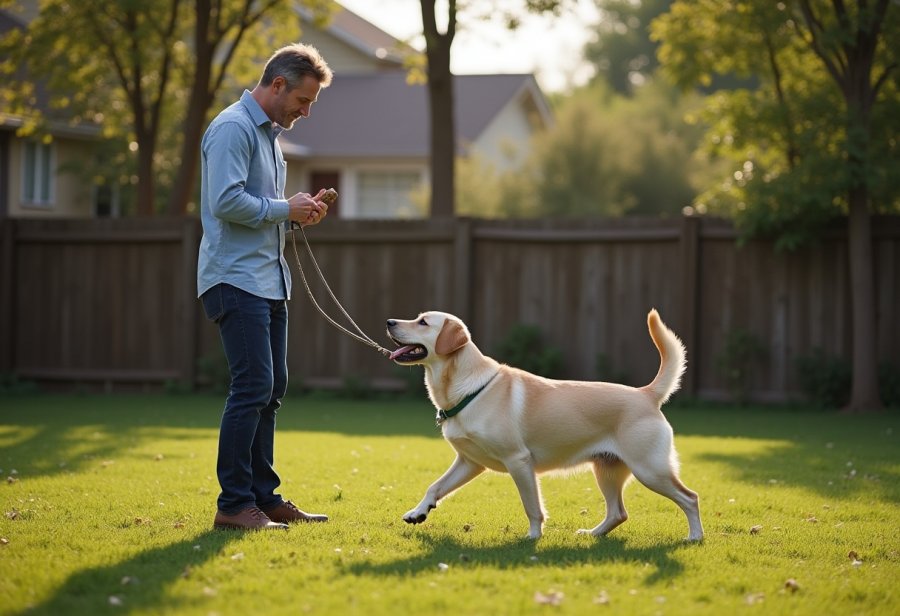
Transform Your Routine: The Power of Calm Dog Walking
Walking calmly with your dog might seem like a simple task, but it’s a skill that can truly transform your daily routine. A peaceful walk isn’t just about covering distance; it’s about creating a shared experience built on trust and mutual understanding. When your dog learns to stay relaxed by your side, walks become more enjoyable and less stressful for both of you. This calm approach helps reduce pulling, lunging, and distractions, making outings safer and more pleasant.
A relaxed walk also deepens your bond. When your dog responds gently to cues and remains focused, it signals a level of communication that goes beyond basic commands. This shared understanding fosters trust and confidence, strengthening your relationship. Plus, a calm dog is less likely to develop behavioral issues like leash reactivity or anxiety, common during hurried or chaotic walks.
Practicing calm walking isn’t just about behavior—it offers practical benefits too. It creates a safer environment by preventing sudden pulls or lunges that could cause accidents. It also makes training more effective because your dog is more attentive and receptive when relaxed. Turning routine walks into moments of harmony not only enhances your connection but also makes each outing more rewarding.
This article will introduce simple, effective techniques to cultivate calmness during walks. From managing your leash to focusing exercises, you’ll learn how to turn everyday outings into peaceful bonding moments. With patience and consistency, you can help your dog develop a calm demeanor that benefits both your relationship and your daily life together.
Decoding Dog Behavior: Foundations for Effective Calm Walking
Understanding your dog’s behavior is essential for mastering calm walking. Dogs communicate a lot through body language—tail position, ear angles, and posture—all of which reveal their emotional state. Recognizing early signs of stress, excitement, or distraction allows you to respond before behaviors escalate. For example, stiff posture or yawning can signal overstimulation or anxiety, indicating it’s time to pause or adjust your approach. Paying attention to these cues helps prevent pulling or reactive reactions during walks.
Positive reinforcement is at the heart of effective training. Rewarding your dog for walking close and relaxed encourages them to repeat that behavior. Using treats, praise, or toys makes learning enjoyable and stress-free. Clear commands like “heel” or “focus” create predictability, helping your dog understand what’s expected. Consistent cues build trust and strengthen your bond, making calm walking feel natural rather than forced.
Modern training methods move away from harsh corrections, favoring humane, reward-based approaches. Corrections that rely on fear can damage trust, while patience and understanding foster a confident, relaxed dog. This approach not only results in better behavior but also deepens your connection, making training sessions more positive and effective. Your dog learns to associate calmness with rewards, which accelerates progress.
External factors, such as environment and temperament, greatly influence your dog’s walking behavior. Noisy streets or unfamiliar parks may overstimulate or unsettle your pet, leading to pulling or anxiety. Understanding your dog’s unique traits—whether they’re naturally reactive or laid-back—allows you to tailor your training. Gradual exposure in different settings helps build confidence and self-control, making calm walking more achievable everywhere.
Building a solid foundation involves mastering key terms like leash training, focus, and heel. Leash training teaches polite walking without pulling, while focus exercises help your dog stay attentive despite distractions. The “heel” command keeps your dog close and calm by your side. Mastering these basics makes future training smoother and more effective, turning routine walks into moments of trust and harmony.
Ultimately, understanding dog behavior and training principles sets the stage for success. Patience, consistency, and positive reinforcement turn calm walking into a shared journey of trust. By respecting your dog’s signals and gradually building their confidence, you create a peaceful, enjoyable routine that benefits both of you. This foundation transforms everyday walks from chaos into opportunities for bonding and mutual understanding.
Mastering Techniques: Exercises to Cultivate Calmness on Every Walk
To develop calmness during walks, focus on exercises that strengthen your dog’s attention and self-control. Start with focus drills before heading out—teach your dog to look at you on command, especially in environments full of distractions. Reward these moments consistently with treats or praise, helping your dog associate calm focus with positive outcomes. This foundation makes it easier for your dog to remain attentive and relaxed amid bustling surroundings.
Using a clear cue like “heel” guides your dog to walk close and relaxed at your side. Reinforce this command every time your dog maintains the correct position with praise or treats. Managing the environment also helps—choose quieter routes or walk during less busy times to reduce overstimulation, giving your dog space to practice calm walking without feeling overwhelmed. Gradually increasing exposure to more stimulating settings builds confidence and self-control, but always at your dog’s pace.
Address leash pulling by teaching your dog to walk on a loose leash. When they pull, gently cue “focus” or “heel,” then reward when they respond correctly. This simple method transforms pulling into a learned behavior, promoting relaxed, attentive walking over time. When faced with distractions like other dogs or loud noises, calmly redirect your dog’s attention using commands like “look” or “focus,” rewarding their responses. Pausing or changing direction can reset your dog’s mood and prevent setbacks.
Incorporate training tools such as clickers and gentle harnesses to support your efforts. Clickers mark moments of focus clearly, speeding up learning, while harnesses designed to discourage pulling give you better control without discomfort. Consistency, patience, and steady practice turn these techniques into habits, helping your dog stay calm and attentive during walks. Remember, setbacks happen—view them as opportunities to refine your approach and reinforce the calm, positive routine you’re building together.
Real Success Stories: Applying Calm Walking Strategies in the Real World
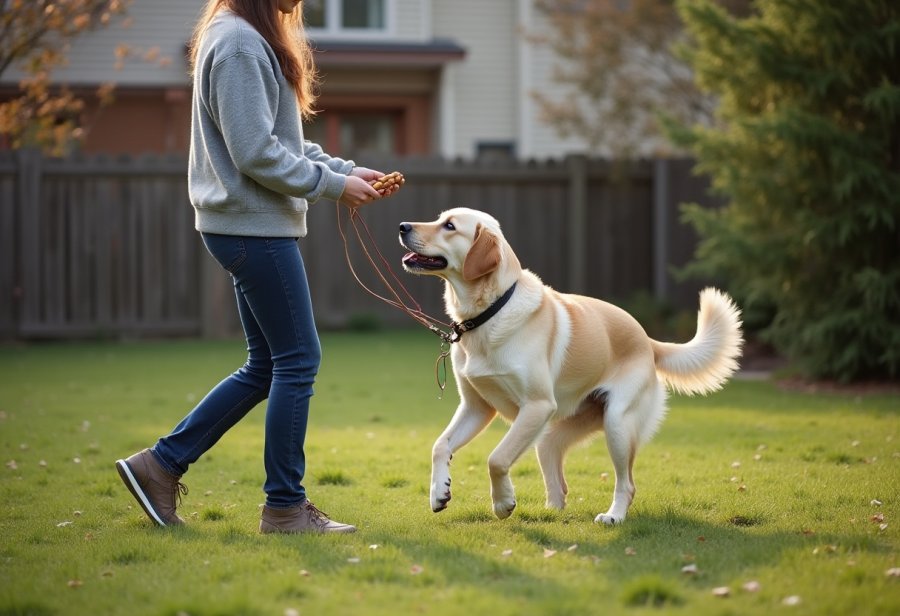
Real-world examples show how consistency and patience can turn calm walks into a routine you both enjoy. Take Lily and her Border Collie Max. Before focusing on focus exercises and gentle reinforcement, Max would pull fiercely and become distracted by passing cars or other dogs. With regular practice, Lily gradually increased exposure to distractions, rewarding calm behavior along the way. Over weeks, Max learned to stay attentive and walk calmly at her side, transforming their neighborhood outings into peaceful, bonding moments.
Another example involves Buddy, a rescue dog dealing with separation anxiety and reactivity on walks. By choosing quieter routes and rewarding calm responses, Buddy’s confidence grew. Small successes accumulated, turning stressful walks into serene routines. These stories highlight that even challenging behaviors can improve with tailored techniques, patience, and consistency, gradually replacing chaos with harmony.
Support tools like treat pouches, clickers, and gentle harnesses can quicken progress. Treat pouches make rewarding easy and accessible. Clickers help mark moments of focus clearly, speeding up learning. Gentle harnesses provide better control without discomfort, reducing pulling and anxiety. When combined with steady effort, these tools make training less frustrating and more effective, fostering a sense of trust and calmness during walks.
Short, daily sessions—about five to ten minutes—are more effective than long, infrequent outings. This consistency helps your dog internalize calm behaviors and builds reliable routines. Using simple cues like “focus” or “heel,” and rewarding each success, creates a clear communication channel that strengthens your bond over time.
Remember, setbacks are part of the process. If your dog pulls or gets distracted, pause and redirect their attention. Changing your route or taking a brief break can help reset their mood. These small adjustments reinforce that calmness is the goal. With patience and persistence, peaceful, joyful walks become a natural part of your shared life.
Setting the Stage for Peaceful Walks: Preparation and Mindset Essentials
Preparing for successful dog walks begins long before you step outside. Planning your route with your dog’s current training level in mind helps set the stage for calm, controlled outings. Opt for quieter streets or parks during less busy times to create a low-stress environment where your dog can focus and learn without feeling overwhelmed. Having your supplies organized—treats, a sturdy leash, and any training tools—within easy reach makes it easier to reinforce good behavior right from the start.
Your mindset plays a crucial role in how smoothly your walk unfolds. Approach each outing with patience and confidence, as your calm attitude helps your dog feel secure. Establishing a consistent routine builds trust and reduces anxiety, making it easier for your dog to focus on the training you’ve worked on together. Knowing what to expect each day creates familiarity, which promotes relaxation and attentiveness during walks.
Investing in simple, reliable tools like a sturdy leash and comfortable collar or harness can make a big difference. If needed, add supportive items like a front-clip harness or clicker to enhance your efforts without complicating the process. Keep treats and toys on hand as rewards for calm behavior—they’re small, portable, and highly motivating for your dog.
Timing your walks thoughtfully enhances their effectiveness. Short, daily sessions—around five to ten minutes—are more beneficial than long, infrequent outings. Regular, predictable walks help your dog internalize calm behaviors and build confidence, turning training into a habit rather than a chore. Consistency is key to making progress.
Weather and environmental conditions also influence your planning. Hot, cold, or rainy days may require shorter walks or different routes to keep your dog comfortable and relaxed. Being flexible and attentive to your dog’s needs ensures that each walk remains a positive experience rather than a stressful chore.
Finally, accept that setbacks can happen. Not every walk will go perfectly—and that’s okay. Stay calm, be adaptable, and use each outing as an opportunity to reinforce your training. With patience and preparation, you’ll turn walking into a peaceful, bonding routine that both you and your dog look forward to every day.
Step-by-Step Planning: Designing and Implementing Your Calm Walking Training
Designing a calm walking training plan starts with setting clear, achievable goals based on your dog’s current behavior. Whether you want to reduce pulling, improve focus, or simply enjoy more relaxed outings, defining these objectives helps you stay focused and motivated. Break the plan into small, manageable steps, and commit to short daily sessions of five to ten minutes. Consistency is key—regular practice builds momentum without overwhelming your dog.
Choosing the right environment for training makes a big difference. Start in quiet, familiar spaces where your dog can learn without too many distractions. As your dog gains confidence, gradually introduce more stimulating settings like busy streets or parks. This slow exposure helps your dog develop self-control and confidence in different situations, making progress more sustainable. Always match the difficulty level to your dog’s comfort zone to prevent frustration.
Use positive reinforcement consistently to shape good habits. Reward your dog immediately when they walk calmly beside you, whether with treats, praise, or toys. When they pull or become distracted, pause, gently correct with cues like “focus” or “heel,” and reward when they respond correctly. This cause-and-effect approach helps your dog link calm walking with positive outcomes, reinforcing desirable behavior over time. Keep your tone calm and patient to foster trust.
Adjust your training plan based on your dog’s progress. If they struggle with certain environments or stimuli, slow down and practice more in easier settings. Patience prevents setbacks from undoing previous progress. Keep a mental or written record of what works, so you can refine your approach and focus on techniques that yield results. Remember, every dog learns at their own pace, and steady effort will pay off.
Staying consistent and calm throughout the training process creates a positive atmosphere. Your dog picks up on your energy, so approaching each session with patience and confidence encourages cooperation. Celebrate small wins along the way, and view setbacks as opportunities to learn and adjust. With steady practice, calm, confident walks become a natural, rewarding part of your shared routine, strengthening your bond and making every outing a peaceful experience.
Overcoming Challenges: Managing Risks and Staying Calm in Every Situation
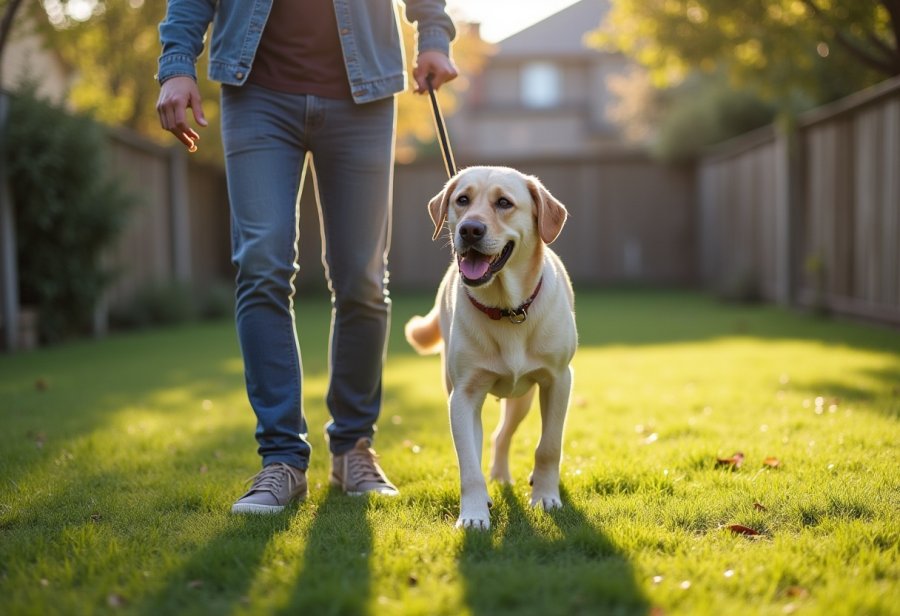
Managing risks and challenges during calm dog walks means staying prepared for common setbacks and knowing how to respond quickly. Distractions like other animals, loud noises, or busy environments can easily throw your dog off balance, leading to pulling, barking, or reactive behaviors. Staying calm yourself is key—your dog will mirror your energy. When distraction hits, use the cues and techniques you’ve practiced, like redirecting their focus or pausing the walk. Sometimes, changing direction or taking a break can help reset your dog’s mood.
Overstimulated or anxious dogs will need extra patience. Signs like tense muscles, yawning, or avoiding eye contact suggest they’re overwhelmed. If that happens, consider moving to a quieter spot or shortening the walk to help your dog regain composure. Having a plan for these moments, whether it’s calming techniques or choosing different routes, keeps setbacks from escalating. If issues persist, consulting a trainer or behaviorist can provide tailored strategies that address specific triggers.
Environmental triggers—noisy streets, unfamiliar parks, or other dogs—can challenge your dog’s calmness. Gradually exposing your dog to these stimuli in controlled ways builds confidence and reduces reactivity. Reward calm responses to reinforce positive behavior and help your dog learn that staying relaxed is rewarding. Weather conditions also matter; hot or rainy days might require shorter walks or different routes to prevent stress and discomfort.
Tools like gentle harnesses or clickers support your efforts by improving control and marking moments of focus clearly. Remember, setbacks aren’t failures—they’re opportunities to learn. Analyze what caused the distraction or stress, then adjust your approach—whether that’s changing your route, using different cues, or taking a moment to reset. Consistency and a calm demeanor help your dog develop resilience over time.
Flexibility is crucial. Not every walk will go perfectly, and that’s okay. Respond calmly, keep routines positive, and view setbacks as part of the learning process. These experiences reinforce that calmness is the goal, helping your dog learn to stay relaxed even amid challenges. With patience and steady practice, peaceful, confident walks become the norm, strengthening your bond and making outings more enjoyable for both of you.